Why Floaters Appearing While Sunbathing Indoors Can Disrupt Your Vision
Ever been lying on your cozy couch, sunbathing indoors with that perfect sunbeam falling through your window, only to notice these strange, drifting specks in your vision? Yep, been there. It’s like your eyes are throwing a surprise party with little floating confetti—but without the fun. These unexpected guests are what we call eye floaters, and while they’re usually harmless, their sudden appearance during moments like sunbathing can leave you puzzled and, let’s be honest, a bit annoyed.
Why Do Floaters Become So Noticeable When You’re Sunbathing Indoors?
Floaters are always there, lurking in your vitreous gel, but you tend to notice them more against bright, plain backgrounds. Indoor sunbathing often creates the perfect scenario—a flood of natural light, white walls, and smooth surfaces. These conditions amplify floaters, making them look like they’ve just popped up out of nowhere.
The Science Behind the Annoyance
Floaters are tiny clumps of collagen that cast shadows on your retina. When the lighting contrast is high, like when a sunbeam hits a white floor or wall, those shadows become annoyingly visible. It’s like someone dimmed the lights on your vision’s stage, and now the backstage crew (floaters) is stealing the spotlight.
But Why Indoors?
Outdoors, your eyes have a wider range of visual textures and colors to focus on. Indoors, the controlled lighting and static environment make floaters harder to ignore. It’s not that they suddenly appear; it’s just that your brain can’t ‘unsee’ them when the conditions are right (or wrong, depending on how you look at it).
Is It Normal to See New Floaters While Relaxing in the Sun?
Honestly, the first time it happened to me, I thought I had dust in my eyes. I even tried blinking it away and waving my hand to shoo away the “specks.” But floaters don’t work that way. Seeing them during calm moments, like sunbathing indoors, is actually quite common. The quiet, still environment makes your visual disturbances more pronounced.
However, sudden bursts of new floaters or flashes of light can be red flags. If that’s happening, it’s worth reading this detailed guide on when floaters might indicate serious eye problems.
Are Certain People More Prone to Noticing Floaters Indoors?
- People with High Myopia: If you’re nearsighted like me, floaters are probably old frenemies by now.
- Older Adults: Age-related vitreous degeneration makes floaters more common as you hit your 40s and beyond.
- Post-Eye Surgery Patients: Procedures like cataract surgery can stir up floaters in the vitreous gel.
Understanding how age-related vitreous changes contribute to floaters is explained in this in-depth resource. It’s a must-read if you’re noticing floaters more frequently in your indoor chill sessions.
Do Environmental Factors Like Indoor Lighting Make Floaters Worse?
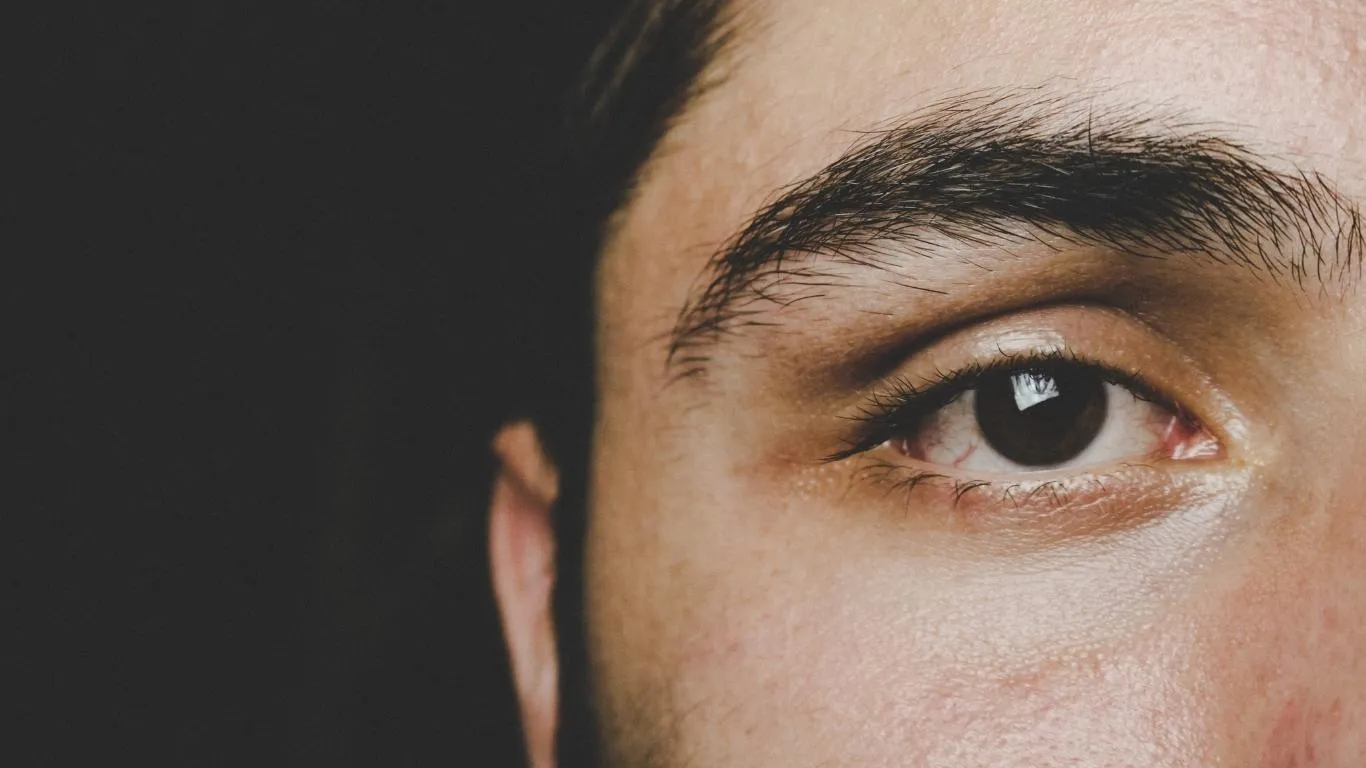
Absolutely. Bright, direct sunlight pouring in through your windows creates the perfect backlight for floaters to become more visible. On the flip side, artificial indoor lights (like LEDs) can make them appear sharper, especially if you’re looking at light-colored walls or screens. I’ve noticed my floaters are far more annoying in the living room than in my kitchen, simply because of how the light interacts with the surfaces.
There’s even a deeper dive into how screen time and lighting can aggravate floaters, which I found super relatable, especially during those endless video calls.
Can Simple Eye Exercises Help When Floaters Appear?
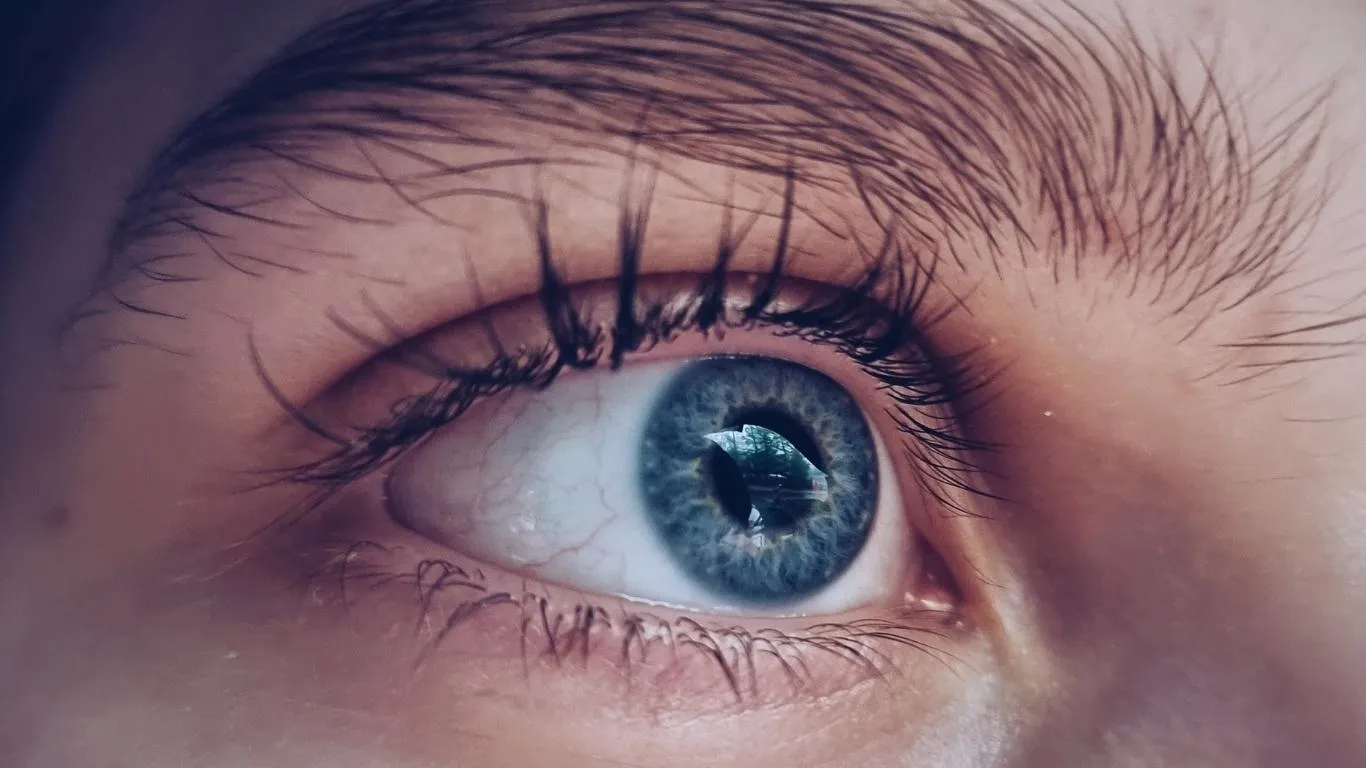
While there’s no magic move that’ll “clear out” floaters instantly, certain eye movements can help you redirect your focus, making floaters less noticeable. I’ve made it a habit to gently roll my eyes in slow circles whenever they get too distracting. It helps shift them out of my direct line of sight, at least temporarily.
For more practical tips, this article on effective eye exercises for floaters is worth bookmarking.
When Should You Be Concerned About Floaters While Indoors?
- Sudden Onset: New floaters that appear abruptly.
- Accompanied by Flashes: Light flashes could signal retinal tears.
- Loss of Peripheral Vision: A curtain-like shadow requires immediate medical attention.
While most indoor floater episodes are harmless, understanding when they could indicate something serious is crucial. You can read more about the warning signs of dangerous floaters.
For a comprehensive look at the causes and treatment options, don’t miss the main pillar article on eye floaters.
How Indoor Activities Can Trigger Floater Awareness (When You Least Expect It)
You know what’s ironic? The moments you’re trying to relax—reading a book by the window, doing yoga, or even just scrolling on your phone—are the exact times when floaters decide to be front and center. I can’t count how many times I’ve been in a peaceful meditation session, eyes half-closed, when those little floaters start doing their dance routine.
This isn’t a coincidence. Activities with minimal visual movement and plain backgrounds amplify your awareness of floaters. They thrive in stillness and brightness. Even tasks like cooking under spotlights or journaling near white countertops can suddenly make floaters painfully obvious.
Screen Time Indoors: A Floater Magnet
If you’ve ever noticed floaters becoming worse while binge-watching a series in a bright room, you’re not imagining things. Digital screens emit backlighting that enhances floater visibility, especially when you’re staring at static images. Here’s an excellent breakdown on why screens can worsen floaters.
How I Manage Floater Annoyances During My Indoor Chill Sessions
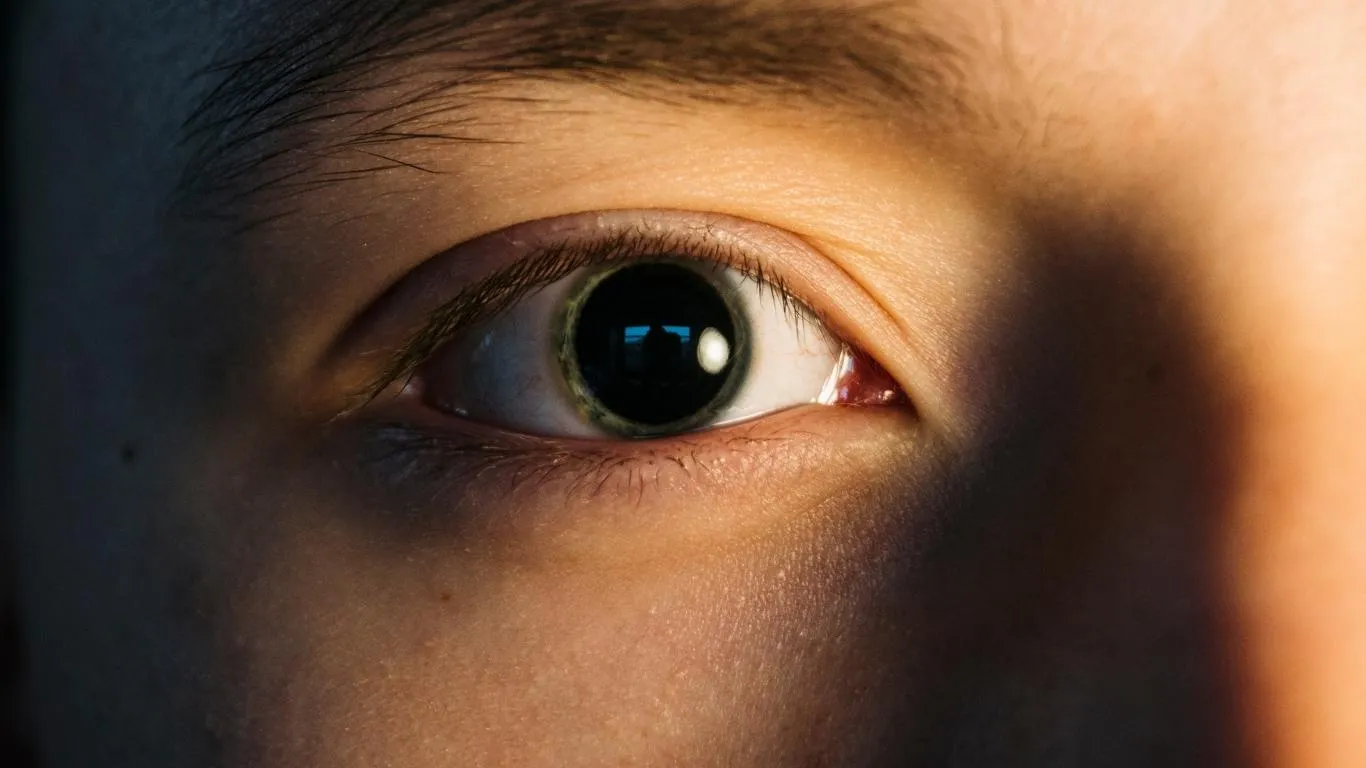
I won’t sugarcoat it—floaters can be irritating. But over time, I’ve developed small habits that help minimize their impact, especially during those sunbathing-by-the-window moments.
- Adjusting Room Lighting: I keep the light indirect, using sheer curtains to soften harsh beams that make floaters pop out.
- Changing Focus Points: When a floater gets in my way, I consciously shift my gaze to textured objects—plants, bookshelves, anything but plain walls.
- Staying Hydrated: Believe it or not, dehydration tends to make my floaters worse. I always keep water nearby during long indoor lounging sessions.
There’s more on this in how hydration impacts floaters. You might be surprised how much difference it makes.
Can Eye Health Supplements Actually Help with Floaters?
While there’s no miracle pill that’ll make floaters vanish, I’ve personally noticed subtle improvements in clarity after adding lutein-rich foods and certain supplements to my diet. It’s not an overnight fix, but anything that supports overall eye health is a win in my book.
This article on the best supplements for floaters dives into which ones are actually worth trying, based on research—not hype.
What About Medical Treatments? Are They Necessary for Indoor Floaters?
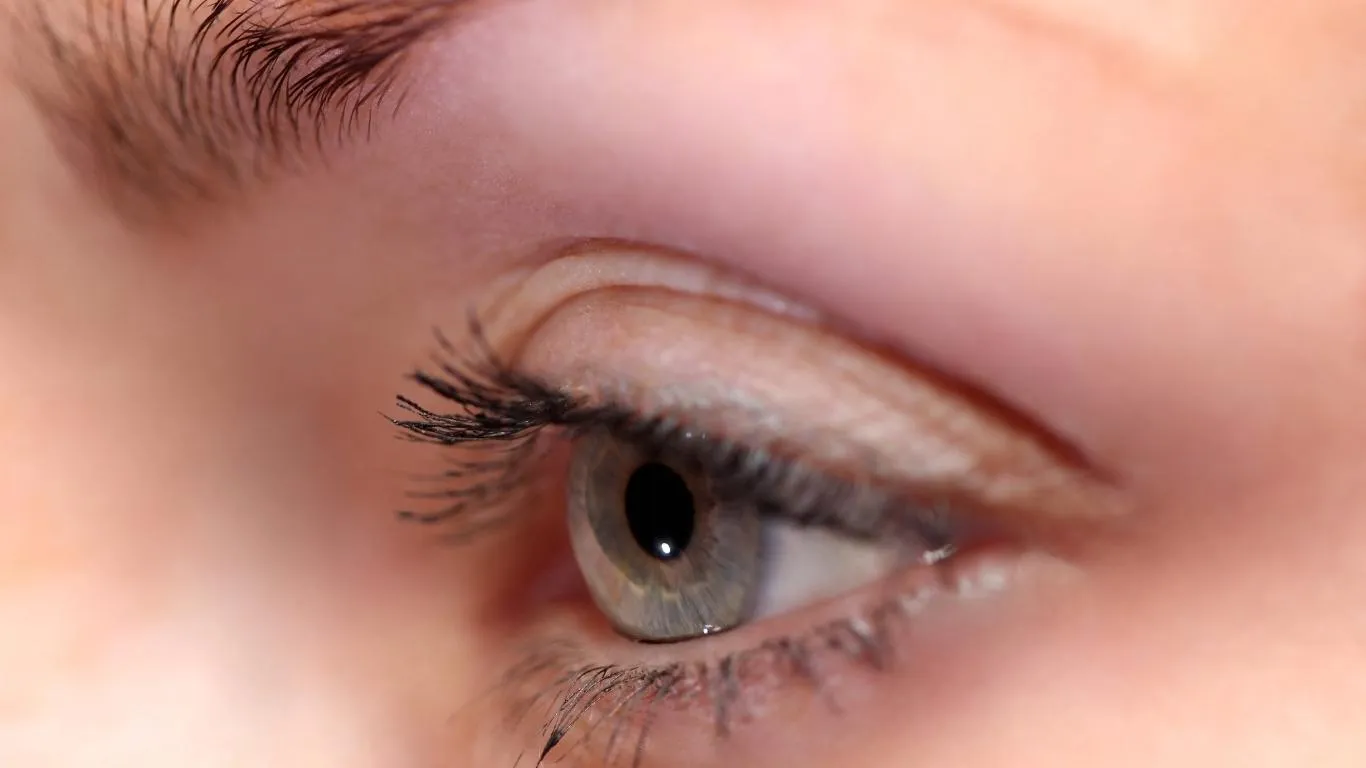
Most floaters, especially the ones that show up while sunbathing indoors, don’t require medical intervention. However, if they start to interfere with your daily vision or come with other symptoms, it might be time to explore options like YAG laser vitreolysis or even a vitrectomy.
Here’s a useful resource on treatment options for floaters that explains when it’s worth seeking medical help.
Small Environmental Tweaks That Can Make a Big Difference
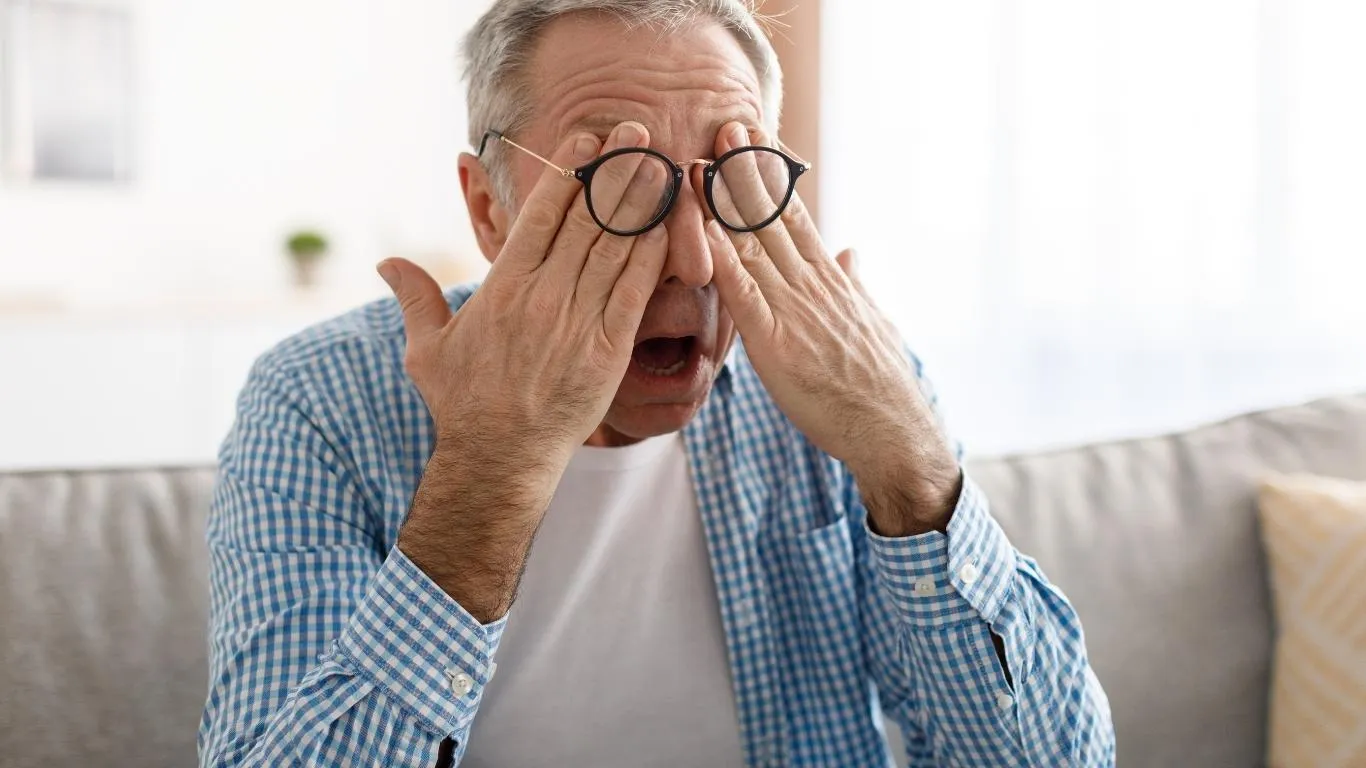
I’ve experimented a lot, and here are a few indoor tweaks that made my floater episodes less disruptive:
- Matte Surfaces Over Glossy: Glossy white walls are floater amplifiers. I switched to matte textures and noticed an immediate difference.
- Warm Light Bulbs: Soft, warm lighting reduces harsh contrasts that make floaters pop out.
- Balanced Contrast on Screens: I adjust my device’s brightness to match ambient light levels. It reduces eye strain and lessens floater visibility.
These changes may seem minor, but they’ve helped me regain a sense of normalcy during my indoor sun sessions. Floaters may still be there, but they no longer steal the spotlight.
If you’re wondering whether certain floaters could indicate more serious underlying issues, this pillar article on eye floater causes is a must-read. It covers everything from aging to injury-induced floaters in a clear, digestible format.

Camellia Wulansari is a dedicated Medical Assistant at a local clinic and a passionate health writer at Healthusias.com. With years of hands-on experience in patient care and a deep interest in preventive medicine, she bridges the gap between clinical knowledge and accessible health information. Camellia specializes in writing about digestive health, chronic conditions like GERD and hypertension, respiratory issues, and autoimmune diseases, aiming to empower readers with practical, easy-to-understand insights. When she’s not assisting patients or writing, you’ll find her enjoying quiet mornings with coffee and a medical journal in hand—or jamming to her favorite metal band, Lamb of God.