How Body Language Patterns in Chronic Pain Sufferers Affect Recovery
I’ve always been fascinated by how much our body speaks even when we’re silent. After years of dealing with persistent back pain, I noticed my posture had a language of its own—shoulders slightly hunched, a guarded stance, and a stiffness that wasn’t just physical but emotional too. What I didn’t realize was how common this is among chronic pain sufferers. Understanding body language patterns in people battling ongoing pain isn’t just an interesting observation—it’s key to breaking cycles of discomfort and social isolation.
Recognizing Subtle Body Language Cues in Chronic Pain Sufferers

When you spend years grappling with back pain, your body subconsciously develops protective patterns. These micro-adjustments may seem minor but they tell a loud story. The slight forward tilt of the head, or the way someone shifts their weight constantly while standing, are silent signals of ongoing discomfort.
Guarded Movements and Self-Protection Gestures
One of the most common patterns I’ve seen (and experienced) is the guarded movement. People unconsciously keep their arms close to their bodies, or they avoid sudden twists. These aren’t random quirks; they’re subtle defense mechanisms. Research from NIH shows how pain leads to altered movement strategies, creating these micro-guarding behaviors.
Micro-Expressions of Pain
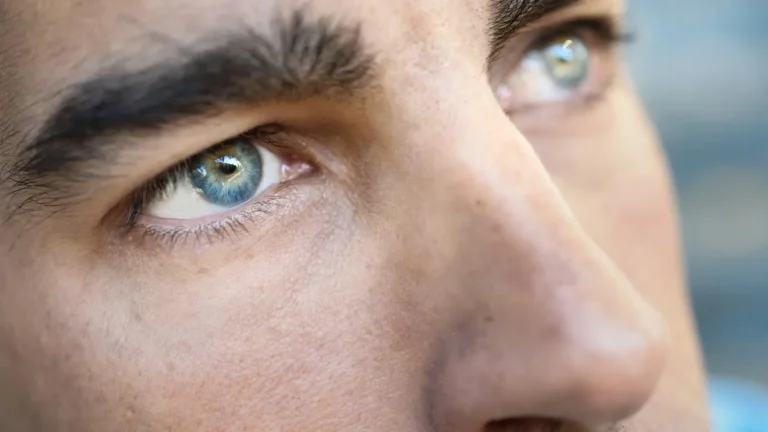
Micro-expressions are fleeting but revealing. A brief wince when sitting down, or a subtle grimace when reaching for something overhead, often slips by unnoticed. Chronic pain sufferers master the art of masking these expressions, but they’re still there if you look closely. Recognizing these can make a huge difference, especially for therapists and caregivers.
Postural Patterns: Chronic Pain’s Signature Stance

It’s no secret that poor posture and back pain go hand-in-hand, but chronic sufferers develop a distinct postural “signature”. This isn’t about textbook bad posture—it’s about consistent, protective alignment that evolves from years of discomfort.
- Forward Head Position: Often compensating for spinal tension.
- Rounded Shoulders: A subconscious attempt to reduce movement in the thoracic spine.
- Pelvic Tucking: People unknowingly tilt their pelvis to avoid lumbar strain, which ironically worsens their alignment.
These patterns aren’t just physical; they shape a person’s energy, confidence, and how others perceive them. I’ve personally found that becoming aware of my pelvic tilt was a game-changer in managing lower back tension. For a deeper dive into posture-related pain, you can explore how poor posture can quietly sabotage your back health.
The Social Impact of Chronic Pain Body Language

Beyond the physical discomfort, there’s a silent social consequence to these body language patterns. I’ve been in countless situations where my guarded stance made me seem disinterested or cold, even though I was just managing pain. Chronic pain sufferers often adopt closed-off gestures—arms crossed, avoiding eye contact—not out of rudeness but out of necessity.
This unintended message can lead to social withdrawal, affecting relationships and emotional well-being. According to CDC reports, individuals with chronic pain are at higher risk of depression and social isolation, partly due to these misinterpreted signals. Addressing this starts with awareness. You can also read more about the mental and emotional dimensions of back pain which dig deeper into this connection.
Breaking the Cycle: How to Reprogram Your Body Language

Reprogramming your body language isn’t about forcing yourself into a “good posture” position. It’s about gentle, mindful interventions that teach your body to feel safe in more open, balanced alignments.
Mindful Movement Practices
I can’t stress enough how methods like yoga and Pilates transformed my awareness. Gentle mobility drills, like yoga poses designed specifically for back pain relief, teach your body to move confidently again. Small, consistent practices help dissolve those deep-seated guarding habits.
Biofeedback and Mirror Work
One technique that surprised me was using mirrors for posture feedback. Watching myself move highlighted quirks I never noticed. There’s also emerging tech, like biofeedback devices, that track subtle muscle activations to help users correct guarding tendencies over time.
Learning how to consciously open your stance, drop your shoulders, and make soft eye contact can gradually undo years of protective body language. For an even more science-driven approach, check out this guide on symptoms and movement pattern diagnostics.
Internalizing Pain-Free Movement Through Daily Habits

Changing body language isn’t a one-time fix. It requires daily attention to micro-habits. Something as simple as how you sit at your desk, or how you stand in a grocery line, can either reinforce or dissolve pain patterns. I found subtle tweaks like using lumbar support cushions (read more on why lumbar supports can be a game-changer) have a cumulative impact.
- Set posture reminders throughout your day.
- Incorporate movement breaks every hour—simple stretches work wonders.
- Use props like standing desks or ergonomic chairs to nudge you into healthier positions.
For comprehensive lifestyle shifts that tackle these patterns holistically, visit our primary guide on lifestyle, diet, and natural remedies for back pain. And of course, don’t miss our ultimate Back Pain Resource Hub for an in-depth look at all aspects of back pain management.
Emotional Layering: How Chronic Pain Shapes Non-Verbal Communication

One thing that hit me hard during my pain journey was realizing how much my emotions showed up in my body language. Chronic pain isn’t just physical; it subtly embeds itself into every gesture, every glance. I started noticing my facial muscles were constantly tense, especially around the jaw and eyes. Turns out, it’s a common pattern among chronic pain sufferers.
The body tends to develop “emotional armor” — a term I first heard from my physical therapist. It’s a protective tightening of muscles that often mirrors unresolved emotional stress. For many, this appears as a clenched jaw, furrowed brow, or shallow breathing patterns. Mayo Clinic even highlights the strong interplay between emotional stress and chronic pain, which often gets overlooked.
The Vicious Cycle of Pain and Social Signals
What’s even more challenging is how this emotional layering feeds a vicious loop. Our tense, closed-off body language sends signals to others that we’re distant or irritable, which often isn’t true. This leads to less social engagement, amplifying feelings of isolation, which in turn makes pain feel more intense. Addressing these non-verbal patterns becomes just as important as physical therapy itself.
For strategies on how chronic pain influences mental health, you can explore our deep-dive on the mental and emotional aspects of back pain.
Rewriting Your Body Language Story with Mind-Body Techniques

One of the most profound shifts in my recovery came from learning to “rewrite” my body’s story. Techniques like somatic awareness and gentle movement retraining allowed me to break free from the tension I’d been unconsciously holding for years.
- Somatic Tracking: This practice involves observing your body’s sensations without judgment, which helps in identifying habitual tension zones.
- Guided Imagery: Visualizing pain-free movements can actually prime your nervous system for better movement patterns.
- Breathwork: Deep diaphragmatic breathing helps relax overactive muscle groups and enhances posture naturally.
I was skeptical at first, but after incorporating breathwork into my daily routine, I noticed my shoulders dropped and my gait became smoother. You can read more on practices like breathing techniques that align your spine—trust me, it’s a game changer.
Everyday Triggers That Reinforce Negative Body Patterns

Sometimes, it’s the small, unnoticed habits that silently reinforce those pain-driven body language patterns. Here are some daily triggers I had to consciously address:
- Slouching during phone use or “tech neck” posture.
- Favoring one leg while standing, leading to pelvic imbalance.
- Prolonged sitting without lumbar support.
- Holding breath during simple tasks like bending or lifting.
Most of these are deeply ingrained, but small, consistent corrections make a big difference. I highly recommend looking into occupation and travel tips for managing back pain, especially if your work habits are part of the problem.
Practical Adjustments to Restore Confident Body Language

Fixing body language patterns doesn’t mean striving for perfect posture at all times—that’s exhausting and unrealistic. Instead, it’s about making practical, sustainable adjustments that support your body in daily life. Here are a few strategies that helped me:
- Switching to a proper ergonomic office chair that encourages a natural lumbar curve.
- Using standing desks or alternating between sitting and standing throughout the workday.
- Incorporating “micro-breaks” every 30 minutes to perform simple stretches or posture resets.
- Practicing mindful walking, where you focus on even weight distribution and relaxed shoulders.
One underestimated trick I use is anchoring posture corrections to daily habits—like checking my phone or walking through doorways—to naturally remind myself to align better.
Leveraging Technology to Rebuild Healthy Body Patterns

Today’s technology offers powerful tools to aid in body language re-education. From AI posture trackers to wearable sensors, these devices provide real-time feedback that can accelerate your progress.
I recently experimented with a posture sensor that buzzes gently when I start slouching. It was annoying at first, but the constant feedback trained my body to adopt a more open stance almost reflexively. There are also smart apps that guide you through posture-correcting exercises tailored to your unique movement patterns. For a more in-depth look at ergonomic solutions, see our guide on exercise, rehabilitation, and ergonomics for back pain.
Empowering Yourself Through Body Awareness

Ultimately, reclaiming your body language from the grip of chronic pain is a deeply empowering journey. It’s about developing an ongoing conversation with your body, noticing the cues it sends, and responding with care rather than frustration.
Personally, the shift happened when I stopped focusing solely on eliminating pain and instead started celebrating small wins—like standing a little taller, or making eye contact without flinching from discomfort. It’s these micro-victories that slowly rewrite the narrative.
For a holistic framework to integrate these practices into your life, I highly recommend our comprehensive guide on lifestyle, diet, and natural remedies for managing back pain. Additionally, explore the Back Pain Main Resource Hub for a broader understanding of managing chronic discomfort from every angle.

Camellia Wulansari is a dedicated Medical Assistant at a local clinic and a passionate health writer at Healthusias.com. With years of hands-on experience in patient care and a deep interest in preventive medicine, she bridges the gap between clinical knowledge and accessible health information. Camellia specializes in writing about digestive health, chronic conditions like GERD and hypertension, respiratory issues, and autoimmune diseases, aiming to empower readers with practical, easy-to-understand insights. When she’s not assisting patients or writing, you’ll find her enjoying quiet mornings with coffee and a medical journal in hand—or jamming to her favorite metal band, Lamb of God.