Why Floaters Become Distracting in Cozy Library Environments
Ever been in a cozy library, surrounded by rows of books and warm ambient lighting, only to notice those tiny, drifting specks floating across your vision? You’re not alone. I remember sitting in my favorite reading nook, coffee in hand, as these strange floaters danced in front of the pages. At first, I thought it was dust in the air, but it kept happening, especially in quiet, dimly lit places like libraries. Let’s dive into why floaters become more noticeable in these calm, cozy environments, and what you should know if you’re seeing them more often.
Why Floaters Stand Out in Cozy Library Settings
Libraries are designed to be peaceful, with soft lighting and neutral backdrops. Ironically, these perfect settings for concentration also make eye floaters glaringly obvious. When the lighting is diffuse, like those gentle overhead lights or sunlight streaming through sheer curtains, floaters—tiny clumps of collagen in your vitreous—cast subtle shadows on the retina. This makes them more apparent, especially against plain walls, white paper, or digital screens.
I’ve noticed that when I switch from my phone to a book in these settings, the floaters seem to pop up out of nowhere. It’s not your imagination; the high-contrast background (white pages, neutral tabletops) provides the perfect “canvas” for floaters to stand out.
Common Causes Behind Increased Floater Visibility
1. Lighting Conditions That Expose Floaters
Unlike outdoor sunlight that can be too intense, library lighting is just soft enough to reveal floaters without overwhelming your vision. It’s the combination of indirect light and uniform backgrounds that creates the perfect storm. A sudden shift in lighting, like moving from a sunlit window to a dim reading corner, often makes floaters temporarily more noticeable.
2. Focused Visual Tasks
When you’re deep into reading, your eyes maintain a fixed focus for extended periods. This allows floaters, which usually float out of sight, to settle within your field of vision. You might have read about this in the article on floaters that appear when changing depth focus. That subtle eye movement while switching focus triggers a mini “shake-up” in the vitreous, causing floaters to drift into visibility.
3. Dry Eye Syndrome in Indoor Environments
Library air conditioning or heating systems often reduce humidity levels, which can contribute to dry eye syndrome making floaters worse. Dry eyes exacerbate light scattering and discomfort, making you more aware of visual disturbances like floaters.
Should You Be Concerned About Floaters in Quiet Places?
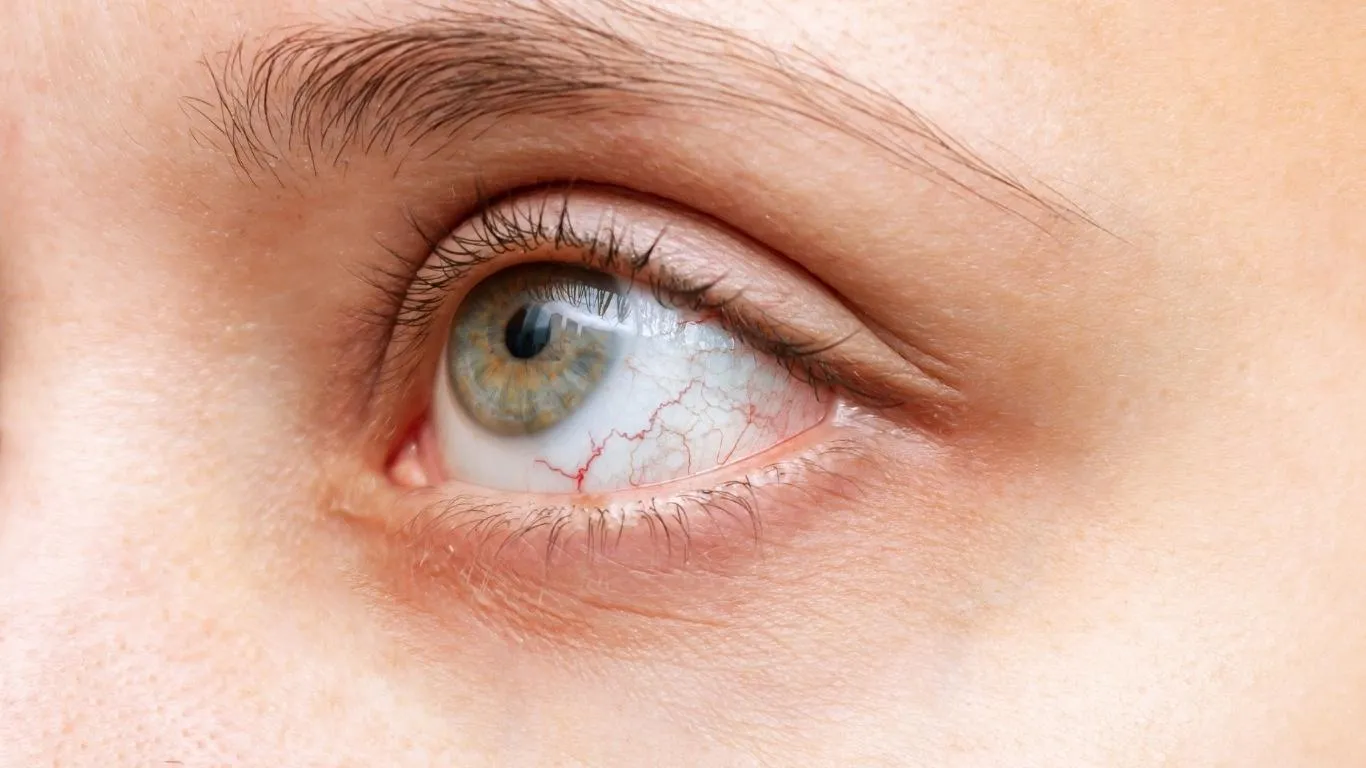
Most floaters are benign, especially if they’ve been lingering for years. However, if you suddenly notice an increase in the number, size, or shape of floaters, especially in just one eye, it could be a red flag. This is particularly true if floaters are accompanied by light flashes or peripheral vision loss. These symptoms can indicate more serious conditions, like a retinal tear. You can read more on the warning signs floaters shouldn’t be ignored.
That said, in many cases, floaters in library environments are simply more visible because you’re in a visually static, distraction-free space. But staying alert to changes is key. As a rule of thumb, if you notice sudden floaters along with other visual disturbances, consult an eye care professional.
Managing Floaters in Library and Indoor Spaces
Simple Eye Movements to “Shift” Floaters
A trick I personally use—when a floater drifts into the center of my reading view—is to quickly glance up or side to side. This encourages the floater to move to a less bothersome position. It doesn’t eliminate them, but can offer temporary relief.
Hydration and Environmental Adjustments
Hydration plays a subtle yet important role in vitreous health. Keeping your body well-hydrated ensures your vitreous remains as clear as possible. Also, using a small humidifier at your reading desk can combat dry air conditions that make floaters worse. More on how hydration helps reduce floaters can be found here.
Blue Light Filters and Screen Adjustments
If you’re using tablets or e-readers in libraries, activating a blue light filter can reduce eye strain, which in turn makes floaters less bothersome. Adjusting screen brightness to match ambient lighting also helps minimize their visibility.
Understanding the Anatomy: Why Floaters Drift into View
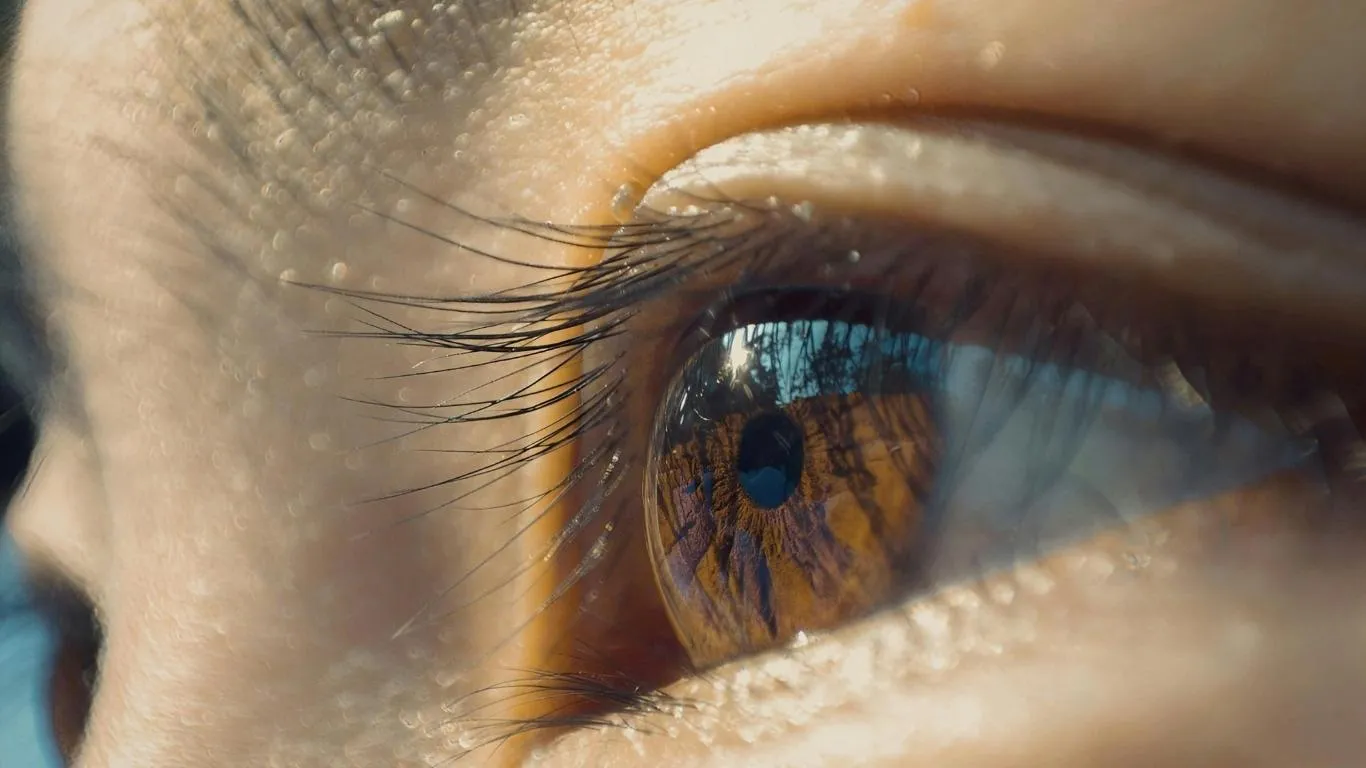
Eye floaters form when the vitreous, a gel-like substance inside your eye, becomes less firm and starts to liquefy. Tiny collagen fibers clump together, casting shadows on your retina. This natural aging process is called posterior vitreous detachment and is a leading cause of floaters in adults over 40. But it’s not just age; factors like high myopia, previous eye surgeries, and even intense visual tasks can accelerate floater formation.
For a more in-depth look at other possible causes, you might find this guide on common causes of eye floaters very informative. And if you want a comprehensive breakdown of symptoms, causes, and treatment options, visit our main pillar article on eye floaters.
Why Cozy Environments Make You More Aware of Your Vision
Ever noticed how in a calm space, your senses dial up? It’s like your brain goes, “Alright, no distractions, time to focus.” That’s exactly why floaters seem more prominent when you’re reading in a cozy library. With fewer stimuli competing for your attention, even the tiniest visual imperfection becomes glaringly obvious. It’s not that your floaters are worse in a library — you’re just more tuned in to noticing them.
I remember one afternoon sitting in a quiet corner of the university library, mid-paper deadline, when my floaters became so distracting I couldn’t focus. I actually got up and walked outside for a few minutes, and guess what? They seemed to vanish in the sunlight chaos. It made me realize how much environment shapes our perception of these little specks.
Is Screen Time in Libraries Making Floaters Worse?
While libraries promote reading, a lot of us use tablets, laptops, and phones in these spaces. Extended screen time under soft lighting conditions has been linked to increased floater visibility. Blue light exposure and reduced blinking contribute to eye strain, making floaters more noticeable. This is something covered in detail in our guide on how screen time worsens floaters.
To minimize this, try the 20-20-20 rule — every 20 minutes, look at something 20 feet away for at least 20 seconds. This simple habit not only reduces digital eye strain but also gives your vitreous a mini “reset,” helping those pesky floaters drift away from your focus.
Adjusting Library Habits to Reduce Floater Distractions
- Opt for textured backgrounds – reading against a patterned table or wall can make floaters less noticeable.
- Change seating positions – avoid sitting directly under overhead lights; side lighting reduces contrast floaters create.
- Alternate between physical books and digital devices – shifting focus helps “move” floaters around.
Floaters That Appear Only in Certain Library Lighting: A Clue?
It’s fascinating how floaters can be elusive in some rooms and annoyingly prominent in others. Warm-toned ambient lighting might make them less visible, while stark white LED lights (common in modern library renovations) tend to highlight every floater you’ve got. If you’ve noticed floaters appearing after library renovations, you’re not imagining things.
Additionally, floaters often “react” to shifts in brightness levels. If you’re moving from a dim study cubicle to a well-lit reading hall, floaters might suddenly seem more pronounced. You can learn more about this phenomenon in our detailed article on floaters during lighting transitions.
When Are Floaters in Cozy Spaces a Red Flag?
While the floaters you notice in cozy libraries are often harmless, certain symptoms should never be ignored. If you experience any of these, it’s time to seek professional help:
- Sudden surge in floaters, especially if accompanied by flashes of light
- A shadow or curtain effect creeping into your field of vision
- Blurred vision that doesn’t improve after blinking
These can be signs of a retinal tear or detachment, which is a medical emergency. Our in-depth piece on floaters signaling retinal tears goes into more detail about these critical warning signs.
Are There Treatments for Annoying Floaters?
If floaters are seriously impacting your quality of life, even in cozy library settings, there are treatment options. Observation is usually recommended, but in more severe cases, procedures like laser vitreolysis or vitrectomy may be considered. However, these treatments come with their own risks, which is why many specialists recommend conservative management first.
I found that simple lifestyle tweaks—like ensuring proper hydration, using blue light filter glasses, and doing regular eye exercises—made a noticeable difference. You can explore more on treatment options for floaters in our comprehensive guide.
Natural Methods That Help in Library Environments
There’s a lot of buzz about natural remedies for floaters, and while not all are backed by hard science, some strategies seem to help reduce their intrusiveness. From my personal experience, these simple habits have been surprisingly effective:
- Consuming antioxidant-rich foods like spinach, kale, and berries to support eye health.
- Practicing eye yoga – gentle rolling movements that help “disperse” floaters temporarily.
- Keeping room lighting balanced to avoid high-contrast backgrounds that amplify floaters.
For a detailed breakdown of natural approaches, check out our analysis on natural ways to manage floaters.
When Floaters Affect Focus and Productivity
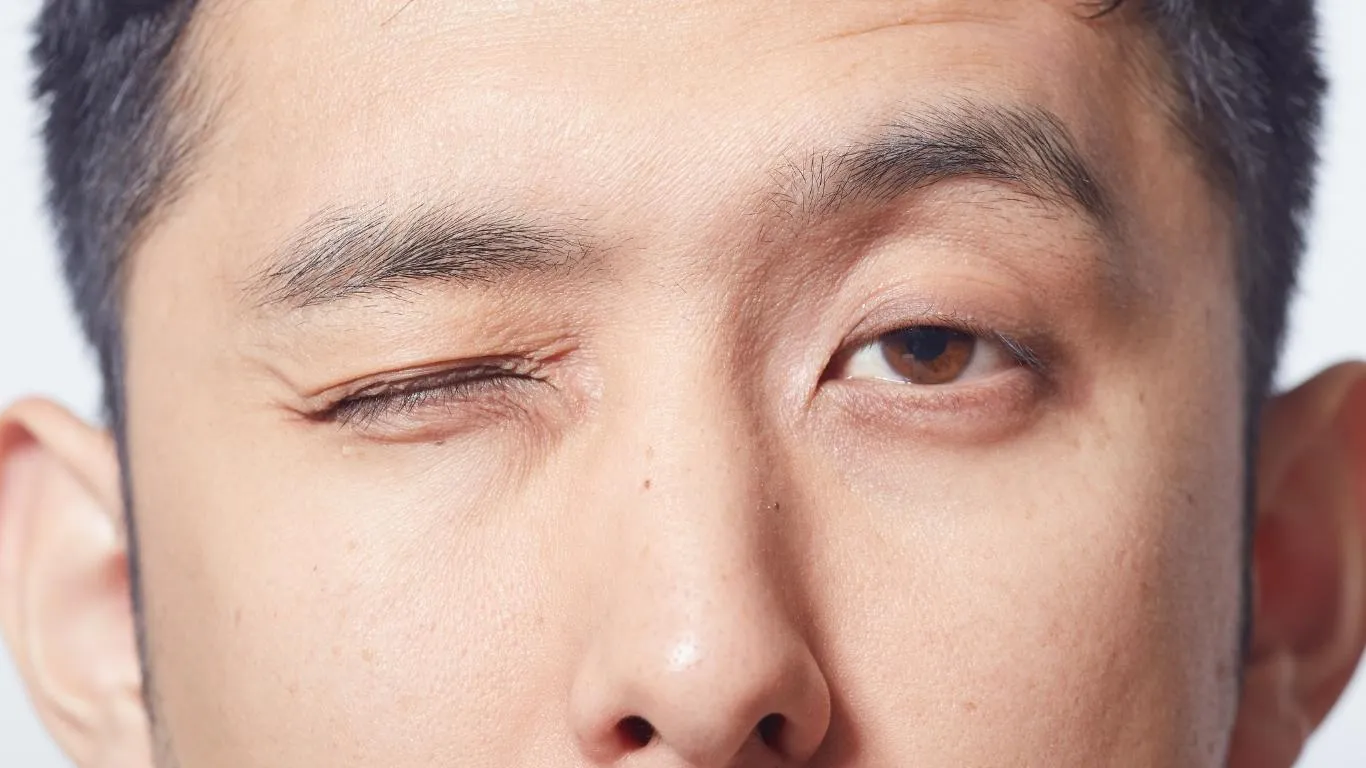
If you’re like me, losing focus because of a visual disturbance is incredibly frustrating. Floaters can subtly sap your reading endurance, especially in spaces where you’re supposed to be deeply focused. This is why understanding how to manage their visibility is crucial—not just for your comfort but for your productivity too.
On days when floaters were particularly bothersome, I noticed it took me twice as long to get through dense reading material. Small adjustments like changing seating positions, taking micro-breaks, and using tinted lenses made all the difference. There’s a helpful resource on reducing floater discomfort during extended focus sessions that’s worth checking out.

Camellia Wulansari is a dedicated Medical Assistant at a local clinic and a passionate health writer at Healthusias.com. With years of hands-on experience in patient care and a deep interest in preventive medicine, she bridges the gap between clinical knowledge and accessible health information. Camellia specializes in writing about digestive health, chronic conditions like GERD and hypertension, respiratory issues, and autoimmune diseases, aiming to empower readers with practical, easy-to-understand insights. When she’s not assisting patients or writing, you’ll find her enjoying quiet mornings with coffee and a medical journal in hand—or jamming to her favorite metal band, Lamb of God.