Why Floaters After Experiencing Déjà Vu Could Signal Eye Stress
Ever had that weird moment when you’re hit with déjà vu, and suddenly—bam—floaters drift across your vision? It happened to me last month while I was at a café, sipping coffee, when the scene felt oddly familiar, and right after, tiny specks started dancing in my eyesight. I used to brush it off, thinking it was just random, but turns out, there might be more to floaters after experiencing déjà vu than we realize.
What Are Eye Floaters and Why Do They Show Up?
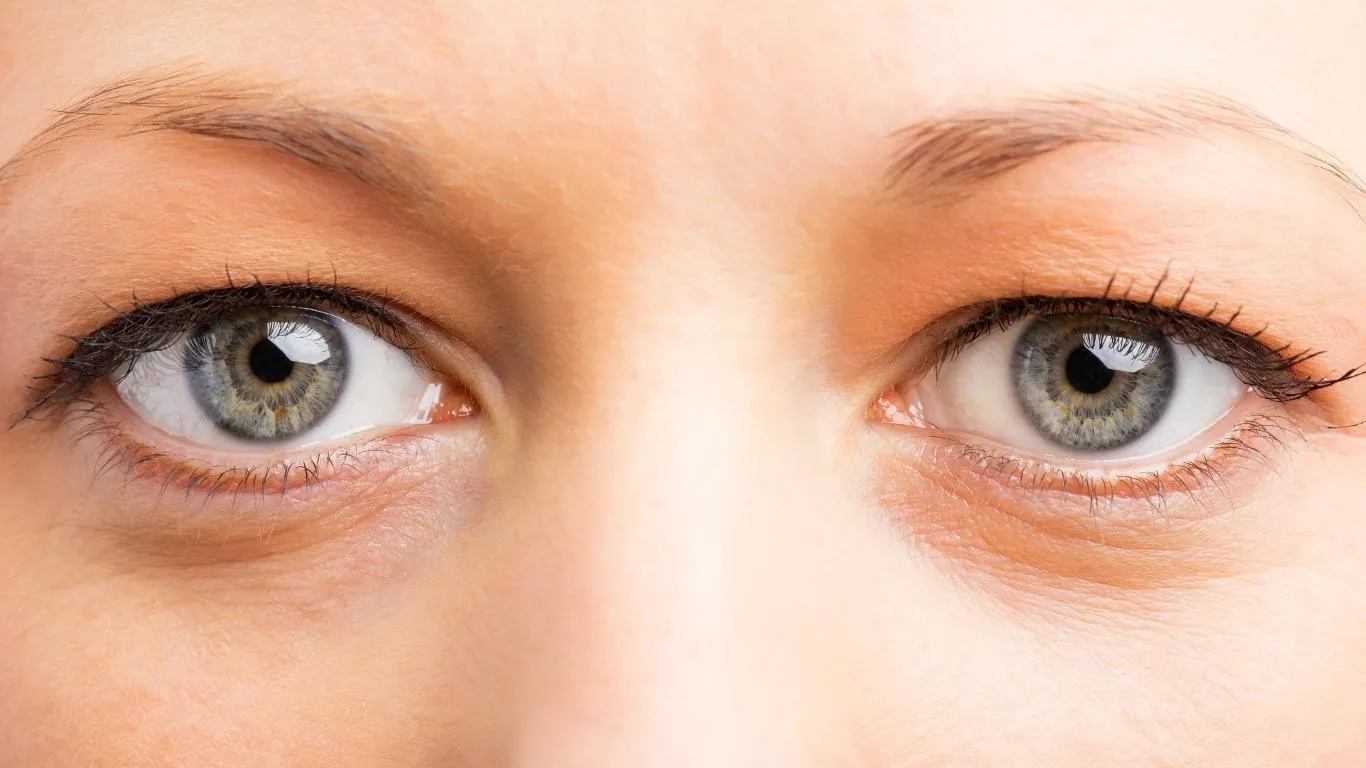
Eye floaters are those tiny spots, strings, or cobweb-like shapes that drift in and out of your vision, especially noticeable when you’re looking at a bright surface, like a clear sky or a white wall. They’re bits of collagen that clump together inside the vitreous humor—the gel-like substance that fills your eye.
Now, most floaters are harmless and come with age, but when they coincide with certain experiences like déjà vu, they can catch you off guard. It’s not just a coincidence; it’s often a sign of how sensitive our visual system is to neurological triggers.
For a deeper dive into common causes, this guide on floaters from aging to injuries explains a lot.
The Curious Link Between Déjà Vu and Floaters
Déjà vu is that eerie sensation where a moment feels oddly familiar, as if you’ve lived it before. While it’s generally harmless, it’s a brain glitch—a momentary hiccup in memory processing. But here’s the kicker: that same neurological flicker can mess with your visual perception, making floaters more noticeable right after a déjà vu episode.
It’s something I personally experienced more times than I care to admit. You’re sitting there, feeling like time just looped, and suddenly, those annoying floaters decide to make an entrance. Some experts believe it’s due to how déjà vu activates certain areas of the brain that also influence visual attention, momentarily heightening awareness of imperfections like floaters floating around your eye.
According to the link between emotional triggers and floaters, our brain-eye connection is more intertwined than we think.
Could Floaters After Déjà Vu Be a Warning Sign?

Most of the time, floaters are benign, but if you’re suddenly seeing a flurry of them after déjà vu—or if they’re accompanied by flashes of light or a shadow in your peripheral vision—it might signal something more serious, like a retinal tear or detachment. While rare, it’s not something to ignore.
- Sudden increase in floaters
- Bright flashes of light
- A curtain-like shadow over your vision
These are all red flags that deserve immediate attention from an eye specialist. There’s an excellent resource about floaters being a prelude to retinal tears that breaks this down further.
Common Triggers That Make Floaters Worse During Déjà Vu Moments
Déjà vu isn’t necessarily causing floaters, but it can make you more aware of them. Several factors amplify floaters during these déjà vu moments:
- Bright Lighting Conditions: Glare or sudden light exposure can make floaters pop out more clearly against the background.
- Eye Fatigue: Long screen sessions or visual strain primes your eyes to notice floaters when déjà vu kicks in.
- Dehydration: Dry eyes and insufficient fluid balance in the body can worsen floaters. Learn more about how dehydration impacts floaters here.
Honestly, after binge-watching a series late at night, my déjà vu episodes became more frequent, and with them, the floaters felt more intrusive. Staying hydrated and giving your eyes a break can do wonders.
When to Be Concerned About Floaters After Déjà Vu
While floaters are usually no big deal, certain symptoms post-déjà vu shouldn’t be dismissed:
- Persistent and rapid increase in floaters
- Accompanying headaches or visual distortions
- Floaters that follow head movements unusually fast
If any of these hit close to home, it’s worth scheduling an eye check-up. You can also check out this helpful piece on when floaters might signal a more serious condition.
Managing Floaters Naturally: Does It Really Work?
Let’s be honest—floaters can be annoying, and while surgery exists, most doctors recommend observation unless they seriously impair vision. That said, there are natural ways people try to minimize their impact:
- Eye Exercises: Gentle eye movement routines help shift floaters out of your central vision temporarily.
- Hydration & Diet: Staying hydrated and consuming antioxidants can support overall eye health.
- Proper Lighting: Using diffused lighting reduces the contrast that makes floaters more noticeable.
There’s a good read on natural remedies for managing floaters, but fair warning—not all methods have scientific backing. Personal experience? Eye exercises helped me during work hours, but nothing beats staying hydrated.
For a comprehensive look at treatment options, you should explore this main guide to eye floaters and treatments.
Medical Treatments: What Really Works for Persistent Floaters?

If you’re anything like me, after experiencing floaters during déjà vu episodes, you probably Googled “how to get rid of floaters for good.” The truth? There’s no magical fix, but medical interventions do exist for severe cases.
Two primary procedures are commonly recommended:
- Laser Vitreolysis: A laser is used to break down larger floaters, making them less noticeable. It’s non-invasive but doesn’t guarantee complete floater removal.
- Vitrectomy: A surgical procedure where the vitreous gel (along with floaters) is removed and replaced with a saline solution. Effective, but it carries risks like retinal detachment.
Before considering these options, it’s vital to consult an experienced ophthalmologist. More details on floater treatment options can help you weigh the pros and cons.
Everyday Habits That Can Reduce Floater Discomfort
After my “déjà vu with floaters” episodes became frequent, I made small changes to my daily routine, and honestly, they helped more than I expected. Here’s what worked for me:
- Limiting Screen Time: Taking a 20-second break every 20 minutes to look at something 20 feet away (the 20-20-20 rule) made a noticeable difference.
- Eye-Healthy Diet: Foods rich in lutein, omega-3s, and Vitamin C—think leafy greens, fish, and citrus—supported my eye clarity.
- Proper Lighting Setup: Working in soft, indirect light reduced the contrast that makes floaters stand out.
Also, staying hydrated was a game-changer. Check out this detailed post on lifestyle changes that improve floater discomfort.
Stress and Anxiety: The Silent Culprits Behind Floater Awareness
Let’s be real—our minds and eyes are deeply connected. I noticed my floaters became more intrusive during stressful weeks, especially after déjà vu episodes. Anxiety heightens sensory awareness, which makes floaters harder to ignore.
Practicing mindfulness helped me. Simple breathing exercises during tense moments reduced my hyper-focus on visual imperfections. There’s also a useful article on how anxiety episodes amplify floaters.
It’s not just anecdotal; research from American Academy of Ophthalmology (AAO) suggests stress can influence visual perception, making benign floaters feel more overwhelming.
Can Déjà Vu-Induced Floaters Be Prevented?
While you can’t exactly “prevent” déjà vu—it’s a quirky brain thing—what you can do is minimize floater visibility when it happens. Here are practical steps I’ve incorporated:
- Maintain Optimal Hydration: I now keep a water bottle at arm’s reach during work to avoid dry eyes.
- Wear Anti-Reflective Glasses: Reduces glare from screens and bright lights, making floaters less prominent during déjà vu episodes.
- Manage Blood Sugar Levels: Fluctuations can influence vitreous clarity. Balanced meals made a subtle but real difference for me.
There’s an in-depth discussion on stress and floaters that’s worth reading if you’re looking for preventive strategies.
When Should You See a Doctor?
Floaters after déjà vu are typically harmless, but there are definite situations where professional help is needed:
- Sudden onset of a large number of floaters
- Accompanying light flashes or loss of peripheral vision
- Persistent discomfort affecting daily life
I had one episode where floaters seemed denser than usual, and that prompted me to visit my optometrist. Thankfully, it was benign, but it reinforced the importance of not ignoring visual changes. Refer to this guide on warning signs to know when to act fast.
Eye Floaters vs Other Visual Disturbances: Don’t Get Confused
It’s easy to confuse floaters with other visual phenomena, especially during déjà vu moments. One common mix-up is mistaking floaters for migraine aura—those zig-zagging lights or shimmering lines. Another is flashes caused by retinal issues, which feel like a camera flash in your vision.
Floaters tend to drift slowly and move with your eye, while auras and flashes behave differently. Understanding these differences can ease anxiety and help you respond appropriately. This detailed comparison between floaters and other eye issues can clear things up.
For comprehensive information on causes, symptoms, and advanced treatments, you can visit the main floater article here.

Camellia Wulansari is a dedicated Medical Assistant at a local clinic and a passionate health writer at Healthusias.com. With years of hands-on experience in patient care and a deep interest in preventive medicine, she bridges the gap between clinical knowledge and accessible health information. Camellia specializes in writing about digestive health, chronic conditions like GERD and hypertension, respiratory issues, and autoimmune diseases, aiming to empower readers with practical, easy-to-understand insights. When she’s not assisting patients or writing, you’ll find her enjoying quiet mornings with coffee and a medical journal in hand—or jamming to her favorite metal band, Lamb of God.