Why Floaters When Stepping Into Warm Spaces Suddenly Become So Noticeable
Ever noticed those squiggly little shapes dancing across your vision when you walk into a warm room? It’s not just you. As someone who’s been battling with these floating nuisances for years, I can tell you—floaters when stepping into warm spaces are a real thing. Whether it’s walking into a cozy café in winter or stepping out of air conditioning into a humid hallway, those tiny specks or threads suddenly come alive in your sight. But why does this happen? And more importantly, should we be concerned?
Why Do Eye Floaters Get Worse in Warm Environments?
Temperature shifts can affect your vision in subtle ways. The vitreous humor—the gel-like substance filling your eyeball—is sensitive to temperature. When you step into a warmer area, it slightly expands and alters its consistency, making existing floaters more noticeable.
I first noticed this while transitioning from my cold office into the building’s sunlit atrium. Suddenly, my field of vision was littered with floaters that weren’t there moments before. Turns out, it wasn’t my imagination.
The Science Behind Temperature-Induced Floaters
Warmth doesn’t create new floaters, but it can magnify existing ones. The sudden warmth can cause:
- Vitreous expansion – leading to increased floater mobility
- Changes in light refraction – bright, warm-lit areas amplify floater shadows
- Eye fatigue – warm, dry air contributes to eye strain, making floaters more visible
According to the National Eye Institute, age-related vitreous syneresis is the leading cause of floaters, but environmental triggers like temperature and lighting can exaggerate their appearance.
Is It Normal to See Floaters When Entering a Warm Room?
The short answer is: mostly yes. Eye floaters are common and often harmless. However, noticing a sudden burst of floaters or flashes could indicate a more serious condition, like posterior vitreous detachment (PVD) or retinal tear.
I always pay extra attention after noticing floaters intensifying in warm spaces. Once, after a sauna session, I experienced a sudden ‘shower’ of floaters. This led me to dig deeper and learn about potential warning signs like those covered in this detailed guide on floaters before retinal tears.
When Should You Be Concerned?
- If you see a sudden spike in floaters
- Accompanied by light flashes
- A shadow or curtain effect over your vision
If you tick any of these boxes, it’s time to consult an ophthalmologist immediately. For many of us though, the floaters are simply a side effect of stepping into different light and temperature zones.
Managing Floaters in Warm Indoor Environments
While you can’t eliminate floaters without medical intervention, you can minimize how much they disrupt your daily activities. Here’s what’s worked for me:
1. Adjusting Indoor Lighting
Warm ambient lighting tends to make floaters more pronounced. Soft diffused lights, avoiding direct overhead spots, help reduce their visual impact. Surprisingly, installing dimmable lights in my home made a huge difference.
2. Maintain Eye Hydration
Dry eyes amplify floater visibility. Use preservative-free lubricating eye drops, especially in heated indoor settings. This simple step can make a big difference when you step from cold to warm environments.
3. Give Your Eyes a Break
Staring at screens intensifies floater distractions. I started following the 20-20-20 rule (every 20 minutes, look 20 feet away for 20 seconds). It helps refocus and reduces eye strain, making floaters less noticeable after walking into warm rooms.
Could Underlying Conditions Be Making Your Floaters Worse?
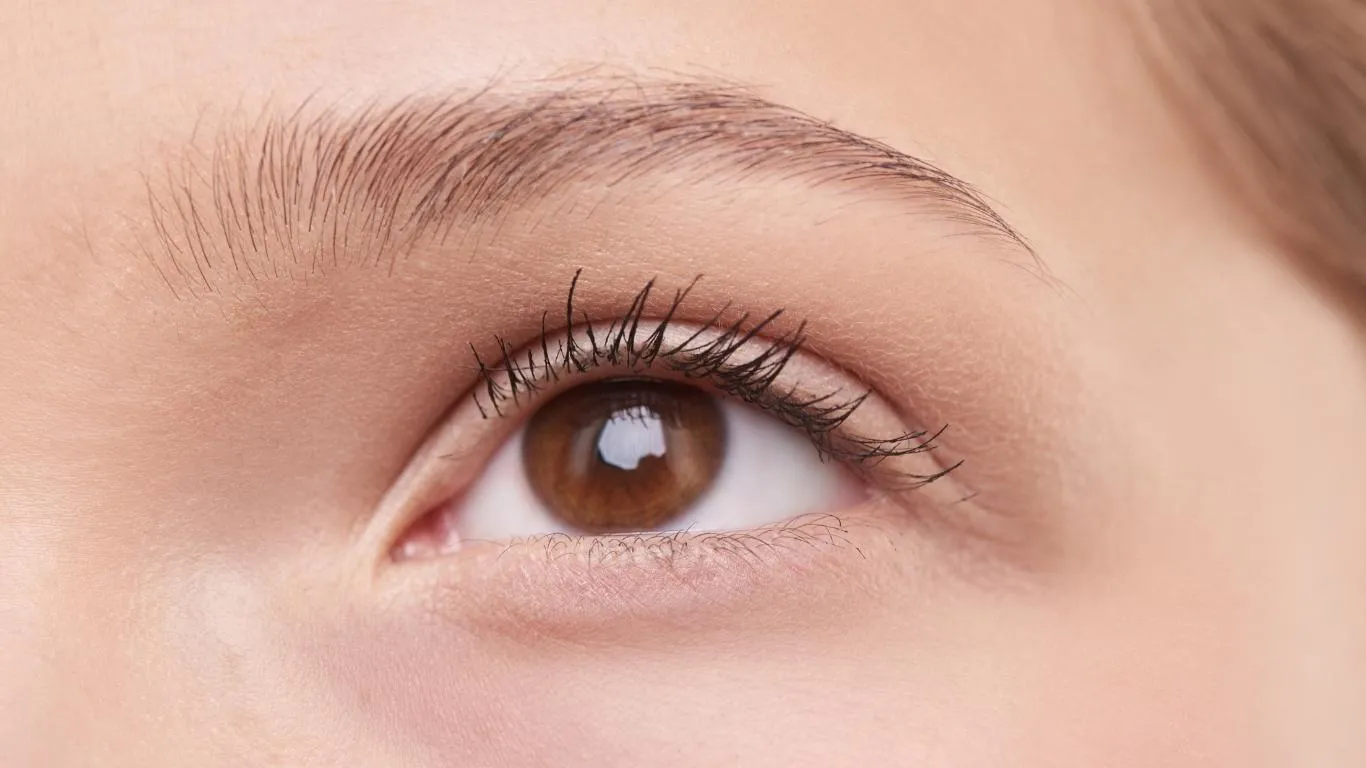
While warmth itself isn’t a direct cause of floaters, it can highlight underlying issues. For example, conditions like diabetic retinopathy and high myopia make individuals more prone to persistent floaters. If floaters become more intrusive, it’s worth exploring whether there’s an underlying cause.
Additionally, I’ve found that floaters can sometimes worsen after dehydration episodes. I’ve read a fascinating piece on how dehydration impacts floaters here. Staying hydrated isn’t just about quenching thirst—it’s critical for vitreous health.
Get Informed: Eye Floater Awareness Matters
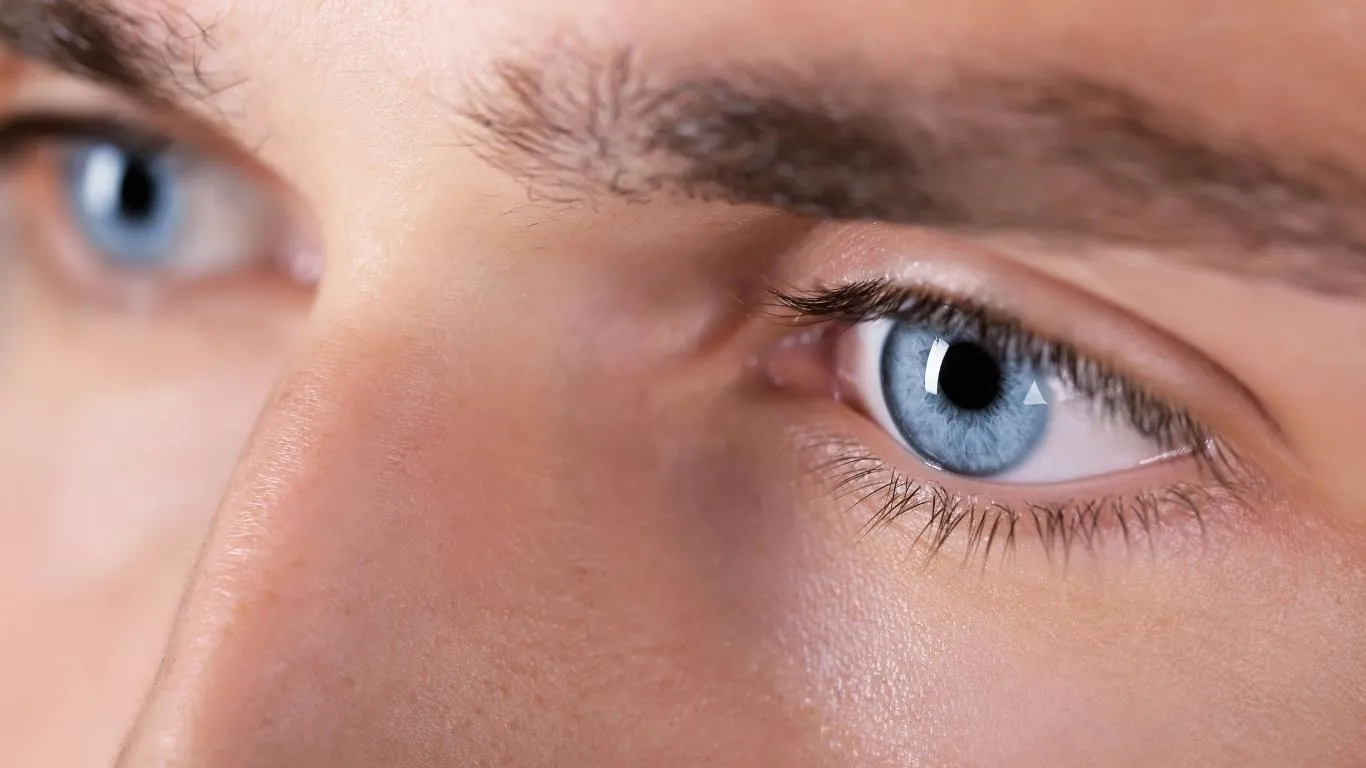
If you’re someone who frequently notices floaters getting worse in warm rooms, you’re not alone. The more we understand about how environmental factors like warmth and humidity affect our eyes, the better we can manage them. For a more comprehensive understanding of floater symptoms, I’d highly recommend reading this article on floater symptoms you shouldn’t ignore.
For an in-depth breakdown of floaters—causes, symptoms, treatments—make sure to check out our main resource on eye floaters causes and treatments.
Are Floaters When Stepping into Warm Spaces a Sign of Eye Aging?
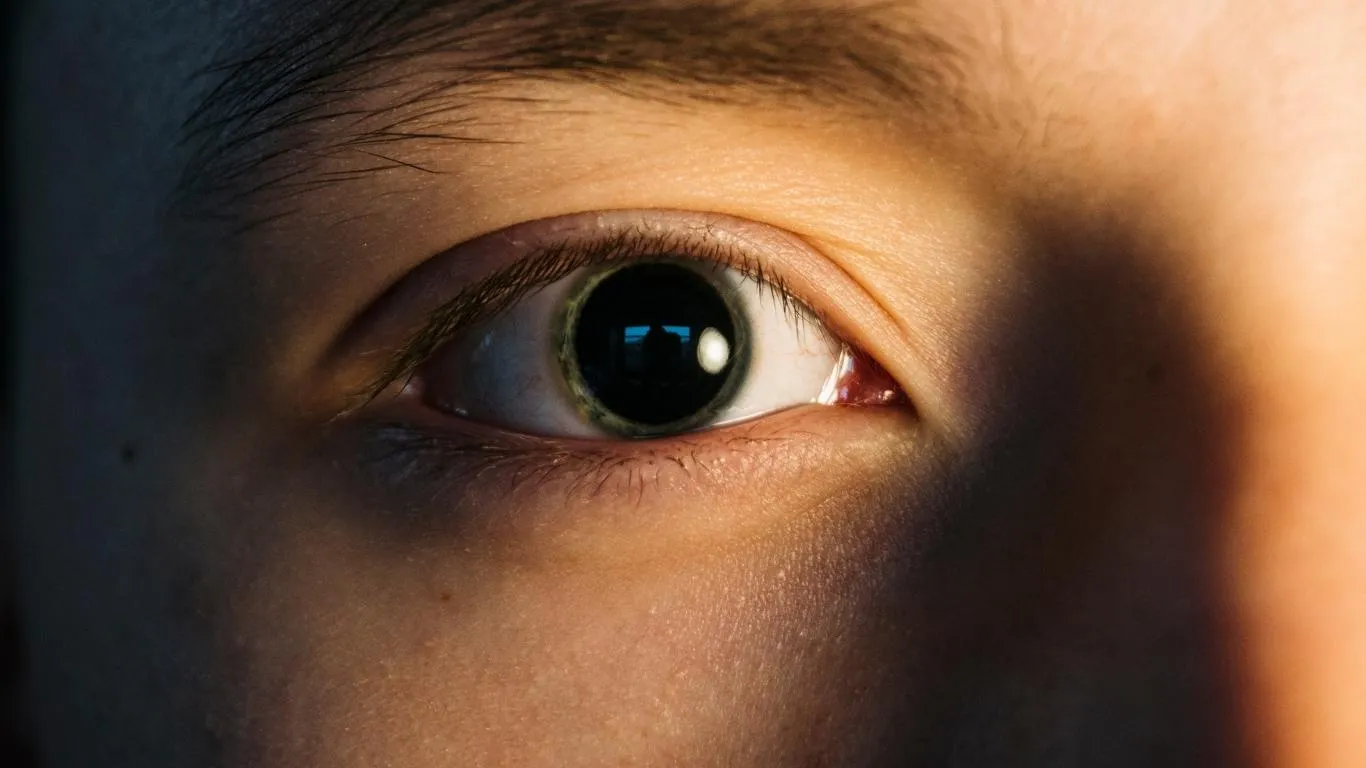
This was the question that kept bugging me when I hit my late 30s. I mean, is this just another one of those “you’re getting older” things? Turns out, to some extent, yes. As we age, the vitreous humor in our eyes naturally begins to shrink and liquefy, causing microscopic fibers to clump together. This process—called vitreous syneresis—makes floaters more common and noticeable, especially when environmental triggers like warmth come into play.
According to American Academy of Ophthalmology, over two-thirds of people over 40 experience floaters. So if you’re in that demographic, floaters when entering warm rooms aren’t a freak occurrence—they’re a shared experience.
How Warm Spaces Expose Age-Related Changes in the Eye
Warm air tends to be drier, and combined with the visual contrast of indoor lighting, it becomes a perfect storm for floater visibility. Think of it like dust particles floating in a sunbeam—without the right light angle, you might never notice them. The same principle applies to floaters in your vitreous.
- Age-related vitreous detachment is accelerated by dehydration
- Warm, dry environments amplify shadows cast by floaters
- Slower eye fluid circulation in older adults increases floater persistence
These factors are detailed thoroughly in this article discussing floaters in older adults.
Can Lifestyle Habits Make Floaters Worse in Warm Spaces?
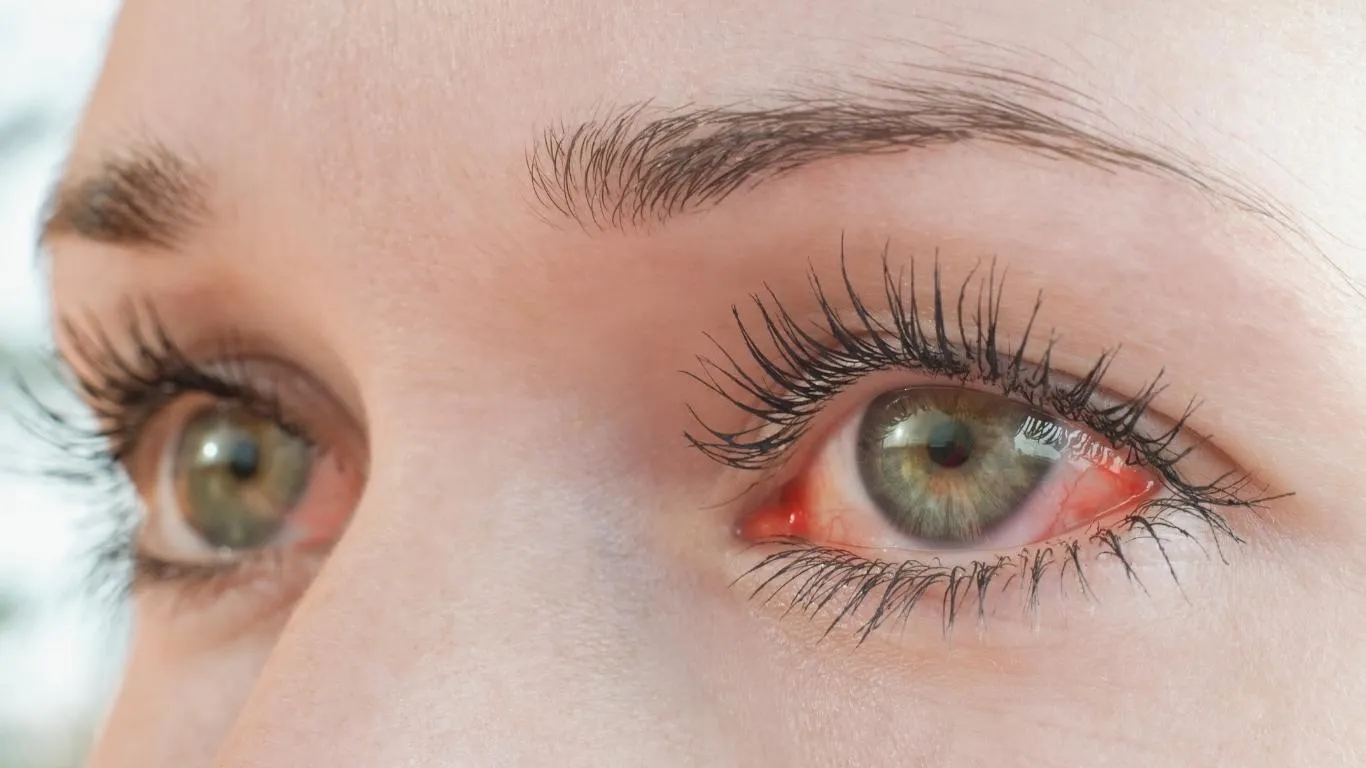
Absolutely. I didn’t believe it until I started noticing a pattern—after long stretches of screen time or poor hydration, my floaters became more aggressive, especially when moving into a warm indoor setting. Here are common habits that might be making things worse:
- Prolonged screen exposure—dryness and eye strain make floaters stand out
- Poor hydration—vitreous gel needs hydration to maintain consistency
- Inadequate sleep—eye fatigue exacerbates floater visibility in bright warm environments
Interestingly, stress can also increase the perception of floaters. If you’ve ever had floaters pop up during high-stress moments, you’re not imagining it. This deep dive on stress and floaters was eye-opening for me.
Practical Strategies to Cope with Floaters Indoors
So what can you realistically do? Over the years, I’ve developed a few practical hacks to reduce the impact of floaters when stepping into warm rooms:
1. Mind Your Hydration
Always carry a water bottle, especially in environments with central heating or dry indoor air. Simple but effective. Also, minimizing caffeine (hard, I know) has helped my floaters become less intrusive.
2. Upgrade Your Eyewear
Blue light filter glasses can surprisingly reduce the contrast that makes floaters stand out against digital screens or bright warm backgrounds. I didn’t expect them to help, but after using them during winter months, the improvement was real.
3. Be Strategic with Indoor Layouts
Reposition your workspace or favorite reading spots to avoid direct overhead lights. Indirect lighting or lamps with soft shades create less stark contrasts, making floaters less annoying.
4. Blink More Often (Sounds Silly, But Works)
When stepping from a cold to a warm room, make a conscious effort to blink slowly and frequently for a minute. This helps distribute tears evenly across your eyes and can “reset” how pronounced floaters appear.
When Environmental Floaters Signal Something More Serious
Though most floaters when stepping into warm spaces are benign, sudden onset of new floaters or changes in their behavior should not be ignored. If you experience a sudden shower of floaters, flashes of light, or a shadow creeping into your peripheral vision, it could signal retinal detachment—a medical emergency.
There’s a great article about differentiating harmless floaters from more alarming symptoms right here. I found it extremely helpful to understand when it’s time to act fast.
Exploring Treatment Options—What Actually Works?

If floaters begin to interfere significantly with your daily life, there are treatment options available. While invasive solutions like vitrectomy exist, they come with risks and are often reserved for severe cases. Less invasive options include:
- YAG Laser Vitreolysis – laser breaks up large floaters into smaller, less noticeable fragments
- Floaters Eye Drops – while results are mixed, some find relief with specialized eye lubricants
Personally, I’m still skeptical about floaters-specific eye drops, but I’ve seen some positive anecdotal reports. For a full breakdown of current floater treatment options, this resource is comprehensive: Eye Floater Treatments from Observation to Surgery.
Building Long-Term Eye Floaters Resilience
Managing floaters isn’t just about reacting when they show up; it’s about building resilience. Regular eye exercises, balanced nutrition, and proper screen ergonomics play a huge role. Incorporating foods rich in lutein and omega-3s has been a game-changer for me. I also follow a few simple visual tracking exercises that, over time, have made my brain better at “tuning out” floaters.
If you’re eager to dive deeper into managing floaters naturally, this article on natural remedies for floaters offers a balanced perspective.
For a detailed guide covering everything from causes, symptoms to long-term management strategies, I highly recommend visiting the main pillar resource: Eye Floaters: Causes, Symptoms, and Treatments.

Camellia Wulansari is a dedicated Medical Assistant at a local clinic and a passionate health writer at Healthusias.com. With years of hands-on experience in patient care and a deep interest in preventive medicine, she bridges the gap between clinical knowledge and accessible health information. Camellia specializes in writing about digestive health, chronic conditions like GERD and hypertension, respiratory issues, and autoimmune diseases, aiming to empower readers with practical, easy-to-understand insights. When she’s not assisting patients or writing, you’ll find her enjoying quiet mornings with coffee and a medical journal in hand—or jamming to her favorite metal band, Lamb of God.