Why Floaters Appear While Listening To Chimes And How To Ease Them
Last weekend, I was soaking in one of those quiet, zen moments—lying back in my favorite chair with soft chime music playing in the background. As the gentle bells filled the room, I noticed something odd. Tiny specks and squiggly strands were dancing across my vision, almost syncing with the chime’s rhythm. Eye floaters. Again. If you’ve ever experienced floaters while listening to chimes or bells, you’re not alone. It’s a surprisingly common phenomenon, and today, we’re going to dig into why this happens, what it really means, and when you should be paying more attention.
What Are Eye Floaters, Really?
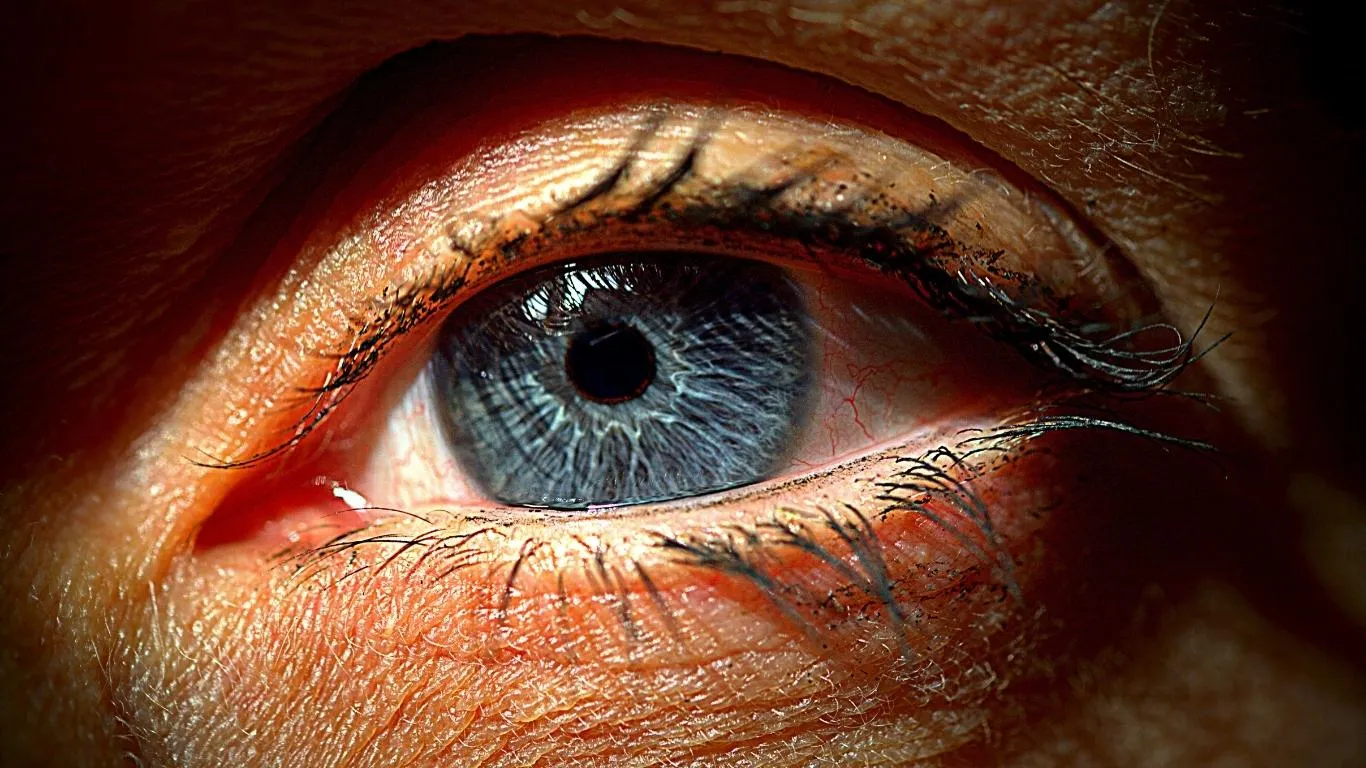
Most people describe floaters as small shadows, squiggly lines, or transparent blobs that drift aimlessly across their field of vision. They’re especially noticeable when you’re looking at a bright, plain background—like a clear sky or, in my case, a softly-lit room with chimes echoing in the air.
Floaters are actually tiny clumps of collagen inside the vitreous, the gel-like substance that fills your eyeball. As you age, this gel begins to liquefy and pull away from the retina, casting shadows that you perceive as floaters. It’s a natural part of aging, but the context in which they appear—like when you’re immersed in bell sounds—can be both fascinating and concerning.
For a deeper dive into the science of eye floaters, you might want to explore Healthusias’ comprehensive guide on causes, symptoms, and treatments.
Why Floaters Become More Noticeable with Chimes and Bells
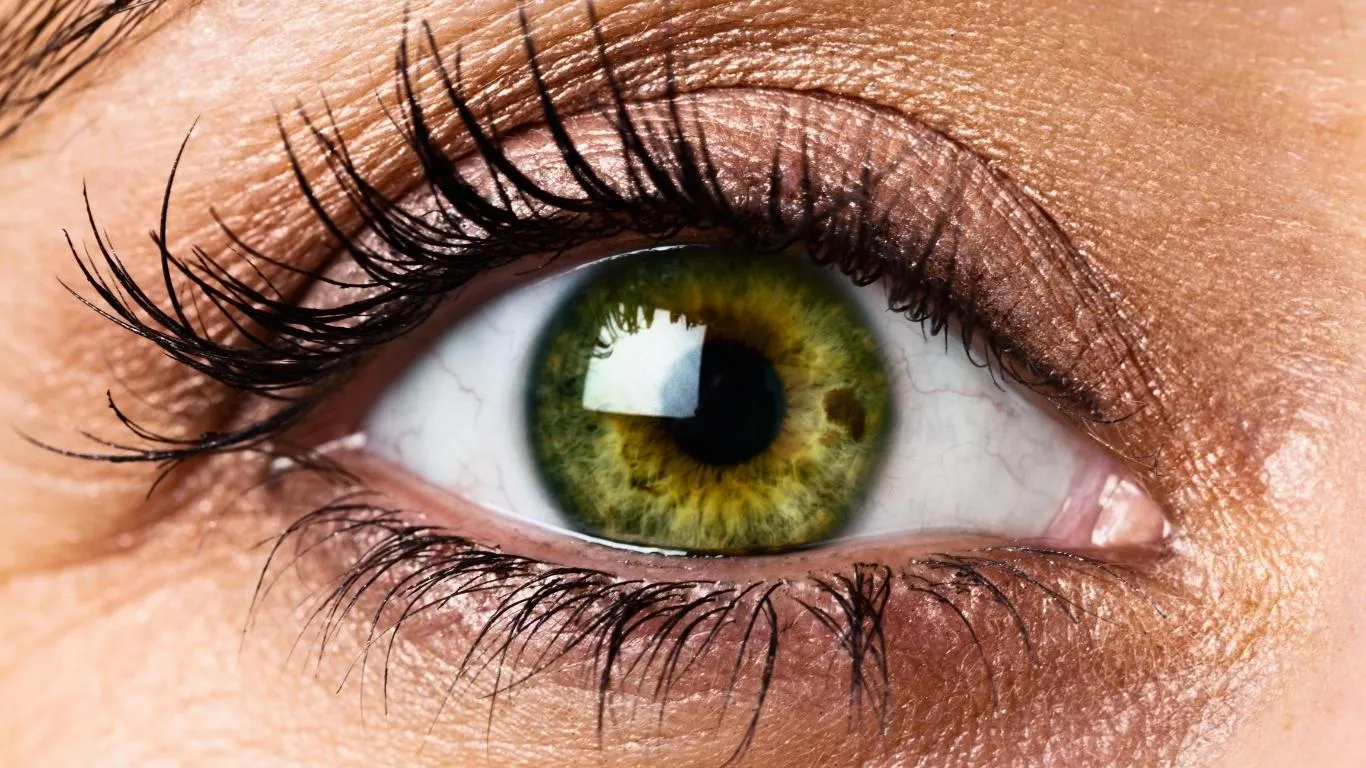
You might be wondering, “Why do floaters become so obvious when I’m relaxing with chimes or bells?” It boils down to a few sensory interactions:
- Focused Visual Attention: When listening to gentle, repetitive sounds, our eyes often fixate on neutral backgrounds, making floaters more visible.
- Altered Pupil Dynamics: Relaxation reduces pupil constriction, changing how light enters your eye and increasing floater visibility.
- Sensory Synchronization: Though it’s purely coincidental, your brain sometimes “syncs” visual stimuli with rhythmic audio patterns like chimes, making floaters feel more dynamic.
Interestingly, a lot of people also notice floaters intensifying after long periods of meditation or deep relaxation sessions. I remember reading this article on floaters becoming more apparent during candle meditation—it resonated with me because the experience felt eerily similar to my chime moments.
Is It Normal, or Should You Be Concerned?
For most people, floaters are harmless and just a quirk of aging eyes. However, there are times when they could be a warning sign of something more serious. Here’s when to pick up the phone and call your eye doctor:
- You suddenly see a shower of floaters accompanied by flashes of light.
- There’s a dark curtain or shadow moving across your vision.
- Floaters appear after head trauma or sudden vision loss.
These could indicate a retinal tear or detachment, both of which require immediate attention. I stumbled upon a thorough piece discussing why floaters before a retinal tear shouldn’t be ignored—it’s a must-read if you’re worried about sudden floater appearances.
Common Misconceptions About Floaters and Sound Sensitivity
One myth I often hear is that sound waves from bells or chimes cause floaters to “move” inside the eye. Scientifically, that’s not how it works. Sound doesn’t have any direct impact on the vitreous gel. However, your perception of floaters can change because your brain becomes hyper-focused on subtle visual cues when you’re deeply relaxed.
Another misconception is that floaters are exclusive to older adults. While age is a factor, younger individuals with high myopia or after certain surgeries can also experience them. For instance, floaters after LASIK are more common than people realize. If that’s you, here’s a solid article on why floaters post-LASIK can linger.
Everyday Habits That Might Be Making Your Floaters More Noticeable
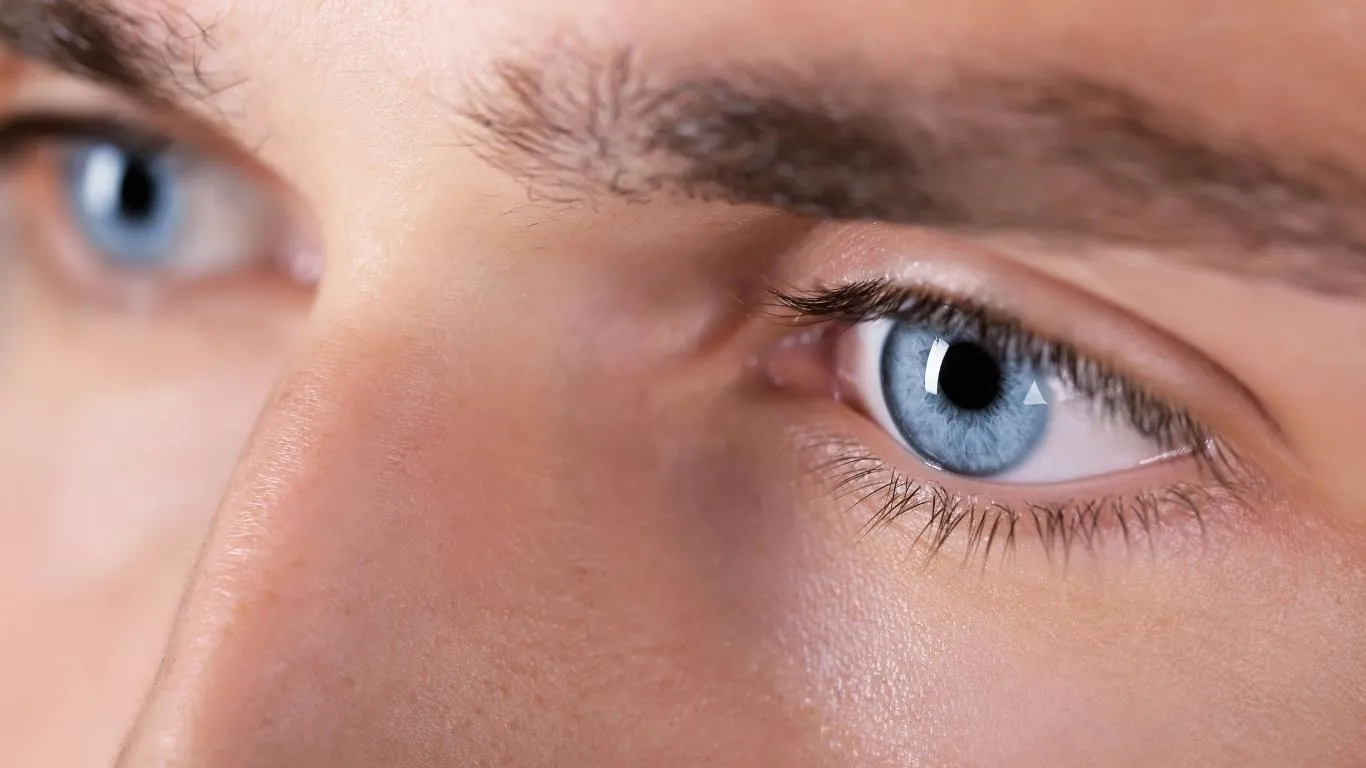
There are certain daily habits that could be enhancing your floater experience during quiet moments. I’ve personally noticed that on days when I’m dehydrated, the floaters seem more intense during my relaxation sessions.
- Dehydration: Lack of fluids can cause the vitreous to shrink, making floaters more prominent. Here’s what you should know about dehydration and floaters.
- Extended Screen Time: Digital eye strain can amplify floater visibility when you finally take a break and unwind with chimes or soft bell tones. Learn more about screen time’s impact on floaters.
- High Stress Levels: Stress doesn’t just affect your mind. It can heighten your awareness of minor visual disturbances like floaters. Here’s an insightful read on how stress makes floaters more noticeable.
Understanding the Fine Line Between Benign Floaters and Serious Eye Issues
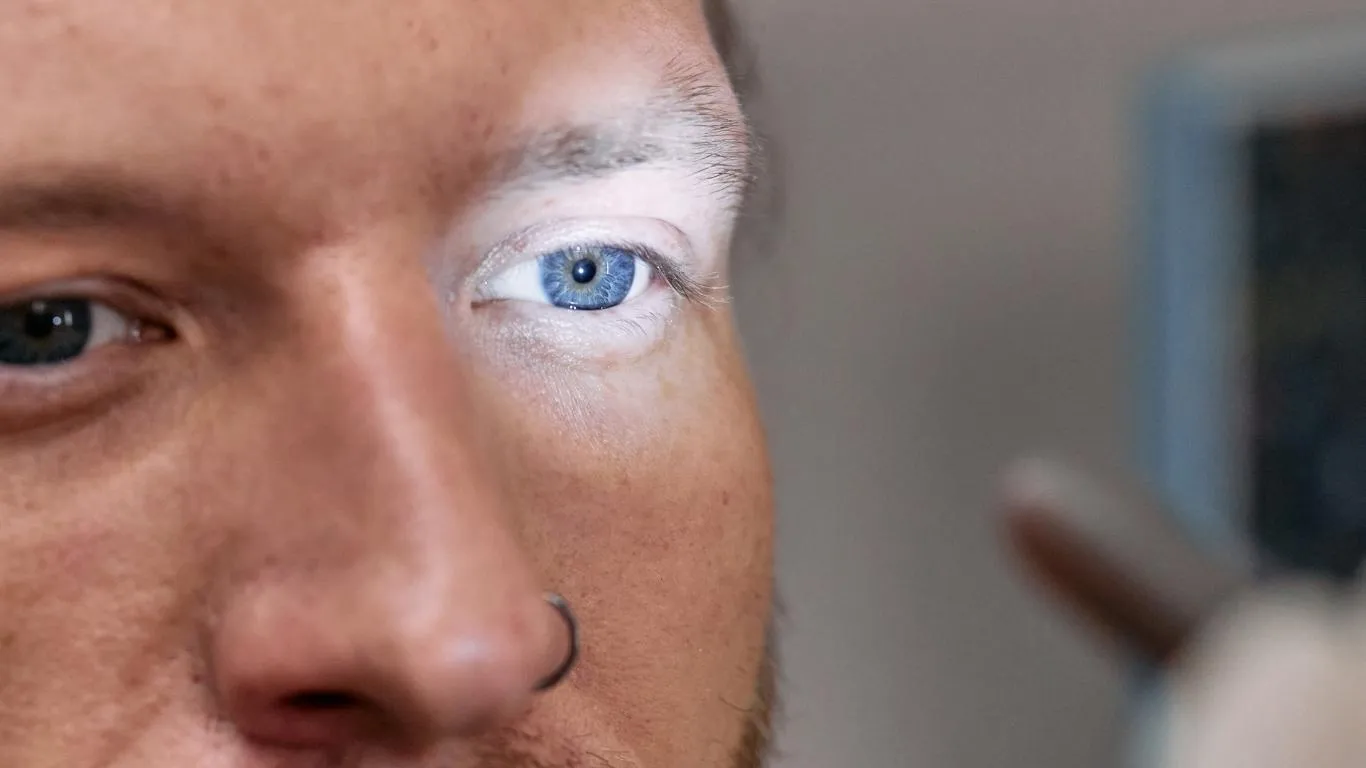
While most floaters are benign, you shouldn’t dismiss sudden changes. Floaters accompanied by eye discharge, flashes, or visual field loss could be a red flag. I always refer friends to this comprehensive guide on when eye floaters become a serious warning sign. It covers a range of scenarios that go beyond casual annoyance.
For a full overview of floaters, including in-depth causes and how they relate to overall eye health, I recommend checking Healthusias’ main article on common causes of eye floaters.
Managing Floaters When You’re Trying to Relax
One thing I’ve learned over the years is that floaters don’t have to ruin your quiet moments. Whether you’re unwinding with wind chimes, Tibetan bells, or nature sounds, there are a few simple tricks to make them less bothersome. It’s not about making them disappear (unfortunately, they often don’t), but more about learning how to shift your focus away from them.
- Shift Your Gaze Strategically: When floaters drift into the center of your vision, try moving your eyes gently up and down. This can shift the floaters to a less noticeable part of your visual field.
- Improve Lighting Conditions: Harsh lighting can make floaters stand out. Try dimming the lights or using diffused light sources while enjoying your chime sessions. I noticed a huge difference when I swapped out my overhead LEDs for a soft floor lamp.
- Incorporate Soft Focus Techniques: Focusing beyond floaters rather than on them helps reduce their visual prominence. It’s like training your brain to “ignore” them over time.
If you’re dealing with stress-induced floaters, you might find this article on stress relief strategies for floaters quite helpful.
Do Supplements and Diet Play a Role?
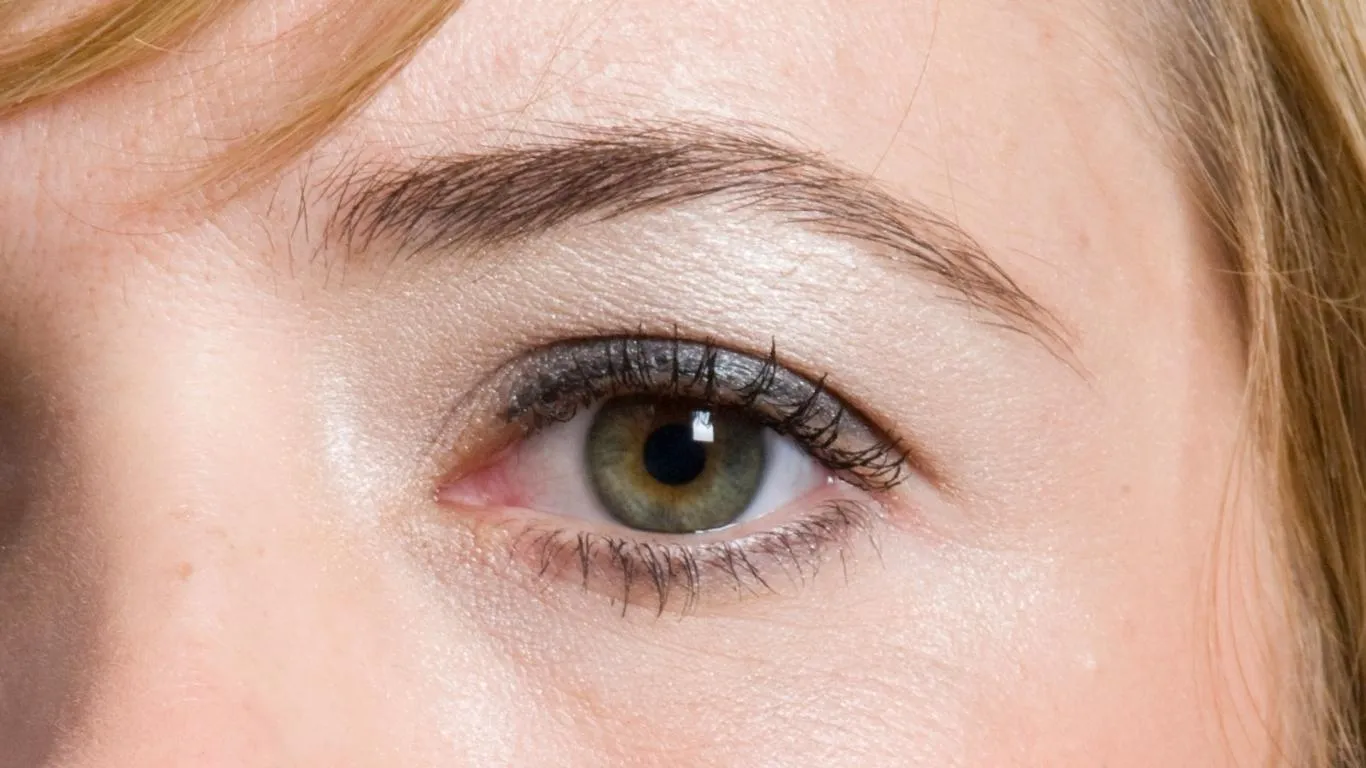
While there’s no magic pill that makes floaters vanish overnight, certain nutrients can support overall vitreous health. I started paying more attention to my diet after reading a few studies on antioxidant benefits for eye clarity. Over time, I noticed that a more balanced diet did seem to reduce the frequency of new floaters popping up.
Here are some nutrients worth considering:
- Lutein and Zeaxanthin: These antioxidants are known for supporting retinal health. Green leafy veggies like spinach and kale are excellent sources.
- Vitamin C: Not just good for your immune system, but also for maintaining healthy collagen structures in the eye. You might want to check out this article about Vitamin C’s impact on floaters.
- Omega-3 Fatty Acids: Essential for ocular lubrication and vitreous health. Fatty fish like salmon or even high-quality supplements can be beneficial. More on this in Healthusias’ guide on Omega-3 and floaters.
Medical Treatments: From Observation to Intervention
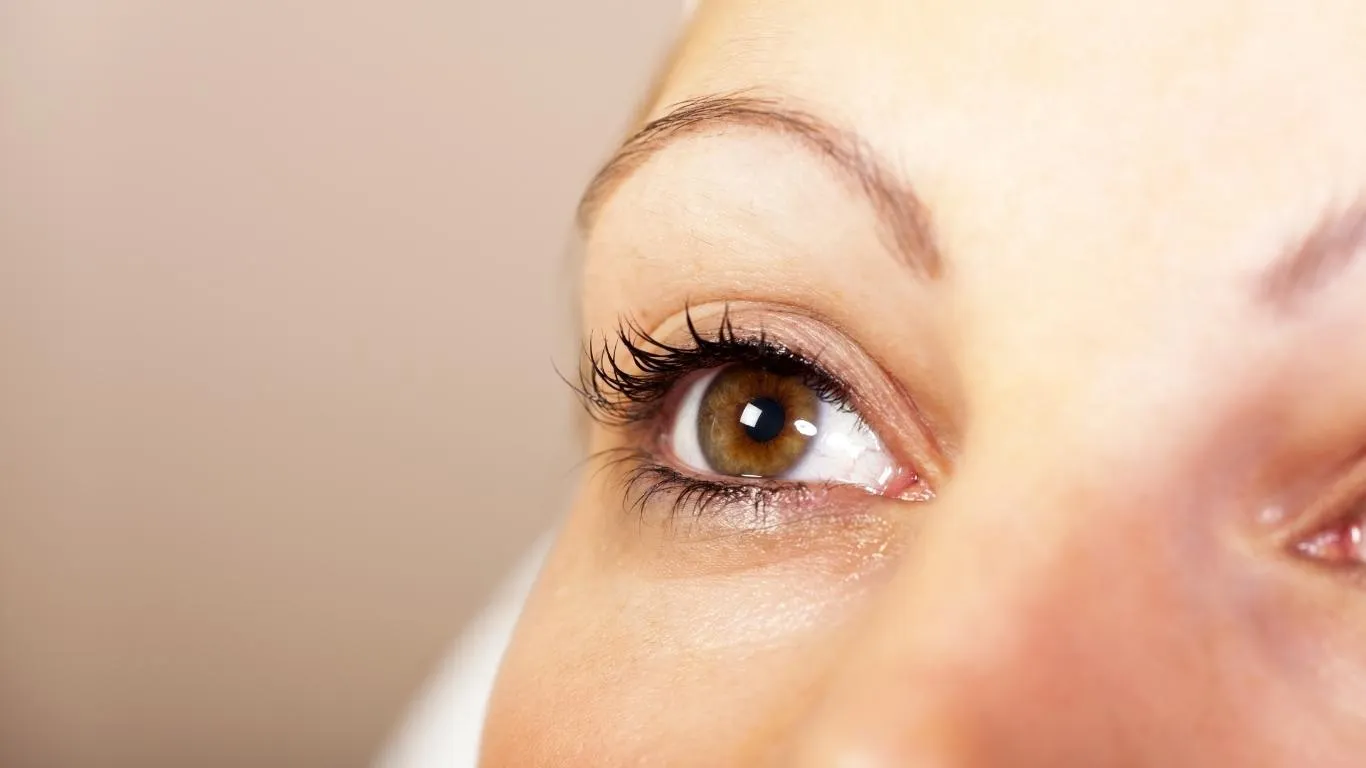
Most floaters are harmless and don’t need medical treatment, but persistent or severe cases might lead you to explore clinical interventions. I had a long chat with my ophthalmologist about possible options, and here’s what I learned:
- Observation: For the majority, no action is needed. Doctors often recommend simply monitoring changes over time.
- Laser Vitreolysis: A laser procedure aimed at breaking up floaters to make them less noticeable. It’s minimally invasive, but not always effective for all types of floaters.
- Vitrectomy: A more invasive surgical option where the vitreous gel is replaced with a saline solution. This is usually reserved for severe, vision-disrupting cases.
I found Healthusias’ detailed breakdown on eye floater treatments extremely useful when weighing my options.
Floaters That Don’t Behave “Normally”: When You Need Expert Advice
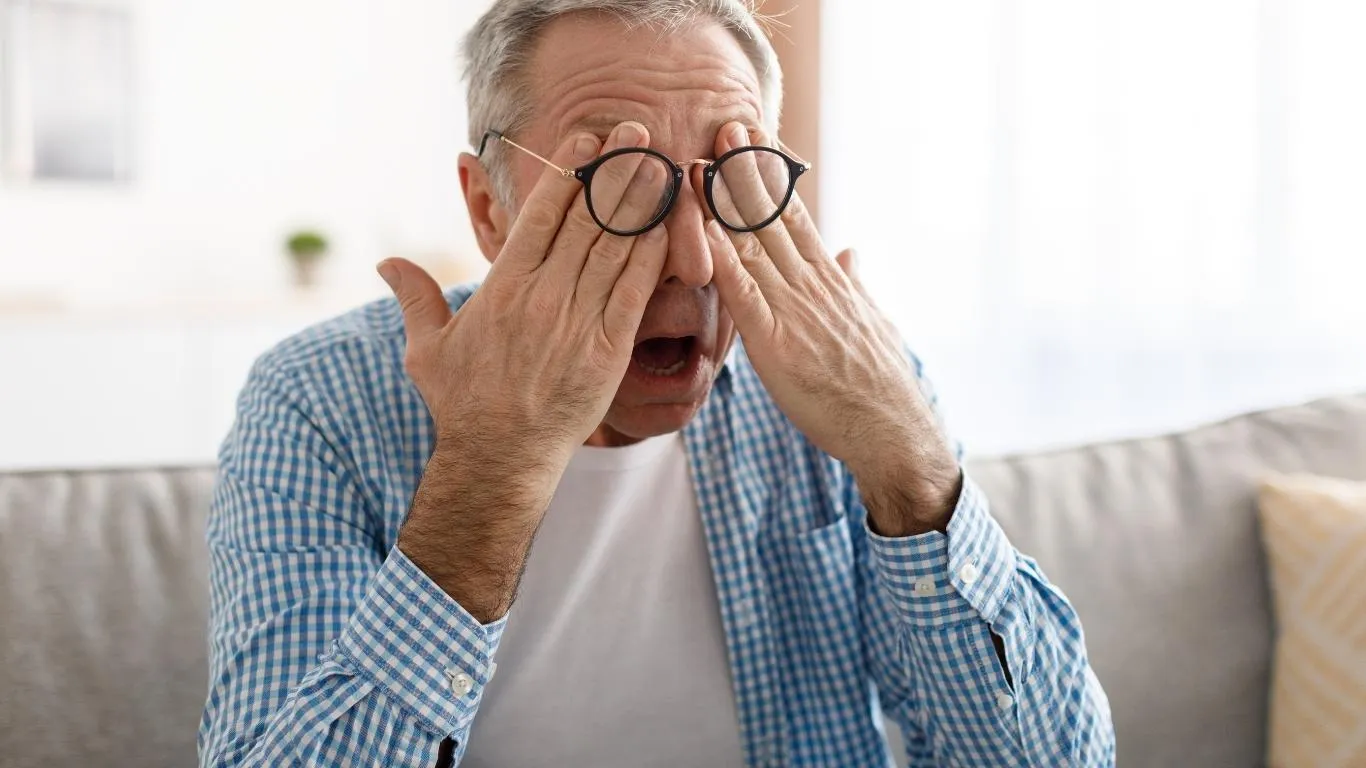
If you notice floaters that flicker, pulse with your heartbeat, or seem to cluster in certain parts of your vision, it’s time to consult a specialist. These could indicate underlying issues that go beyond the typical age-related changes. One article that really opened my eyes (pun intended) was about floaters that pulse with your heartbeat—something I personally experienced once and brushed off until my eye doctor flagged it as unusual.
It’s also crucial to pay attention if floaters appear after specific triggers like head trauma, sudden emotional stress, or certain medical treatments. There’s an in-depth article on floaters following blood pressure spikes that’s worth a read.
Protecting Your Vision: Simple Daily Habits That Help
One of the best pieces of advice my eye specialist gave me was to adopt daily habits that prioritize overall eye health. Here are some small but effective changes I’ve personally implemented:
- Hydrate Regularly: Keeping your body well-hydrated supports vitreous health and can reduce floater prominence.
- Follow the 20-20-20 Rule: Every 20 minutes, look at something 20 feet away for 20 seconds to reduce eye strain.
- Wear Proper Eyewear: Blue-light filtering glasses and sunglasses help reduce environmental triggers that highlight floaters.
If you’re curious about how digital habits affect your floaters, Healthusias has a solid article on the screen time-floaters connection.
When Floaters Are Linked to Other Health Conditions
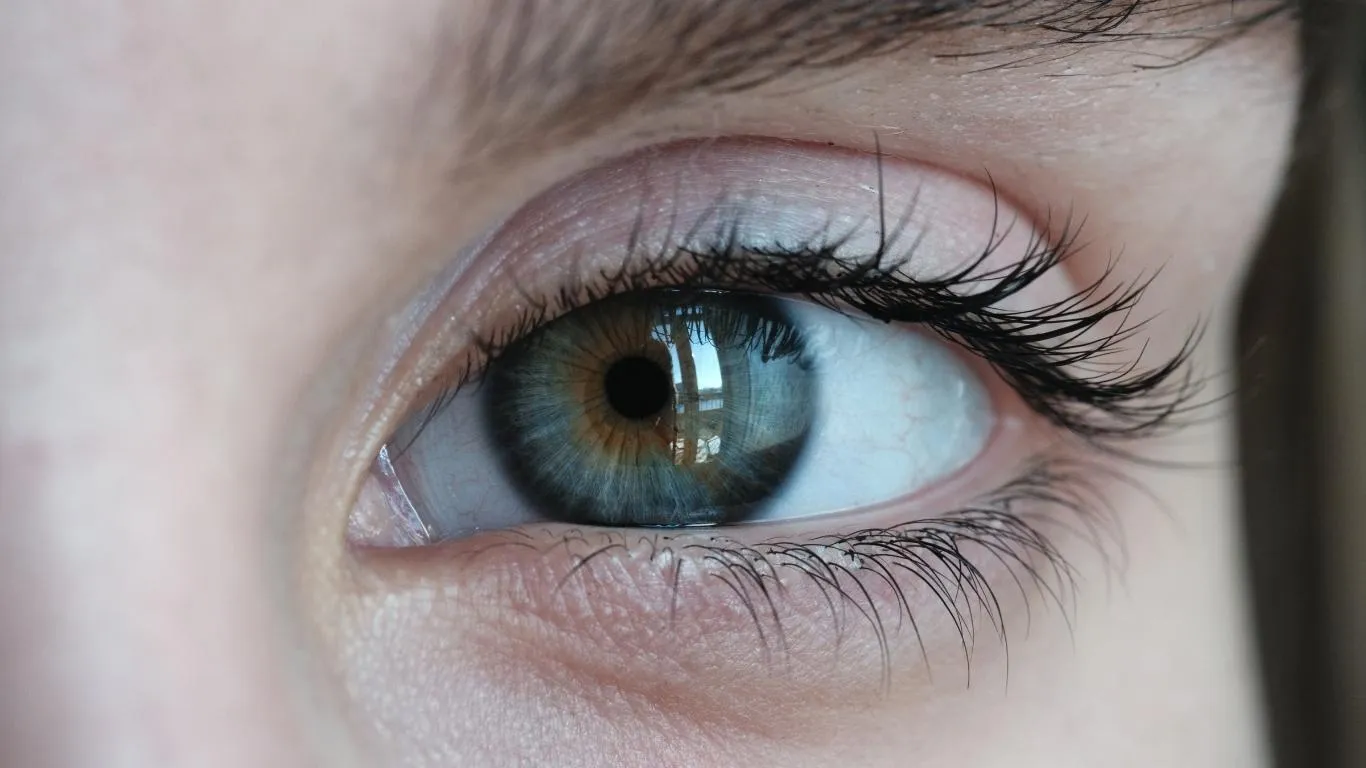
Floaters can sometimes be a subtle sign of broader systemic issues. For instance, autoimmune diseases, diabetes, or even certain infections can cause or exacerbate floaters. I once had a bout of sinus infections, and surprisingly, my floaters became much more noticeable during that period. Turns out, sinus infections can influence floater perception.
One lesser-known but critical link is how high blood pressure can lead to an increase in floaters. You might want to explore this detailed piece on high blood pressure and floaters to understand the connection better.
For a foundational resource, Healthusias’ main guide on eye floaters provides an excellent overview of how these visual disturbances tie into overall eye health.

Camellia Wulansari is a dedicated Medical Assistant at a local clinic and a passionate health writer at Healthusias.com. With years of hands-on experience in patient care and a deep interest in preventive medicine, she bridges the gap between clinical knowledge and accessible health information. Camellia specializes in writing about digestive health, chronic conditions like GERD and hypertension, respiratory issues, and autoimmune diseases, aiming to empower readers with practical, easy-to-understand insights. When she’s not assisting patients or writing, you’ll find her enjoying quiet mornings with coffee and a medical journal in hand—or jamming to her favorite metal band, Lamb of God.