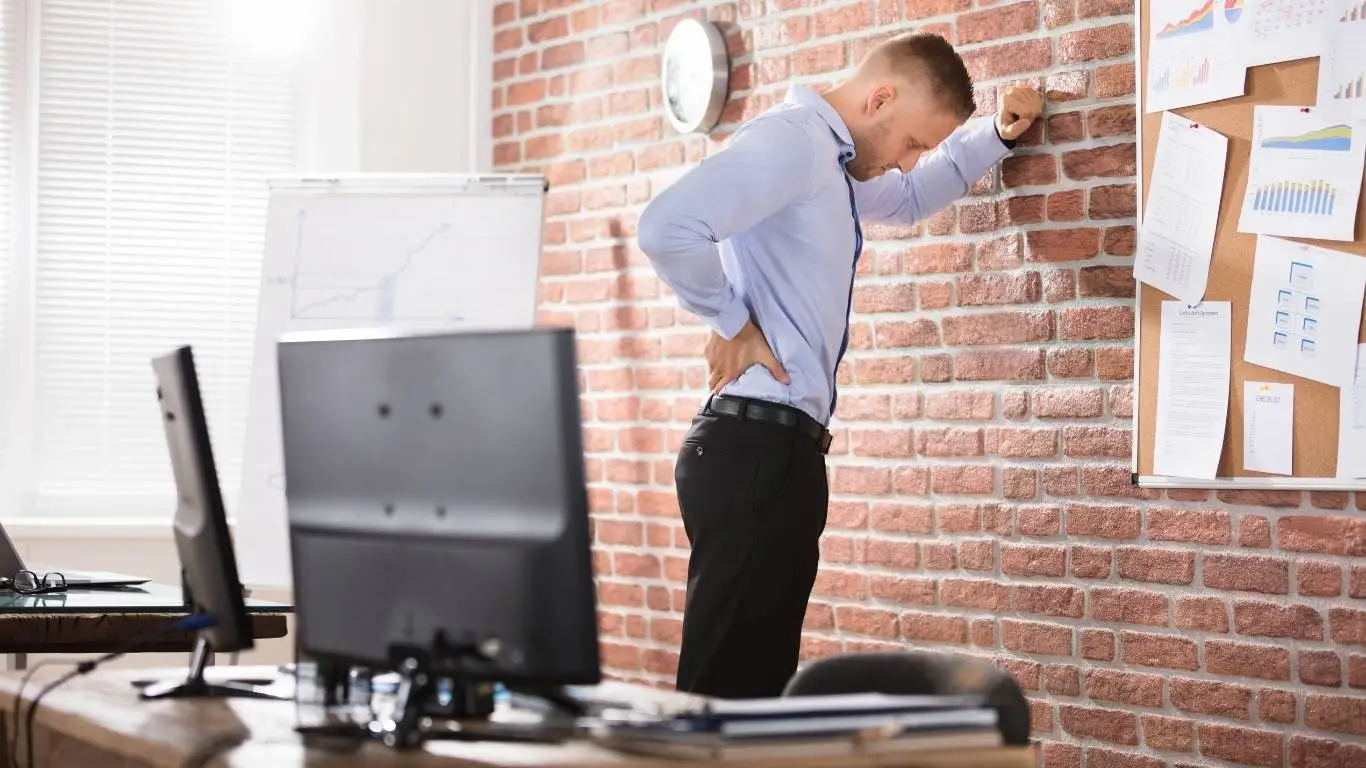
Wall Sits for Core and Spinal Endurance That Fix Back Pain Fast
Let me tell you a little secret about how I fixed my lower back from screaming at me every morning: Wall sits. Yeah, the same exercise we dreaded in gym class. Turns out, it’s a powerhouse move for core and spinal endurance. I stumbled upon wall sits out of frustration when no fancy gadgets or stretching apps worked. But it wasn’t just the simplicity that hooked me—it was how my back felt more supported, stronger, and less stiff after just a few weeks.
Why Wall Sits Deserve a Spot in Your Back Health Routine

When people think of back pain solutions, wall sits aren’t usually at the top of the list. But they should be. Wall sits target not just the glutes and quads but also your deep core stabilizers—those under-the-radar muscles that literally hold your spine in check. Unlike flashy ab exercises, wall sits force you to stay still, which in turn makes your body work harder to maintain alignment.
I started incorporating them during my lunch breaks. Two minutes against the wall, that’s it. Within a month, the difference was mind-blowing. My posture improved, and I wasn’t wincing every time I bent over to pick something up.
How Wall Sits Train Spinal Endurance
- Isometric Core Engagement: Holding the position forces your core to stay activated without movement, building endurance that dynamic exercises often overlook.
- Posterior Chain Support: Wall sits activate glutes and hamstrings, muscles that provide vital support to the lower back.
- Spinal Neutrality Practice: Keeping your back flat against the wall retrains your body to find and maintain a neutral spine.
Most people who suffer from recurring back pain have weak core endurance. Wall sits build this endurance gradually and safely. It’s no wonder physical therapists love them for lumbar spine issues. The key is holding the sit long enough for the deep stabilizers to kick in, but not so long that your form collapses.
Common Mistakes That Ruin Your Wall Sits

I’ll be honest—I butchered my first few attempts. My knees were too far forward, and my lower back wasn’t even touching the wall. No surprise it felt off. Here are the blunders to watch out for:
- Letting Knees Pass Toes: This shifts pressure to the knees instead of distributing it evenly through the glutes and core.
- Arching the Lower Back: You must press the entire back into the wall. If you feel an air gap, engage your abs harder.
- Holding Breath: Remember to breathe. Shallow breathing reduces oxygen to the muscles and tires you out faster.
After correcting these mistakes, the exercise felt entirely different. It wasn’t just my legs burning anymore; I could feel my midsection doing the heavy lifting, which is exactly what you want for back endurance training.
Want to see why improper posture sabotages back pain recovery? Check out this insightful breakdown on how poor posture can lead to chronic back pain.
Progressing Wall Sits for Lasting Spinal Strength

Once you’re nailing the basics, it’s time to up the ante. You don’t need to add weights or fancy equipment. Slight tweaks will challenge your body in new ways:
- Wall Sit Marches: While holding the position, lift one foot off the ground for 5 seconds and alternate. This enhances unilateral stability.
- Overhead Arm Reaches: Raise your arms overhead and keep them pressed against the wall. This activates thoracic spine stabilizers.
- Wall Sits with a Ball Squeeze: Place a yoga block or ball between your knees and squeeze as you hold the sit to engage inner thighs and pelvic floor muscles.
These variations keep things interesting and functional. You’re not just building endurance—you’re teaching your body to stabilize under various conditions, which is exactly what it needs to stay resilient against daily stressors.
Complementing Wall Sits with Lifestyle Adjustments

Exercises alone won’t fix your back if you’re sabotaging yourself elsewhere. I had to fix my desk setup and sleeping habits to truly feel better. Here are the real-world tweaks that made a difference:
- Switching to a standing desk for part of my workday.
- Finding a back-friendly sleeping position that aligned my spine properly.
- Using research-backed breathing exercises to activate my diaphragm and reduce spinal stiffness.
It’s not an all-or-nothing approach. Small daily habits combined with consistent wall sits gradually rebuild your spinal endurance. And the best part? You can feel progress without dedicating an entire hour to intense workouts.
For a deep dive into ergonomic-friendly habits, the article on back pain related to occupation and travel is a must-read. Also, explore our main back pain resource hub for comprehensive strategies.
Real-Life Benefits of Wall Sits for Spinal Endurance

One of the biggest surprises for me was how wall sits didn’t just help with my back pain—they boosted my entire daily stamina. Before, standing in line at the grocery store felt like an endurance event. After a few months of consistent wall sits, I noticed I could stand longer, sit straighter, and even walk uphill without my lower back barking at me.
This isn’t just anecdotal. Studies have shown that static holds like wall sits significantly improve muscular endurance, particularly in the postural muscles that support the spine. When your core can handle more load, your back doesn’t have to compensate and overwork itself.
If you’re dealing with persistent lower back strain, you might also want to read how weak glutes contribute to back strain. Spoiler: Wall sits hit that problem head-on.
The Endurance-Posture Connection
- Reduced Slouching: Stronger endurance muscles mean you can maintain upright posture without fatigue setting in quickly.
- Improved Functional Stability: Daily movements like bending, lifting, or prolonged sitting become less taxing on your spine.
- Enhanced Pelvic Alignment: Wall sits teach your pelvis to stay neutral, which is crucial for back health.
For those battling desk-job-induced back tension, this simple exercise can be a game-changer. Plus, it’s discreet enough to do in your office without turning heads—though you might get some curious stares initially!
Wall Sits vs Other Core Exercises for Back Health

So why not just stick to planks or crunches? I used to think planks were the ultimate core move, but I found wall sits offer something planks don’t: spinal loading endurance. Here’s a quick comparison:
- Wall Sits: Focus on holding neutral spine under load, excellent for endurance and postural alignment.
- Planks: Great for global core activation but don’t engage glutes and quads as effectively for spinal endurance.
- Crunches: Often overemphasize superficial abs and risk spinal flexion strain.
The truth is, wall sits mimic the demands your spine faces during everyday activities. Unlike dynamic exercises, isometric holds force your body to resist fatigue in a more functional, life-applicable way.
For a more dynamic approach that complements wall sits, I’d suggest trying some of these sciatic nerve relief exercises that focus on controlled movements.
Integrating Wall Sits into a Sustainable Routine

Consistency beats intensity. You don’t need hour-long workouts to see results. I started with two sets of 30-second holds and gradually increased to two-minute holds. It’s about listening to your body and adding volume over time.
Here’s a simple weekly progression plan that worked for me:
- Week 1: 2 sets of 30 seconds daily
- Week 2: 3 sets of 45 seconds
- Week 3: 3 sets of 60 seconds
- Week 4: Introduce wall sit marches during the final set
Remember, it’s not just about holding longer—it’s about holding better. Quality over quantity always wins when it comes to spinal endurance.
Maximizing Results with Supportive Habits

Wall sits laid the foundation, but I noticed the biggest gains when I combined them with smarter daily habits:
- Upgrading to an ergonomic office chair that supported my lower back properly.
- Incorporating daily Mayo Clinic-recommended back stretches.
- Taking micro-breaks every 30 minutes to reset my posture and decompress the spine.
I also found that paying attention to my footwear choices had a surprisingly big impact. Wearing unsupportive shoes often negated the progress I made with wall sits.
Beyond the Wall: Building a Complete Back Resilience Strategy

Wall sits became my “reset button” throughout the day. But for lasting spinal health, it’s essential to view them as a piece of the puzzle, not the whole solution. I complemented wall sits with light mobility work, mindfulness practices, and keeping an anti-inflammatory diet to support my back from the inside out.
For those who want a complete, holistic approach to back health, this resource on lifestyle and diet strategies for back pain relief is invaluable. And if you’re looking for a solid foundational guide, don’t miss the main back pain hub that covers everything from symptoms to advanced treatments.
Wall sits may look deceptively simple, but their impact on core and spinal endurance is undeniable. When done consistently and combined with the right daily habits, they transform from a basic exercise into a back-saving ritual. Trust me, your spine will thank you.

Camellia Wulansari is a dedicated Medical Assistant at a local clinic and a passionate health writer at Healthusias.com. With years of hands-on experience in patient care and a deep interest in preventive medicine, she bridges the gap between clinical knowledge and accessible health information. Camellia specializes in writing about digestive health, chronic conditions like GERD and hypertension, respiratory issues, and autoimmune diseases, aiming to empower readers with practical, easy-to-understand insights. When she’s not assisting patients or writing, you’ll find her enjoying quiet mornings with coffee and a medical journal in hand—or jamming to her favorite metal band, Lamb of God.