Do Blue Light Glasses Really Help Migraine Sufferers Find Relief
You know that moment when you’ve been staring at your laptop for hours, and a throbbing headache starts creeping in? Yeah, been there. As someone who deals with migraines more often than I’d like to admit, I started experimenting with anything that promised relief. Blue light glasses? I was skeptical at first, but desperate times call for desperate measures. Let’s just say, after trying them, I have a lot to share about how effective (or not) they are for migraine sufferers like us.
What’s the Hype About Blue Light and Migraines?

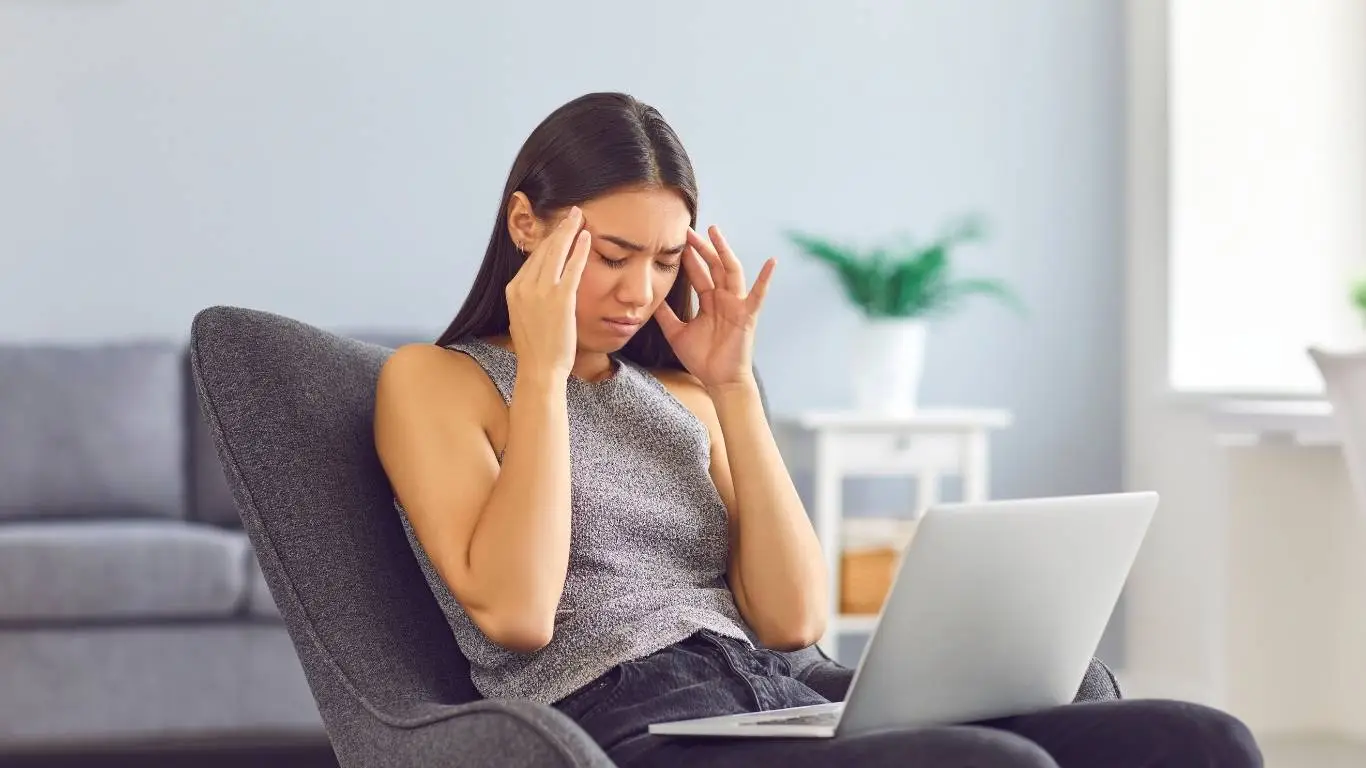
Blue light is everywhere—phones, tablets, computers, even those LED lights in your living room. While it’s not inherently evil, constant exposure messes with your circadian rhythm, eye strain, and yes, can be a massive migraine trigger. I learned this the hard way after a Netflix binge turned into a full-blown migraine attack.
Several studies, including research from ncbi.nlm.nih.gov, indicate that blue light exposure can exacerbate migraine frequency and intensity, especially in individuals prone to light sensitivity (photophobia). So, it’s no surprise that blue light glasses became a hot topic in the migraine community.
How Do Blue Light Glasses Work?
At their core, blue light glasses are designed with special lenses that filter out high-energy visible (HEV) blue light. By reducing the amount of blue light reaching your eyes, these glasses aim to minimize digital eye strain and prevent migraines triggered by screen exposure.
But do they really deliver on that promise? From my own experience, wearing blue light glasses didn’t make my migraines disappear, but it absolutely reduced the frequency of those dull, nagging headaches that usually come before a full-on migraine episode. It’s like giving your brain a breather.
Types of Blue Light Glasses
- Clear Lens Blue Light Glasses – These are subtle, block a smaller percentage of blue light, and are ideal for casual screen users.
- Amber or Yellow-Tinted Lenses – They block a higher percentage and are favored by hardcore migraine warriors.
- Prescription Blue Light Glasses – Perfect if you need vision correction and migraine protection in one go.
For a deeper dive into how screen time can trigger migraines, you can check out this guide on migraines from screen time overuse.
My Personal Experience with Blue Light Glasses

Alright, storytime. I work in digital marketing, which basically means I’m glued to screens all day. After endless trial and error with different migraine relief tactics (don’t get me started on the daith piercing phase), I gave blue light glasses a solid shot. It took about a week of consistent wear to notice a difference, but eventually, I realized that the after-work “screen hangover” was less brutal.
It wasn’t a magical fix—let’s be real—but it was a noticeable improvement. And if you’re someone who deals with light sensitivity migraines, even a small reduction in triggers can make a huge impact on your quality of life.
Scientific Backing: What Research Says

Multiple studies from reputable sources like aao.org (American Academy of Ophthalmology) suggest that blue light glasses can alleviate digital eye strain, though their direct impact on migraines is still being explored. However, anecdotal evidence, community forums, and surveys among chronic migraine sufferers lean positively towards their effectiveness in reducing frequency and severity of attacks.
What’s fascinating is that some neurologists recommend pairing blue light glasses with other lifestyle adjustments, such as proper screen ergonomics and regular eye breaks. You can find more about managing triggers in this article on migraine prevention strategies.
Practical Tips When Using Blue Light Glasses for Migraine Relief

- Consistency is key – Don’t expect miracles on Day 1. Wear them daily, especially during prolonged screen use.
- Match lens tint to sensitivity – If you’re extremely sensitive, go for amber-tinted lenses rather than clear ones.
- Pair with proper lighting – Avoid harsh overhead lights; use soft, ambient lighting to reduce strain.
- Take regular eye breaks – The 20-20-20 rule (every 20 minutes, look at something 20 feet away for 20 seconds) works wonders.
- Consider professional advice – Consulting an optometrist or neurologist familiar with migraine triggers can tailor recommendations to your specific needs.
If you’re curious how blue light glasses compare to other non-pharmacological remedies, check out this overview of migraine tools and devices.
Common Myths About Blue Light Glasses You Should Ignore

- “They cure migraines completely.” – Nope. They reduce a trigger, not the root cause.
- “All blue light glasses are the same.” – Quality and effectiveness vary significantly. Cheap ones are often just placebo lenses.
- “If you don’t feel instant relief, they don’t work.” – It’s a cumulative effect, like exercising for better health, not a quick fix.
For a broader understanding of migraine types and their triggers, you might find this article on understanding migraines helpful.
Also, don’t forget to explore the main migraine and headaches hub for a complete resource on managing this condition effectively.
Choosing the Right Blue Light Glasses: Not All Are Created Equal

When I first started looking for blue light glasses, I thought it was as simple as picking a pair that looked stylish. Big mistake. After wasting money on a trendy pair from a random online store, I realized how crucial it is to get glasses that are actually effective—not just fashionable. Trust me, your head will thank you later.
Here’s what I wish someone told me before I started:
- Lens Quality Matters – Look for lenses that block at least 30% of blue light for daytime use, and upwards of 90% for evening use. The cheap knockoffs? They barely block anything.
- Comfort Over Looks – You’ll be wearing these for hours, so opt for lightweight frames with comfortable nose pads. My first pair left dents on my nose—lesson learned.
- Anti-Glare Coating – This reduces reflections that can further strain your eyes, especially if you’re working under bright office lights.
For more detailed advice on how digital habits impact migraines, check out this guide on screen settings to reduce migraines.
Combining Blue Light Glasses with Lifestyle Adjustments

One thing I quickly realized is that blue light glasses are just one piece of the puzzle. Migraines are stubborn, and beating them often requires a multi-pronged approach. Here are some tweaks that have worked wonders for me when used alongside my glasses:
- Mindful Screen Time – I started using apps that remind me to take screen breaks. You’d be amazed how much of a difference this makes when your head starts pounding.
- Proper Ergonomics – Adjusting my monitor height and distance eased a lot of neck tension, which often spiraled into migraines.
- Lighting Matters – I swapped harsh white lights with warm-toned bulbs in my workspace. The glare reduction was immediate.
- Relaxation Techniques – Simple breathing exercises and occasional yoga stretches became part of my daily routine. And yes, sometimes I do these stretches with my glasses still on.
For those who prefer non-medication approaches, this article on natural remedies for migraines is a must-read.
Do Blue Light Glasses Help with All Migraine Types?

This is a question I get asked a lot. Short answer: it depends. From my experience and countless conversations in migraine support groups, blue light glasses tend to be more effective for people who suffer from migraines triggered by photophobia or digital eye strain. If your migraines are hormone-related or triggered by other factors like diet or weather, glasses alone might not cut it—but they can still reduce compounding triggers.
For example, those dealing with vestibular migraines often report a decrease in dizziness when using high-quality blue light glasses combined with screen breaks and proper lighting.
Misconceptions About Blue Light Glasses You Should Know

Let’s bust a few myths that float around:
- “You only need them at night.” – False. Daytime screen exposure can be just as harmful. I wear mine during the workday and switch to a stronger filter in the evening.
- “They’re only for people with chronic migraines.” – Even occasional migraine sufferers benefit from reducing screen glare and digital eye strain.
- “Blue light glasses fix sleep issues instantly.” – While they help reduce the disruption of melatonin production, they’re not a magic sleep cure. Pair them with good sleep hygiene.
Should You Invest in Prescription Blue Light Glasses?

If you wear glasses, investing in prescription blue light glasses is a game-changer. I upgraded after my optometrist recommended it, and it simplified my life. No more layering clip-ons over my regular lenses (which was a fashion disaster, by the way).
It’s worth discussing this option with an eye care professional, especially if you’re someone who also deals with migraine-related numbness or weakness. Better vision clarity reduces strain, which is often an overlooked migraine trigger.
Blue Light Glasses: Worth It?

So, are blue light glasses worth the investment? For me, the answer is a big yes. Do they eliminate migraines? Not entirely. But do they reduce one of the many triggers in my migraine web? Absolutely. They’re a low-effort, non-invasive tool in a migraine sufferer’s toolkit, and if you spend a significant chunk of your day in front of screens, they’re practically essential.
Combining them with simple lifestyle tweaks, such as better screen habits and environment lighting adjustments, has significantly decreased the frequency of my migraine attacks.
If you’re curious about how to build a comprehensive migraine management plan, I’d suggest reading more on migraine treatment approaches for an in-depth overview.
For more migraine-related insights and resources, visit the main migraines and headaches hub.

Bianca Nala is a compassionate Nurse Practitioner with a strong background in primary and respiratory care. As a health writer for Healthusias.com, she combines her clinical expertise with a talent for clear, relatable storytelling to help readers better understand their health. Bianca focuses on topics like asthma, COPD, chronic cough, and overall lung health, aiming to simplify complex medical topics without losing accuracy. Whether she’s treating patients or writing articles, Bianca is driven by a single goal: making quality healthcare knowledge accessible to everyone.