
Prevent Back Injuries With Slippery Floor Balance Drills And Smart Back Awareness
Ever slipped on a wet floor and felt that terrifying jolt in your back? Trust me, I’ve been there. You don’t realize how important balance and back awareness are until a slick kitchen tile nearly knocks you into next week. Slippery floor balance drills aren’t just for athletes or physical therapy sessions; they’re essential life skills that can save your spine from unnecessary trauma. So, let’s dive into how you can train your body (and brain) to handle those unexpected slippery situations with grace.
Why Balance Drills Matter for Your Back Health

Your back is the command center of movement, and balance drills teach your body to engage the right muscles at the right time. When you walk on a wet floor, your brain and muscles need to communicate quickly to prevent a fall. Poor balance increases the load on your lumbar spine, and that’s a fast track to chronic recurring back pain.
The Hidden Risks of Everyday Slips
Most people think falls only happen to the elderly, but that’s a myth. A slippery grocery store aisle or a mistimed step in the bathroom can twist your back in ways it’s not meant to bend. Studies from Mayo Clinic confirm that slip-induced back injuries account for a significant portion of ER visits among adults under 40.
Body Awareness: The First Line of Defense
One underrated tip I’ve learned from physical therapists is improving proprioception — your body’s ability to sense where it is in space. Simple balance drills improve this, making you more aware of how your back aligns during sudden slips. You’re not just “practicing balance”; you’re teaching your body not to panic when your foot meets a slippery surface.
Effective Slippery Floor Balance Drills You Can Start Today

You don’t need fancy gym equipment. Here are simple drills that mimic real-world scenarios:
- Single-Leg Stand on Towel: Stand on one foot on a folded towel. Your core and back stabilizers will fire up to keep you upright.
- Slide Lunges: Use socks on a hardwood floor to perform slow lunges. Focus on maintaining spine neutrality.
- Balance Pad Shifts: Stand on a cushion or yoga block and slowly shift your weight from side to side.
Want a more comprehensive guide? Check out our full section on exercise rehabilitation for back health.
Don’t Ignore Micro-Slips
Micro-slips are those tiny, almost-falls that you catch yourself from, but they’re still damaging your lower back over time. Consistent balance drills reinforce your muscles to handle these incidents better and reduce cumulative strain. This is especially critical if you’re dealing with existing conditions like spondylolisthesis or herniated discs.
The Role of Core Engagement in Slippery Scenarios
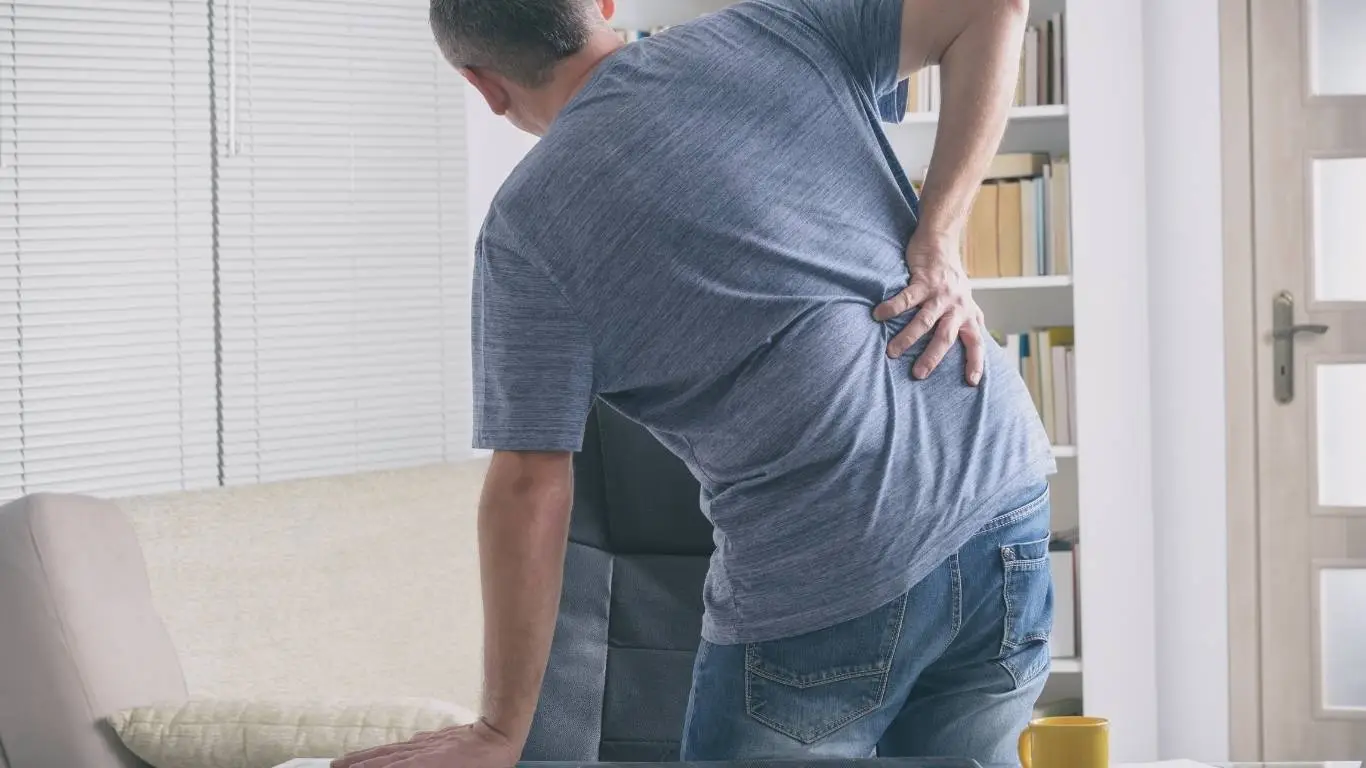
Your core isn’t just about abs. It’s the front-line support system for your spine. Whenever you hit a slick spot, an engaged core acts as a natural brace, preventing your back from absorbing the shock. I learned this the hard way when a spilled drink at a party turned into a weeks-long backache — because I wasn’t engaging my core properly.
How to Activate Your Core the Right Way
- Stand tall with knees slightly bent.
- Imagine someone is about to poke your belly — brace your core without sucking in.
- Practice holding this during daily activities, especially in risky floor areas.
For those serious about building a bulletproof core, I always recommend integrating Pilates routines focused on back stability.
Improving Back Reflexes for Slippery Floor Safety

Reflex training is not just for athletes. Fast-twitch muscle responses in your legs, hips, and back can prevent a full-blown fall. Here’s a drill that worked wonders for me after my kitchen slip:
- Reactive Step-Back Drill: Stand on a smooth floor surface. Have a friend gently nudge you from the side (safely!) so you must reactively step back and stabilize.
This drill conditions your spine to handle unexpected shifts, a key to preventing injuries from a surprise slip. Complement this with education on early signs of back strain to catch minor issues before they escalate.
Linking Balance Training to Everyday Movements

Integrating balance drills into daily life doesn’t have to be a chore. Here are ways I sneak in practice without dedicating extra workout time:
- Stand on one leg while brushing your teeth.
- Practice mini-lunges while doing dishes.
- Engage your core and shift weight while waiting for the microwave to finish.
Little things like these develop subconscious balance habits that protect your back long-term. If you’re working in environments with risky flooring, this isn’t optional — it’s survival.
For a deeper understanding of how posture impacts your back in daily routines, our main resource on back pain essentials is a must-read.
Common Mistakes People Make During Balance Drills

I’ll admit, when I first started doing balance drills, I was making all the rookie mistakes. The most common? Tensing up my shoulders and locking my knees. Instead of letting my body adjust naturally, I was stiff as a board, which ironically made me more prone to tipping over. Over-correcting your posture in drills can strain your lumbar spine, which is exactly what you’re trying to avoid.
- Holding Breath: Balance is as much about breathing as it is about muscle control. Shallow breathing tenses up your entire back chain.
- Ignoring Foot Position: Your foot arches are foundational. Flat foot stance reduces proprioceptive feedback, which can worsen balance.
- Going Too Fast: Balance training is not a speed contest. Slow, controlled movements teach your back to stabilize effectively.
If you want to see how poor posture during balance drills impacts back tension, our article on postural kyphosis and back strain is eye-opening.
Turning Balance Drills into a Back-Saving Daily Routine

The secret sauce isn’t in doing fancy drills—it’s in consistency. I turned balance training into a five-minute morning ritual. Here’s how you can integrate it into your day-to-day without overhauling your schedule:
- Start with a 60-second single-leg stand while waiting for your coffee to brew.
- Incorporate controlled side steps on slippery kitchen tiles while cooking.
- End your day with a few core-activated lunge slides after brushing your teeth.
Doing these micro-movements daily builds “automatic balance reflexes,” making your back far more resilient when faced with a surprise slip.
Slippery Work Environments? You Need This Routine
If you work in restaurants, hospitals, or factories where slick floors are a daily hazard, these drills aren’t optional. Consistent training will drastically reduce your risk of back injuries. For more on workplace-related back pain, you should check out this guide on back pain in occupation and travel environments.
Footwear’s Role in Slippery Surface Back Safety
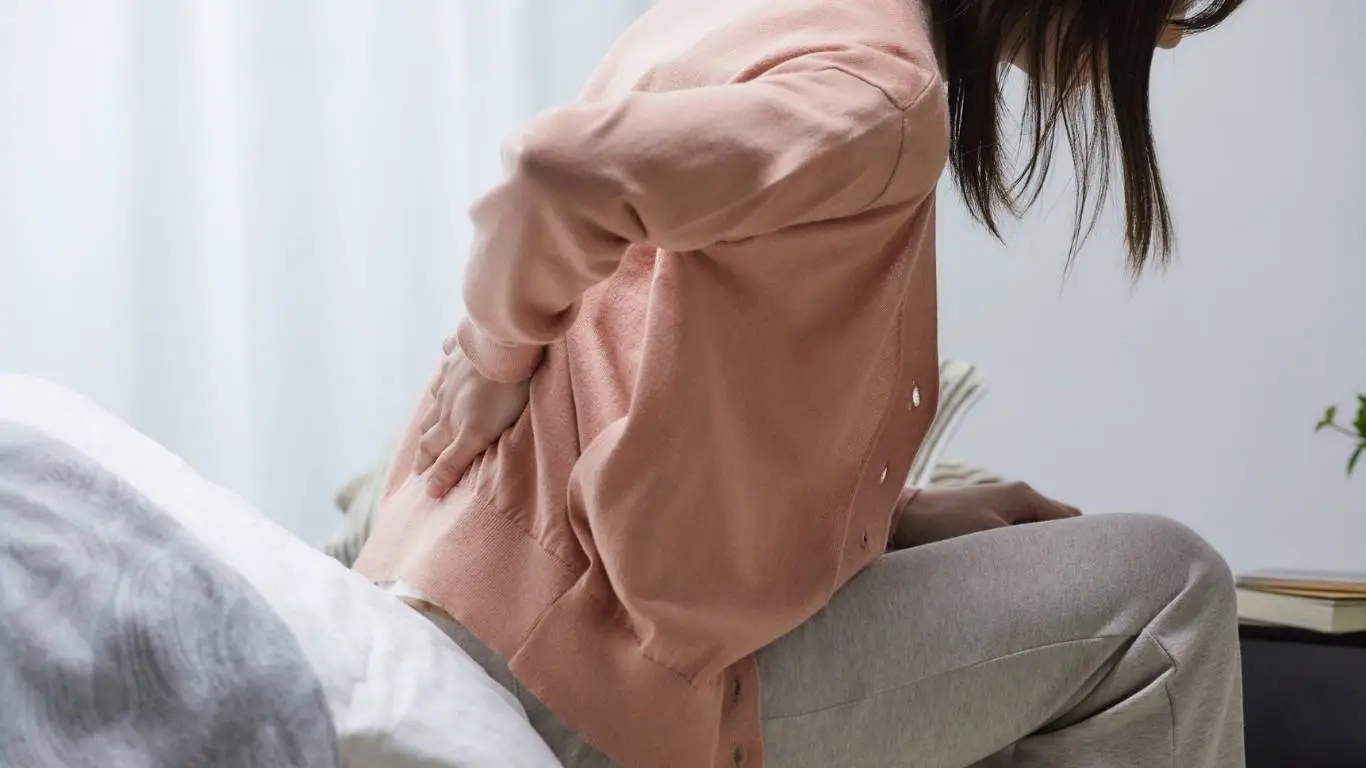
Your choice of shoes can either support your balance or sabotage it. I used to think all non-slip shoes were the same — until I discovered how much difference a proper arch support makes. Shoes with poor grip or uneven sole patterns force your back to compensate for every step on a slick surface, leading to long-term strain.
- Opt for shoes with multi-directional grip patterns.
- Avoid overly stiff soles that limit foot articulation.
- Consider insoles with arch support if you have flat feet.
Footwear mishaps are one of the sneakiest contributors to back discomfort. More on that here: footwear choices and back pain connection.
The Mind-Body Connection: Training Your Nervous System

Balance drills don’t just work your muscles; they sharpen your nervous system’s response. Practicing mindful movements rewires your brain to anticipate and correct slips with minimal strain on your back. Techniques like somatic tracking and mindful breathing have been game changers for me. It’s not about being rigidly “perfect” in your movements, but about being tuned into how your back feels in real-time.
Want to explore this deeper? We’ve covered these techniques in our guide on mindfulness meditation for pain management.
Ergonomics at Home: Reduce Slip-Induced Back Risks

Beyond drills, optimizing your home environment plays a crucial role in back safety. Small tweaks like non-slip mats in high-risk areas (bathroom, kitchen) and ensuring adequate lighting to spot spills can save your back from accidental twists and turns.
- Install non-slip strips in the shower and bathtub.
- Keep a microfiber mop handy for instant spill cleanup.
- Rearrange kitchen layouts to minimize reaching over wet surfaces.
For a complete ergonomic checklist, our main pillar guide on back pain prevention essentials is packed with actionable tips.
When Balance Drills Aren’t Enough: Seek Professional Help

If you’re consistently experiencing micro-slips or feel unstable even after practicing drills, it might be time to consult a physical therapist. Underlying issues like muscle imbalances, nerve dysfunctions, or even inner ear problems could be sabotaging your progress. A comprehensive evaluation ensures you’re not missing a hidden culprit.
Advanced assessments like MRI scans or nerve conduction studies can reveal deeper insights into recurring instability and back discomfort.
Key Takeaway: Balance Drills Are Your Back’s Lifelong Insurance

Slippery floor balance drills aren’t a one-time fix; they’re a lifestyle upgrade. Each drill reinforces muscle memory, reduces reaction times, and teaches your back to remain calm and controlled during real-world slips. It’s an underrated form of spinal insurance — one that has saved me from countless falls (and medical bills) over the years.
By integrating these drills into your daily habits and staying mindful of ergonomic factors, you’ll drastically improve your back’s resilience against unforeseen slips. For a holistic approach to strengthening your back and preventing injuries, explore our comprehensive section on exercise and rehabilitation for back health.

Camellia Wulansari is a dedicated Medical Assistant at a local clinic and a passionate health writer at Healthusias.com. With years of hands-on experience in patient care and a deep interest in preventive medicine, she bridges the gap between clinical knowledge and accessible health information. Camellia specializes in writing about digestive health, chronic conditions like GERD and hypertension, respiratory issues, and autoimmune diseases, aiming to empower readers with practical, easy-to-understand insights. When she’s not assisting patients or writing, you’ll find her enjoying quiet mornings with coffee and a medical journal in hand—or jamming to her favorite metal band, Lamb of God.