Why Floaters Get Worse After Being in Cozy Silent Cafes
Ever noticed how floaters seem to pop up more vividly when you’re sitting in a cozy, silent café, sipping your coffee, enjoying the soft hum of nothingness? You’re not alone. I used to think it was just me, zoning out too much. But no — those little specks and cobwebs floating across your vision have a habit of showing up when everything else gets still and quiet. Especially in dim, ambient places where you’re supposed to be relaxing. Welcome to the strange world of floaters after being in cozy silent cafes. Let’s dive into why this happens and how you can make peace with these uninvited guests in your line of sight.
Why Floaters Get Louder in Quiet Cafés
It’s weird, right? You spend your week staring at glaring computer screens with barely a hint of floaters. Then, you walk into a softly lit café, settle into a comfy seat, and BAM — floaters everywhere. Here’s why:
Lighting and Contrast: The Silent Agitators
Most cafés pride themselves on dim, warm lighting. It’s what makes them feel inviting. But to your eyes, especially your vitreous, this soft light creates the perfect backdrop for floaters to make their grand appearance. Floaters thrive on contrast. When the overall brightness is low but there’s a soft light source — like a lamp hitting a cream-colored wall — your floaters will stand out more than usual.
- Dim lighting reduces peripheral distractions, making floaters more noticeable.
- Warm tones and uniform-colored walls offer a “clean canvas” where floaters can dance.
- The stillness of the environment makes your brain hyper-aware of subtle movements, like floaters shifting with your eye motion.
There’s a detailed explanation on how artificial lighting amplifies floaters — worth a read if this resonates with you.
Eye Fatigue From Over-Focusing
Think about it — cafés are designed for you to slow down. You stop scrolling, reading, or typing and just… stare. Maybe at a blank wall, maybe at a wooden table. That’s when your eyes, suddenly free from intense focus, start noticing all the tiny imperfections floating inside. Extended focus sessions prior to these moments can also contribute, as mentioned in this in-depth article on screen fatigue and floaters.
The Science Behind Floaters Acting Up in Still Environments
Vitreous Syneresis in Calm Settings
Inside our eyes, the vitreous humor is a gel-like substance that’s supposed to stay clear. As we age or due to other factors like dehydration or screen overuse, it begins to liquefy and collapse — a process known as syneresis. The floaters we see are bits of collagen clumping together inside this gel. When you’re in a calm, static environment like a quiet café, you’re more likely to notice the subtle movements of these collagen clumps.
- Micro-movements of your eyes shift the floaters into your central vision.
- Absence of background distractions makes floaters dominate your visual field.
- Your brain’s focus sharpens on internal visual “noise” due to external calmness.
For a deeper dive into how syneresis affects floater behavior, you can check out this breakdown on age-related vitreous changes.
Hydration and Environmental Factors
Cafés, especially those with great coffee, often lead us to indulge in caffeine. While it’s a delightful ritual, caffeine can subtly dehydrate your body, and dehydration is a known factor that exacerbates floater visibility. Couple that with air-conditioned interiors or dry air and you’ve got the perfect recipe for floaters to show up more intensely.
Interesting fact — according to this article on dehydration’s impact on floaters, even mild dehydration can change how dense or sluggish floaters appear. So, while you’re enjoying your latte, your eyes might be silently crying out for water.
Could Floaters After Café Visits Signal Eye Health Concerns?
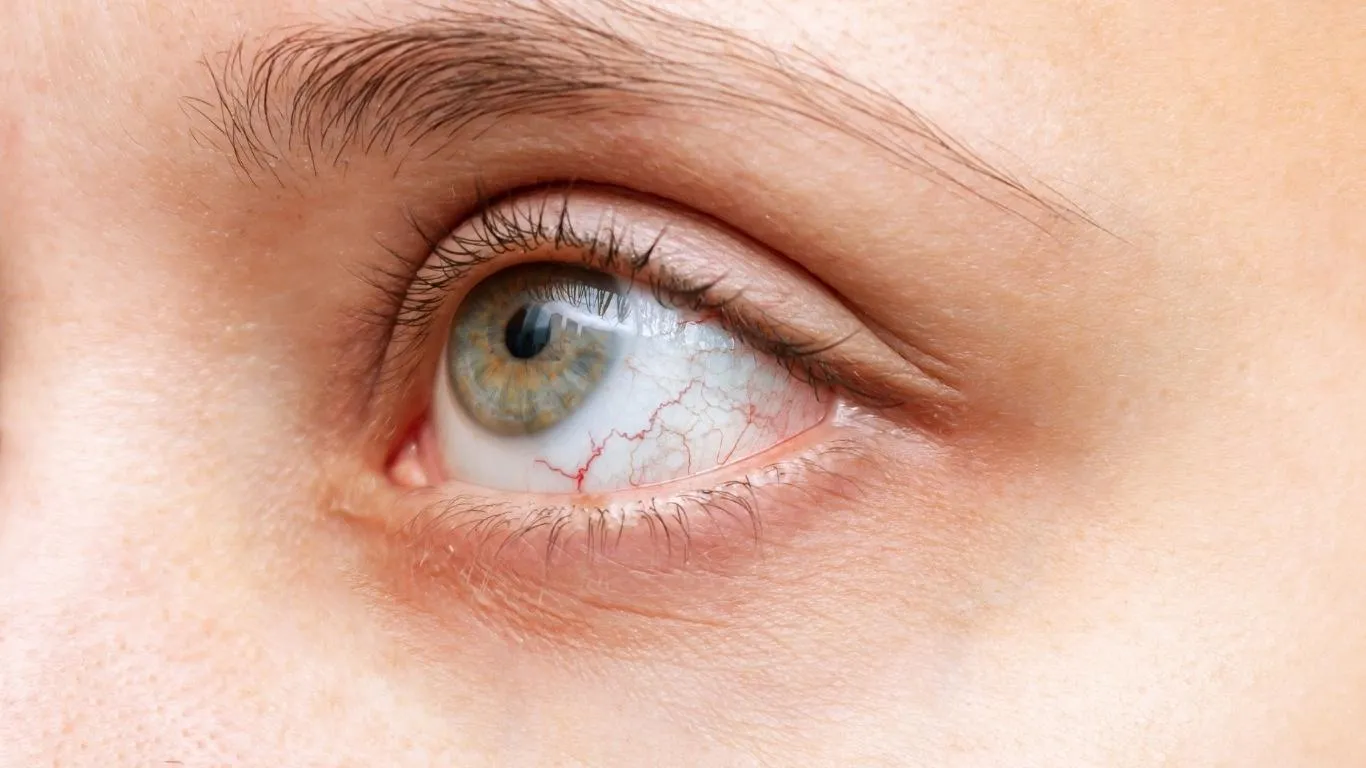
Here’s a reality check: not every increase in floater visibility is cause for alarm. But, if you’re experiencing a sudden burst of new floaters, flashes of light, or a curtain-like shadow in your vision, you need to consult an eye specialist. These can be early signs of a retinal tear or detachment, conditions that require immediate medical attention. For more insights on differentiating harmless floaters from dangerous ones, this article on warning signs of serious eye floater conditions is a must-read.
Floaters after sitting in a quiet café are often harmless, but it’s always wise to stay informed about what’s normal and when things might require professional eyes — literally. For a comprehensive overview of eye floater symptoms you shouldn’t ignore, I’d highly recommend reading this in-depth guide.
Small Lifestyle Tweaks to Make Floaters Less Noticeable in Cafés
- Hydrate regularly: Before heading to your favorite café, drink a glass of water. Balance out that coffee.
- Choose seating wisely: Opt for spots near windows with more natural light dispersion rather than under direct artificial lights.
- Take visual breaks: Every 10 minutes, look outside the window or focus on distant objects to help your eyes readjust.
- Adjust your posture: A slight head tilt or repositioning your gaze can shift floaters out of your central vision.
For more natural management strategies, you might enjoy this article discussing whether natural floater remedies are fact or fiction.
To better understand the root causes of floaters and their typical behavior patterns, you can explore this main pillar guide on eye floaters that covers everything from anatomy to treatment options.
Can You Train Your Eyes to Ignore Floaters in Silent Cafés?
Now here’s where it gets interesting — while you can’t get rid of floaters on your own, you can train your brain to ignore them. I used to get so distracted by those floaters swirling around while I was trying to read or journal in my favorite café. But over time, I found some simple tricks that actually helped.
Eye Movement Patterns That Work
One effective method is subtle eye movement exercises. No, not those exaggerated “look up, look down” routines. I’m talking about small, controlled shifts in gaze direction:
- Gently move your eyes left to right and back, pausing for a few seconds.
- Shift your gaze diagonally from top left to bottom right.
- Avoid fast saccadic movements, they tend to stir up floaters more.
The goal is to reposition the floaters to the periphery of your vision, where they’re less noticeable. There’s a great resource on eye exercises designed specifically for floater relief that’s worth trying.
Mindfulness Over Floaters
Ironically, trying to “ignore” floaters can make you hyper-aware of them. What worked for me was the opposite approach — acknowledging their presence without fixating on them. This mindfulness-based technique is surprisingly effective in reducing the visual dominance of floaters. It’s like background noise; once your brain labels it as non-threatening, it fades.
There’s a subtle art to this, especially in settings where your visual field is minimalistic. Practicing mindfulness in such environments can help. If you’re curious, this guide on managing stress-induced floaters dives deeper into these techniques.
Are Café Floaters a Symptom of an Underlying Eye Condition?
Most of the time, floaters in calm café environments are a harmless quirk of lighting and focus. But — and this is important — not all floaters should be dismissed. If you notice:
- A sudden shower of new floaters appearing at once.
- Flashes of light in your peripheral vision.
- A shadow or curtain effect creeping into your sight.
These are red flags for more serious retinal issues. Conditions like posterior vitreous detachment (PVD) or even retinal tears can manifest with similar symptoms. This article explains PVD in great detail and is a must-read if you’re concerned about sudden floater changes.
Subtle Health Connections You Shouldn’t Overlook
Interestingly, systemic factors like dehydration, blood sugar fluctuations, or even stress can exacerbate floaters in these quiet settings. For instance, after long hours of working remotely, heading to a café without proper hydration or nutrition can trigger a spike in floater visibility.
There’s growing research, including from American Academy of Ophthalmology, that ties lifestyle habits to vitreous health. Small tweaks in daily routines can make a noticeable difference in floater perception, especially when coupled with environmental triggers like those cozy cafés we all love.
Practical Tips to Reduce Floater Distractions in Silent Cafés
Rearrange Your Café Setup
Yes, your choice of seating matters. Opt for spots where:
- Natural light diffuses evenly without sharp contrasts.
- You’re not facing a blank wall — textured backgrounds help “hide” floaters.
- Reflections or overhead lights aren’t hitting your direct line of sight.
Avoid low-light corners with isolated spotlights. Instead, sit near windows where the lighting is more dynamic and less monotone.
Stay Ahead of Dehydration
It’s easy to lose track of water intake when you’re indulging in multiple cups of coffee. Make it a rule to drink a glass of water for every caffeinated beverage. According to experts at Mayo Clinic, proper hydration maintains the eye’s internal balance, potentially reducing floater prominence.
Know When It’s Not Just a Café Thing
If your floaters seem to persist or worsen in regular lighting conditions, or if they begin to disrupt your daily activities beyond those quiet café moments, it might be time for a comprehensive eye exam. Persistent floater issues can sometimes hint at underlying conditions like diabetic retinopathy or ocular hypertension.
For more detailed differentiation between floaters and other eye problems, refer to this excellent comparison on eye floaters versus other vision disturbances.
Is Treatment an Option for Café-Induced Floater Annoyance?

Floaters that become a genuine hindrance, whether in cafés or elsewhere, can be treated through procedures like YAG laser vitreolysis or vitrectomy. However, these treatments are typically reserved for severe cases where floaters significantly impair vision.
Before considering invasive procedures, it’s recommended to explore non-surgical management strategies. Observation is often the first step. There’s a detailed guide on eye floater treatments ranging from observation to surgery that outlines the pros and cons of each method.
For me personally, lifestyle tweaks like adjusting my seating position, hydrating better, and practicing subtle gaze-shift exercises have worked wonders. The key is knowing when floaters are simply a visual nuisance and when they might be signaling something more significant.
If you’re looking for a broader understanding of floaters, their causes, symptoms, and all available treatment options, don’t miss this comprehensive guide: What Are Eye Floaters? Causes, Symptoms, and Treatment Options.

Camellia Wulansari is a dedicated Medical Assistant at a local clinic and a passionate health writer at Healthusias.com. With years of hands-on experience in patient care and a deep interest in preventive medicine, she bridges the gap between clinical knowledge and accessible health information. Camellia specializes in writing about digestive health, chronic conditions like GERD and hypertension, respiratory issues, and autoimmune diseases, aiming to empower readers with practical, easy-to-understand insights. When she’s not assisting patients or writing, you’ll find her enjoying quiet mornings with coffee and a medical journal in hand—or jamming to her favorite metal band, Lamb of God.