Stop Temperature Rebound Migraine After Ice Packs From Ruining Relief
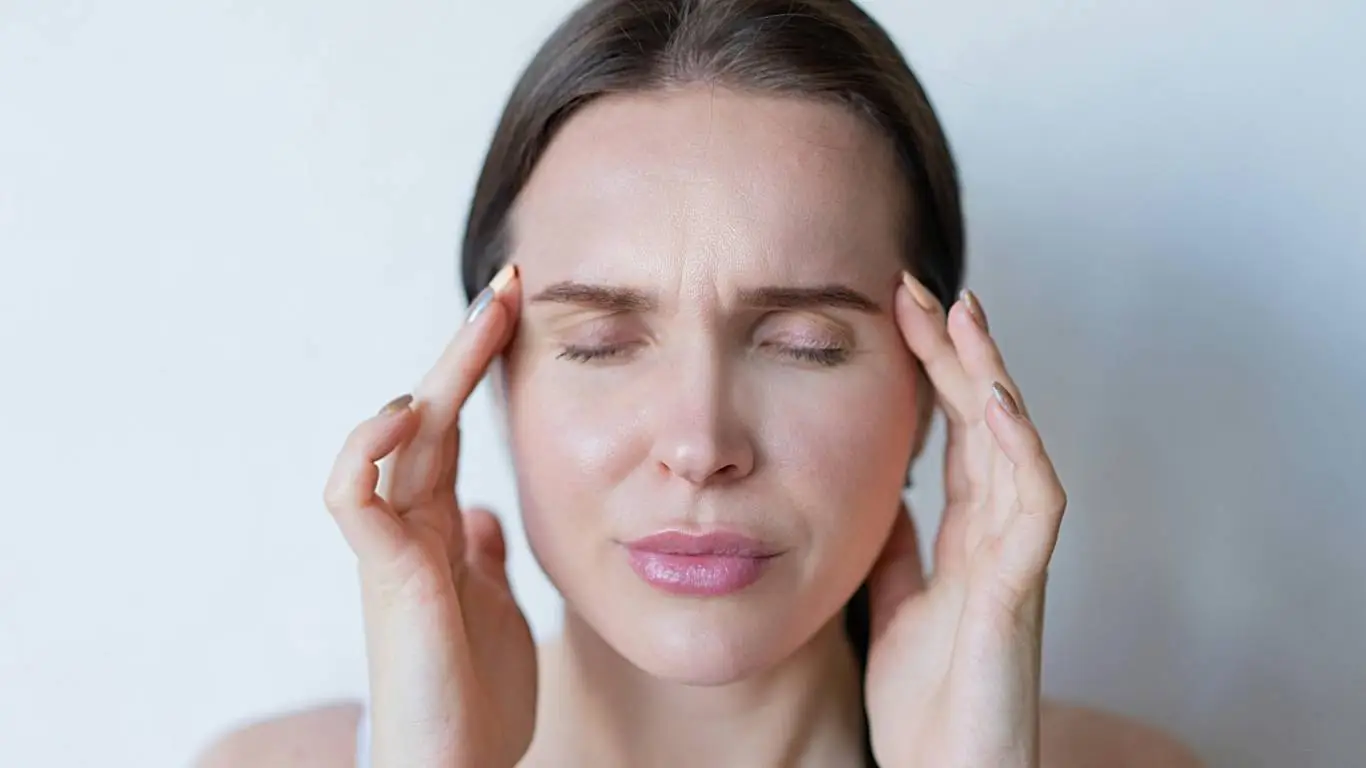
Ever applied an ice pack to your head, thinking it’d numb the migraine away, only to have it boomerang back twice as bad? Yeah, I’ve been there too. It’s what some folks (including myself) have frustratingly come to know as a “temperature rebound migraine after ice.” You’d think cold therapy is the go-to fix, right? But there’s more nuance here than we’re often told. Let’s dive into why this happens and how to outsmart this sneaky migraine twist.
Understanding Temperature-Rebound Migraines: Why Ice Packs Sometimes Backfire
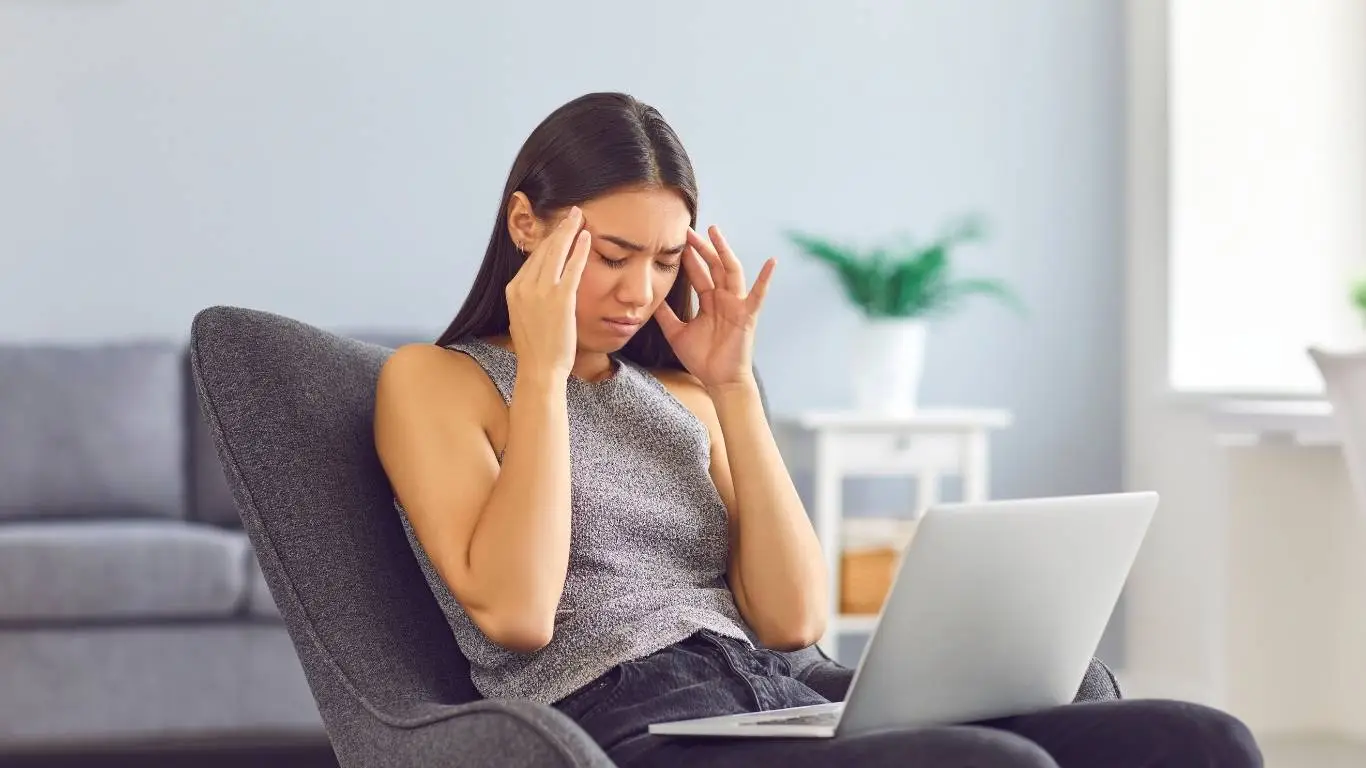
Cold therapy isn’t the villain. In fact, it’s one of the oldest remedies for headaches. But for migraine sufferers, especially those sensitive to abrupt temperature changes, applying ice directly to the head can sometimes *trigger* a rebound effect. This is when your blood vessels constrict rapidly due to cold, only to dilate aggressively once the ice is removed, intensifying the pain.
Personally, I used to grab a frozen peas bag during attacks, pressing it onto my temples for relief. But after a few episodes where the headache worsened post-ice, I realized there was a rebound happening. Turns out, I’m not alone. A number of studies have observed this paradoxical reaction in migraine patients.
Vasoconstriction and Rebound Vasodilation: The Science Explained
When exposed to cold, the body naturally constricts blood vessels (vasoconstriction) to preserve core temperature. While this can initially dull migraine pain, the sudden removal of the cold stimulus prompts vasodilation, leading to a rush of blood flow and an inflammatory response. That’s the “rebound” effect.
Factors That Increase Risk of Temperature Rebound
- Prolonged Ice Pack Application (over 20 minutes)
- Using Ice Directly on Skin without a Barrier
- Sudden Removal of Cold Compress without Gradual Adjustment
- Individuals with Vascular-Sensitive Migraines
It’s not just theoretical; I noticed a direct link between using ice packs carelessly and my rebound migraine episodes. That sudden temperature shock is no joke.
Smarter Cold Therapy: Avoiding the Rebound Trap
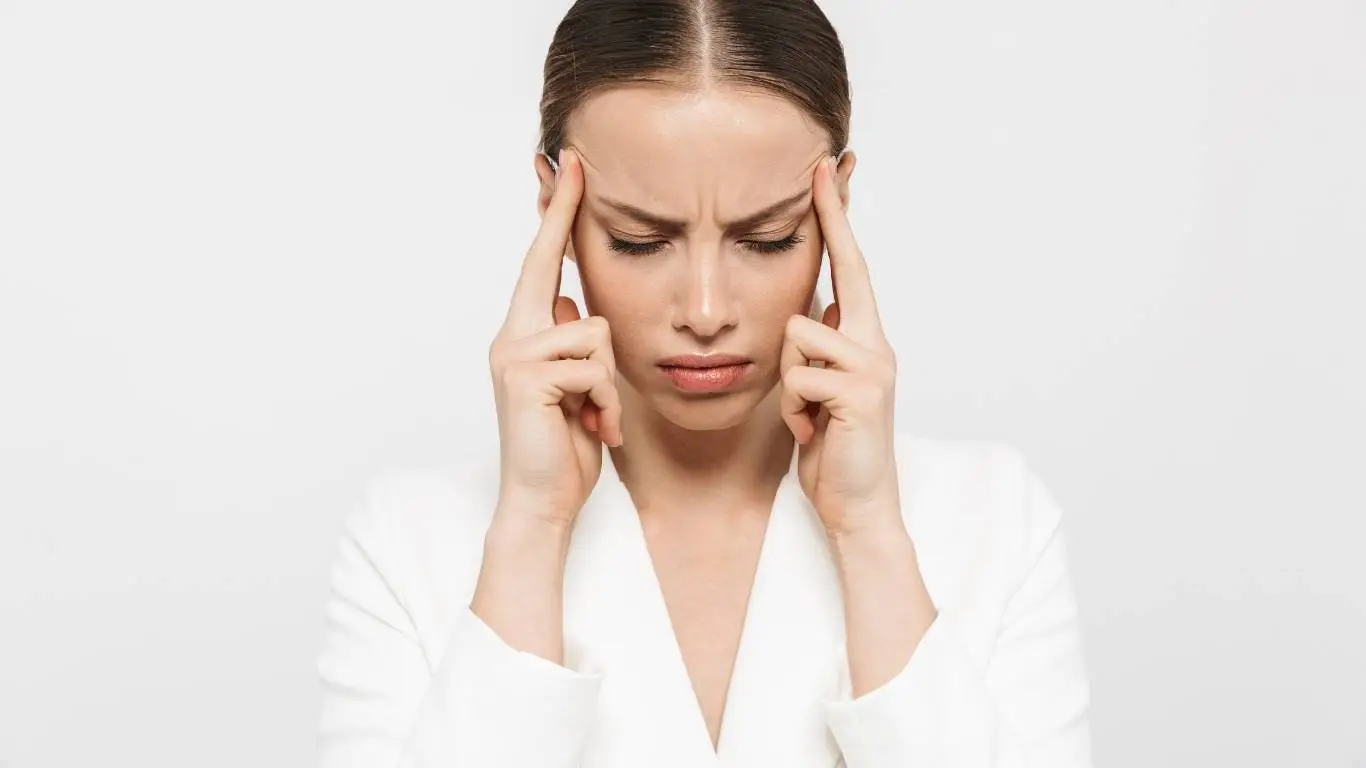
So, should you ditch ice therapy altogether? Not necessarily. Here are some adjustments that have worked wonders for me and many migraine sufferers:
- Use a Thin Cloth Barrier: Never place ice directly on your skin. Wrap it in a soft cloth to temper the chill.
- Limit Application Time: Keep ice therapy sessions to 10-15 minutes, max. Prolonged exposure is a recipe for rebound.
- Alternate Temperature Therapy: Pair cold compress with a warm towel on the neck or shoulders to balance blood flow response.
- Slow Transitions: Don’t rip the ice pack off suddenly. Gently ease off to allow your blood vessels to adjust gradually.
In my experience, combining cold therapy with breathing techniques has also been a game changer. It distracts my body from focusing solely on the cold stimulus and helps control the vascular response.
When Ice Fails: Alternative Therapies Worth Considering

If you’re someone who frequently battles rebound migraines after ice, it might be time to explore other effective, non-pharmaceutical approaches:
- Acupuncture therapy to target pressure points without thermal triggers.
- Biofeedback techniques to self-regulate physiological responses to pain.
- Cognitive Behavioral Therapy (CBT) focusing on stress and pain management.
It’s interesting how switching from cold packs to biofeedback sessions lowered my migraine frequency significantly. I also started using a migraine-tracking smartwatch to predict patterns — a life-saver for those unpredictable days.
The Role of Tools & Devices in Preventing Rebound Episodes
Wearable tech has become a huge ally in managing migraine triggers. Devices like Nerivio offer remote electrical neuromodulation to relieve migraine symptoms without inducing rebound effects.
Building a Temperature-Safe Migraine Relief Plan

Creating a personal relief plan that doesn’t revolve around ice packs can be a game-changer. Here’s what worked for me:
- Hydration Check: I make sure dehydration isn’t fueling my migraines. Simple but often overlooked.
- Moderating Room Temperature: Extreme cold environments can trigger the same rebound effect. I now use room-temperature compresses when needed.
- Diet Adjustments: Avoiding cold-trigger foods like ice cream (I’ve written about brain freeze vs migraines before!)
If you’re curious about other migraine triggers related to temperature and weather changes, I highly recommend exploring the Migraine Triggers Pillar article. It’s been my go-to resource for understanding environmental impacts on migraine patterns.
For a broader understanding of how migraines and headaches intertwine, check out the main guide on Migraines and Headaches which covers foundational knowledge you shouldn’t miss.
Why Rebound Migraines Are More Common Than You Think

One thing that surprised me during my migraine journey is how many people quietly suffer from rebound headaches without realizing it. It’s not always about overusing medications (though that’s common too); sometimes it’s our well-intentioned home remedies, like ice therapy, that backfire.
And here’s the kicker—many rebound migraines after ice therapy are misdiagnosed as “new” migraine attacks rather than a direct response to abrupt temperature shifts. According to leading headache specialists, identifying triggers accurately is half the battle won.
Spotting the Signs of a Temperature-Induced Rebound
- A sudden worsening of headache after removing ice pack
- Throbbing pain that escalates within minutes of cold exposure ending
- Feeling of ‘pressure release’ followed by intense discomfort
- Accompanying symptoms like light sensitivity and nausea
I remember once after using an ice wrap for nearly 30 minutes, thinking I was doing good, the sharp pain that hit afterwards felt like I’d undone all my efforts. It was a lightbulb moment for me to reassess my approach.
Temperature Regulation: Small Habits That Make a Huge Difference

What’s worked best for me (and countless others) isn’t dramatic overhauls but small, mindful adjustments that regulate how my body reacts to temperature changes:
- Room Temperature Awareness: Avoid overly cold air-conditioning blasts. I’ve found that setting my thermostat to a moderate 72°F helps keep migraines at bay.
- Consistent Warm-Up Rituals: After applying a cold compress, I now follow up with a gentle warm towel wrap around my neck.
- Layered Clothing Strategy: Sounds silly, but having a scarf or light hoodie handy helps buffer sudden temperature shifts, especially in places like malls or offices.
One habit that saved me? Never stepping outside from a chilly air-conditioned room into hot, humid air without giving my body a few minutes to adjust. Temperature swings are sneaky migraine triggers!
Practical Alternatives to Ice for Migraine Soothing

Now that I’m smarter about temperature rebound migraines, I’ve built a reliable toolkit of alternatives when ice feels too risky:
- Migraine diaries to track my body’s response to different environments and therapies.
- Using blue light filtering glasses to prevent digital strain, which often pairs with rebound headaches.
- Experimenting with aromatherapy—essential oils like lavender and peppermint applied to pressure points work wonders on days when ice feels like a gamble.
Also, I’m a big fan of guided imagery sessions. They’re underrated, but visualizing calm scenarios while in a dimly lit room often does more for my migraine relief than a cold compress ever did.
Tech-Enabled Solutions: Smart Gadgets That Actually Work
In this age, technology offers fantastic migraine management solutions. Devices like Cefaly use neurostimulation to ease migraines safely, without the vascular impact that cold therapy can trigger.
There’s also the rise of migraine tracking apps that help detect subtle patterns, including temperature-based triggers you might otherwise miss.
Hydration and Diet: Often Overlooked But Critical
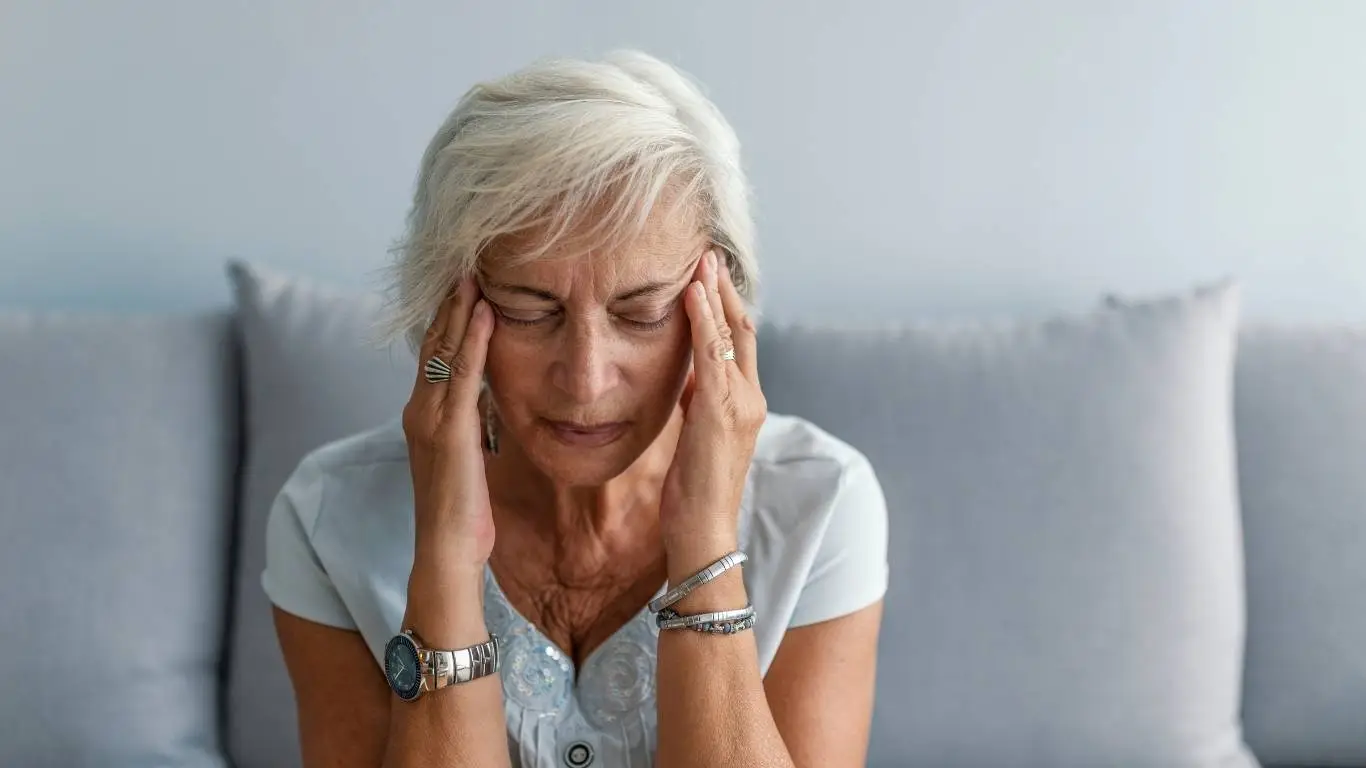
Staying properly hydrated is the simplest yet most neglected migraine prevention tactic. I noticed rebound migraines often paired with days when I hadn’t been drinking enough water.
Additionally, I had to reassess my food choices. Cold beverages or ice-cold smoothies, especially when consumed rapidly, had been sneakily aggravating my migraine cycles. Now, I opt for room temperature drinks whenever possible.
For those interested in more holistic strategies, there’s an insightful guide on Natural Remedies for Migraines that covers a wide array of lifestyle tweaks beyond the standard advice.
The Role of Magnesium and Nutrient Support
Adding magnesium supplements to my daily regimen made a noticeable difference in reducing migraine frequency. It’s subtle but powerful—especially when you pair it with balanced hydration.
For more diet-centric strategies, browsing the Migraine Diet Plan guide offers practical and science-backed food adjustments.
Re-Training Your Migraine Response

What finally helped me break the rebound migraine cycle was shifting from a reactive mindset (grab ice when it hurts) to a proactive one (build resilience against triggers). Incorporating mindfulness, consistent sleep schedules, and managing stress proactively reduced my dependence on instant relief methods.
I found the Migraine Symptoms guide incredibly helpful in understanding the subtle warning signs that precede a temperature-triggered attack.
While temperature-rebound migraines after ice can be frustratingly persistent, with the right strategies, you can absolutely reduce their frequency and severity. It’s about learning your body’s unique responses and adjusting your approach beyond conventional quick-fixes.

Bianca Nala is a compassionate Nurse Practitioner with a strong background in primary and respiratory care. As a health writer for Healthusias.com, she combines her clinical expertise with a talent for clear, relatable storytelling to help readers better understand their health. Bianca focuses on topics like asthma, COPD, chronic cough, and overall lung health, aiming to simplify complex medical topics without losing accuracy. Whether she’s treating patients or writing articles, Bianca is driven by a single goal: making quality healthcare knowledge accessible to everyone.