Does Caffeine Increase Vaginal Dryness or Trigger BV Flare-ups?
Okay, let’s talk about something that’s been nagging me for a while—caffeine and its unexpected side effects down there. You know, that morning coffee ritual that feels like a warm hug? Well, for some women (myself included), it can sometimes come with not-so-welcome aftershocks like dryness or an imbalance that spirals into bacterial vaginosis (BV). The connection might sound a little out there, but trust me, once you start noticing patterns, you can’t unsee them. So, I decided to dig deep into how caffeine might be messing with our vaginal health, and here’s what I found.
How Caffeine Affects Hydration and Vaginal Dryness

Caffeine, as beloved as it is, is a diuretic. Meaning, it encourages your body to flush out fluids faster. That’s great when you’re trying to beat bloat but not so fabulous when it’s stripping moisture from places where you actually need it. Vaginal tissues are super sensitive to hydration levels. When your overall body hydration dips, it can leave the vaginal walls feeling dry, irritated, and less elastic. Not a vibe.
It’s not just coffee either—energy drinks, teas, sodas, and those sneaky pre-workout powders are all culprits. And before you think switching to iced lattes will save you, nope, temperature doesn’t change caffeine’s dehydrating effects.
Is There a Threshold of “Safe” Caffeine for Vaginal Health?
Honestly, it’s not the occasional latte that’s the problem. It’s the consistent, high intake that tips the scale. Everyone’s sensitivity is different, but studies suggest that consuming over 300mg of caffeine daily can lead to noticeable dehydration effects. For some women, even a moderate amount could trigger vaginal dryness. Pay attention to how your body reacts—sometimes it whispers before it screams.
Does Caffeine Play a Role in Triggering BV Flare-ups?

Now, here’s where things get a little tricky. Bacterial Vaginosis isn’t caused by caffeine directly. However, caffeine’s impact on your hydration and immune response can create the perfect storm for BV to thrive. When the vaginal pH is slightly off, and your body’s defenses are low (thanks to dehydration and stress hormones spiked by caffeine), it can give harmful bacteria a chance to overgrow.
Also, did you know that caffeine increases cortisol levels? Elevated cortisol can affect your gut health, and there’s growing evidence that gut and vaginal microbiomes are interconnected. A disrupted gut could mean a compromised vaginal environment, making BV relapses more common. Here’s a deep dive into gut health and BV that explains this gut-vagina axis much better.
Signs Caffeine Might Be Contributing to Your BV Episodes
- Recurring BV despite following treatment plans
- Noticeable vaginal dryness after coffee-heavy days
- Increased vaginal odor or unusual discharge patterns post caffeine binges
- Heightened sensitivity to scented products (your flora is already compromised)
If you’ve ticked a couple of these, you might want to revisit your caffeine habits. Sometimes it’s not about quitting altogether but managing intake and ensuring hydration is prioritized.
Other Lifestyle Habits That Can Compound the Effects of Caffeine

Let’s be honest, caffeine isn’t acting solo here. Habits like inadequate water intake, over-cleansing intimate areas, tight synthetic underwear, and stress all play their parts. When you pile caffeine on top of these, it just exacerbates the issue.
Simple tweaks can help, like opting for breathable cotton underwear (here’s why it matters) and rethinking that midday energy drink. Also, stay wary of douching myths that promise a “quick fresh” but often leave you worse off.
Balancing Your Caffeine Fix Without Sabotaging Vaginal Health

I’ll be real—I’m not giving up my coffee anytime soon, but I’ve learned to play it smart. Hydration has become my non-negotiable. For every cup of coffee, I make it a point to double up on water. Also, including probiotics in my daily routine has been a game-changer. It’s not about eliminating pleasures but about balance.
For those of you dealing with stubborn BV recurrences, here’s a super practical guide on why BV keeps coming back that I found very eye-opening. And if you want to understand BV from the ground up, the main pillar page on bacterial vaginosis is a great place to start.
Additionally, make sure you understand the bigger picture by exploring how various risk factors contribute to BV. It’s not just caffeine, but when mixed with other lifestyle triggers, it can tip you over the edge.
For a broader understanding of maintaining intimate health and preventing frequent infections, the comprehensive guide on lifestyle, diet, and natural remedies from their main health pillar is also worth a read. It’s all connected.
Expert Opinions: Is Caffeine Really a Vaginal Health Culprit?

So, what do the experts say? The medical community is a bit divided. While there’s no bold headline saying “Caffeine Causes BV,” many gynecologists acknowledge caffeine’s indirect role. Dr. Lisa Hawthorne, a women’s health specialist I’ve followed, often points out that anything which disrupts hydration or spikes cortisol can impact vaginal flora. Caffeine happens to do both. It’s not the villain, but it’s definitely in the supporting cast when it comes to recurring vaginal dryness and pH imbalance issues.
Even the CDC mentions hydration as a key player in maintaining mucous membrane health. It’s a small detail, but crucial for those of us who are prone to these issues. The message? Moderation and balance, not elimination.
Common Myths About Caffeine and Vaginal Health You Should Stop Believing

- Caffeine flushes out infections. Nope. Just because it’s a diuretic doesn’t mean it “cleanses” anything. If anything, it can dehydrate protective mucous layers, leaving you more vulnerable.
- Switching to tea solves the problem. While tea has less caffeine than coffee, it still has dehydrating effects. Herbal teas? Better, but watch out for hidden caffeine in blends.
- Caffeine-induced BV is a myth. Caffeine doesn’t directly cause BV, but it sets off a chain reaction in your body that can create a favorable environment for it.
Realistic Steps to Reduce BV and Vaginal Dryness Without Quitting Caffeine
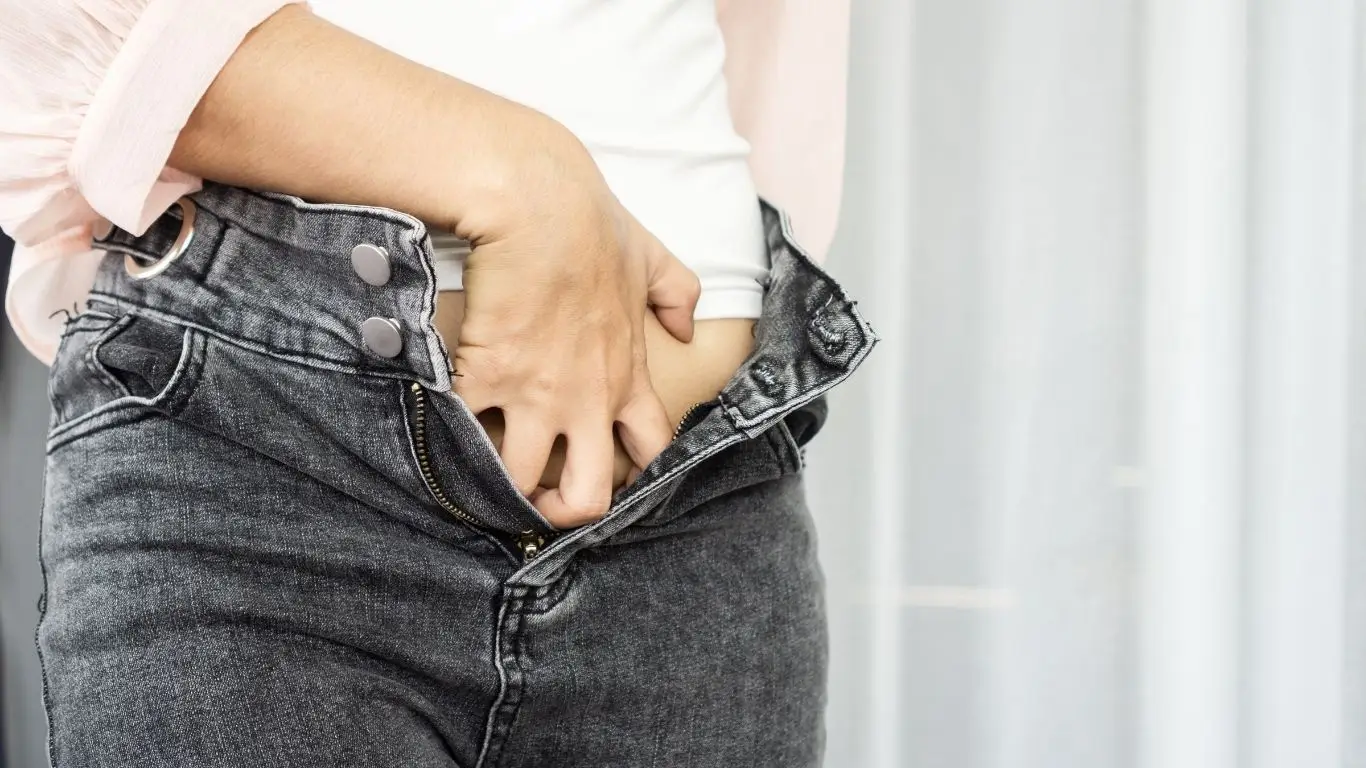
If you’re like me and parting ways with caffeine feels impossible, there’s still hope. It’s all about balance and supporting your body’s defenses. Here are a few steps that have worked wonders for me and countless others:
- Hydrate with intention: It’s not just about drinking water; it’s about timing it right. Aim for a glass of water before and after every caffeinated drink.
- Probiotics are your best friend: I swear by them. They help rebuild good bacteria and keep the vaginal microbiome resilient. Here’s a breakdown of the best probiotics for BV.
- Be mindful of hygiene habits: Over-cleansing and using harsh soaps can strip away protective bacteria. A balanced pH wash goes a long way. You can check this guide to feminine washes for BV prevention.
- Stress management is non-negotiable: Remember how caffeine spikes cortisol? Pair it with stress from work or life, and it’s a recipe for imbalance. Meditation or even 10-minute walks can be surprisingly effective.
What About Alternative Caffeine Sources? Are They Any Better?

You’ve probably wondered if green tea, matcha, or even caffeine-free coffee alternatives could be the solution. Here’s the scoop—green tea and matcha, while lower in caffeine, still act as mild diuretics. The upside? They come packed with antioxidants that can counter some oxidative stress caused by dehydration. It’s a bit of a trade-off.
Decaf coffee sounds promising, but be cautious. Many decaf options are processed using chemicals that could trigger sensitivities. If you go this route, look for water-processed decaf variants.
Herbal teas like chamomile or peppermint are your safest bet. They’re caffeine-free and have anti-inflammatory properties, which can help soothe irritated vaginal tissues.
When to Seek Professional Help (and What to Expect)

If you’ve tried moderating caffeine, increased your hydration, and adjusted your hygiene habits but still face recurring dryness or BV, it’s time to consult a healthcare provider. Persistent BV could indicate an underlying hormonal imbalance or even a gut health issue that requires professional intervention.
During your consultation, it’s helpful to come prepared with a log of your symptoms. Here’s a guide on how to document BV symptoms for diagnosis that makes this process way less daunting.
Also, don’t hesitate to ask your doctor about the connection between caffeine and your symptoms. Not all healthcare providers bring it up, but if you mention your observations, they can help guide you better.
How Long Does It Take to Notice Improvements?

Here’s the deal—it’s not an overnight fix. When I started reducing my caffeine intake, it took a good two to three weeks before I noticed significant improvements in hydration and overall comfort. For BV-related symptoms, especially if they’re recurrent, it might take a combination of hydration, probiotics, and possibly medical treatment before you see lasting results.
Patience and consistency are key. Quick fixes often backfire, but sustainable habits create lasting changes.
Additional Resources for Maintaining Optimal Vaginal Health

If you’re serious about keeping BV at bay and want to take a holistic approach, I highly recommend exploring this guide on using apple cider vinegar for BV. It’s not a miracle cure, but it’s a valuable tool in your arsenal.
And don’t forget, staying informed is your strongest weapon. Dive deeper into the core topics surrounding BV and vaginal health in the comprehensive lifestyle and diet pillar article. Yes, it’s labeled under back pain, but it’s all about holistic wellness, which absolutely ties into this conversation.
Lastly, the main hub for bacterial vaginosis is your go-to for the latest updates and actionable insights.

Dr. Gwenna Aazee is a board-certified Internal Medicine Physician with a special focus on hypertension management, chronic disease prevention, and patient education. With years of experience in both clinical practice and medical writing, she’s passionate about turning evidence-based medicine into accessible, actionable advice. Through her work at Healthusias.com, Dr. Aazee empowers readers to take charge of their health with confidence and clarity. Off the clock, she enjoys deep dives into nutrition research, long walks with her rescue pup, and simplifying medical jargon one article at a time.