Struggling With Back Pain When Standing Up? Fix Sitting-To-Standing Mistakes Fast
If you’ve ever felt that dull ache in your lower back when standing up after sitting for a while, you’re not alone. I used to think it was just part of getting older or sitting “the wrong way,” but oh boy, was I wrong. Transitioning from sitting to standing shouldn’t feel like a chore or a back-breaking workout. Yet, for many of us, back pain has made this simple movement surprisingly tricky. Let’s dive into what’s really going on and how you can fix it.
Why Does My Back Hurt When I Stand Up from Sitting?

When you sit for extended periods, your body naturally adapts to that position. Your hip flexors tighten, your glutes shut down, and your lower back picks up the slack. This muscle imbalance creates a perfect storm when you attempt to stand. Suddenly, your back muscles are forced to overcompensate, leading to that stabbing or aching sensation.
The Hidden Role of Poor Posture
Let’s be honest, we all slump in our chairs more often than we’d like to admit. Poor posture during sitting, especially when working from a desk, is a leading contributor to chronic back pain. Over time, this forward-leaning posture shortens the muscles in the front of your body while overstretching and weakening your back muscles.
Prolonged Sitting and Muscle Deactivation
One of the most surprising discoveries in my own journey was how prolonged sitting literally “turns off” key stabilizing muscles. The glutes, which should be powering you up when you stand, become lazy. This forces your lumbar spine to bear the load, increasing strain and discomfort. If you’ve noticed that getting up feels like peeling yourself off the chair, you’re not imagining things. The science backs it up.
Common Mistakes People Make When Standing Up
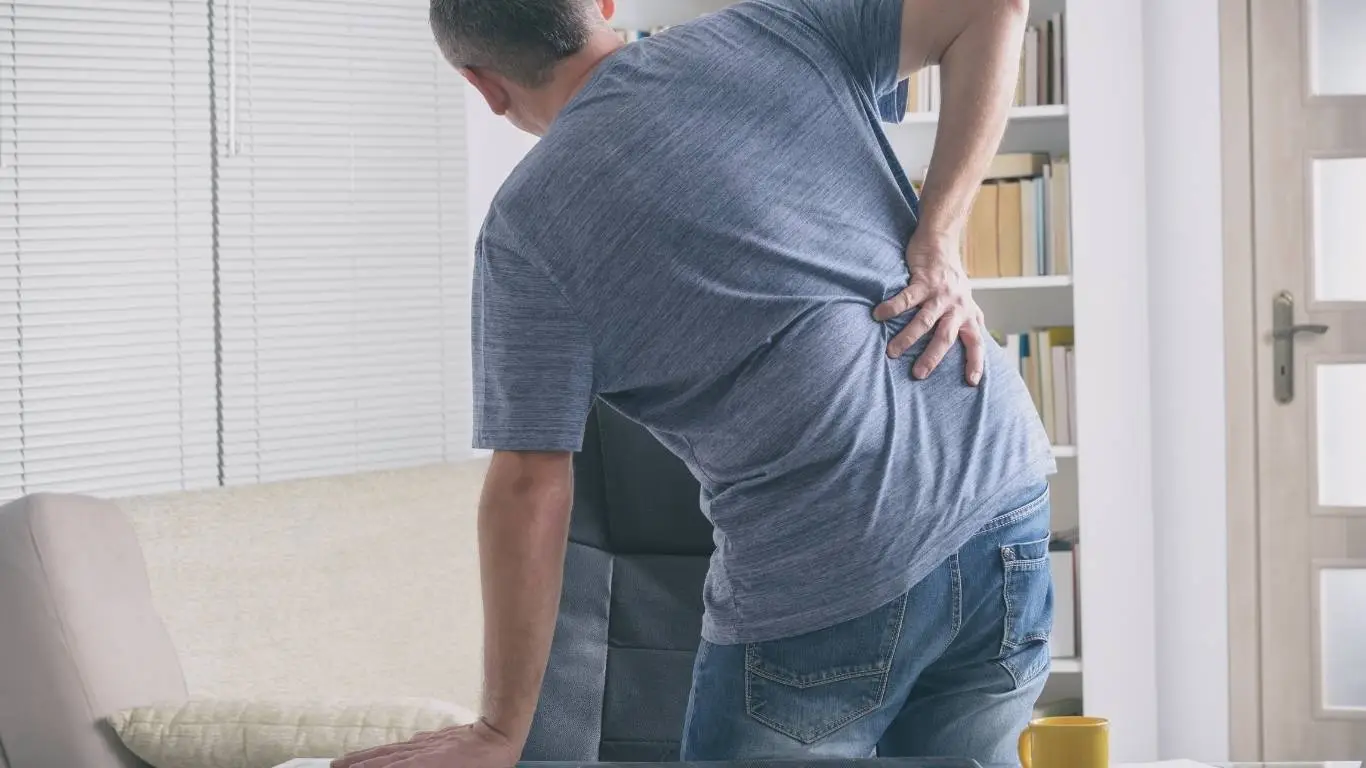
Most people don’t think twice about *how* they stand up, but trust me, small tweaks in this movement can make a huge difference. Here are a few mistakes that can worsen your back pain:
- Leaning forward excessively before pushing up, straining the lower back.
- Pushing through the toes instead of engaging the glutes and legs.
- Rapid, jerky movements rather than controlled transitions.
These habits put unnecessary pressure on the lumbar discs, which can exacerbate existing issues like herniated discs or even create new ones.
Effective Strategies to Reduce Back Pain During Sitting-to-Standing Transitions

Luckily, you don’t need fancy gadgets or complex routines to improve this transition. Here’s what worked wonders for me and countless others:
1. Mastering Hip Hinge Movements
Learning to hinge at the hips rather than flexing the spine can drastically reduce stress on your lower back. It might feel awkward at first, but with a bit of practice, it becomes second nature.
2. Engage Core and Glutes Consciously
Before rising, take a moment to gently brace your core and activate your glutes. These two muscle groups are your spine’s best friends. Strengthening them not only eases pain but also enhances your overall posture. If you’re dealing with recurring issues, check out our guide on exercise rehabilitation and ergonomics to build a sustainable routine.
3. Avoid Prolonged Static Sitting
Simply getting up more often can make a world of difference. Aim to stand or walk for a few minutes every 30-45 minutes. Investing in a standing desk or using movement reminders can help combat the effects of prolonged sitting.
Ergonomic Tools That Make Standing Up Easier

Sometimes, it’s not just about our bodies but also the environment we’re in. Ergonomic furniture and accessories can significantly reduce the strain of transitioning from sitting to standing. Consider:
- Chair with proper lumbar support to maintain spine curvature.
- Adjustable desk height that promotes a natural posture.
- Footrests or standing mats to alleviate pressure on the lower back.
For a deeper dive into ergonomic solutions, visit our comprehensive article on back pain management in occupational settings.
When Should You Be Concerned?

Most sitting-to-standing discomfort can be managed with corrective movements and ergonomic tweaks. However, if you experience sharp, shooting pain down your leg, numbness, or persistent stiffness that worsens over time, it could signal underlying conditions like sciatica or spinal stenosis. Early intervention is key. Check out our guide on back pain symptoms and diagnosis for signs you shouldn’t ignore.
For a holistic view of back pain management, our main back pain resource hub offers expert-backed insights and tips to navigate your journey to a pain-free life.
Stretching Techniques That Ease Transition Pain Instantly

One of the best things I ever did for my back was incorporating micro-stretches throughout the day. You don’t need a yoga mat or fancy gear — just a willingness to move. Simple stretches like standing hamstring stretches, seated spinal twists, or the famous cat-cow stretch can make standing up feel less like lifting a truck.
What’s more, specific stretches target tight hip flexors and hamstrings, which are often the root of sitting-induced back tension. You’ll find detailed tutorials on effective routines in our back pain stretch guide. Trust me, once you get into the habit, your body will thank you.
Dynamic vs. Static Stretching – Which is Better?
This was a game-changer for me. For pre-sitting activities, dynamic stretches that involve controlled movements (think leg swings or hip circles) warm up the muscles and prepare them for prolonged sitting. On the other hand, static stretches like seated hamstring holds are best done after long sitting sessions to decompress tight muscles.
The Mental Aspect: Why Standing Feels Harder Than It Should

Funny enough, your brain plays a bigger role in how your back feels than you might expect. I noticed that on stressful days, my lower back would flare up more, especially when standing up. It’s not just physical — mental stress tightens muscles subconsciously. Techniques like mindfulness meditation and body scans helped me reconnect with my posture and muscle tension.
Learn more about the link between mental health and back pain, and how simple daily practices can ease your physical discomfort.
Small Daily Habits That Reduce Sitting-to-Standing Pain Long-Term

Changing your sitting-to-standing experience isn’t about overhauling your lifestyle overnight. It’s about micro-adjustments that add up. Here are habits that transformed my back health over time:
- Setting hourly reminders to change posture or stand briefly.
- Incorporating lumbar-friendly chairs and ergonomic seat cushions.
- Using a footrest to maintain a neutral pelvic position while sitting.
- Adjusting screen height to avoid slouching.
For those working in static desk setups, these small interventions can drastically reduce the struggle of standing up. I found this incredibly useful during long workdays, where the body tends to settle into poor habits without realizing it.
Should You Consider Professional Help?

Sometimes, despite our best efforts, the pain persists. That’s when consulting a physical therapist or ergonomics specialist becomes crucial. I personally benefitted from a few guided sessions where a therapist pointed out subtle posture imbalances I never noticed.
Advanced therapies like chiropractic adjustments and posture-specific rehab can offer deeper relief for chronic issues. The key is early intervention and personalized strategies tailored to your body’s unique needs.
Transitioning Pain-Free: Your Daily Movement Protocol

To wrap up, here’s a simplified daily routine I follow to ensure my back stays cooperative every time I stand up from a chair:
- Before Sitting: Perform a 2-minute dynamic warm-up.
- While Sitting: Maintain lumbar support and avoid crossing legs for extended periods.
- Before Standing: Activate glutes by gently pressing feet into the ground.
- Standing Up: Hinge at the hips, keep chest up, and drive through your heels.
- Post-Standing: Do a quick 30-second hamstring or hip flexor stretch.
Consistency is everything. It’s not about perfection but about being mindful of these micro-movements that, over time, protect your back from unnecessary wear and tear.
If you want a comprehensive guide to improving daily functional movements, our article on ergonomic exercises for back health is a must-read. And for a broader understanding of back pain triggers and solutions, visit our main back pain hub.

Camellia Wulansari is a dedicated Medical Assistant at a local clinic and a passionate health writer at Healthusias.com. With years of hands-on experience in patient care and a deep interest in preventive medicine, she bridges the gap between clinical knowledge and accessible health information. Camellia specializes in writing about digestive health, chronic conditions like GERD and hypertension, respiratory issues, and autoimmune diseases, aiming to empower readers with practical, easy-to-understand insights. When she’s not assisting patients or writing, you’ll find her enjoying quiet mornings with coffee and a medical journal in hand—or jamming to her favorite metal band, Lamb of God.