How to Manage Floaters That Flicker During Sunset Walks Effectively
I remember the first time I noticed those tiny flickering specks in my vision during an evening walk. The sunset was gorgeous, yet these little floaters danced around like they had their own agenda. At first, I thought it was just tired eyes or dust. But as it kept happening, curiosity (and a bit of worry) made me dig deeper.
Why Do Floaters Flicker More During Sunset Walks?
It’s not your imagination — floaters seem more noticeable during sunset walks, and there’s a real reason for that. When sunlight hits the eye at lower angles, especially with the vibrant hues of dusk, the contrast between the floaters and the bright backdrop sharpens. This makes those flickers feel more aggressive and distracting.
The Science Behind This Phenomenon
Floaters are essentially tiny clumps of collagen floating in the vitreous humor of the eye. During the day, ambient light disperses these shadows, making them less noticeable. But sunset light behaves differently:
- Low-angle sunlight intensifies shadows inside the eye
- Warmer tones increase the contrast of floaters against your vision
- The dilated pupils in dimmer light make floaters appear larger and more pronounced
If you’ve ever noticed your floaters “pulsing” as you walk, it’s partly due to how your eye muscles adjust to focus, while the floating debris shifts within your eye’s gel-like fluid.
Are Flickering Floaters During Sunset a Warning Sign?
The good news? For most people, this is harmless. However, sudden increases in floaters, especially those that flicker aggressively, could sometimes signal retinal issues. I stumbled across a great breakdown on this at Floaters Before Retinal Tear — worth a read if you’re seeing sudden “showers” of floaters.
Most often, flickering floaters during sunset walks are benign but annoying. But when accompanied by light flashes, curtain-like shadows, or a sudden burst of new floaters, that’s a red flag to get checked immediately.
What Makes Floaters More Visible in Certain Lighting Conditions?
Lighting plays a massive role in how we perceive these pesky specks. The sunset, with its intense gradients and shifting brightness, is prime time for floaters to make their grand entrance. But it’s not just about light intensity:
- Angle of Light Entry: Light entering the eye at a slant during sunset casts sharper shadows of floaters on the retina.
- Eye Fatigue: After a long day, your eyes might be more sensitive, making floaters seem bigger or faster.
- Dry Eye Factors: Believe it or not, sunset walks in breezy conditions can dry out the surface of your eyes, enhancing visual disturbances like floaters. Check out Dry Eye and Floaters Connection for more on this.
Why Movement Triggers the Flickering Effect
When you’re walking, every slight movement of your head shifts the position of the vitreous, causing floaters to drift. The rhythm of your steps can create a “pulse” effect, making them flicker as if they’re dancing to your footsteps. I often feel like mine sync with my pace, which is oddly fascinating and frustrating at the same time.
Simple Tricks to Reduce Floater Distractions During Evening Walks
While you can’t get rid of floaters instantly, there are a few hacks that have genuinely worked for me:
- Wear Gradient Sunglasses: They help in diffusing the intense light contrast at sunset, softening the floaters’ sharpness.
- Keep Eyes Moisturized: Using preservative-free artificial tears before walks helps reduce dry eye-induced floater magnification.
- Slow Down Your Pace: Slower head movements = less dramatic flickering effect. Trust me, it works.
- Mind Your Diet: Certain nutrients play a role in eye health. Lutein-rich foods have been a game-changer for me.
When Should You Be Concerned?
Most floaters are just age-related annoyances, but sudden changes should never be ignored. If your floaters are accompanied by flashes of light, vision loss, or an increase in number within a short period, it’s best to consult an eye specialist. Articles like Dangerous Signs of Eye Floaters break this down really well.
It’s also crucial to distinguish floaters from other vision disturbances. The article Eye Floaters vs Other Eye Problems is a solid guide to help figure that out.
Want to Understand Floaters in Depth?
If you’re curious to dive deeper into floaters, their causes, and treatments, the comprehensive guide on What Are Eye Floaters? Causes, Symptoms, and Treatment Options is a must-read. For a focused take on common causes from aging to injuries, this article is also gold: Common Causes of Eye Floaters.
And don’t worry — we’re far from done exploring this subject.
Natural Remedies: Can You Really “Dissolve” Floaters Over Time?
I’ll be upfront — there’s no magic eye drop that will make floaters disappear overnight. But from personal experience and countless discussions with ophthalmologists, there are some natural methods that can ease their intensity.
Here’s what’s actually worth trying:
- Hydration Matters: Dehydration thickens the vitreous gel, making floaters more prominent. Regular water intake genuinely helps. You can read more about it here.
- Omega-3 Supplements: I started incorporating fish oil into my diet a while back, and while it didn’t erase floaters, it did improve overall eye comfort, especially during sunset walks.
- Eye Exercises: Yes, they sound gimmicky, but gently moving your eyes up and down, side to side can help shift floaters out of your central vision temporarily.
There’s a lot of chatter online about floaters dissolving over time naturally. The truth? They often settle at the bottom of the vitreous, drifting out of your field of vision. Patience is key.
Medical Treatments for Persistent or Severe Floaters
For those whose floaters interfere with daily life, especially in bright conditions like sunset strolls, there are clinical treatments available:
- Laser Vitreolysis: A non-invasive procedure where a laser is used to break up large floaters, making them less noticeable.
- Vitrectomy: A more aggressive surgical option where the vitreous gel (and the floaters within it) is removed and replaced with a saline solution.
But a word of caution — these aren’t first-line treatments. They’re typically reserved for cases where floaters are truly debilitating. This detailed guide covers the pros and cons extensively.
Do These Procedures Work?
The success rates vary. I’ve met people who swear by laser treatments, while others felt it made little difference. The key takeaway? It depends on the type, size, and location of your floaters. Consulting a specialist who has experience with these procedures is critical.
Lifestyle Tweaks That Can Make a Huge Difference

Not every solution needs to be medical. Small, daily habit changes can help minimize the nuisance factor of floaters:
- Screen Breaks: Reducing screen glare with anti-reflective coatings and taking frequent breaks can ease eye strain-related floater flare-ups. I learned this the hard way after long coding sessions.
- Proper Lighting: Adjusting your indoor lighting, especially during sunset hours, can help reduce floater contrast.
- Mindful Eye Movements: Instead of rapid glances, slow head movements can prevent floaters from suddenly swaying into your field of vision.
It might sound simple, but these tweaks have significantly lessened how much I notice my floaters during my evening walks.
Is Stress Making Your Floaters Worse?
Here’s an underrated point: stress and anxiety can amplify how you perceive floaters. The more I fixated on them, the more disruptive they became. I found that simple mindfulness exercises and staying relaxed during walks made a noticeable difference.
Stress-induced floaters are a real phenomenon. This article breaks down the stress-floater connection in detail.
What to Expect as You Age with Floaters
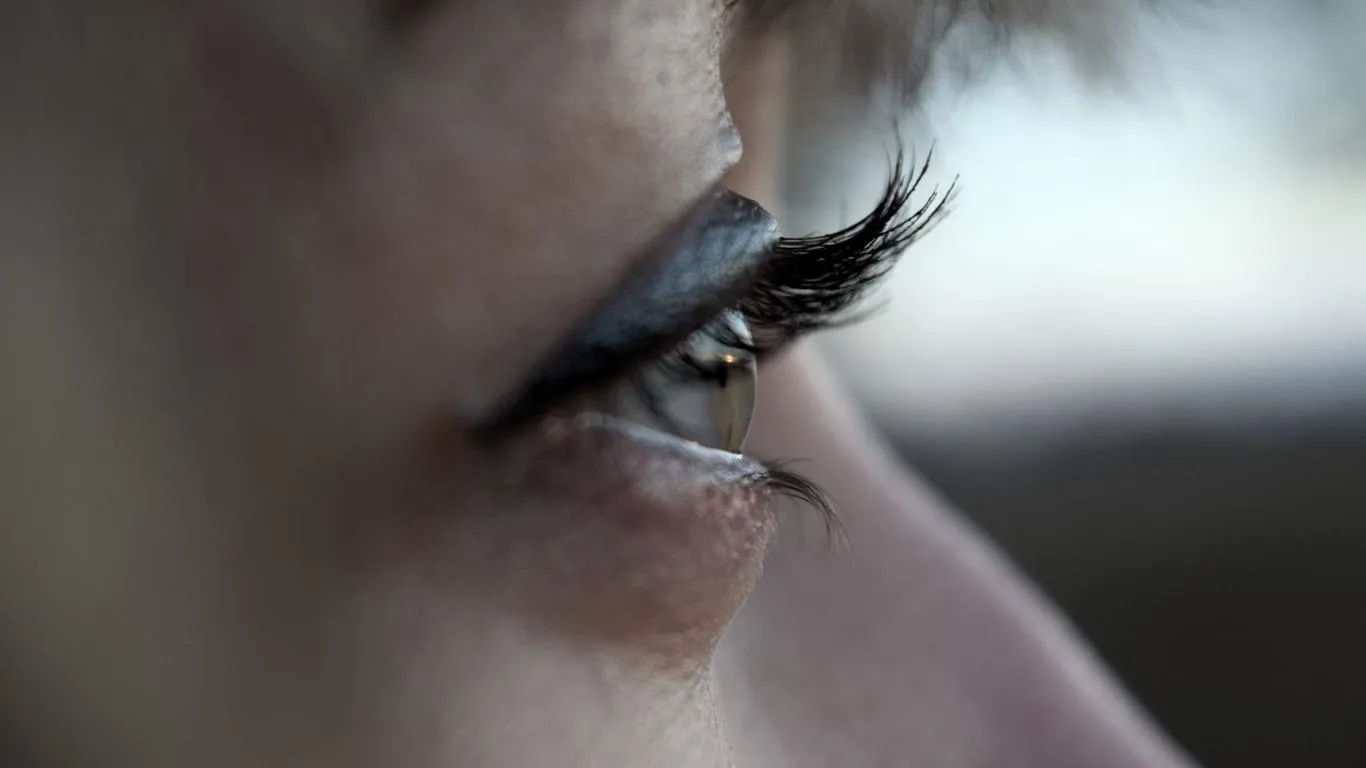
As we age, the vitreous naturally becomes more liquefied, leading to more frequent floaters. But the good news is, your brain gets better at ignoring them. I can vouch for this — after years of being hyper-aware, my brain has learned to filter them out unless I consciously look for them.
For a deeper dive into age-related floater development, I highly recommend reading this resource.
When to See an Eye Specialist Immediately
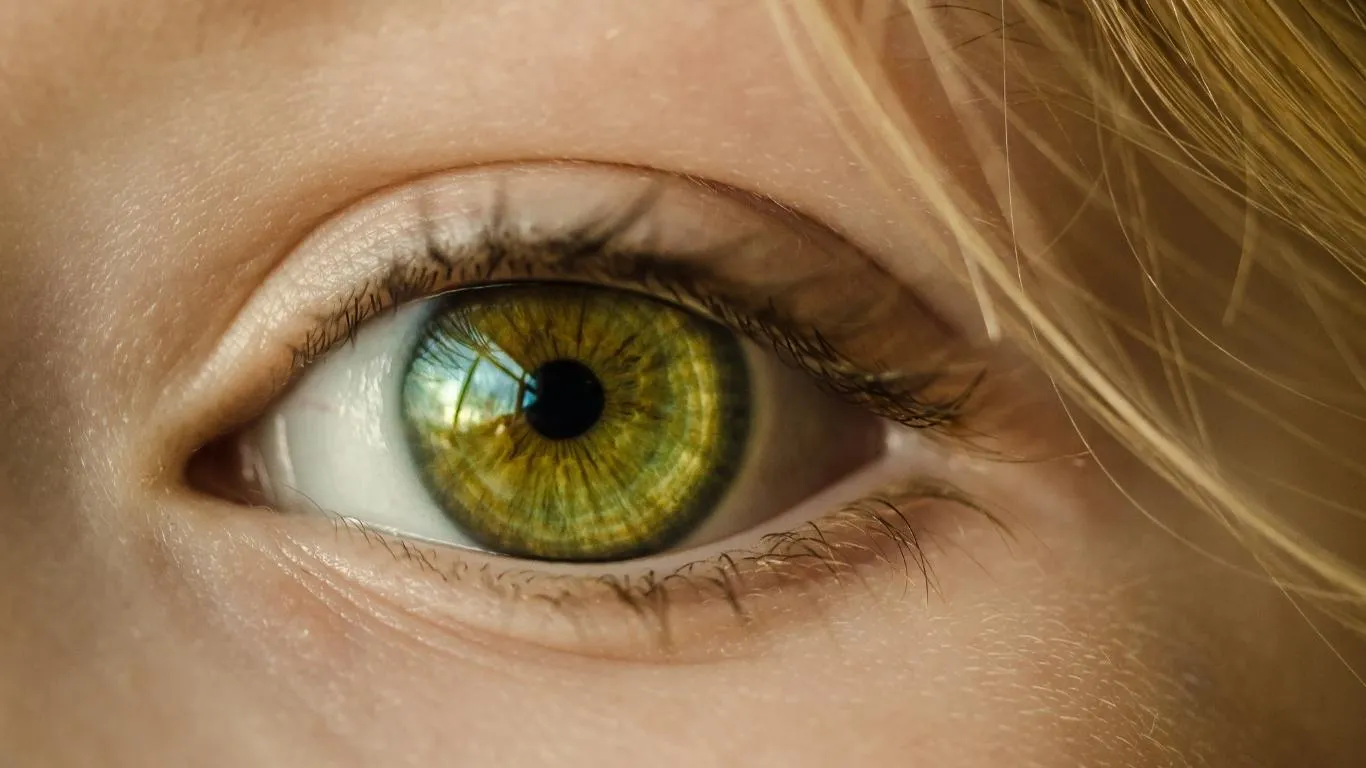
Let’s be clear: not all floaters are innocent. If you experience:
- A sudden shower of new floaters
- Flashes of light in your side vision
- A dark curtain effect moving across your sight
…it’s time for an urgent check-up. These could be signs of retinal detachment, which requires immediate attention. Check out this piece to differentiate harmless floaters from dangerous signs.
In-Depth Guide on Floaters and Vision Health

If you’re eager to understand the broader context of floaters, from natural remedies to surgical options, I highly suggest reading the comprehensive guide on What Are Eye Floaters?. It’s an invaluable resource for anyone dealing with these visual nuisances. Additionally, the article on Eye Floater Treatments offers a no-nonsense breakdown of available options.
Lastly, remember — you’re not alone in this. Many people notice floaters more during serene sunset walks. While they can be frustrating, understanding them is the first step to not letting them control your experience.

Camellia Wulansari is a dedicated Medical Assistant at a local clinic and a passionate health writer at Healthusias.com. With years of hands-on experience in patient care and a deep interest in preventive medicine, she bridges the gap between clinical knowledge and accessible health information. Camellia specializes in writing about digestive health, chronic conditions like GERD and hypertension, respiratory issues, and autoimmune diseases, aiming to empower readers with practical, easy-to-understand insights. When she’s not assisting patients or writing, you’ll find her enjoying quiet mornings with coffee and a medical journal in hand—or jamming to her favorite metal band, Lamb of God.