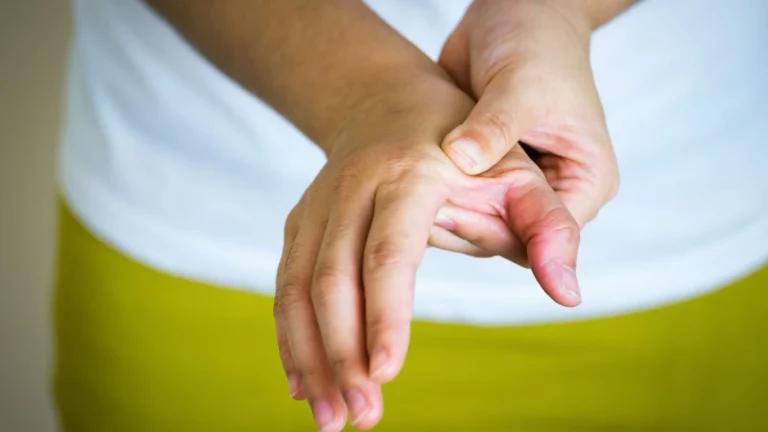
Why Standing Still Hurts But Walking Relieves Back Pain Fast
Ever stood in line at the grocery store, and out of nowhere, your lower back starts nagging you? But then, oddly enough, the moment you start walking back to your car, the discomfort eases up? Yeah, I’ve been there too. It’s not your imagination. This weird contrast between standing still pain and walking relief in back pain is surprisingly common and, more importantly, telling. Let’s break down why this happens and how you can actually use it to your advantage.
Why Standing Still Feels Like a Punishment for Your Back

The Science of Static Load on Your Spine
When you stand still, gravity isn’t doing your back any favors. The static load on your spinal discs, ligaments, and lower back muscles increases because there’s no movement to redistribute pressure. Muscles fatigue, and postural imbalances amplify the strain. In fact, prolonged standing is a major trigger in postural-related back pain that’s often overlooked.
Muscle Imbalances Get Exposed
If you’ve got muscle imbalances—which, let’s face it, most of us do from years of sitting—the moment you stand still, your body has to fight to maintain alignment. Tight hip flexors, weak glutes, and a lazy core are the perfect recipe for that dull, nagging ache while standing.
Why Walking Seems to “Magically” Relieve the Pain

Movement Restores Circulation and Activates Support Muscles
Walking engages your glutes, core, and leg muscles. This subtle activation stabilizes your spine and redistributes load away from overstressed tissues. Plus, walking boosts circulation, flushing out metabolic waste that builds up during static standing. That’s why many with lumbar radiculopathy or spinal stenosis notice immediate relief once they get moving.
It’s Not Just the Muscles—Your Nerves Appreciate Movement Too
Another layer to this phenomenon is nerve dynamics. Standing still can compress certain nerve roots, especially in conditions like spinal stenosis or degenerative disc disease. Gentle walking encourages what’s called “nerve flossing,” where nerves glide smoothly through surrounding tissues, reducing irritation.
Is Your Standing Still Pain Hinting at Spinal Stenosis?
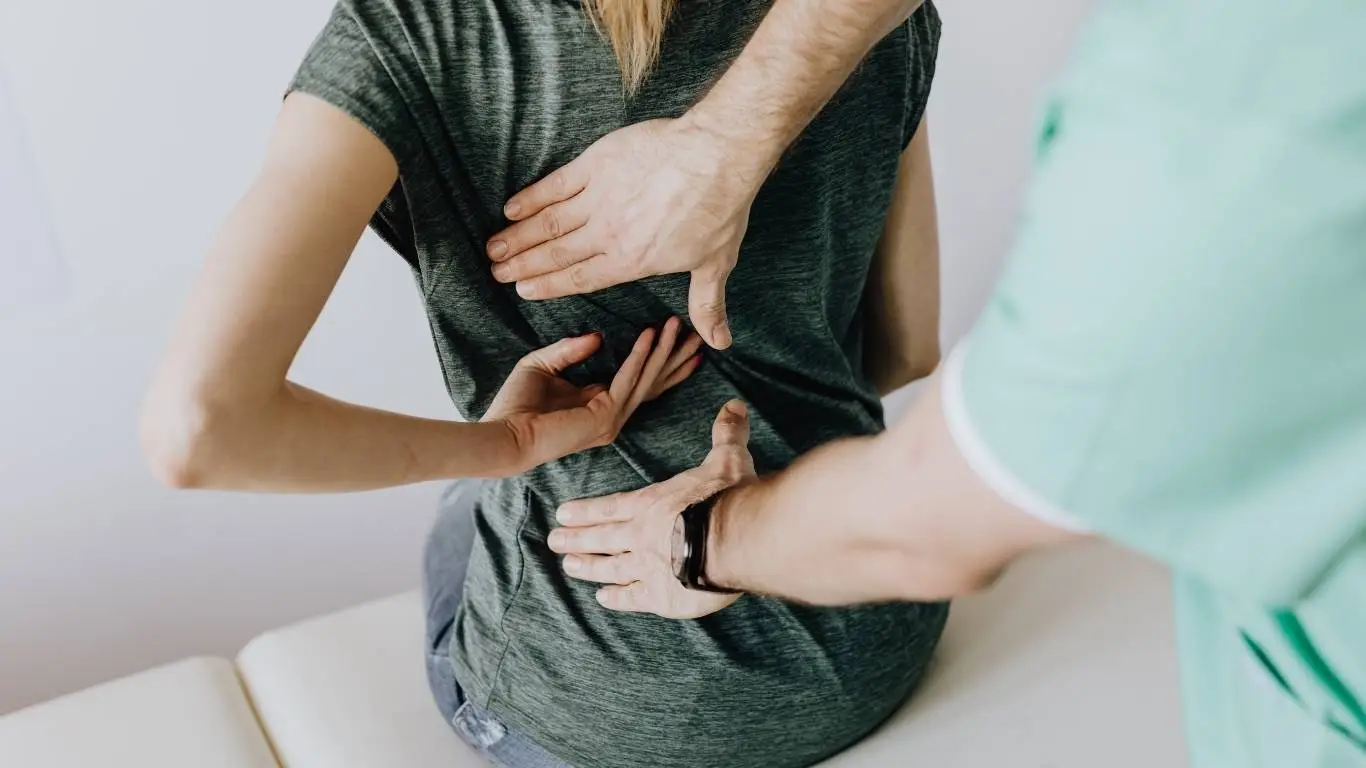
One of the biggest red flags of standing-induced back pain is its link to spinal stenosis. This condition involves narrowing of the spinal canal, leading to nerve compression. Classic signs? Pain intensifies while standing but improves with forward bending or walking. That’s why grocery carts are a lifesaver for many stenosis sufferers.
How to Spot the Difference Between Stenosis and Disc Pain
- Stenosis: Pain worsens standing still, improves with walking/bending forward.
- Disc Issues: Pain might shoot down your leg with bending or sitting, walking may not always relieve it.
If you notice consistent patterns of relief with walking, it’s worth diving deeper into a proper MRI evaluation to check for stenosis or disc involvement.
Standing Pain? Here’s What Helped Me Get Through It

Micro-Movements Are a Lifesaver
One personal trick I swear by? Micro-movements. Slight pelvic tilts, subtle weight shifts from one foot to another—it keeps the blood flowing and prevents that “locked” feeling in my lower back.
Alternate Standing and Walking Breaks
If I’m at an event or standing desk setup, I set a reminder every 20 minutes to take a short walk. It doesn’t need to be far; a few steps can reset my back and stave off discomfort.
Don’t Underestimate Ergonomic Supports
A standing mat with proper cushioning made a noticeable difference for me. For longer durations, I found that wearing a subtle lumbar support brace helped offload some stress off my lower spine during chores like cooking.
When Walking Doesn’t Help: Time to Re-Evaluate
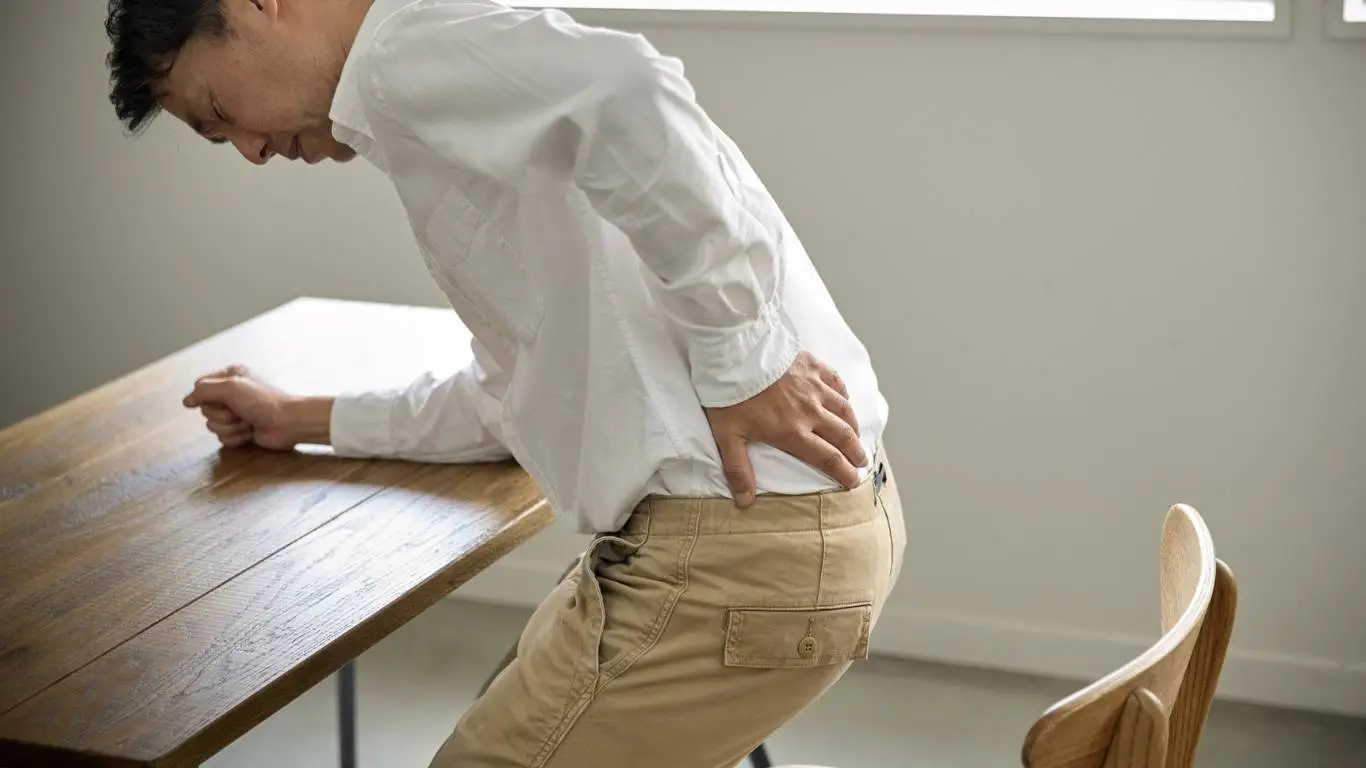
Though walking provides relief for many, if your pain persists or worsens despite movement, it could be a sign of deeper structural issues. Conditions like herniated discs, spondylolisthesis, or even facet joint syndrome might require more targeted interventions. Check out this comprehensive guide on symptoms and diagnosis for a deeper dive.
For an overall understanding of how posture, lifestyle, and treatment approaches can shift your back health journey, don’t miss the main resource on back pain. Also, this detailed section on back pain causes is a must-read if you’re aiming to understand the root triggers.
Simple Daily Habits That Reduce Standing Still Back Pain

The Power of Posture Awareness
I’ll be honest—before I got mindful of my posture, I didn’t realize how often I leaned on one leg while standing, which just added to my lower back tension. Simple tweaks like keeping my weight evenly distributed and slightly softening my knees have been game-changers. For anyone struggling with this, check out these posture corrector options that can give subtle reminders throughout the day.
Footwear Matters More Than You Think
Standing in unsupportive shoes is like asking for back pain. Flat sandals, worn-out sneakers, or heels—all spell trouble. Switching to shoes with proper arch support made a huge difference for me. I also learned that flat feet can quietly be a culprit for standing discomfort. Custom orthotics might be worth considering if you’re battling this hidden factor.
Standing Desks: Friend or Foe?

There’s been a surge of people jumping on the standing desk trend. While they can be beneficial, they’re not a one-size-fits-all solution. From my experience, alternating between sitting and standing works best. Rigidly standing for hours is counterproductive.
Desk Hacks That Saved My Back
- Using an anti-fatigue mat to cushion my standing time
- Keeping my monitor at eye level to avoid slouching forward
- Setting up a footrest to shift my weight periodically
If you’re considering a setup, this guide on ergonomics and daily routines can help you avoid pitfalls.
When Standing Pain Signals Something More Serious

Don’t Ignore Red Flags
Persistent pain that doesn’t improve with movement, numbness, or radiating leg pain shouldn’t be brushed aside. Conditions like SI joint dysfunction or spinal tumors, while less common, do exist. Early diagnosis can save you from years of chronic discomfort. If standing triggers sharp or electric-like pain, get evaluated without delay.
Imaging and Diagnostics
While X-rays are a starting point, they often miss soft tissue and nerve involvement. This is why MRIs are crucial for back pain assessments. In some cases, nerve conduction studies might reveal hidden issues that traditional imaging overlooks.
Exercise Strategies to Build “Standing Resilience”
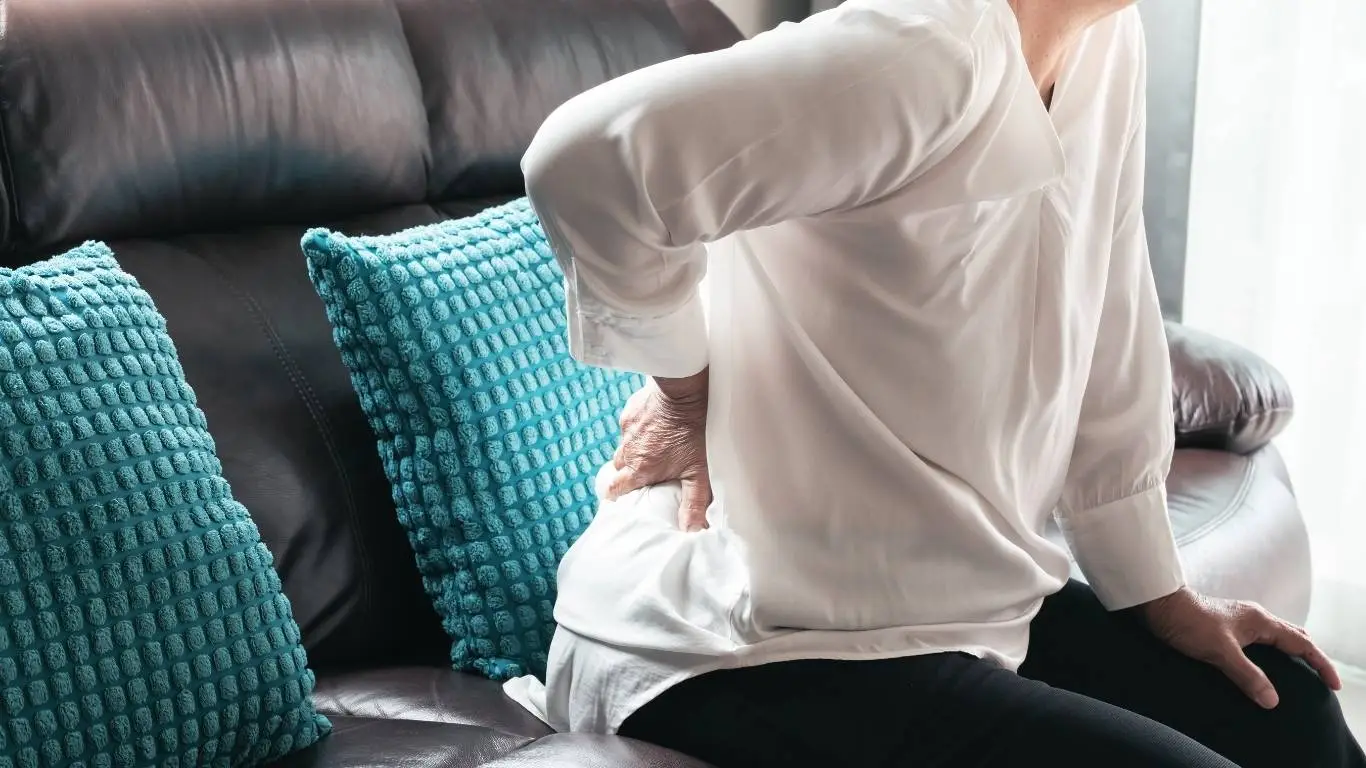
Core Strength is Non-Negotiable
I used to think crunches were the answer to core strength, but honestly, they did more harm than good. What really helped was focusing on deep core stabilizers—planks, bird dogs, and pelvic tilts. These exercises activate the right muscles to support my spine during standing tasks. For a deeper dive, explore these core engagement techniques specifically for spine safety.
Glutes: The Unsung Heroes of Spinal Support
Weak glutes shift the burden to your lower back. Simple moves like glute bridges and resisted side steps worked wonders in improving my standing endurance. Remember, it’s not about heavy weights; it’s about consistent activation.
Incorporating Mobility Drills
Tight hips and hamstrings exacerbate back pain while standing. I made it a habit to perform hamstring stretches and hip openers daily. Mobility drills aren’t flashy but are essential for long-term relief.
Lifestyle Hacks for Managing Standing-Induced Back Pain

Mindfulness: Pain Perception Can Be Rewired
Mindfulness wasn’t on my radar until my physical therapist suggested it. Turns out, focusing on breathing and body scans helped me manage the frustration of standing-induced pain. Studies from ncbi.nlm.nih.gov support mindfulness as a tool for chronic pain management.
Anti-Inflammatory Nutrition Supports Recovery
Adding more anti-inflammatory foods—think leafy greens, omega-3-rich fish, and turmeric—didn’t give me instant relief, but over weeks, the cumulative effect was real. Reducing processed foods and sugar curbed the inflammatory flare-ups that made my back more sensitive during long standing periods.
Leveraging Wearable Tech
One of my recent upgrades was using a posture tracking wearable. It gently vibrates when I slouch or lean improperly while standing. Subtle, yet effective. Curious about these? Here’s a breakdown of AI-based posture monitors that can help maintain spinal alignment.
When Professional Help is the Right Call

Physical Therapy Tailored to Your Pain Pattern
Working with a physical therapist who truly understood the standing still vs walking pain dynamic was pivotal for me. They identified movement patterns I wasn’t even aware of and structured a program around my lifestyle—not some generic plan.
Alternative Therapies That Surprised Me
- Chiropractic Adjustments: Helped with spinal alignment tweaks.
- Massage Therapy: Worked wonders for deep muscle tension that standing aggravated.
- Acupuncture: Honestly, I was skeptical at first, but it reduced the nerve irritability that flared up during prolonged standing.
For anyone considering these, here’s an insightful read on why chiropractic adjustments are worth exploring and how acupuncture plays a role in chronic back pain relief.
Standing still pain vs walking relief isn’t just a quirky phenomenon—it’s a loud message from your body. Recognizing the signals, understanding the mechanics, and making small, strategic changes in daily life can pivot your back pain journey in a better direction. For a comprehensive guide on how ergonomic factors play into this, check out this resource on back pain in occupation and travel. And don’t miss the main back pain hub that covers everything from symptoms to treatments in depth.

Camellia Wulansari is a dedicated Medical Assistant at a local clinic and a passionate health writer at Healthusias.com. With years of hands-on experience in patient care and a deep interest in preventive medicine, she bridges the gap between clinical knowledge and accessible health information. Camellia specializes in writing about digestive health, chronic conditions like GERD and hypertension, respiratory issues, and autoimmune diseases, aiming to empower readers with practical, easy-to-understand insights. When she’s not assisting patients or writing, you’ll find her enjoying quiet mornings with coffee and a medical journal in hand—or jamming to her favorite metal band, Lamb of God.