How to Stop Floaters Distracting You When Reading Handwritten Notes
Ever been reading handwritten notes and suddenly, out of nowhere, these little floaters drift across your vision? Yeah, me too. I remember sitting in a quiet café, reviewing an old notebook, when a squiggly shadow danced over the page. I blinked, rubbed my eyes, but it wouldn’t go away. Turns out, I wasn’t imagining things — floaters while reading handwritten notes are a real phenomenon, and it’s more common than you think.
Why Do Floaters Seem More Noticeable on Handwritten Pages?
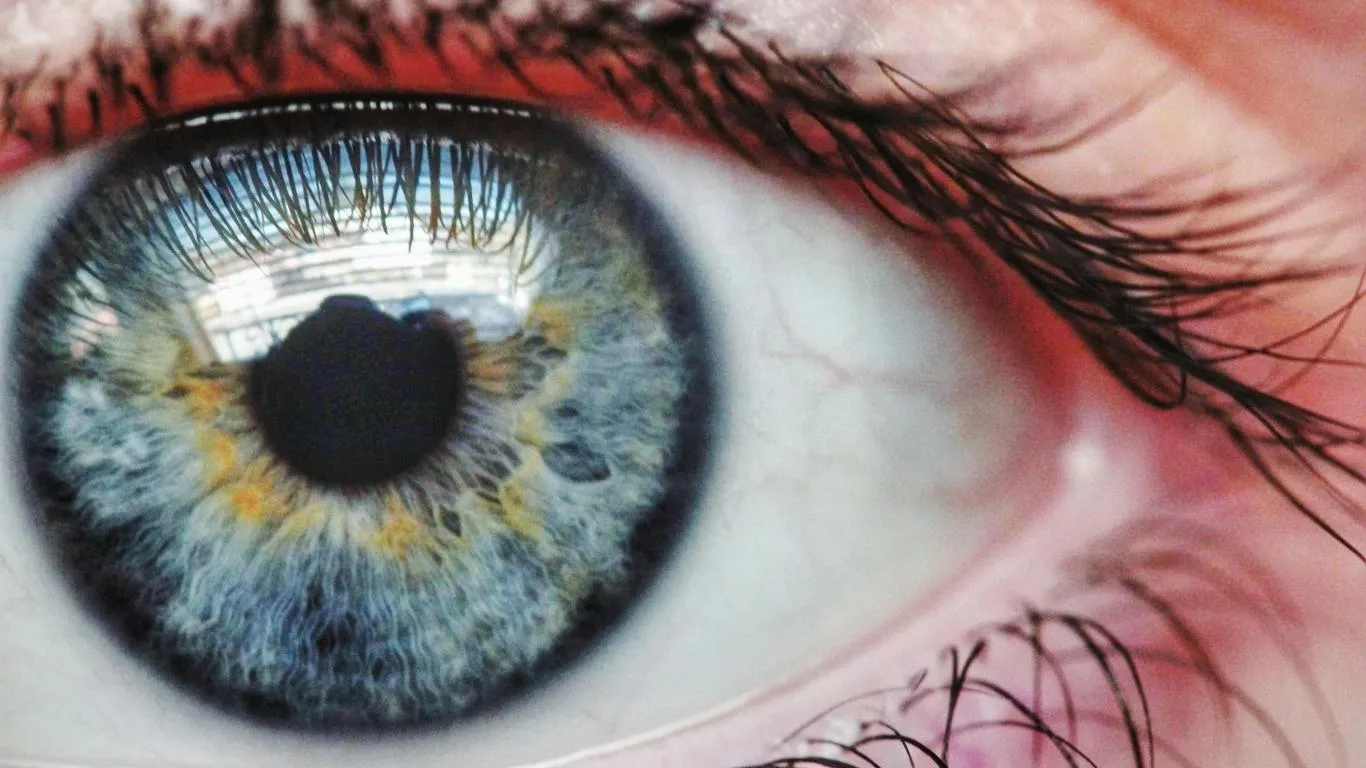
There’s something about the irregularities of handwritten text — the varied strokes, ink blotches, and paper texture — that makes floaters pop out. Unlike printed documents where the background is uniformly white, handwritten notes have slight inconsistencies. Your brain is working overtime to process the text, and when it spots a floater drifting by, it’s much harder to “ignore” it.
Eye floaters themselves are tiny specks or cobweb-like strands inside your vitreous humor (the gel-like substance in your eye). They cast shadows on your retina, which is why you perceive them as floating bits when looking at bright or detailed surfaces like handwritten paper. This is why floaters can become hyper-noticeable when you’re focusing intently on subtle textures.
Is It Normal to Experience Floaters Only While Reading?
For most of us, yes — but context matters. Floaters while reading could simply mean your eyes are healthy but sensitive to small vitreous changes. However, it can also be a sign of underlying conditions that amplify floater visibility under certain conditions. It’s worth checking out how to differentiate floaters from other vision problems.
Common Scenarios That Trigger Floaters on Handwritten Pages
- Bright Lighting: Overhead lights or direct sunlight on white paper makes floaters stand out.
- Eye Fatigue: After hours of focus, your eyes get tired, and floaters become harder to ignore.
- Low Contrast: Faded ink on paper increases the chances of noticing floaters drifting across.
If you notice a sudden burst of floaters or flashes while reading, it could be worth exploring whether it’s a warning sign of retinal issues.
Personal Story: The Day Floaters Hijacked My Study Session

One afternoon, prepping for an important presentation, I was flipping through handwritten mind maps. Every time I shifted my gaze, these transparent strings floated by, distorting letters. It wasn’t just annoying — it was distracting enough to throw off my focus. Turns out, this scenario is common for people who are highly visual processors. The combination of manual text nuances and focused lighting enhances floater perception.
What helped me then? Adjusting my environment. I moved to a spot with softer, indirect lighting, which made the floaters far less intrusive. Lesson learned: environmental tweaks can make or break your reading experience.
When Should You Be Concerned?
While floaters are mostly harmless, there are red flags you shouldn’t ignore. If you notice:
- Floaters accompanied by light flashes.
- A sudden curtain-like shadow in your peripheral vision.
- Rapid increase in floater quantity.
These symptoms can indicate retinal detachment, which requires immediate medical attention. You can read more on floaters that signal serious conditions.
Can You Prevent Floaters From Distracting You While Reading?
While you can’t get rid of floaters completely (without medical intervention), there are ways to minimize their impact while reading:
- Adjust Lighting: Opt for diffused lighting that reduces sharp contrasts on paper.
- Use Colored Paper: Soft pastel backgrounds can make floaters less noticeable.
- Blink Frequently: Keeps your eye fluid moving, making floaters drift away from your central vision.
Also, some natural approaches like hydration and proper nutrition might help manage floater density. I found this guide on supplements for floaters quite insightful.
Is There a Connection Between Eye Fatigue and Floaters While Reading?
Absolutely. Eye strain from prolonged close-up work exacerbates floater visibility. When your eyes are overworked, your brain’s ability to “tune out” the visual noise (like floaters) diminishes. This is why after a few hours of note-reading, floaters become more persistent and noticeable. If you’re experiencing floaters alongside discomfort or headaches, it’s worth checking out how fatigue impacts floater perception.
Could This Be a Sign of Early Eye Aging?
While floaters don’t exclusively belong to aging eyes, vitreous degeneration does increase with age. However, younger adults — like myself at the time — aren’t immune. If you’re in your 20s or 30s and spotting floaters when reading notes, factors like dehydration, screen overuse, or minor vitreous changes could be to blame. Check out this breakdown of common floater causes for a comprehensive understanding.
For an in-depth look into what causes floaters and how to manage them long-term, I recommend reading the main eye floater resource guide here.
Advanced Ways to Minimize Floaters While Reading Handwritten Notes

Once floaters start interfering with your reading sessions, you’ll want more than just blinking tricks. I found that positioning plays a big role. Tilting your head slightly or adjusting the angle of your notebook can make floaters drift out of your line of sight. This isn’t a medical fix, but a practical workaround that’s saved me countless times during important study marathons.
Another game-changer? Switching between handwriting styles. When I read cursive notes, floaters feel more distracting compared to block letters. Something about the continuous loops makes floaters visually “stick” more. It’s a subtle difference, but worth experimenting with.
Lighting Hacks That Actually Work
- Use a Desk Lamp with Diffuser: A soft, angled light reduces sharp glare on paper.
- Natural Light: Position yourself near a window, but avoid direct sunlight hitting the page.
- Dim Background, Bright Page: Slight contrast between your reading material and surroundings helps “drown out” floaters.
If you’re still battling persistent floaters, this article on why hormonal changes worsen floaters might explain hidden culprits you didn’t consider.
When Professional Treatment Becomes Necessary
For the most part, floaters are harmless. But if you’re seeing dense floaters that impair reading, or they’re accompanied by sudden flashes, a professional checkup is a must. Ophthalmologists often recommend observation, but in severe cases, treatments like laser vitreolysis or vitrectomy may be considered.
It’s essential to distinguish between occasional annoyance and chronic interference. If floaters are impacting daily tasks, especially during reading, you might want to explore available medical treatments for eye floaters.
Natural Remedies: Do They Actually Help?
I’ve dabbled with various supplements that claim to reduce floaters. While results vary, some people find relief with antioxidants like lutein and omega-3 fatty acids. Proper hydration is non-negotiable. I noticed my floaters became less intrusive after upping my daily water intake. Still, it’s important to keep realistic expectations — natural remedies might reduce floater density, but they won’t make them vanish overnight.
Curious about how your diet might be influencing your floaters? This guide on diet adjustments is a good starting point.
Why Floaters Are More Distracting During Handwritten Reading Versus Screens
Ironically, floaters are often less noticeable on digital screens, thanks to backlighting and higher contrast ratios. But when it comes to reading handwritten notes, the subtle paper textures and varied ink densities amplify floater visibility. Plus, with screens, you can adjust brightness and contrast — something that’s not possible with your old handwritten lecture notes.
However, excessive screen time does contribute to vitreous stress, potentially leading to more floaters in the long run. Balancing screen and paper reading is crucial. You can read more about how screen overuse affects floaters in this detailed article.
Expert Insights: What Eye Doctors Say About Reading and Floaters
I spoke with an optometrist who shared an interesting perspective — floaters aren’t necessarily more prevalent now than before, but our increased visual awareness (thanks to smartphones and high-definition screens) makes us more sensitive to them. When reading detailed, handwritten notes, our visual processing system goes into overdrive, making these floaters suddenly “appear.”
She also mentioned that individuals with higher myopia or astigmatism tend to notice floaters more frequently during close-up tasks. If you’re nearsighted like me, it explains why handwritten notes seem to bring them to life.
Long-Term Strategies to Reduce Floater Annoyance During Reading
- Regular Eye Exercises: Gentle movements to keep the vitreous gel fluid.
- Breaks Between Reading: The classic 20-20-20 rule (every 20 minutes, look 20 feet away for 20 seconds).
- Stay Hydrated: Dehydration thickens vitreous gel, making floaters worse.
- Balanced Diet: Ensure sufficient intake of lutein, zeaxanthin, and omega-3s.
- Proper Posture: A slight forward tilt can naturally shift floaters out of your reading zone.
One surprising tip that worked for me? Reading under warm-toned lighting instead of cold white light. It softened the floaters’ appearance significantly. If you’ve tried all of the above and still find floaters bothersome, it might be time to explore advanced options, as detailed in this resource on managing persistent floaters.
Bringing It All Together
Floaters while reading handwritten notes are more than just a visual quirk — they can be a frustrating barrier when focus is critical. But with the right mix of environmental adjustments, lifestyle tweaks, and, when needed, professional advice, you can significantly reduce their impact. My personal experience has taught me that while floaters may never fully disappear, they don’t have to control your reading experience.
For an even deeper dive into understanding and managing eye floaters comprehensively, don’t miss the main article on eye floater causes, symptoms, and treatment options.

Camellia Wulansari is a dedicated Medical Assistant at a local clinic and a passionate health writer at Healthusias.com. With years of hands-on experience in patient care and a deep interest in preventive medicine, she bridges the gap between clinical knowledge and accessible health information. Camellia specializes in writing about digestive health, chronic conditions like GERD and hypertension, respiratory issues, and autoimmune diseases, aiming to empower readers with practical, easy-to-understand insights. When she’s not assisting patients or writing, you’ll find her enjoying quiet mornings with coffee and a medical journal in hand—or jamming to her favorite metal band, Lamb of God.