How Floaters Disrupt Journaling Under Soft Lighting and Ways to Fix It
Ever found yourself journaling in a softly lit room and suddenly those annoying floaters start drifting across your vision? You pause, blink a few times, and wonder—why now? I’ve been there. It’s oddly specific, yet surprisingly common. For years, I thought I was just imagining things, but turns out, there’s a science behind why floaters seem more noticeable during peaceful journaling sessions under soft lighting.
What Are Eye Floaters and Why Do They Show Up When You Least Expect?
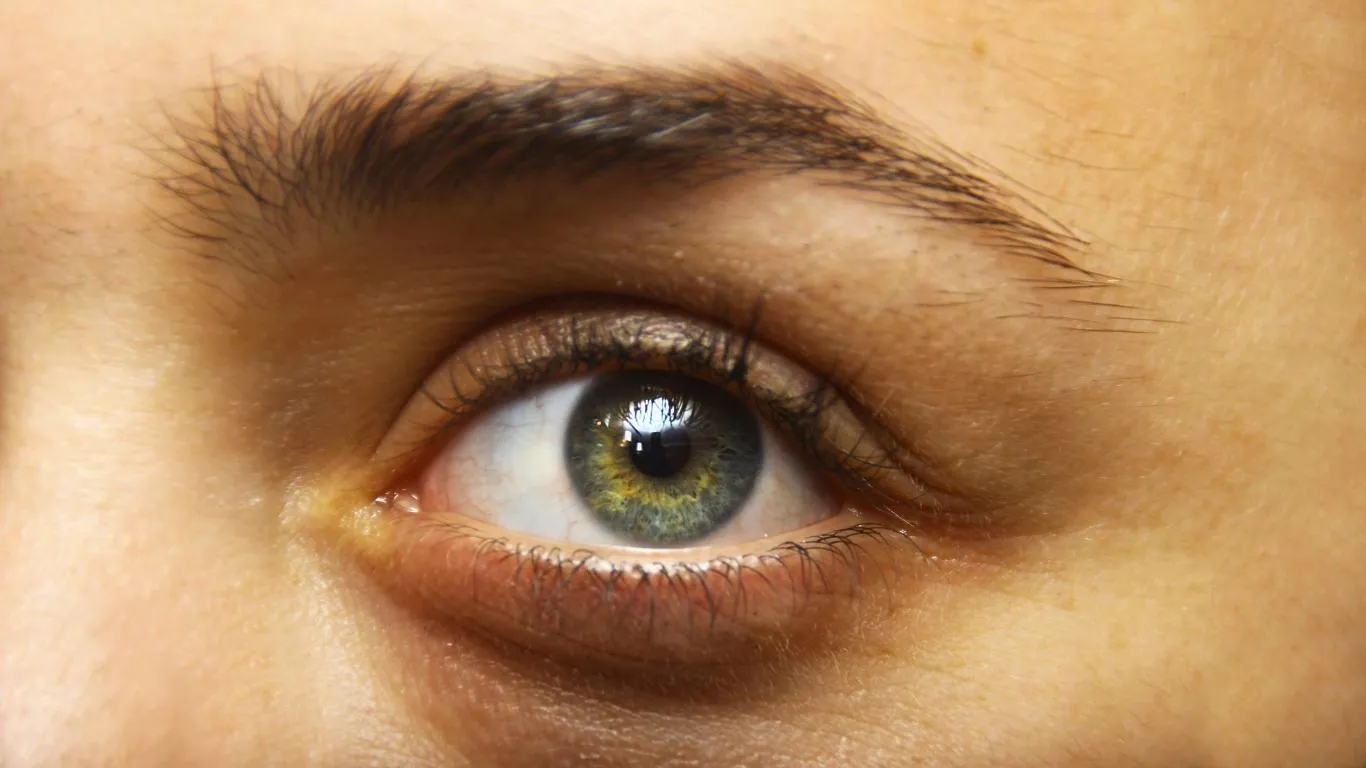
Floaters are those tiny specks, threads, or cobweb-like shapes that drift through your field of vision. They’re bits of collagen or other substances within the vitreous—the gel-like substance inside your eyes. Most of the time, they’re harmless, but that doesn’t make them any less annoying, especially when they interrupt your quiet time.
Now, why does soft lighting make them pop up? The answer lies in the way light interacts with your eye’s internal structures. In bright or uneven lighting, floaters cast shadows on your retina, making them far more visible. During journaling, especially under ambient lamps or candles, your pupils dilate slightly, increasing the contrast that brings floaters into sharp focus.
If you’ve ever noticed floaters becoming more prominent while doing activities like journaling at night or even during meditation, it’s not just you. Soft, diffused lighting conditions tend to amplify these pesky visuals.
Why Floaters During Journaling Feel More Annoying
Journaling is supposed to be a calming, reflective activity. But the moment floaters decide to join, the experience shifts from meditative to mildly frustrating. Here’s why journaling specifically makes floaters more noticeable:
- Visual Focus: When you’re writing, your eyes are constantly moving between the page and your thoughts, making floaters dance around more vividly.
- Lighting Contrast: Soft lighting reduces background glare, but it also heightens the visibility of floaters as shadows against light surfaces like paper.
- Stillness of Activity: Unlike watching TV or scrolling your phone, journaling involves more subtle eye movements, making floaters linger in your visual path longer.
Interestingly, activities that involve focusing on light-colored backgrounds tend to bring floaters to the forefront. The same effect can occur when reading or writing in a minimalist workspace. For some, these floating specks even become a subconscious distraction during long, introspective sessions.
Lighting Conditions That Make Eye Floaters Worse
Lighting isn’t just ambiance—it’s a trigger. Some lighting scenarios are more prone to making floaters stand out. Here’s what I’ve personally noticed (and research backs this up):
- Warm Ambient Lighting: Cozy, soft lamps often make floaters more visible due to the gentle contrast.
- Dim Overhead Lights: They cause your pupils to dilate, expanding the floater’s shadow area on the retina.
- Natural Low Sunlight: Evening light filtering through curtains can create the perfect condition for floaters to appear unexpectedly.
It’s no surprise that many people report floaters becoming more bothersome during activities like writing under soft hospital lighting or in warmly lit cafes. Even though these environments feel relaxing, they’re inadvertently inviting floaters to the party.
Is There a Deeper Eye Health Concern?
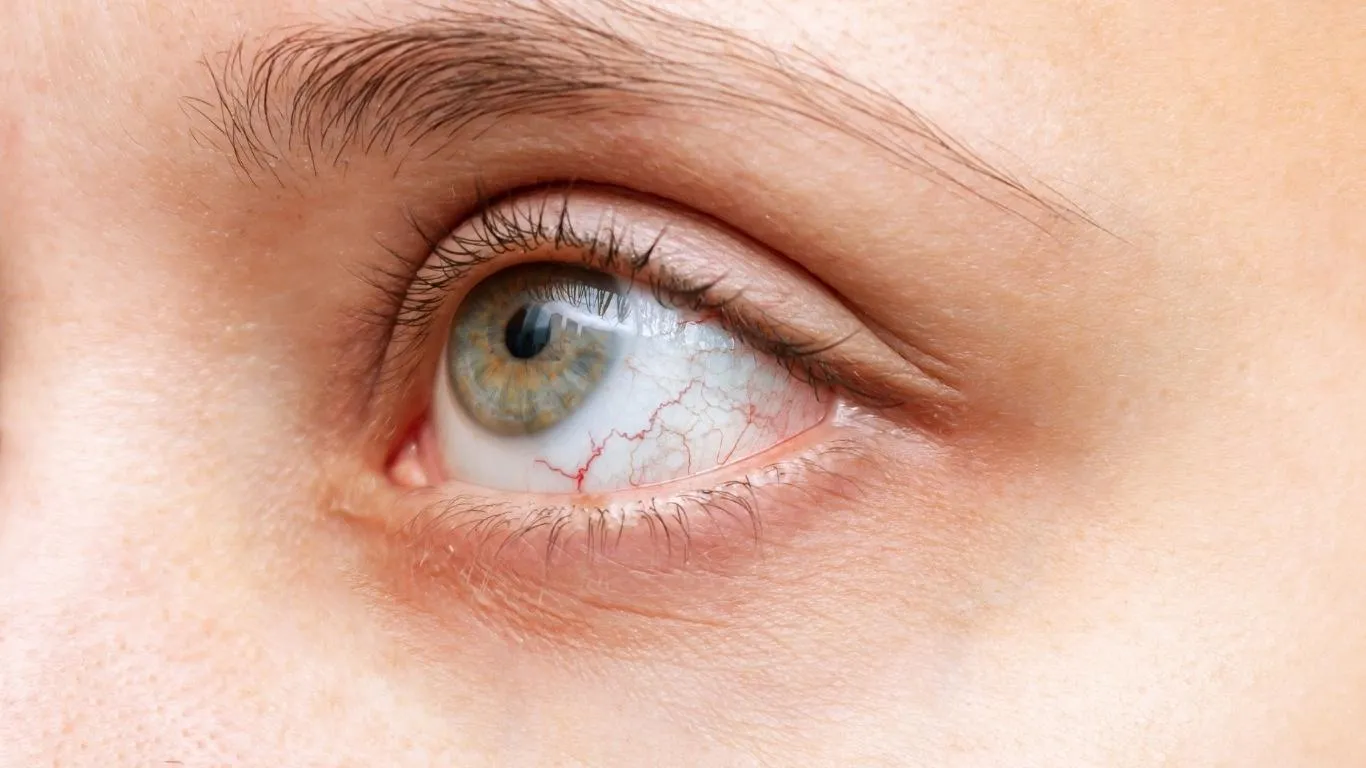
Most floaters are benign, especially if they’ve been there for years. But, I always tell friends to stay cautious. If floaters suddenly increase in number, change shape, or are accompanied by flashes of light, it could indicate a more serious issue like retinal detachment. That’s a call for immediate professional attention.
For casual floater annoyances during activities like journaling, there are ways to manage them. Some eye specialists suggest making slight head movements to shift the vitreous fluid. This can help move the floater out of your direct line of sight. For more severe or persistent cases, various treatment options exist, ranging from observation to surgical intervention.
Simple Adjustments to Minimize Floater Distraction During Journaling
Here are a few tweaks that have helped me enjoy journaling sessions with fewer floater interruptions:
- Adjust Lighting Position: Place lamps at angles that reduce direct glare on the paper, making floaters less prominent.
- Use Slightly Brighter Soft Lights: Balance is key—too dim invites floaters, too bright feels harsh. Aim for a soft, yet adequately bright workspace.
- Take Visual Breaks: Every 10-15 minutes, look away into the distance to reset your focus and reduce floater interference.
- Incorporate Eye Exercises: Gentle circular eye movements can shift floaters out of the central vision zone temporarily.
Additionally, staying hydrated and maintaining good posture while writing has shown subtle benefits in my experience. It’s a holistic approach—not a cure, but it helps.
If you’re curious about how floaters interact with other daily visual triggers, check out this detailed article on differentiating floaters from other eye conditions. It’s eye-opening, literally.
For a deeper dive into the broader picture of what causes these floaters and how they impact vision, the comprehensive guide on Eye Floaters: Causes, Symptoms, and Treatment Options is a must-read.
When Floaters Signal More Than Just an Annoyance
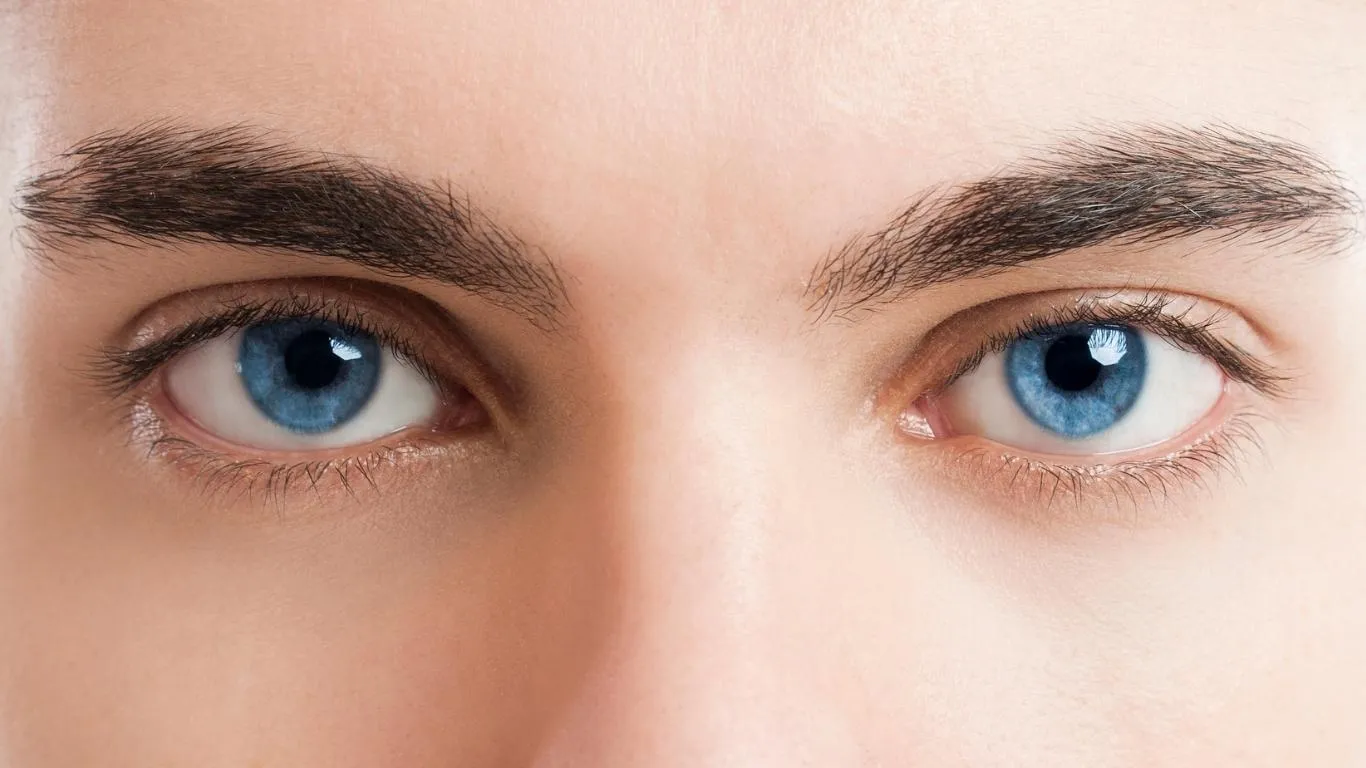
Sometimes, what feels like a minor irritation during your journaling ritual can actually be a subtle warning from your eyes. While most floaters are harmless, they can occasionally indicate underlying conditions that need attention. If you’ve noticed sudden bursts of floaters or they come with flashes of light, it’s not something to brush off.
I remember a friend of mine who started seeing a “curtain” of floaters while journaling under soft bedside lamps. Turned out, it was the early sign of a posterior vitreous detachment. Thankfully, he acted fast. That’s why understanding the early warning signs of floaters leading to retinal tears is crucial for preserving long-term vision health.
Red Flags You Shouldn’t Ignore
- Sudden Onset: A rapid increase in floaters that wasn’t there before.
- Flashes of Light: Bright sparkles or flashes in your peripheral vision.
- Dark Shadows: Curtain-like shadows moving across your field of vision.
- Persistent Visual Disturbances: Floaters that interfere with daily activities like reading or driving.
If you check any of these boxes, it’s time to consult an eye specialist. Early intervention can make all the difference between a manageable condition and a vision-threatening emergency.
Natural Ways I’ve Found to Manage Floater Distractions
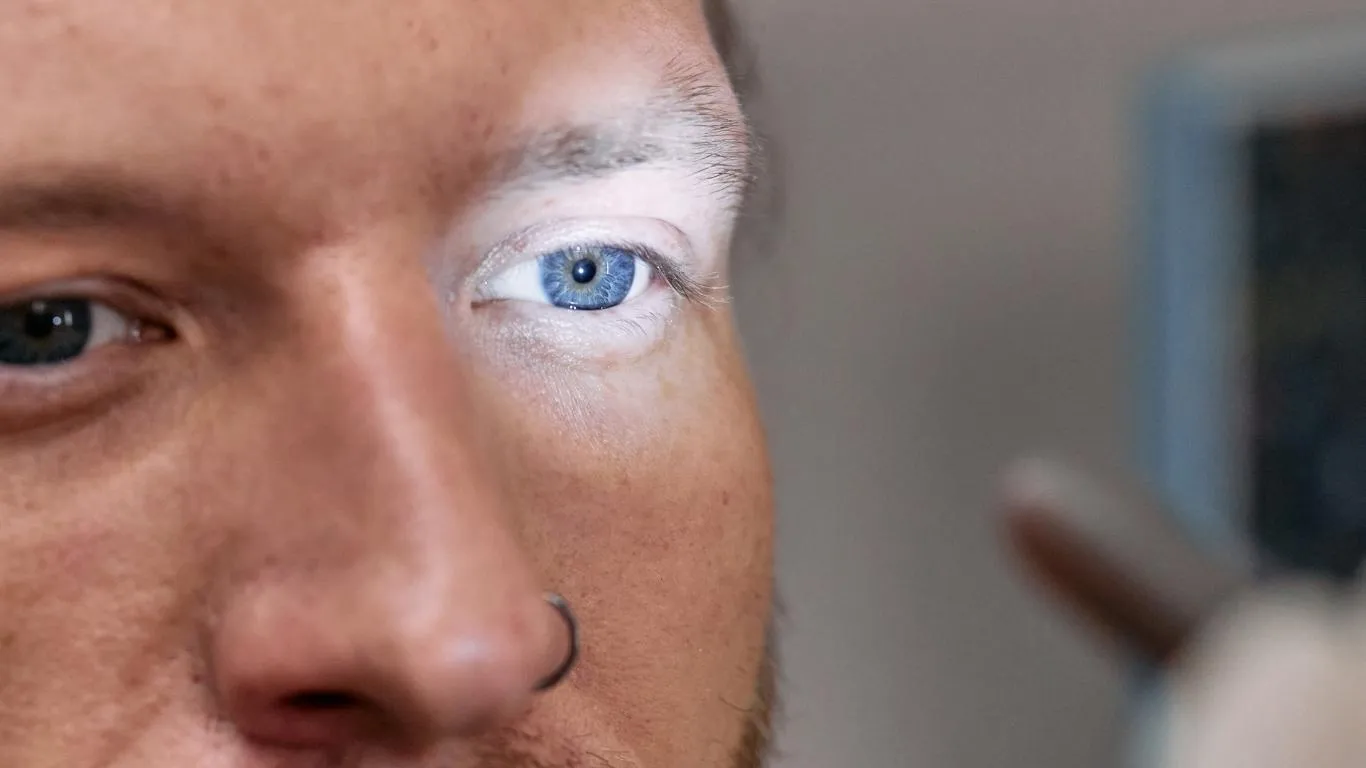
While floaters can’t be completely “cured” without surgical procedures, there are natural techniques that help reduce their day-to-day impact. From my personal routine, here are methods that make a noticeable difference during activities like journaling:
- Eye Palming: Gently cup your palms over closed eyes to relax ocular muscles. It’s an old yoga trick but surprisingly effective in reducing floater sensitivity during visual tasks.
- Hydration Habits: I underestimated how much dehydration worsens floaters until I tracked my water intake. Sipping water consistently throughout journaling sessions helps more than you’d expect.
- Mindful Breathing: Combining deep breathing with slow eye movements shifts focus and reduces visual noise from floaters.
- Workspace Ergonomics: Adjusting the distance of my journal and slightly tilting pages changed the angle of lighting, making floaters less visible.
For those curious about holistic approaches, I’d recommend reading through the natural floater management guide. It covers which remedies hold merit and which ones are just myths.
When Should You Consider Medical Intervention?
Most floaters don’t require treatment, but if they’re impacting your quality of life—like interfering with daily journaling sessions or becoming a source of constant distraction—medical procedures might be an option. Two of the most common interventions are:
- Laser Vitreolysis: A non-invasive laser treatment that breaks up floaters, making them less noticeable. Ideal for isolated, bothersome floaters.
- Vitrectomy: A surgical procedure where part of the vitreous gel (along with floaters) is removed and replaced with a saline solution. Reserved for severe cases.
Though tempting, it’s important to weigh the risks and consult with a specialist before deciding. For a deeper look at treatment pathways, the article on eye floater treatment options outlines everything you need to know.
Journaling Without Distraction—It’s Possible
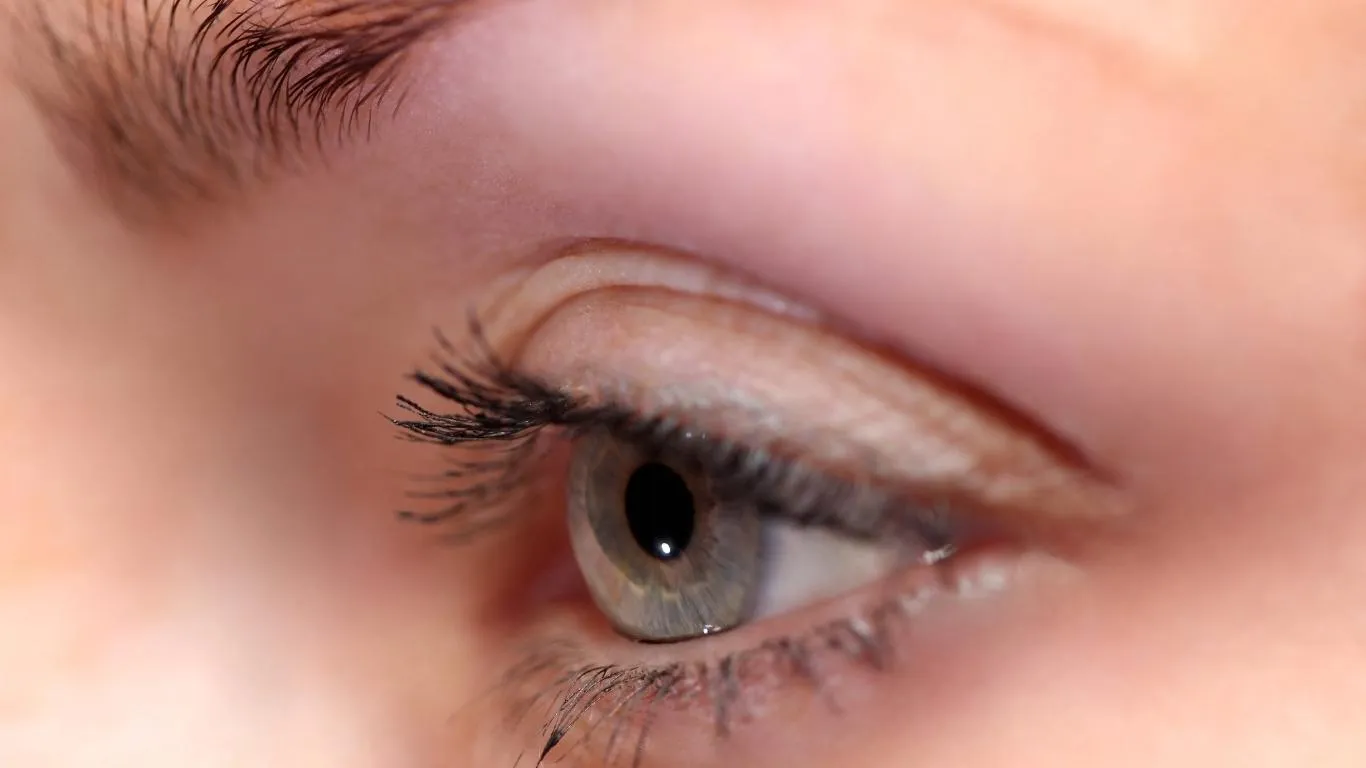
With a few mindful adjustments, journaling can still be that sacred, distraction-free ritual—even with floaters. Personally, I’ve found that switching to cream-colored paper instead of stark white, adjusting lamp angles, and taking visual breaks brings back the calm that floaters once disrupted.
Also, there’s something powerful about simply acknowledging floaters without letting them dominate your focus. The brain is amazing at tuning out repetitive stimuli once you stop fighting it. Over time, I’ve noticed floaters bothering me less, simply because I choose not to fixate on them.
If you want a thorough understanding of the underlying causes and long-term floater management strategies, the main pillar article on eye floaters causes, symptoms, and treatments is an invaluable resource.

Camellia Wulansari is a dedicated Medical Assistant at a local clinic and a passionate health writer at Healthusias.com. With years of hands-on experience in patient care and a deep interest in preventive medicine, she bridges the gap between clinical knowledge and accessible health information. Camellia specializes in writing about digestive health, chronic conditions like GERD and hypertension, respiratory issues, and autoimmune diseases, aiming to empower readers with practical, easy-to-understand insights. When she’s not assisting patients or writing, you’ll find her enjoying quiet mornings with coffee and a medical journal in hand—or jamming to her favorite metal band, Lamb of God.