Why Floaters Seen While Laying On Beanbags Feel More Intense
There’s this odd thing that happens sometimes when I’m relaxing on my old, soft beanbag—eyes half-closed, music humming in the background, and then suddenly… tiny shapes float into view. They don’t blink away. They drift like little ghosts across my line of sight. If you’ve ever seen floaters while laying on beanbags, you’re definitely not alone. And no, your eyes aren’t playing tricks on you (well, not completely anyway).
What Are These Floaters You Notice When Lounging on a Beanbag?
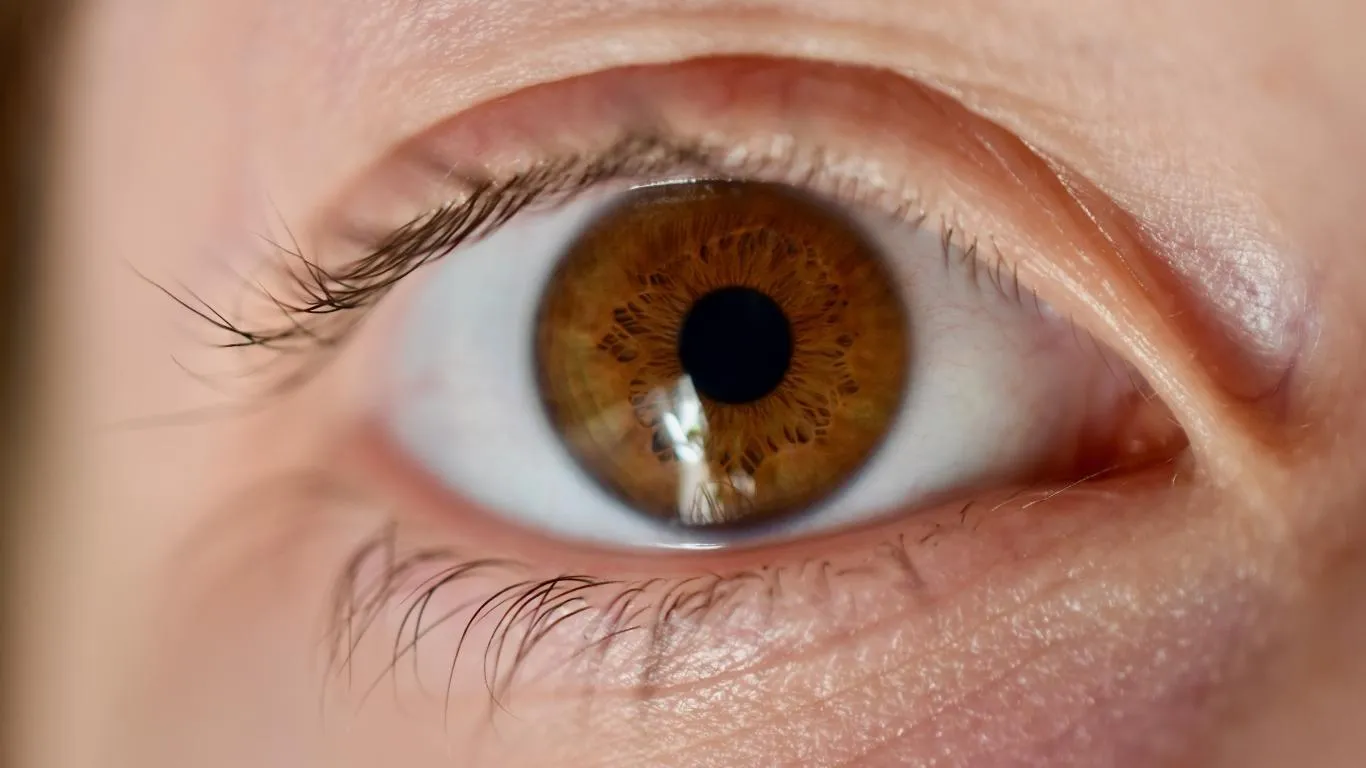
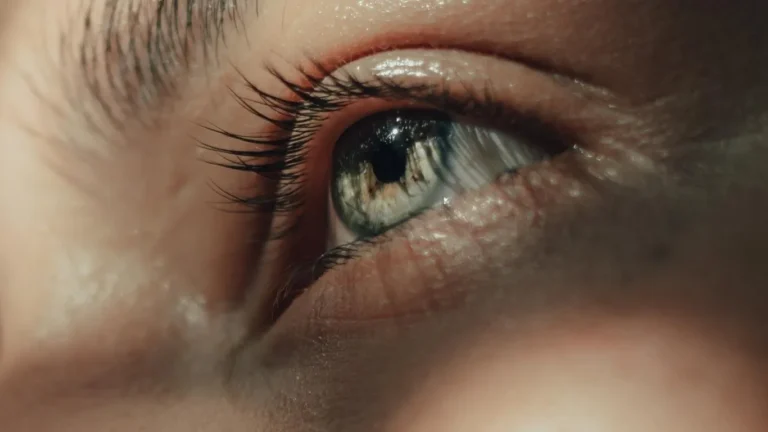
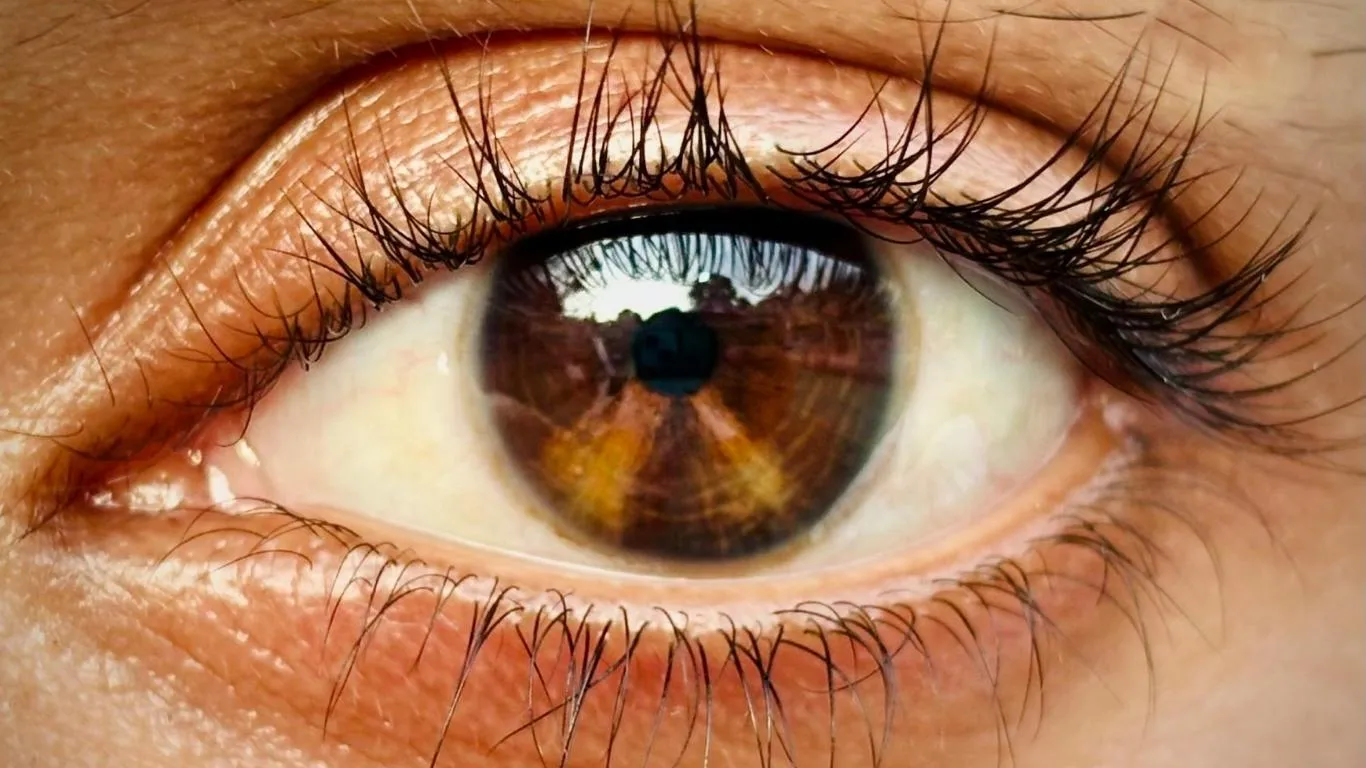
Floaters are those tiny shadowy specs, strands, or cobweb-looking things that dart across your vision—especially when you’re staring at something bright or uniform like a white ceiling, a blank wall, or even the ambient glow of a softly lit room. But for some reason, the floater effect seems to get even more intense when you’re lying back in a beanbag chair.
Why? A mix of posture, lighting, and your eyes’ internal fluid shifts come into play. But let’s back it up and really understand what’s going on here—because it’s more than just a quirky optical illusion.
Why Beanbags Make Eye Floaters More Noticeable
1. Position of the Head and Eyes
When you’re lounging in a beanbag, your head naturally tilts back at a relaxed angle. This subtle change in position affects the vitreous humor—the gel-like substance inside your eyes. Gravity pulls this gel slightly, which can cause floaters to drift more freely across your field of vision.
2. Lighting Conditions
Beanbags often live in cozy corners with ambient lighting. Ironically, that soft diffused light makes floaters stand out even more. When your pupils are dilated due to dim surroundings, floaters can appear larger and more defined.
3. Lack of Distraction
Lying back in silence or stillness gives your brain fewer things to focus on. So when floaters pass through, you’re way more likely to notice them. I’ve personally found that they’re almost unnoticeable when I’m busy, but the moment I zone out on my beanbag—bam!—they glide across like they’re putting on a show.
Are These Floaters Normal?
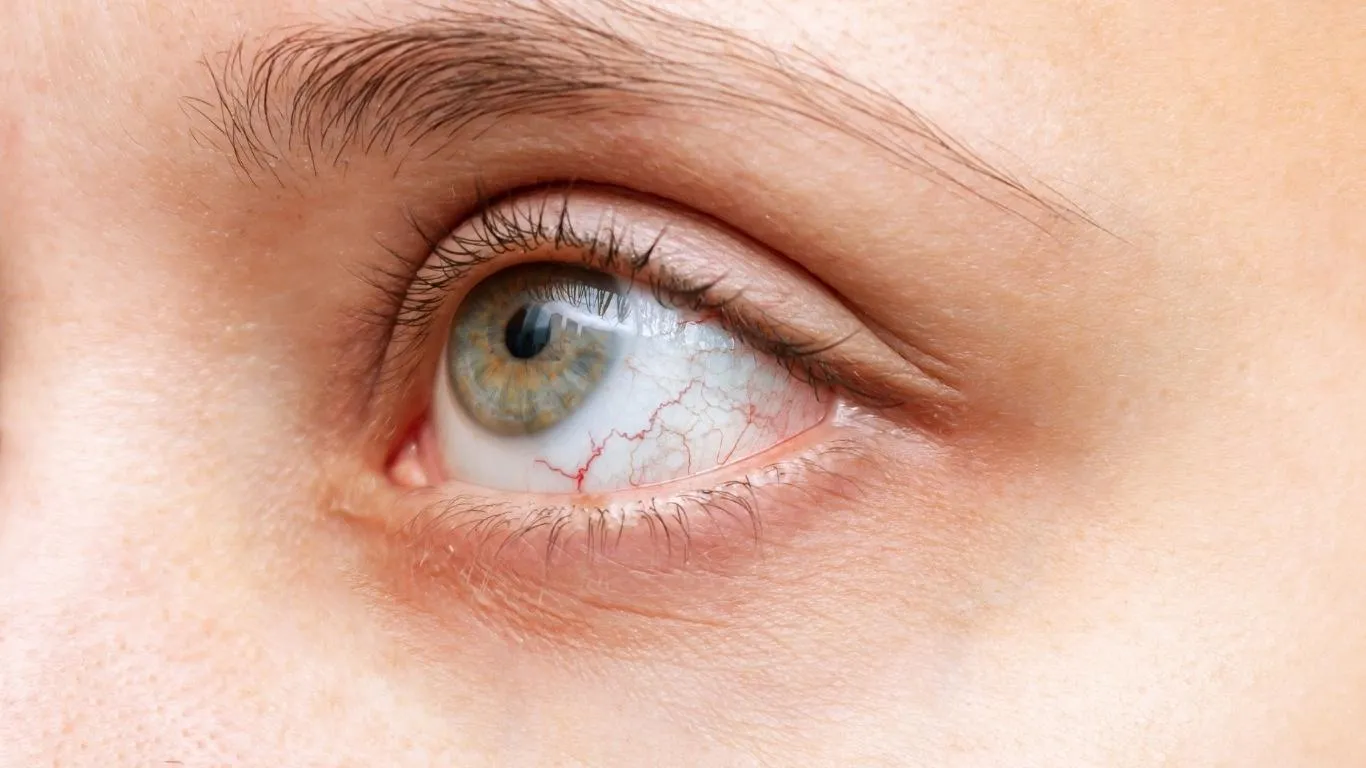
Short answer? Yes. Most of the time, floaters are a completely normal part of aging. They happen when the vitreous gel starts to liquefy and pull away from the retina. Tiny collagen fibers clump together, and those clusters cast shadows on your retina.
Still, floaters can sometimes be an early sign of more serious eye issues. If you notice a sudden burst of floaters or they’re accompanied by flashes of light, it’s worth checking out this helpful article about floaters with no other vision symptoms—you might be surprised what they can indicate.
When to Be Concerned
- A sudden increase in floaters
- Floaters that come with light flashes
- Loss of peripheral vision
If any of those things sound familiar, don’t sit on it. A quick check with an eye specialist can rule out retinal tears or detachment. Here’s a thorough read on when floaters are worth worrying about.
My First Experience Noticing Floaters on a Beanbag
I still remember the first time I saw them. I was lying back, trying to unwind after a long day, staring up at the ceiling fan slowly turning. Out of nowhere, these little blobs started swirling. I blinked. They danced. I moved my eyes—they chased. It was unsettling at first, but after some research, I realized I wasn’t alone.
Turns out, floaters are super common in relaxed, semi-dim environments. And they’re even more noticeable when you’re still—like when your body sinks into the contour of a beanbag and your eyes aren’t moving much. That’s exactly the moment they drift in front of your vision and linger.
Ways to Reduce Floaters in Relaxed Settings
1. Improve Eye Hydration
Yes, your eyes need hydration too. Dehydration can make floaters worse, especially when you’re lounging in warm or dry environments. Keep a glass of water nearby. Learn more about how hydration impacts floaters.
2. Adjust the Lighting
Consider using warmer, indirect lighting when relaxing. Avoid having strong light sources directly above or behind your head—this amplifies shadows inside your eyes. I use a soft Himalayan salt lamp beside my beanbag chair and it helps cut down on floater visibility a lot.
3. Blink More Often
It sounds silly, but sometimes just blinking more frequently helps. Prolonged gazing reduces tear distribution, making the floaters feel more apparent.
When Beanbag Lounging Turns into Floater Awareness Time
Beanbags may be the coziest seat in the house, but they’re also an unintentional spotlight for your floaters. That doesn’t mean you should stop using them—just be aware of what your body (and eyes) are doing in that moment.
If you’re lounging and suddenly thinking, “Why are floaters popping up now?”—it might help to explore this deep dive on how floaters behave under relaxed light. And if you’re worried it might be something more than normal age-related changes, the main resource on what eye floaters are and what causes them is worth a read.
There’s also a solid guide on common causes of eye floaters that helped me understand where mine came from.
Natural Habits That Can Minimize the Floaters You See
Over the past year, I’ve noticed floaters less often—not because they disappeared, but because I made a few subtle lifestyle changes. The goal isn’t to eliminate floaters (most of them are harmless), but to reduce how often they get in your way, especially during those cozy beanbag sessions.
1. Move Your Eyes, Don’t Keep Them Fixed
Floaters tend to settle when your gaze is still. If you’re lying in silence and staring at the ceiling, they’ll hover right where you’re looking. Try gently moving your eyes from side to side every so often—it redistributes the vitreous gel and gives your retina a break. I do this whenever I start noticing the same floater dancing above me for too long.
2. Take Breaks from Screens
Excessive screen time makes floaters more obvious, especially when switching to ambient light after scrolling. There’s some good science behind that, and this guide on screen-time and floaters breaks it down well. I started limiting my phone use right before I sink into my beanbag, and it genuinely helped.
3. Support Your Eye Health with Nutrition
Your diet absolutely plays a role in how well your eyes manage stress and fluid clarity. Antioxidants, Omega-3s, and lutein-rich foods are particularly helpful. Here’s a helpful list of foods that support eye clarity naturally. I’ve added more leafy greens and citrus to my routine—small changes, but meaningful.
Should You See a Specialist About Beanbag Floaters?
This was a weird question for me to ask an eye doctor, but I’m glad I did. When I casually mentioned I mostly see floaters while laying down to relax, especially in a beanbag or during quiet time, she nodded and said, “That’s exactly when they’ll show up.”
The important thing is to track changes—not just presence. If your floaters stay consistent and don’t interfere with vision, you’re probably okay. But if they suddenly increase, become stringy, or are joined by light flashes, see a doctor. Fast.
For a full breakdown on when floaters become a medical concern, check this solid read: floaters before a retinal tear.
Signs It’s Time to Book an Eye Exam
- Floaters appear suddenly in high numbers
- You notice a shadow in your peripheral vision
- There’s a “curtain” effect or fog in part of your view
- Flashes of light accompany the floaters
These signs might indicate something more serious, like a retinal detachment or vitreous hemorrhage. Your beanbag isn’t to blame—but it might be helping you notice the issue early, and that’s a good thing.
How to Make Beanbag Time Less Annoying for Your Eyes
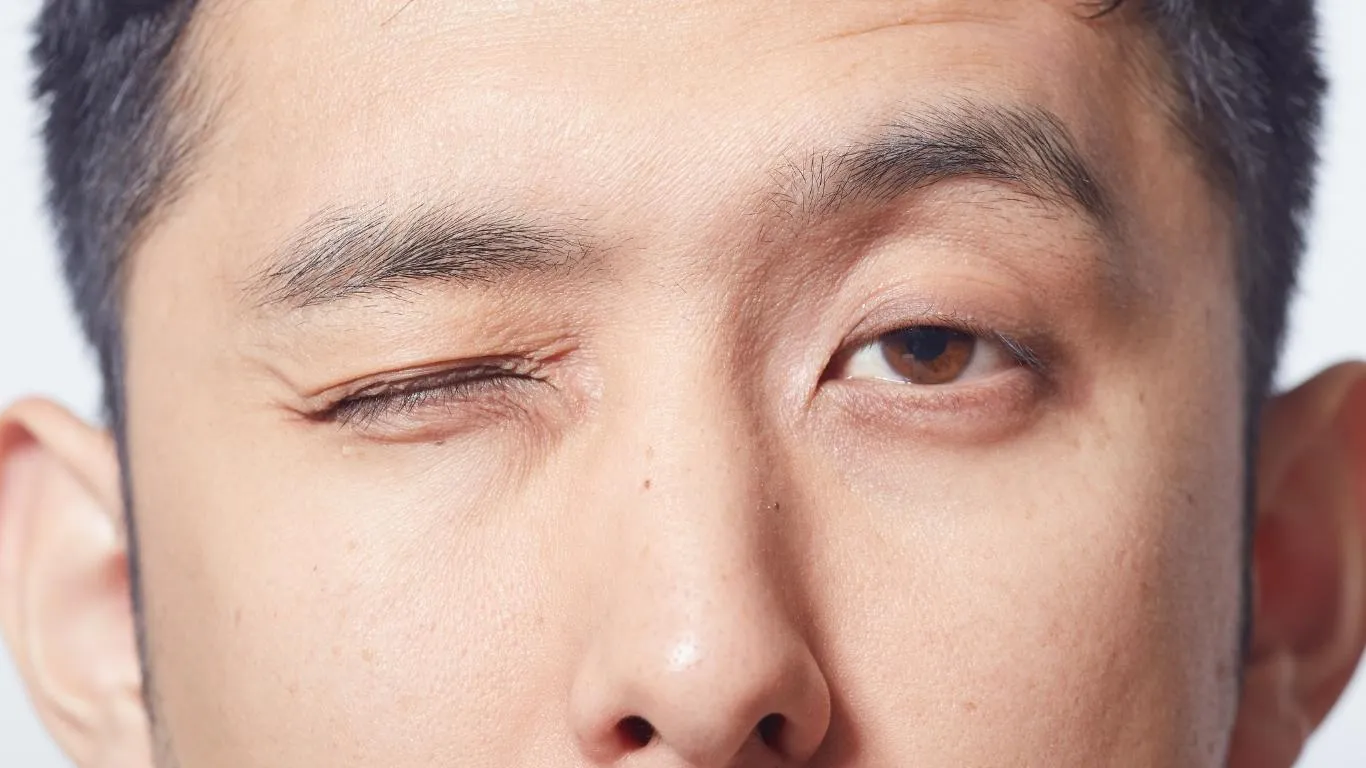
I’m not giving up my beanbag. It’s my go-to spot for winding down. But I’ve hacked the setup to make it more eye-friendly. Here’s what helped:
- Indirect Lighting: No more ceiling lights above me. A side lamp with soft amber lighting does wonders.
- Positioning: I added a small neck roll pillow so my head doesn’t tilt too far back. Less vitreous pull = fewer floaters crossing the field.
- Mindful Breathing: Weirdly enough, a few deep breaths and closed eyes helps them fade. Might be placebo, might be blood flow—either way, it works for me.
Also, try to avoid staring into the distance without blinking. Use your time lying down to rest—not to mentally chase floaters around the room.
What Science Says About Positional Floaters
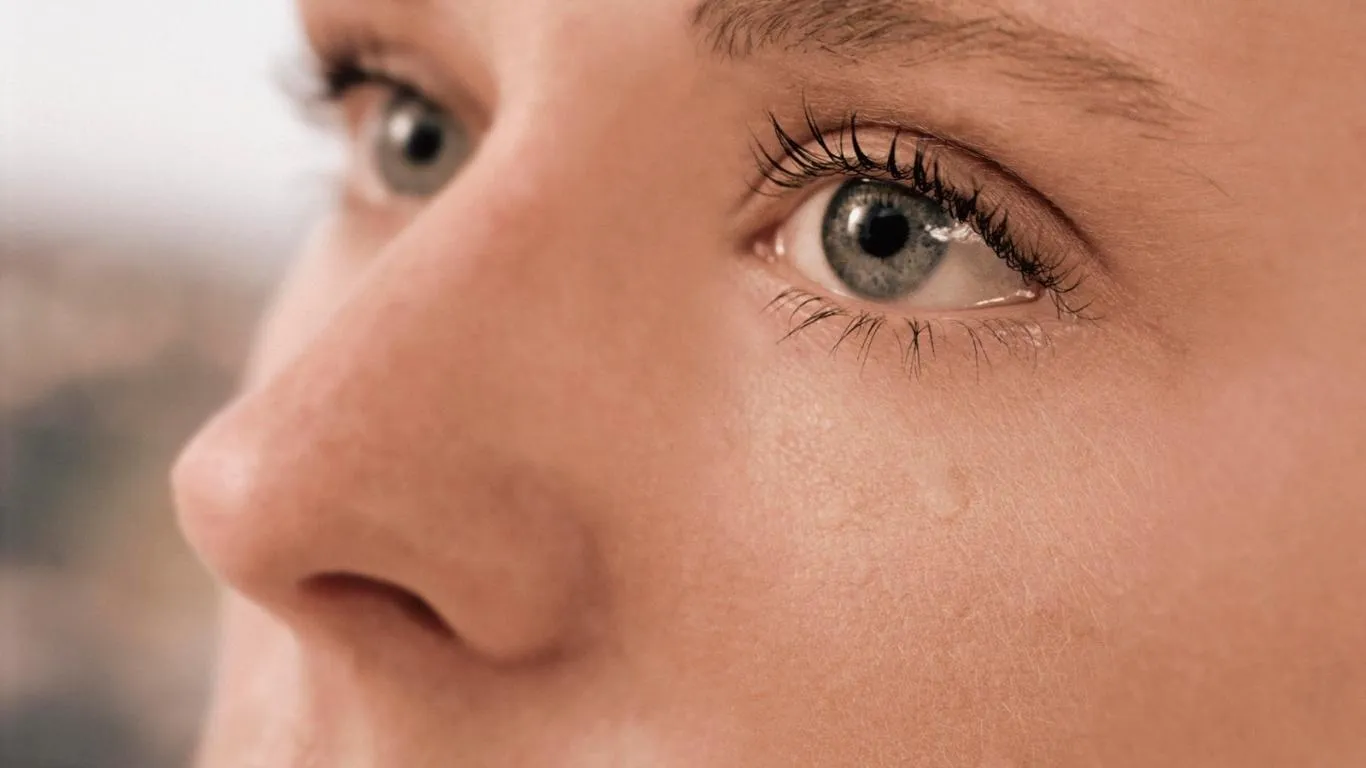
There’s growing interest in how posture and gravity affect the way floaters present themselves. According to American Academy of Ophthalmology, the movement of floaters is influenced by eye fluid dynamics. And when you’re laying down, that dynamic changes. It’s why you may not notice them when sitting at a desk—but the moment you recline, they drift into view like tiny swimmers in your line of sight.
Some experts even suggest that eye floaters in certain positions might reveal underlying stress responses or visual fatigue. If your floaters show up primarily in these scenarios, it’s worth tracking them over time—your eyes may be trying to tell you something.
What to Avoid When Floaters Get Too Annoying
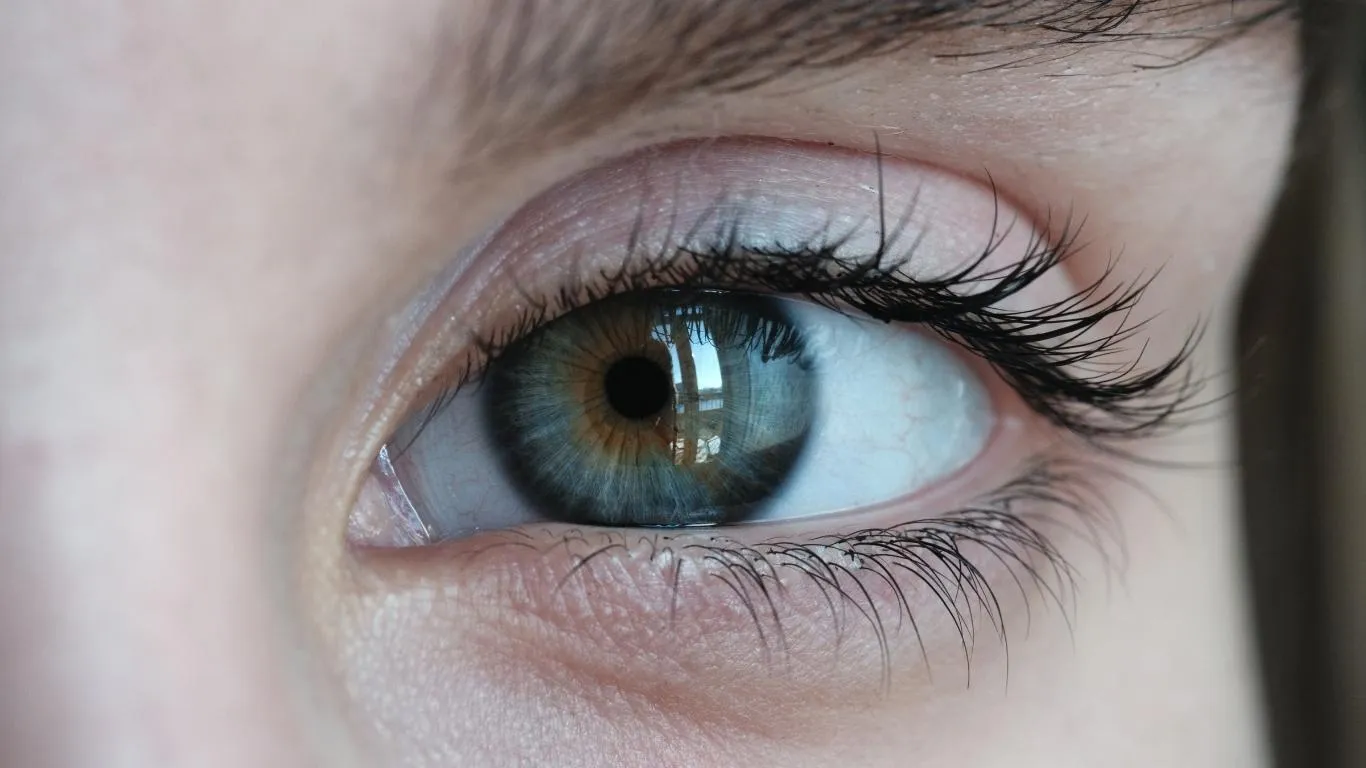
If you’re like me, your first instinct might be to rub your eyes or squint harder. Don’t. That only makes things worse. Here’s a short list of what to avoid when your floaters feel like they’re putting on a light show:
- Don’t rub your eyes—this increases pressure and can worsen floaters
- Avoid looking at bright white surfaces like ceilings or screens in the dark
- Limit caffeine before relaxing—it makes floaters more pronounced
- Don’t strain to follow floaters with your eyes—it causes visual fatigue
Instead, close your eyes for a few seconds and focus on something with texture or soft color when you reopen them. It helps reset your focus and distracts from the floaters’ motion.
When Lifestyle Changes Aren’t Enough
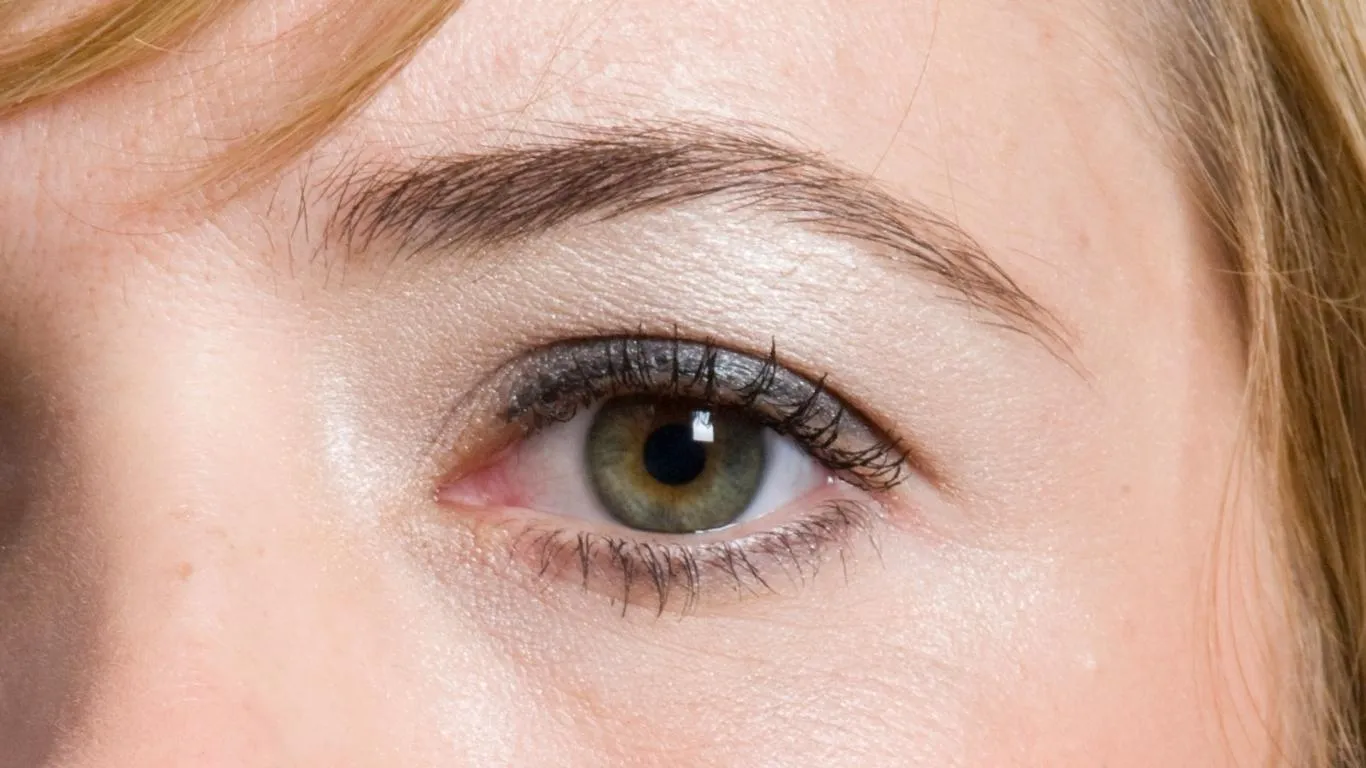
If your floaters are starting to disrupt daily life—not just beanbag chill time—you’re not out of options. From laser vitreolysis to vitrectomy, medical treatments exist. But they’re usually reserved for severe cases.
Before considering any surgical fix, get informed with this trusted guide on treatment options for floaters. It gives a full rundown of what’s safe, what’s risky, and what’s worth waiting out.
Also, make sure to understand the core science behind floaters from the root. This main article on what causes floaters is a goldmine of info with expert-reviewed content.

Camellia Wulansari is a dedicated Medical Assistant at a local clinic and a passionate health writer at Healthusias.com. With years of hands-on experience in patient care and a deep interest in preventive medicine, she bridges the gap between clinical knowledge and accessible health information. Camellia specializes in writing about digestive health, chronic conditions like GERD and hypertension, respiratory issues, and autoimmune diseases, aiming to empower readers with practical, easy-to-understand insights. When she’s not assisting patients or writing, you’ll find her enjoying quiet mornings with coffee and a medical journal in hand—or jamming to her favorite metal band, Lamb of God.