Why Floaters When Walking Through Art Galleries Feel Worse
Ever walked through an art gallery, only to be distracted by weird little specs or squiggles floating across your vision? I remember once admiring a vibrant painting—this surreal swirl of blues and reds—and suddenly I saw something that wasn’t part of the canvas. A transparent thread, like a wiggly cobweb, just hovering in my sight. I blinked. It danced. I looked away. Still there. Welcome to the world of eye floaters—specifically, floaters when walking through art galleries. And if you’ve ever thought it’s just you, trust me, it’s not.
Why Do Eye Floaters Suddenly Pop Up in Art Galleries?
Art galleries are often lit in a very specific way—bright, directional lighting, high contrast between white walls and colorful art pieces, and minimal ambient distractions. That’s the exact condition where floaters become hypervisible. The lighting and wall textures amplify their presence.
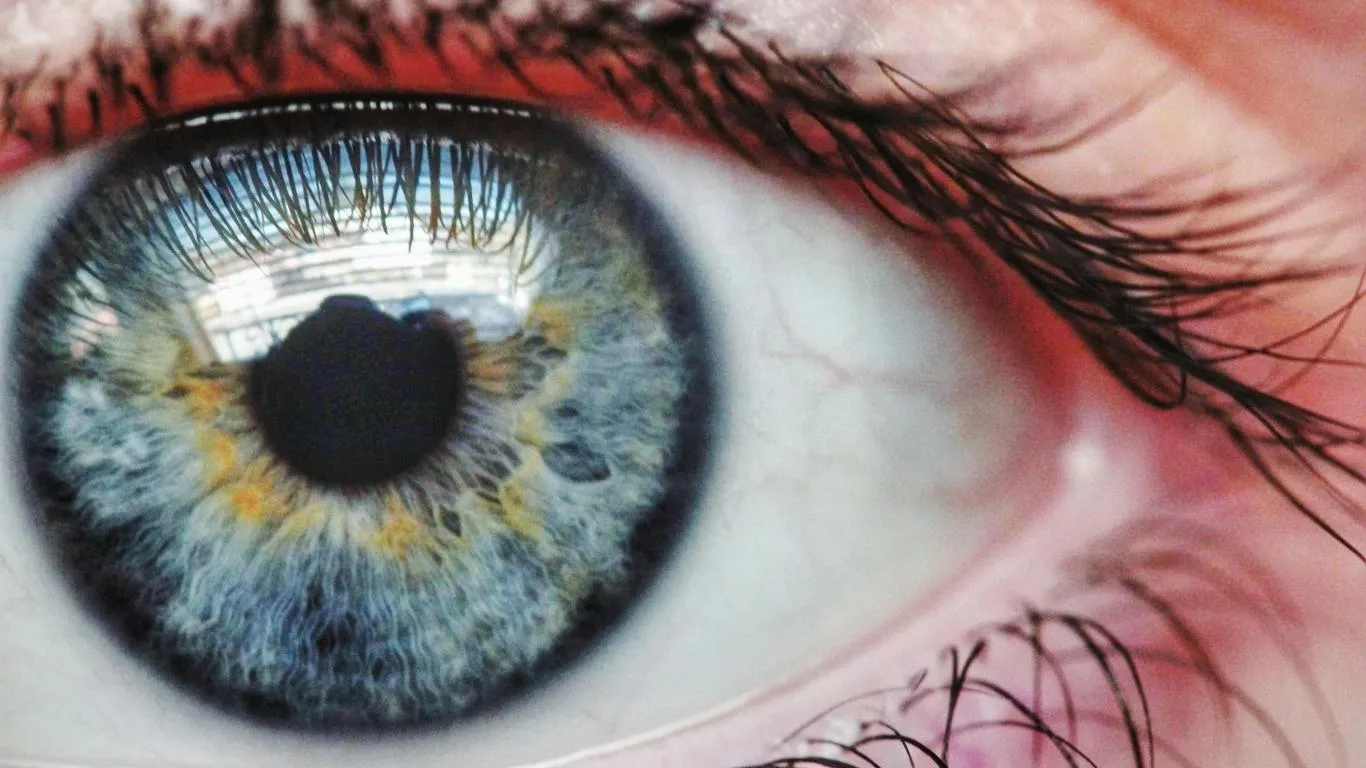
Floaters are usually small clumps of collagen or protein fibers drifting in the vitreous—the jelly-like substance inside your eyes. When light enters your eyes, these floaters cast shadows on the retina, and that’s what you end up seeing. In bright, clean settings like a gallery, there’s nothing else to distract your eyes—so the floaters steal the spotlight.
Personal Anecdote (It’s Not Just You)
The first time I noticed this was during a photography exhibition. All those white backgrounds and bold contrasts? Floaters everywhere. I even tilted my head a bit, wondering if the pieces were interactive or 3D. Nope. Just my eyes reminding me I’m not 20 anymore.
Is This a Sign of a Serious Eye Issue?
In most cases, floaters aren’t dangerous. They’re natural—aging vitreous gel slowly pulling away from the retina. However, a sudden burst of floaters while you’re browsing through your favorite art space might be worth checking out, especially if accompanied by flashes of light or vision loss.
According to American Academy of Ophthalmology, posterior vitreous detachment (PVD) is a common cause of floaters after age 40, and although usually harmless, it can sometimes lead to retinal tears.
When to Take Action
- Sudden increase in number or size of floaters
- Light flashes (especially in peripheral vision)
- Loss of vision or dark curtain effect
If any of these show up during or after your next museum visit, it’s not the art playing tricks—it’s time to see an eye doctor.
Why Art Galleries Expose Floaters More Than Other Places
This is where lighting science and interior design intersect with ocular anatomy. Art galleries often use spotlights and clean backgrounds to highlight artwork. That pristine lighting reveals what’s floating in your eyes far more clearly than dimly lit rooms or cluttered outdoor environments.
Visual Contrast and Eye Sensitivity
With gallery lighting, your pupils constrict due to brightness, sharpening your vision. As a result, small imperfections in your vision become more noticeable—like those harmless but annoying floaters. The high contrast between colorful art and stark white walls makes shadows cast by floaters even more prominent.
If you find yourself seeing more floaters while walking through an exhibit, you’re not imagining it. It’s a real, physical phenomenon backed by how our eyes interact with light and shadow.
Who’s More Likely to Experience Floaters in These Settings?
Let’s talk about risk groups. Based on my chats with ophthalmologists and friends who’ve had similar experiences, there are certain patterns:
- People over 40 – Age-related changes in the vitreous make floaters more common.
- Nearsighted individuals – Myopes tend to develop floaters earlier due to elongation of the eyeball.
- People with dry eye syndrome – Although not a direct cause, dry eyes increase awareness of visual disturbances.
If you’re someone who works in visually demanding environments, like artists or curators, your eye strain levels may also affect floater perception. There’s some evidence suggesting increased floaters during or after meditation or quiet, focused activities, which makes gallery visits a potential trigger for awareness.
Can You Prevent or Reduce Floaters?
Here’s the deal: You can’t really stop floaters from forming entirely, but there are things you can do to make them less annoying—or at least, less noticeable.
What Helps (At Least a Little)
- Hydration – Yes, seriously. Staying hydrated supports healthy vitreous fluid consistency. Here’s why.
- Proper eye rest – Too much screen time can make your eyes more sensitive to floaters.
- Lighting control – Wear blue-light filter glasses or hats with brims when walking through overly bright places like galleries.
Some natural methods have mixed results. A few people swear by dietary changes—omega-3s, lutein-rich foods, and antioxidants. Whether it’s placebo or not, I’ve personally found lutein supplements to at least reduce eye strain on long exhibit days.
Understanding the Vitreous Connection
The vitreous humor doesn’t regenerate or heal like some other parts of the body. Once floaters form, they usually hang around. What can change, however, is your brain’s ability to tune them out. It’s called neuroadaptation—and it’s the reason some people just stop noticing their floaters after a while.
If you’re seeing floaters mostly in galleries, here’s how to make sure you’re not confusing them with something more serious.
Want to dive deeper into floaters and how they develop? Visit our main resource on what causes eye floaters for a full breakdown. Or explore how aging, injury, and eye health all play a role in their formation.
When Floaters Become a Daily Distraction—Even Outside Galleries
After that gallery visit where floaters first bugged me, I started seeing them everywhere—sunlit cafes, bright white computer screens, even my own shower tiles. That’s when I realized it’s not just a “gallery thing.” While floaters are most noticeable in high-contrast, well-lit spaces like art museums, once you’re aware of them, they tend to show up more often—even during something as routine as driving on a sunny day or flipping through a design magazine.
They’re subtle at first. But once you start noticing them, it’s hard to unsee them. And for some people, that awareness becomes a constant, low-grade irritation.
Are There Psychological Effects?
There’s more to floaters than just visual static. For many, especially the highly visual types—designers, artists, photographers—they’re a genuine quality-of-life issue. Some people experience anxiety, frustration, and even mild depressive symptoms from the constant visual interference.
I get it. I’ve had days when I’d glance at a white wall during a meeting and get distracted mid-sentence. If your work or hobbies rely heavily on visual clarity, it can feel even more disruptive.
Treatment Options for Those Who’ve Had Enough
For years, the go-to advice was: “Ignore them, your brain will adapt.” While that’s still true for most cases, it doesn’t help when floaters start affecting your everyday comfort—or worse, your safety (think: floaters while crossing a street or driving).
If you’re at the point where these ghostly squiggles aren’t just annoying but actively interfering with life, there are a few options you can look into:
1. Observation & Reassurance
This is the most common recommendation—especially when floaters are new. Doctors will monitor for any signs of retinal problems but typically suggest giving your brain time to filter them out. This works for many.
2. Vitreolysis (Laser Treatment)
A specialized laser is used to break up floaters and reduce their impact. It’s not widely available, and not all floaters are eligible for this treatment, but some clinics offer this procedure to good effect in select cases.
3. Vitrectomy (Surgical Removal)
This is the most invasive—and risky—option. It involves removing the vitreous gel (and floaters) entirely and replacing it with a saline solution. While it can provide dramatic relief, risks like retinal detachment, infection, or cataract formation make it a last-resort treatment.
Always consult a retinal specialist before considering any of these. What might work for one person could be overkill for another.
Natural Methods and Lifestyle Shifts
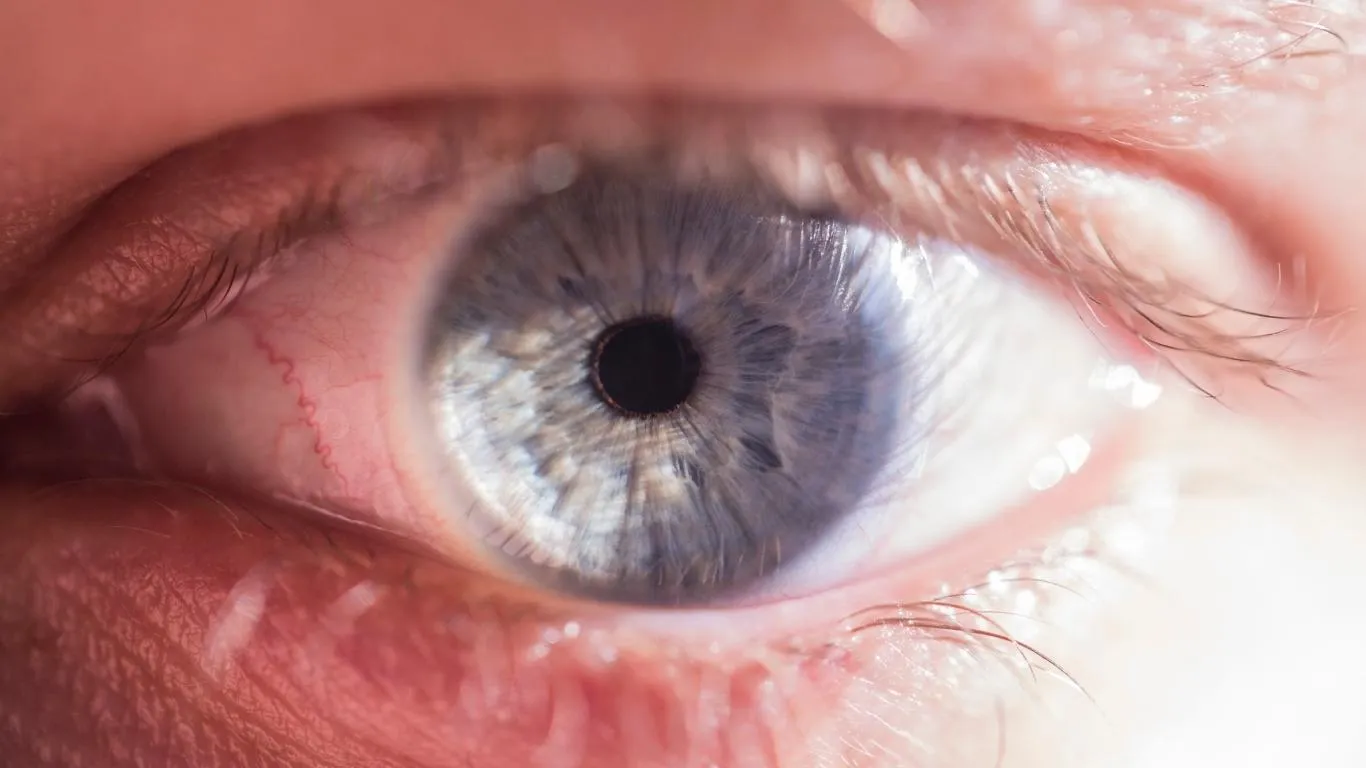
Now, I’m not saying kale will cure your floaters—but some lifestyle changes might reduce their impact, or at least make you less sensitive to them.
- Anti-inflammatory diet: Foods rich in omega-3, lutein, and vitamin C are said to support vitreous health. Check out our guide on diet changes for floaters.
- Hydration: Dehydration thickens the vitreous, which may make floaters more visible. Here’s why it matters.
- Eye-friendly lighting: If you’re a gallery hopper or bright-light environment dweller, use hats or lightly tinted lenses to reduce exposure.
Supplements People Swear By
While there’s no “magic pill,” I’ve personally noticed less eye strain and a decrease in floater awareness when I started using lutein + zeaxanthin supplements. Other folks in the Healthusias community recommend magnesium and collagen-specific support. We break these down here.
Are Floaters Ever Linked to Other Health Issues?
Absolutely. In rare cases, floaters can signal deeper systemic problems. Autoimmune conditions like lupus or rheumatoid arthritis, high blood pressure, even certain medications or visual fatigue from extended screen time can all worsen floaters—or make you more aware of them.
In fact, researchers at ncbi.nlm.nih.gov have published studies linking chronic inflammation and oxidative stress to premature vitreous degeneration. If you’re experiencing floaters at a young age or with unusual intensity, it’s worth investigating more than just your eye health.
Mind-Body Connection: Why Some Days Feel Worse Than Others
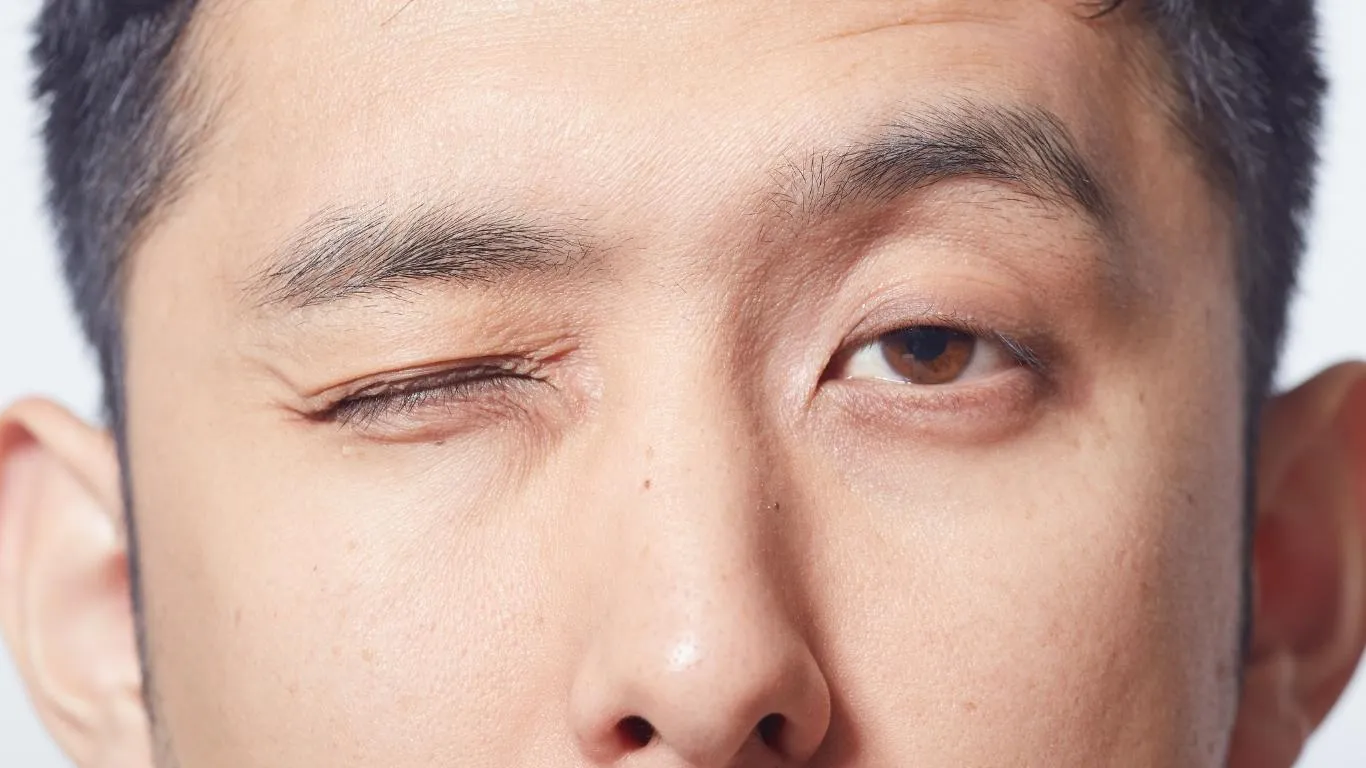
Have you noticed floaters tend to appear more when you’re tired, stressed, or overstimulated? You’re not imagining things. The brain’s perception of floaters fluctuates based on your state of mind. On a calm, clear-minded day, you might not even register them. But throw in anxiety, lack of sleep, or a hangover, and bam—there they are again, dancing in front of your vision like uninvited guests.
This pattern is why some floaters tend to be mistaken for symptoms of other conditions—like migraine aura or even visual snow. Knowing the difference helps, and so does grounding yourself in awareness that they’re annoying, but not dangerous.
How to Cope (Especially If You’re an Art Lover)
As someone who spends a lot of time in creative spaces—both viewing and making art—I’ve had to find my own ways to live with floaters. Here’s what’s worked for me and a few others in the same boat:
- Use textured backgrounds for studio work or reading. They help visually mask floaters.
- Avoid stark white screens when editing photos or writing. Switch to a warm filter or night mode.
- Pause, blink, and shift focus when floaters appear. The movement helps break your brain’s hyperfocus on them.
Floaters don’t have to ruin your gallery experiences—or your creative flow. Understanding their triggers and managing your response to them can make a huge difference.
Curious how they compare to other visual symptoms? We break it down in this guide on floaters vs. other eye issues. For the full deep dive on causes, symptoms, and treatments, visit our comprehensive article on eye floaters.

Camellia Wulansari is a dedicated Medical Assistant at a local clinic and a passionate health writer at Healthusias.com. With years of hands-on experience in patient care and a deep interest in preventive medicine, she bridges the gap between clinical knowledge and accessible health information. Camellia specializes in writing about digestive health, chronic conditions like GERD and hypertension, respiratory issues, and autoimmune diseases, aiming to empower readers with practical, easy-to-understand insights. When she’s not assisting patients or writing, you’ll find her enjoying quiet mornings with coffee and a medical journal in hand—or jamming to her favorite metal band, Lamb of God.