Why Floaters While Sketching In Natural Light Can Ruin Your Flow
Not long ago, I was sitting by the window, sketchpad in hand, sunlight pouring in, and suddenly—there it was again. A translucent thread, almost like a cobweb, drifting across my vision. At first, I thought it was just dust or a hair. But as I blinked and adjusted my gaze, it danced with my eye movements. Eye floaters. If you’ve ever noticed those shadowy shapes—especially while sketching in natural light—you’re not alone. And no, you’re not imagining them.
Why Floaters Stand Out More in Natural Light
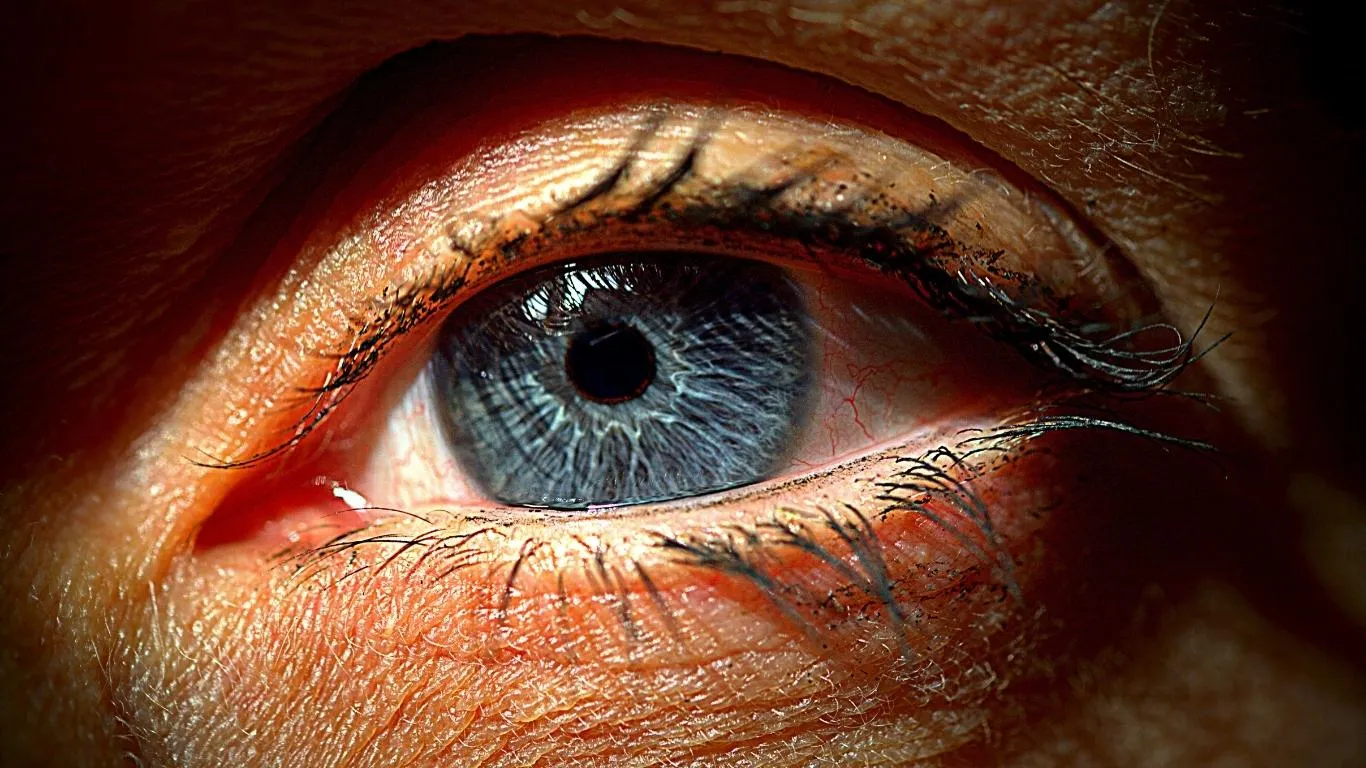
Here’s the thing—floaters are always there, but you’re most likely to see them when looking at bright, plain backgrounds. Natural daylight, especially when sketching on white paper, creates the perfect “canvas” for these little shadows to make their appearance.
When the sunlight hits your surroundings just right and your eyes are focused on detail (like while shading or outlining), your attention sharpens—so does your perception of what’s floating in your vision. It can be subtle or extremely distracting, depending on the light’s intensity and angle.
What Exactly Are These Floaters?
Floaters are tiny clumps or strands of collagen inside the vitreous—the gel-like substance that fills your eye. As we age, the vitreous begins to shrink and form clumps, casting shadows on your retina. That’s what you’re seeing while sketching under soft sunlight or any bright setting.
According to American Academy of Ophthalmology, they’re common and usually harmless, but that doesn’t make them any less annoying—especially for artists and detail-focused professionals.
Why Artists and Creatives Notice Them More
- Focused Visual Engagement: Sketching requires intense visual concentration.
- Bright Backgrounds: Most artists use white or light-toned paper.
- Contrast Sensitivity: You’re naturally scanning for changes in light and form.
Combine these with natural light, and voilà—your floaters take the stage.
When Should You Be Concerned?
Let me say this as someone who’s spent hours sketching quietly under a window: most floaters are benign. But—and it’s a big but—sudden new floaters, especially if accompanied by flashes of light or peripheral shadows, might be a warning sign.
In such cases, floaters before retinal tear can indicate serious issues like retinal detachment. Don’t wait around if your floaters suddenly change shape or quantity overnight.
Red Flags to Watch Out For
- Sudden burst of floaters with eye pain
- Floaters accompanied by flashing lights
- Vision loss or curtain-like shadows in side vision
If any of these occur, it’s worth getting your eyes checked—urgently. Eye health isn’t something to sketch around.
Can Floaters Get Worse in Certain Conditions?
They can—and do. If you’re like me and love sketching during late afternoons when the golden hour floods the room, you’ve probably noticed floaters becoming more visible. This is because:
- Natural light creates high contrast—ideal for spotting floaters
- Sketching slows your eye movement, allowing floaters to ‘settle’
- Fatigue or dehydration can worsen perception of floaters
For instance, according to this detailed article, many people also report increased floater visibility when reading white text on dark backgrounds. It’s the same contrast dynamic at play.
Can Lighting Angle Play a Role?
Absolutely. If your desk or studio faces a window, try changing the angle slightly. I’ve personally shifted my easel a few degrees so light hits at a less direct angle, and guess what? I barely notice my floaters now during sessions.
Tips to Cope While Sketching
There’s no magic cure (yet), but there are ways to manage the annoyance:
- Use softer, diffused natural light: Think sheer curtains or indirect light sources.
- Take short eye breaks: Blink and look at a distant object every 20 minutes.
- Adjust sketch angle: A slight tilt can reduce direct reflection and floater visibility.
- Stay hydrated: Dehydration can make floaters worse, especially during long sessions.
Honestly, a humidifier and a few drops of preservative-free eye drops changed the game for me. Sounds simple, but those tiny adjustments really help.
Long-Term Considerations for Visual Artists
If your floaters are affecting your creative flow often, it might be worth exploring options beyond self-management. Treatment options range from watchful waiting to advanced procedures like laser vitreolysis or vitrectomy. While not recommended lightly, for some artists with severe cases, it can restore quality of vision—and productivity.
It’s also useful to understand the root cause of your floaters. Age-related vitreous changes are a common culprit, and posterior vitreous detachment is one of the leading causes in adults. Knowing this gave me peace of mind—and a clearer plan moving forward.
For a comprehensive view on treatment paths and how to manage floaters long-term, I’d recommend checking the Eye Floater Treatments pillar and the Main Eye Floaters Guide for even deeper insights.
Can You Prevent Floaters From Becoming Distracting?
We might not be able to stop floaters altogether, but minimizing how disruptive they are? That’s doable. Especially for artists and illustrators who work in direct sunlight, prevention is more about visual habits than actual medical intervention.
I’ve found that managing visual fatigue is key. On days when I’ve pulled long sessions without eye breaks, floaters seem to dance across the page even more. It’s not just perception—it’s also physical strain, and possibly even posture-related tension playing a role.
Visual Habits That Help
- Move your eyes slowly: Rapid eye movements make floaters more noticeable.
- Switch tasks briefly: Every hour, shift focus away from fine detail to give your eyes a reset.
- Mind your background: Sketching over toned or textured paper makes floaters less apparent than pure white.
Interestingly, I learned from this piece that long periods of intense focus, especially with bright materials, can temporarily spike floater visibility. Sound familiar?
Lighting Tweaks to Ease Floater Distraction
Now let’s talk light. Natural light is beautiful—don’t get me wrong—but it’s also intense. Midday sun, especially through clear windows, is basically a spotlight for every floater in your visual field.
What worked for me? I shifted to sketching during softer daylight hours—think early morning or late afternoon. Even adding a sheer curtain changed the whole game. It filtered the brightness just enough to keep the ambiance without turning every eye movement into a distraction.
Some Lighting Tips I Swear By:
- Diffuse the sunlight—lace curtains, frosted window film, or thin fabric work wonders.
- Position your sketching area sideways to the light source, not facing it directly.
- Mix in soft artificial light if natural light feels too harsh.
Also, this article explores how bright lighting exaggerates floaters—especially in artistic tasks. Worth a read if you’re dealing with similar visual distractions.
When Sketching Becomes Visually Draining
Some days, the floaters are minor. Other days, they’re borderline intrusive. One afternoon, I had to stop entirely because it felt like a translucent jellyfish was floating across the page. I later realized I was severely dehydrated and hadn’t taken a proper break in hours.
Turns out, poor sleep and dehydration can both make floaters worse. Add sketching under intense daylight into that mix, and it’s a recipe for visual frustration.
Physical States That Can Aggravate Floaters:
- Not drinking enough water (classic studio day mistake)
- Dry air—especially near windows during cooler months
- Sleep deprivation or late-night creative marathons
- Eye strain from too many micro-movements during detail work
These don’t cause floaters, but they sure make you notice them more.
Natural Solutions That Might Support Vitreous Health
If you’re hoping for some kind of magic herb to dissolve floaters—let’s be honest, we all have—you’re not alone. I’ve gone down the rabbit hole of natural floater remedies more than once.
While results vary and scientific proof is limited, some dietary and lifestyle changes seem to offer anecdotal benefits. At the very least, they support overall eye and collagen health:
Popular Natural Support Options
- Lutein and Zeaxanthin: Found in leafy greens—helpful for retinal support.
- Omega-3 fatty acids: Great for eye hydration and inflammation support.
- Vitamin C & E: Antioxidants may help prevent vitreous degradation over time.
- Hydration: It’s underrated. Clear vitreous needs adequate fluid balance.
You can find additional insights in the article on diet changes that support eye floaters. Some of it may sound basic, but these tweaks genuinely improved my consistency while sketching.
When to Consider Professional Help
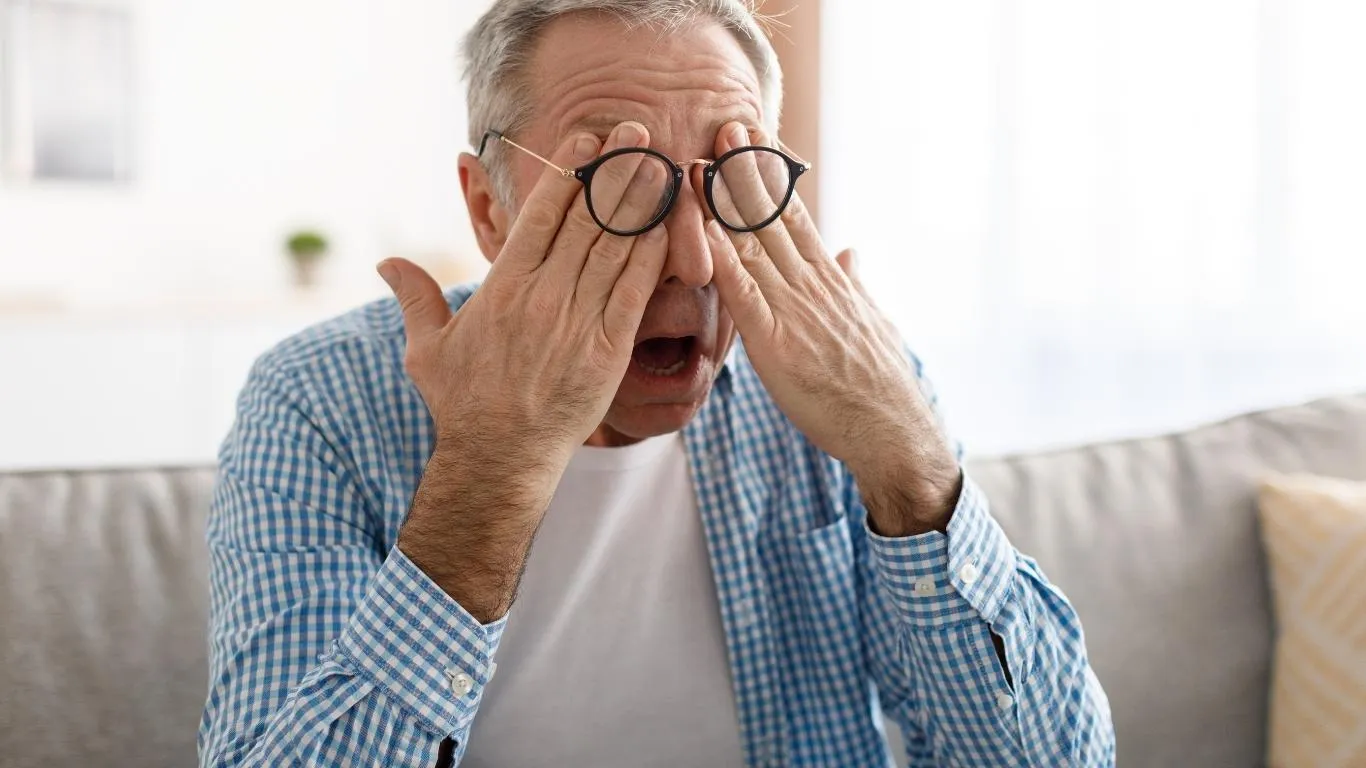
If floaters are becoming too frequent or intense, it’s not a sign of weakness to ask for help. In fact, being proactive can protect your vision. Floaters caused by underlying issues—like retinal tears or inflammation—need medical attention, not artistic patience.
I had a scare a while ago where I noticed floaters shifting rapidly over a few hours. I booked a same-day appointment. Turns out it was harmless—but peace of mind is a beautiful thing. You can read more on when floaters could signal something serious.
If you’re wondering whether it’s time to talk to someone, the causes of eye floaters guide breaks things down really well and connects symptoms with possible conditions.
Sketching With Floaters: Finding Your Flow Again
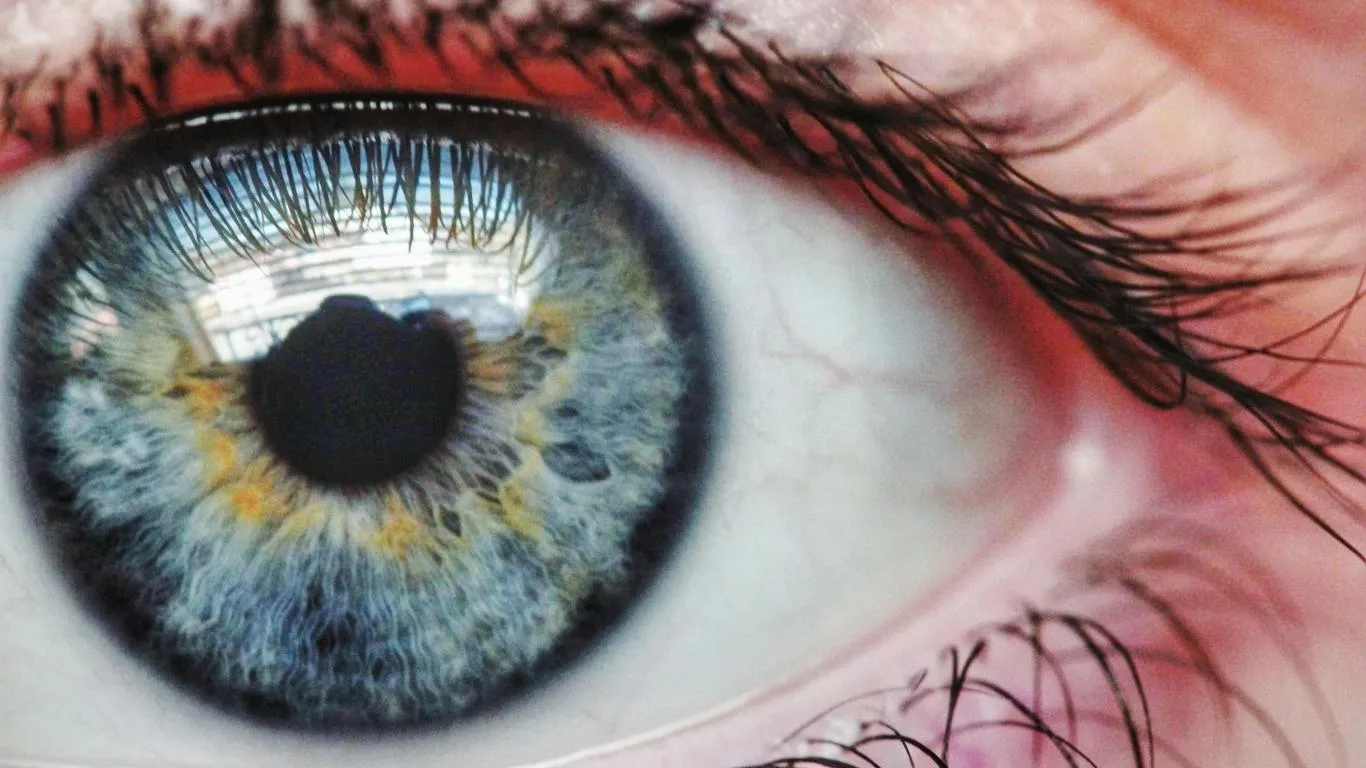
Look, floaters aren’t fun. But they’re also not the end of your creativity. I’ve learned to adjust my setup, shift my lighting, and yes—sometimes just breathe and blink it out. That’s part of the process now.
If you’re struggling with floaters while sketching in natural light, you’re not alone—and you don’t have to give up your space by the window. It just takes a little adaptation, some new habits, and a bit more attention to what your eyes are telling you.
And for a full understanding of what eye floaters are, how they happen, and the most up-to-date management options, you can always return to the main guide here.

Camellia Wulansari is a dedicated Medical Assistant at a local clinic and a passionate health writer at Healthusias.com. With years of hands-on experience in patient care and a deep interest in preventive medicine, she bridges the gap between clinical knowledge and accessible health information. Camellia specializes in writing about digestive health, chronic conditions like GERD and hypertension, respiratory issues, and autoimmune diseases, aiming to empower readers with practical, easy-to-understand insights. When she’s not assisting patients or writing, you’ll find her enjoying quiet mornings with coffee and a medical journal in hand—or jamming to her favorite metal band, Lamb of God.