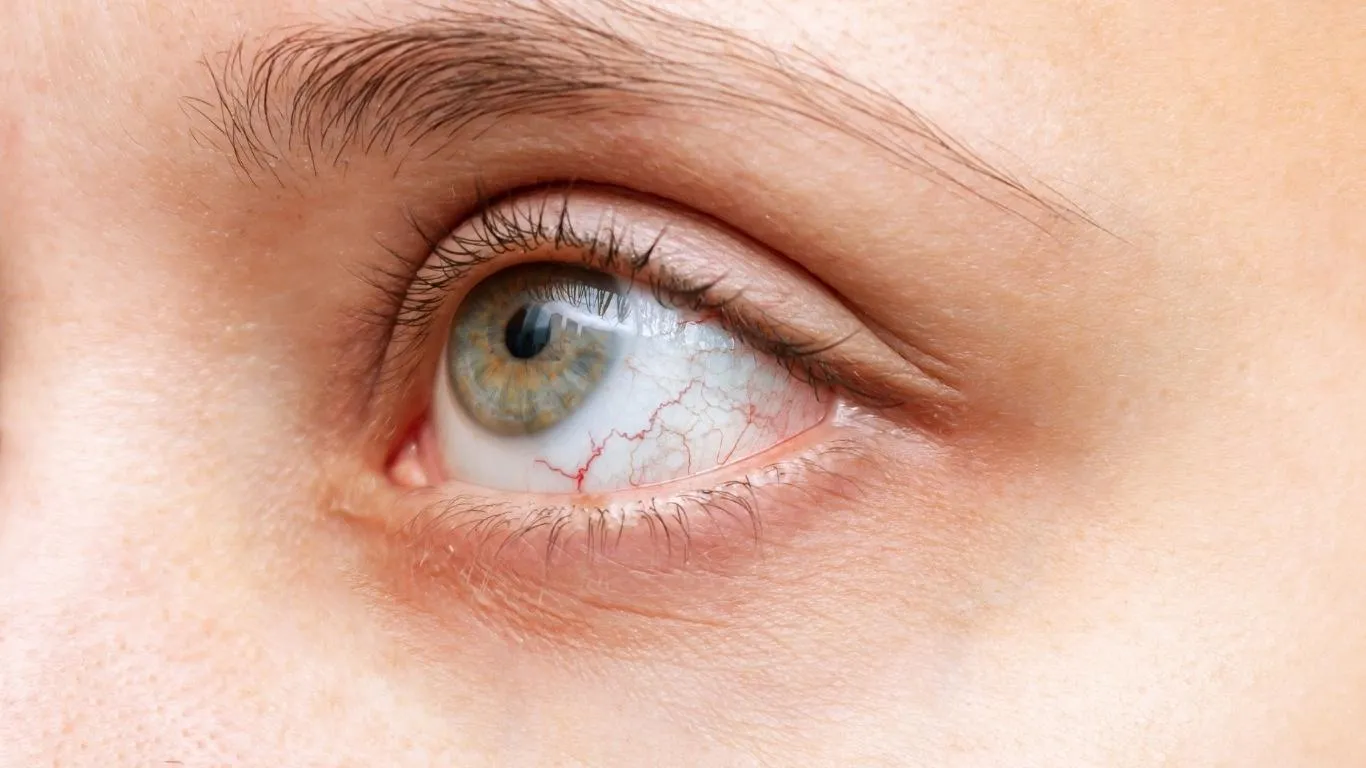
Why Floaters Appearing During Vision Board Creation Feel Distracting
So there I was, sitting cross-legged on my living room floor, candles lit, music softly playing in the background, surrounded by a chaotic but inspiring mess of magazines, scissors, and glue sticks. It was vision board night — my favorite creative ritual to reset intentions and dream big. But just as I began zoning into my future self sipping coffee on a Bali terrace (cutout securely pasted, by the way), something weird happened. Tiny squiggles started dancing across my line of sight. Like floaty threads, dots, or sometimes those strange cobwebby shapes drifting in and out. Yep — eye floaters. And oddly enough, I had never noticed them until I was in this peaceful, low-light, hyper-focused state. That’s when I realized: why do floaters seem to appear more during vision board creation?
What’s Actually Going On with Floaters During Focused Visual Activities?

If you’ve ever stared intently at a board, a screen, or even the blank ceiling while daydreaming, and suddenly spotted tiny specks drifting by, you’re not alone. The phenomenon of floaters appearing during focused tasks like vision board creation isn’t random — it’s deeply tied to how our eyes and brain operate under visual stillness and mental immersion.
Floaters Love Calm Visual Fields
During the vision board process, our eyes often fixate on light-colored paper, glossy pages, or solid surfaces — usually in brightly or evenly lit environments. This creates the perfect storm for floaters to show themselves. Why?
- Uniform backgrounds make the contrast of floaters more visible.
- Still eye movement means floaters stay in view longer instead of being swished away by rapid gaze changes.
- Soft lighting from candles or desk lamps casts fewer shadows, reducing visual “noise.”
One study in the National Library of Medicine even noted that low-stimulus environments enhance perception of visual artifacts like floaters. Basically, our brain becomes more sensitive when we’re in Zen mode.
Are These Floaters New or Just More Noticeable?
Big question. I initially thought they were suddenly forming during vision boarding. But the truth? They were likely always there. Our brain usually tunes them out when we’re distracted, in motion, or bombarded with stimuli.
But during activities like meditation, journaling, or yes — crafting your dream life on cardboard — our perception sharpens. We tune in. We see more. Even the stuff we don’t really want to.
If you’re noticing floaters only during these kinds of visual exercises, you might find this related insight helpful on how lighting conditions affect floater visibility.
Why Floaters Might Seem Worse When You’re Deep in Visualization
Creating a vision board isn’t just about glue and glitter. It’s mental work. You’re conjuring future visions, holding mental images, and reflecting inward. This inner stillness translates into less blinking, more focused eye positioning, and sometimes long periods without shifting your gaze. And all of that creates the perfect canvas — pun intended — for floaters to drift through your visual field.
Less Blinking = More Awareness
When we’re emotionally engaged, we blink less. Blinking naturally resets our vision. Less blinking means floaters linger.
This also ties into screen time — where many notice a spike in floater visibility. If you’ve ever wondered about floaters post-scroll, check this relevant read: Floaters after using phone in the dark.
Personal Story: The One That Floated Like a Jellyfish
I’ll never forget the one that looked like a jellyfish. It hovered as I visualized “abundance” and totally derailed my concentration. At first, I panicked. Was it my retina? A symptom of something more serious? Quick tip: if you’re seeing sudden new floaters or flashes of light, that’s worth a call to your eye doctor. But if they come and go in familiar patterns — often during restful visual activities — it’s usually normal.
This is where understanding when floaters might be dangerous can really help ease the anxiety spiral.
Vision Boards, Visualization, and Vitreous Truths
Here’s something wild: the very act of making a vision board — a process that’s meant to clarify your future — might just be telling you something about your eye health today.
- Floaters may be more visible during vision board creation because of still focus and uniform visual fields.
- They’re often harmless, but can feel disruptive during creative or spiritual work.
- They might reflect underlying aging of the vitreous, or even dehydration, fatigue, or screen overuse.
For a full breakdown on how the vitreous changes with time and causes floaters, this article on age-related vitreous changes is gold.
Hydration, Lighting, and Eye Positioning Hacks
- Stay hydrated — seriously, dehydration can exaggerate floaters. It’s backed up in this piece on floaters and dehydration.
- Aim for soft, indirect lighting when vision boarding.
- Move your gaze or eyes every few minutes — gentle eye yoga works wonders.
When It’s Not Just the Mood Lighting
Some floaters, especially sudden or numerous ones, may signal something deeper — like retinal issues. Always good to stay informed, especially if you’re over 40 or have high myopia.
Explore More
Want to really dig into what causes floaters, and how to deal with them long-term? This comprehensive guide on common causes of eye floaters breaks it down beautifully, from natural degeneration to injuries and everything in between.
For a full overview on floaters — symptoms, causes, and when to take action — don’t miss this main explainer from Healthusias: What are Eye Floaters?
What If Floaters Are Disrupting Your Visualization Practice?
There’s nothing more jarring than being in the flow — your playlist is vibing, your manifestation board is coming together perfectly — and boom, a floater floats by like it owns your visual field. It pulls you out of your mental zone. I’ve had moments where I literally paused mid-glue-stick swipe, distracted by this translucent squiggle that wouldn’t get out of my view. Honestly? It’s frustrating.
Can You Train Your Brain to Ignore Them?
Turns out, yes — to a degree. Our brains are masters of adaptation. Just like we learn to tune out background noise in a busy café, we can become less aware of floaters over time. The trick is not fighting them.
Experts at American Academy of Ophthalmology suggest that floaters become less noticeable as your brain “filters them out.” It’s called neural adaptation. But that process doesn’t work when you’re hyper-focusing — which, let’s face it, vision boarding absolutely involves.
If you’re finding that your floaters are more pronounced during these moments of intense visual intention-setting, you’re not alone. This relatable piece on floaters when lying flat touches on why certain positions or environments seem to intensify visibility.
Practical Tips I’ve Personally Tried
- Change your gaze often. Every few minutes, I shift my focus to the wall, my plants, even close my eyes for a few seconds. It breaks the visual repetition that gives floaters the spotlight.
- Use textured or patterned vision board backgrounds. Plain white or beige boards seem to highlight floaters. A marbled, pastel, or slightly patterned background helps distract the eye — and they look great, too.
- Hydrate before you create. Water makes a difference, especially if floaters are tied to temporary dehydration or eye strain. This piece on reducing floaters with hydration gets into the why.
Understanding When to Be Concerned
Okay, real talk — most floaters are harmless. Especially if they’ve been around for a while, haven’t changed much, and only show up during specific tasks. But if you’re seeing a sudden burst, flashes of light, or a dark shadow in your peripheral vision, stop what you’re doing and call an eye specialist. No vision board is more important than your retina.
If you’re wondering where that line is, the article on eye trauma and floaters helps clarify danger signals that shouldn’t be brushed off as “just floaters.”
More Subtle Signs That Deserve Attention
- Floaters in one eye only and worsening over days
- Floaters that pulse or move oddly with your heartbeat
- Paired with headaches or pressure around the eye
Any of these could signal a more serious issue — like posterior vitreous detachment or even early retinal tear. For peace of mind, check out the guide on posterior vitreous detachment.
Can Visualization Practice Actually Help?
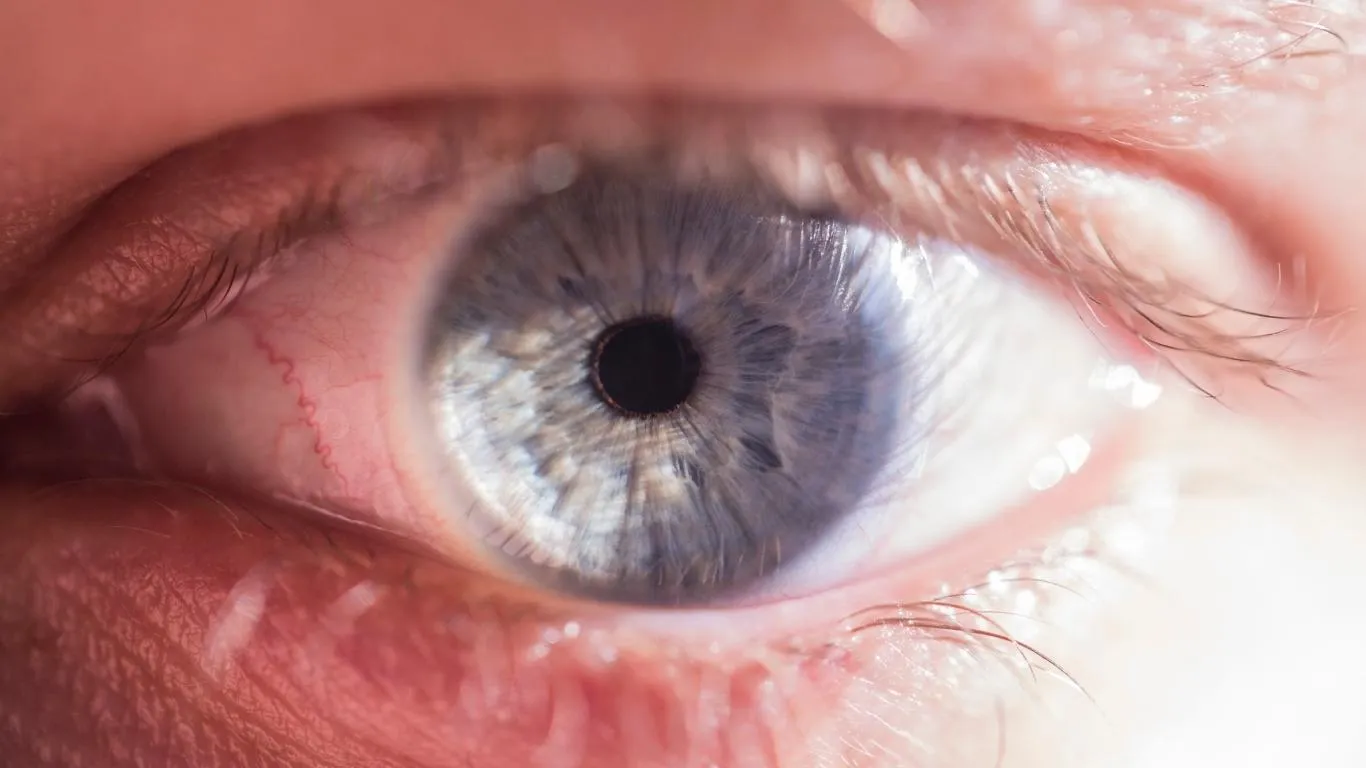
Here’s something I’ve noticed after months of combining mindful vision board practice with floaters: the more I accept them, the less power they have. Seriously. The act of visualizing isn’t just about goals — it’s about presence. Floaters can become part of that presence. Not distractions, but reminders. That’s a shift in perception that changes everything.
I’ve also been exploring targeted eye movements — like slow, deliberate figure-eights or side-to-side sweeps — during breaks. It’s a trick pulled from this guide on floater-reducing eye exercises, and it’s surprisingly effective for short-term relief.
Try This Next Time You Create a Vision Board:
- Dim the lights slightly, but avoid pitch black settings
- Use textured backdrops instead of flat white foam boards
- Keep a water bottle nearby and take visual breaks every 10 minutes
- Try soft instrumental music — your brain relaxes, and so do your eyes
Floaters and Emotional or Spiritual Experiences
There’s an unexpected emotional layer to all this too. Vision boards are more than craft projects — they’re emotional manifestos. When floaters creep in, they often coincide with moments of reflection, vulnerability, or deep internal visioning.
Some floaters appear more during moments of emotional highs — or even grief, as noted in this post on grief-related floaters. They’re not just physical phenomena. They can be subtle indicators that our nervous system is tuned in — and reacting.
Spiritual? Maybe. Scientific? Definitely.
Our body holds onto tension in so many ways. Floaters can appear when we’re visually overstimulated, emotionally full, or holding too much mental pressure. That link between mental clarity and eye health? Real.
Should You Avoid Vision Boards If You Have Floaters?
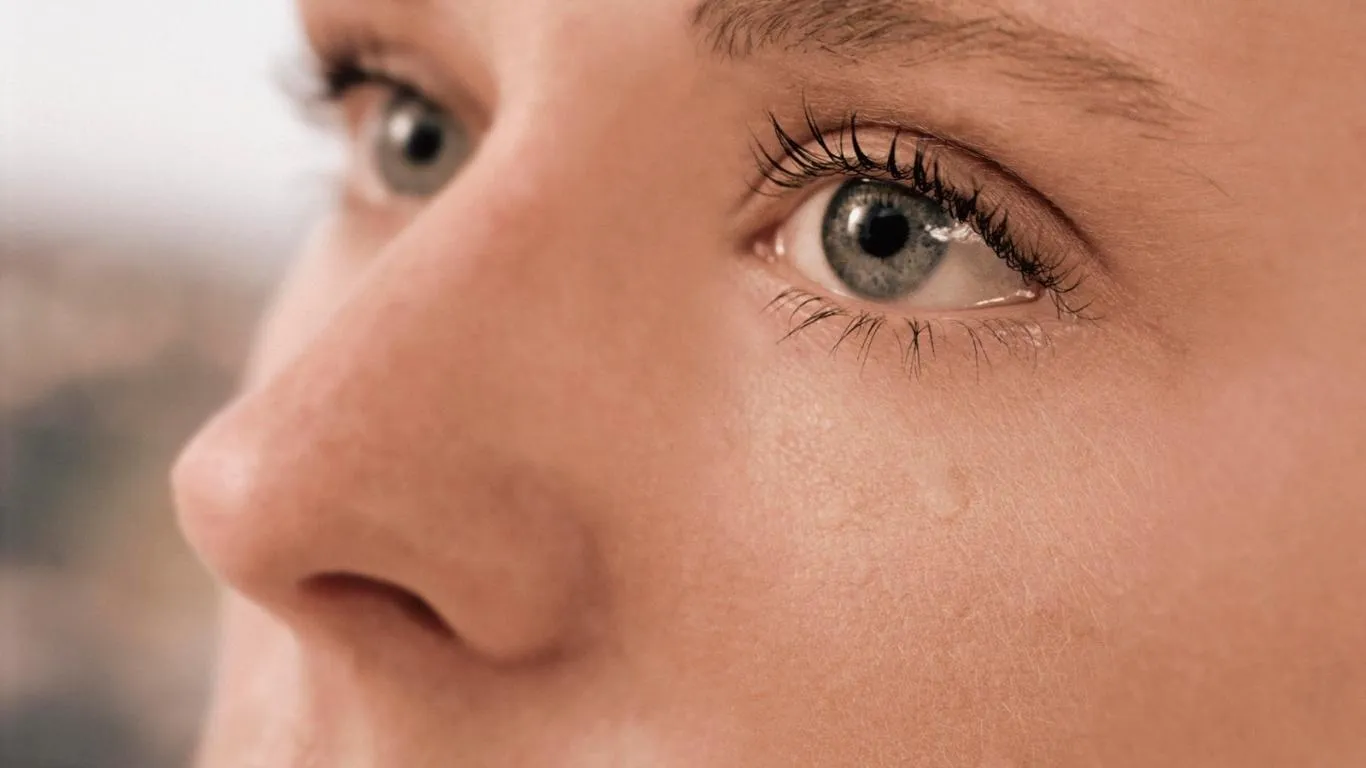
Not at all. Vision boards are still powerful tools. If anything, they give you the quiet space to notice your vision — metaphorically and literally. Floaters don’t cancel your clarity. They just ask for a bit of awareness and compassion along the way.
And if they’re becoming a constant companion during your creative rituals, I recommend exploring broader strategies to manage them holistically. This well-rounded guide on natural ways to manage eye floaters explores what works — and what’s mostly myth.
Further Resources to Explore
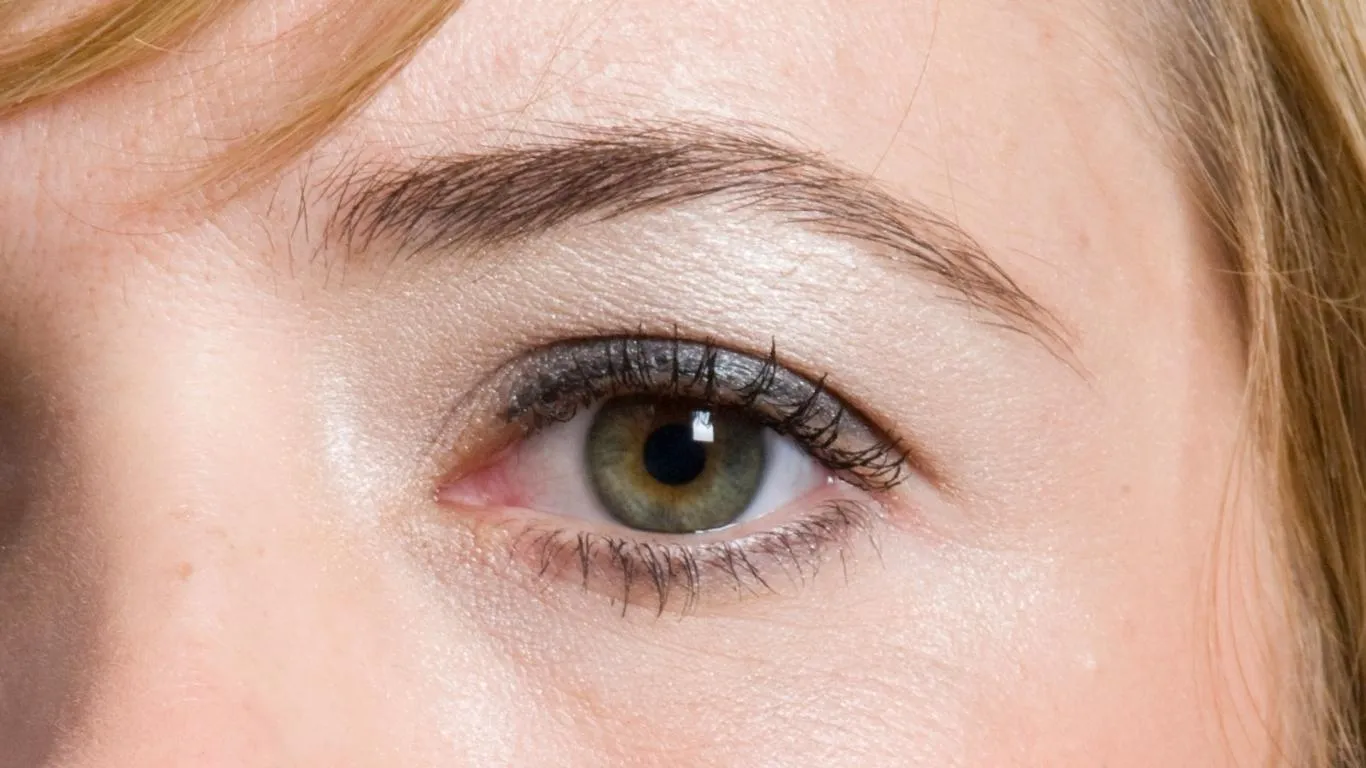
For a deeper dive into what causes floaters, and when they’re worth a visit to the eye doctor, I strongly recommend starting with this central guide: What Are Eye Floaters?
Also, don’t miss the dedicated breakdown on various floater-related scenarios — from injuries to medical conditions — covered in Common Causes of Eye Floaters.

Camellia Wulansari is a dedicated Medical Assistant at a local clinic and a passionate health writer at Healthusias.com. With years of hands-on experience in patient care and a deep interest in preventive medicine, she bridges the gap between clinical knowledge and accessible health information. Camellia specializes in writing about digestive health, chronic conditions like GERD and hypertension, respiratory issues, and autoimmune diseases, aiming to empower readers with practical, easy-to-understand insights. When she’s not assisting patients or writing, you’ll find her enjoying quiet mornings with coffee and a medical journal in hand—or jamming to her favorite metal band, Lamb of God.