Best Passive Spinal Extension Poses To Beat Screen Fatigue
If you’re like me—glued to a screen most of the day—your back probably hates you by dinner time. And it’s not just some vague discomfort. It’s that deep, nagging tension in the middle or lower back, creeping up when you least expect it. I’ve been there—scrolling endlessly, replying to emails, Zoom fatigue piling up—and all while hunched like a human question mark. That’s when I started exploring *passive spinal extension poses*, and honestly, they changed everything.
Why Screen Fatigue Wrecks Your Spine

The Modern Posture Problem
We’re not built to sit for 10+ hours a day—especially not with our necks craned forward and shoulders slouched. Over time, this habitual slump compresses the spine and tightens everything from your hamstrings to your diaphragm. It even messes with your breathing rhythm. Trust me, I learned the hard way after years of editing from the couch and ignoring the growing tension.
Screen Fatigue and Your Nervous System
When we’re locked into screens for long hours, our nervous system takes a hit too. Constant input, blue light, and poor ergonomics can lead to overstimulation and stress, which amplifies muscle tightness and heightens pain perception. It’s like your back is shouting louder because your brain’s already overwhelmed. It’s no wonder tech neck is now a household term.
What Are Passive Spinal Extension Poses?

Passive vs Active: Know the Difference
Passive poses don’t require effort. You allow gravity, props, or furniture to do the work. These aren’t your high-energy yoga flows or fitness-style stretches. Instead, they invite your body to *rest* into a healthier shape—specifically encouraging the natural curves of your spine.
Benefits of Passive Extension
- Decompresses the spine without muscular effort
- Counteracts forward-flexed posture caused by screens
- Stimulates the parasympathetic nervous system (your chill mode)
- Reduces tension headaches and neck strain
- Improves posture awareness without being preachy
Plus, they’re ridiculously easy. You can literally fall asleep in some of them (not saying I haven’t). It’s especially useful when back pain from prolonged sitting becomes your daily norm.
Top Passive Spinal Extension Poses for Screen Fatigue

1. Supported Fish Pose (Matsyasana)
This one is gold for reversing screen-induced hunching. Grab a bolster or rolled blanket and lie down with it supporting your spine vertically from head to tailbone. Let your arms rest open like wings. Close your eyes, breathe deep, and stay for 5-10 minutes.
2. Reclined Heart Opener on Blocks
Place a yoga block under your shoulder blades and another under your head. It’s more intense than it looks. I do this on a recovery day and instantly feel my ribcage open up. Just 3–4 minutes here can melt away upper back tension.
3. Legs on Chair with Rolled Towel
I found this one by accident trying to nap on the floor. Lie down and rest your lower legs on a chair. Slide a rolled towel under your low back to gently support the lumbar curve. This simple setup does wonders after long meetings.
4. Wall-Supported Bridge
Lie down near a wall, bend your knees and rest your feet up on it. Use a folded blanket under your hips to lift them slightly. The passive lift helps with circulation and resets that compressed lower spine.
5. Prone Chest Opener (Roll Method)
Place a firm blanket roll or foam roller horizontally under your chest while lying face down. Let your shoulders drape toward the floor. This one gently nudges the thoracic spine (mid-back) into extension without straining anything.
Making Passive Poses a Daily Ritual

Timing & Consistency
Even just 10 minutes of passive spinal extension in the evening can undo hours of slump. Personally, I sneak in a pose or two during audio calls or just before bed. It’s become as automatic as brushing my teeth.
Tips to Make It Stick
- Set a recurring reminder (mine pops up at 7:30pm)
- Pair it with an existing habit—like Netflix or podcasts
- Keep props (bolster, blocks, towel) in easy reach
- Create a dedicated floor space to reduce friction
More than once, I’ve crawled onto my yoga mat mid-scroll just to escape the stiffness creeping in. It’s become my little act of rebellion against the laptop lifestyle.
Pair Poses with Breathwork
While holding these poses, try extending your exhales. Long, slow breathing through the nose enhances spinal relaxation. There’s even research from ncbi.nlm.nih.gov showing how diaphragmatic breathing improves spinal mobility and reduces stress.
When to Use Caution

Not All Backs Like Extension
If you’ve got spondylolisthesis, spinal stenosis, or fresh disc injuries, check with a medical provider before diving into backbends. These conditions may prefer a more neutral or even flexion-based approach.
Listen to Your Body
There’s a difference between deep release and pinching pain. If anything feels sharp or electric, back off. The goal is *ease*, not effort. If you feel unsure, start with gentle versions and gradually increase duration.
For more on spine-safe modifications and when passive poses might not be ideal, explore our symptoms and diagnosis guide. You’ll find solid info there without the guesswork.
Helpful Resources to Explore Next
- Exercise & Rehab for Spinal Health
- Complete Back Pain Resource Hub
- spine-health.com – Reliable medical explanations and exercises
- ncbi.nlm.nih.gov – Research-backed data
So you’ve started adding passive spinal extension poses into your day—and maybe, like me, you’re already noticing less stiffness when you stand up from your desk. But let’s be honest: one or two poses every now and then won’t undo years of forward hunching. To really feel the shift, it takes consistency, a bit of strategy, and knowing how to integrate these poses into your actual life—not just your yoga mat.
Leveling Up: Deepening the Benefits of Passive Spinal Extension

Combine with Gentle Mobility
Passive poses are amazing, but when you layer in some gentle movement before or after, your spine responds even better. I’ve started doing light foam rolling or wall stretches first, just to “wake up” my back before dropping into stillness. It preps the fascia, gets blood flowing, and makes the passive holds feel more like a reward than a struggle.
The Power of Sequences
Instead of treating these as isolated poses, try creating a mini-sequence. Here’s one I swear by after long editing days:
- Wall-supported forward fold (to decompress)
- Supported fish pose (5–7 minutes)
- Supine decompression with bolster under knees
- Finish with breath-focused meditation (5 minutes)
It’s incredibly grounding and way more effective than scrolling TikTok until your back seizes up again.
Real-Life Scenarios Where These Poses Shine

1. Midday Screen Break Reset
Instead of reaching for your third coffee or doomscrolling between tasks, spend five minutes in legs-on-chair with towel under lumbar. It gives your spine a gentle reset, especially after back-to-back Zooms. I keep a folded blanket right next to my desk—it’s my secret productivity booster.
2. Evening Netflix Ritual
Swap your couch slump for the reclined heart opener while watching. Sounds weird, but it works. I prop myself up on a bolster, set my show, and just melt. Even better—do it during a slow-burn drama. You’ll forget you’re even stretching.
3. Post-Gym Wind Down
After workouts, especially on leg day, your spine needs decompression. Use passive backbends to balance the compression from lifting or cardio. Even 5 minutes helps release deep tension from your paraspinals and hips.
Posture Habits That Complement Passive Poses
Passive Stretch + Active Awareness
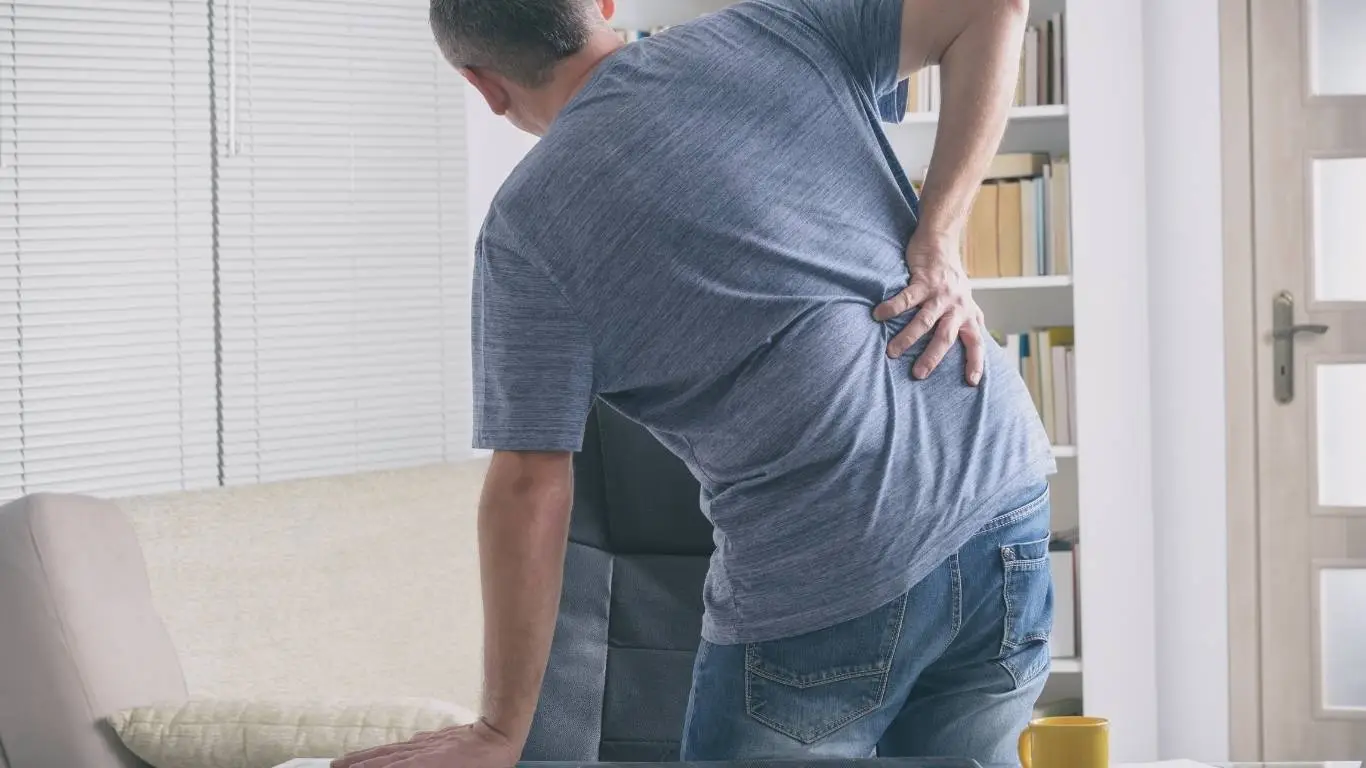
Doing a 10-minute backbend and then hunching over your laptop for six hours kinda defeats the purpose, right? One thing that helped me massively was pairing these poses with better sitting habits. That doesn’t mean perfect posture—but more like *supported slouching*. I use a lumbar cushion, prop my feet on a stool, and change positions frequently.
Try Micro-Movements
- Set a timer to shift your posture every 30–40 minutes
- Use your chair arms to slightly lift your spine and reset
- Alternate between standing and sitting (even if just stacking books)
Pair these with your unique body needs, especially if you’re dealing with chronic conditions or neurological issues.
Common Mistakes to Avoid

1. Going Too Hard, Too Fast
These poses are passive—not pushy. If your back’s yelling during a stretch, that’s your cue to ease out. It should feel like *release*, not strain. I’ve made the mistake of pushing into a deeper bend with blocks and regretted it for days. Let your body invite the stretch.
2. Holding Breath
Easy to do when you’re trying to “relax” in a pose. But holding your breath just triggers tension. Instead, try 4-6 second exhales. I like to imagine my spine elongating with every out-breath. Works like magic.
3. Using the Wrong Props
If a pose feels awkward or pinchy, it’s probably your setup—not your spine. Use cushions, yoga blocks, even a rolled towel to customize the angle and pressure. Everyone’s spine is different, and your props should fit *you*, not the other way around.
How Passive Poses Fit Into a Holistic Back Health Strategy

Think Beyond the Mat
These poses are part of a bigger system. Pair them with supportive nutrition, ergonomics, and mental wellness strategies. I started adding anti-inflammatory foods and limiting caffeine after 3pm, and the combo worked better than painkillers ever did.
Mental Tension Shows Up Physically
This part blew my mind: a lot of my back tension wasn’t just physical—it was emotional. Stress, frustration, even perfectionism—all of it lodged in my mid-back. I found that pairing passive stretches with mindfulness or CBT approaches really shifted my experience of pain.
When It’s Time to Explore More Help
If your pain persists despite consistent stretching and lifestyle changes, it might be time to explore diagnostic options or expert therapies. Learn about red flags and what to watch for on our symptom guide, and don’t hesitate to look into conservative care from spine specialists.
- Conservative Back Pain Treatments
- Back Pain Home Hub
- spineuniverse.com – Trusted clinical resources

Camellia Wulansari is a dedicated Medical Assistant at a local clinic and a passionate health writer at Healthusias.com. With years of hands-on experience in patient care and a deep interest in preventive medicine, she bridges the gap between clinical knowledge and accessible health information. Camellia specializes in writing about digestive health, chronic conditions like GERD and hypertension, respiratory issues, and autoimmune diseases, aiming to empower readers with practical, easy-to-understand insights. When she’s not assisting patients or writing, you’ll find her enjoying quiet mornings with coffee and a medical journal in hand—or jamming to her favorite metal band, Lamb of God.