Why Lateral Spinal Bends Improve Rib Cage Freedom and Posture
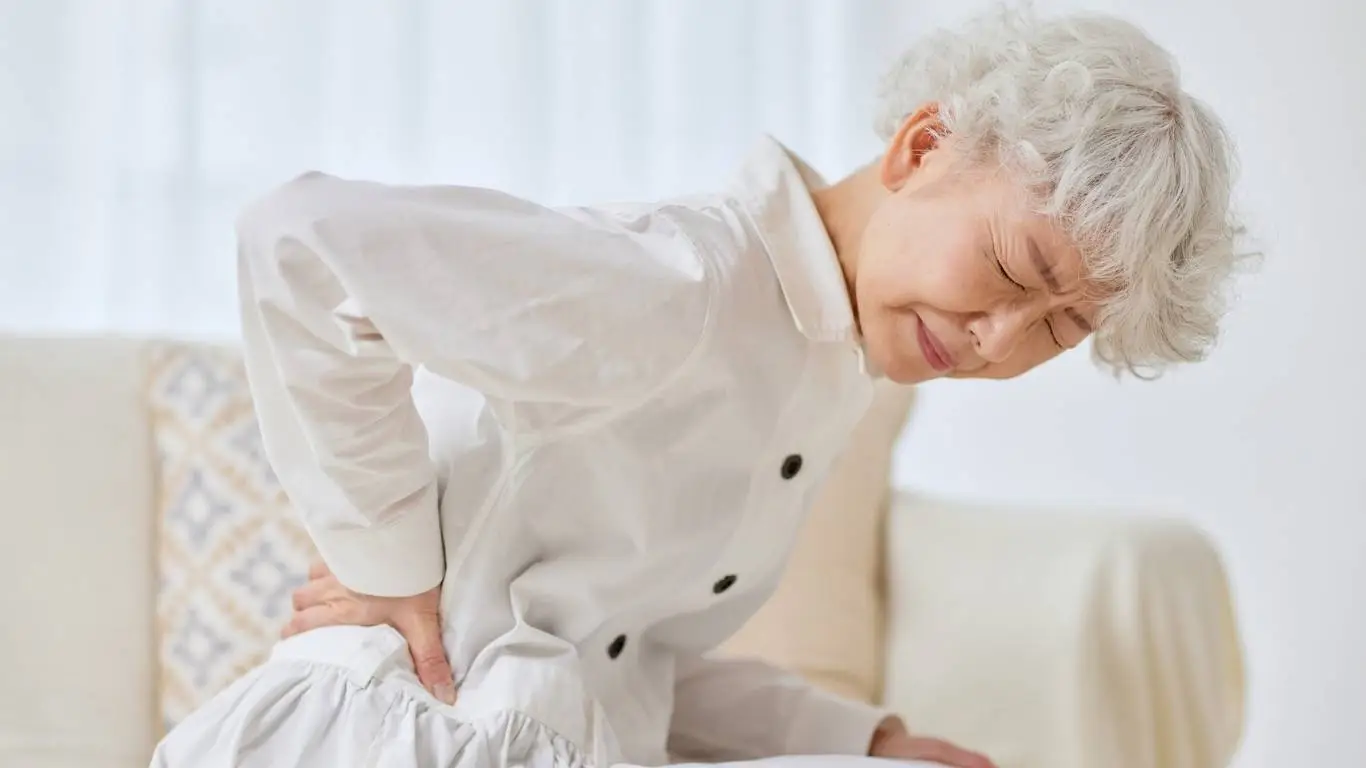
Ever tried to twist and reach for something on the top shelf and suddenly felt a tight pull along your side or spine? Yeah, me too—and let’s just say I now think twice before twisting like I’m auditioning for Cirque du Soleil. What I discovered along the way is something most people overlook: how lateral spinal bends can either give you freedom or lock you into chronic discomfort—especially around the rib cage. If you’ve been struggling with side body tension, limited torso mobility, or just that annoying stiffness you can’t shake, you’re not alone. Let’s dig deep into how lateral movement of the spine influences your rib cage, posture, and ultimately—your freedom to move without pain.
Why Lateral Spinal Bends Matter More Than You Think

The spine isn’t just about flexing forward and backward. We often neglect its side-to-side (lateral) movement, but that’s a big mistake. Side bending affects everything from how we breathe to how we stabilize during movement. It also heavily influences rib cage expansion—which, when restricted, can lead to shallow breathing, thoracic tightness, and even neck or lower back issues.
How It Affects Your Rib Cage
Your rib cage isn’t a fixed cage—it’s meant to be dynamic. The intercostal muscles between your ribs allow for expansion, and the thoracic spine (where ribs attach) should glide as you bend. If that lateral glide is restricted due to muscle stiffness, postural imbalances, or old injuries, the rib cage stops moving freely. The result? Restricted breathing, limited shoulder rotation, and a body that feels like it’s stuck in its own armor.
The Overlooked Link Between Sedentary Life and Side Bending Restrictions
Think about how often you bend to the side during your day. If you’re like most people working at a desk, commuting, or glued to your phone—probably not much. Prolonged sitting compresses the lateral chain of the body (obliques, QL, latissimus dorsi), and all that tightness gradually tugs your ribs into a locked state.
- Slumped posture restricts lateral rib expansion
- Chronic tightness in one side leads to muscular asymmetry
- Overcompensation during walking or lifting increases injury risk
And if you’re experiencing chronic back pain from posture, chances are your lateral movement patterns are part of the puzzle.
Common Causes of Lateral Rigidity and Rib Locking
1. Muscular Imbalances
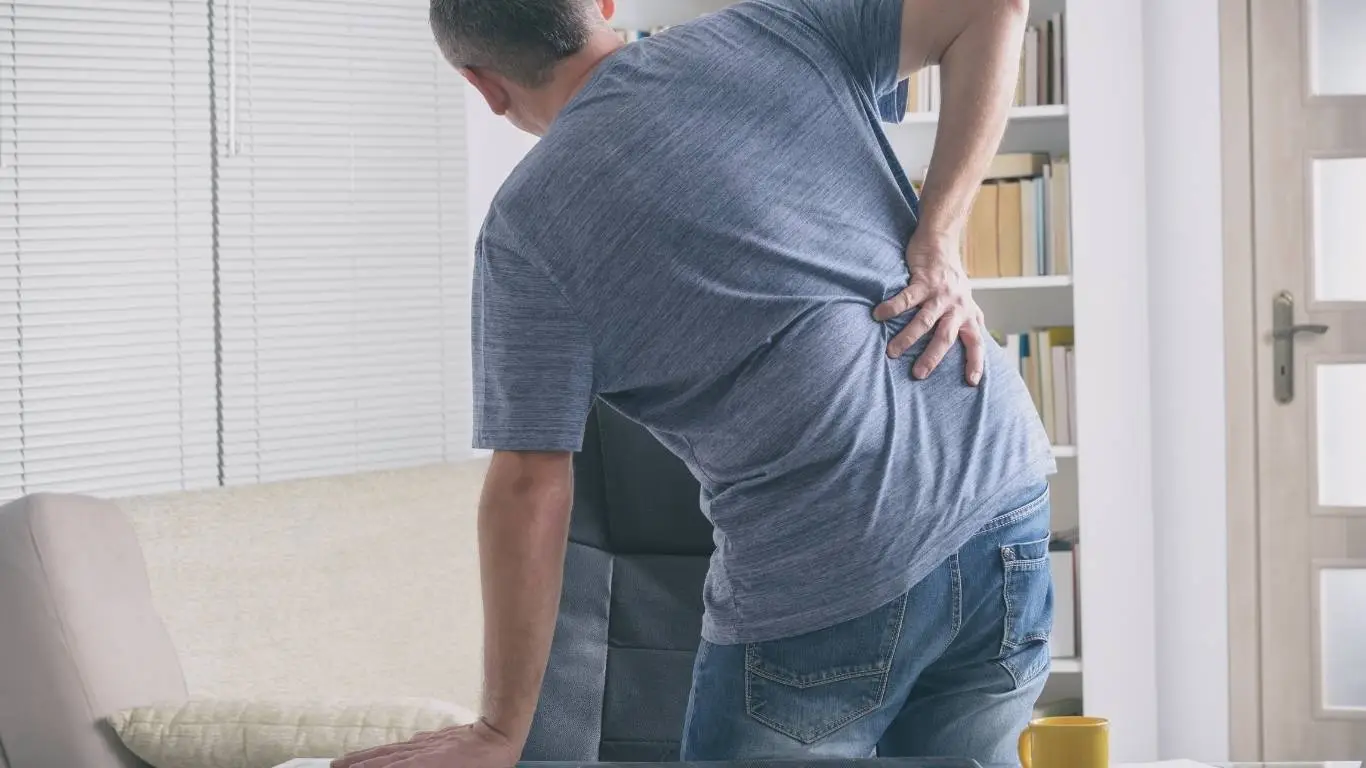
Many people unknowingly develop imbalances between their left and right sides. I realized my left obliques were practically doing double-duty while my right side just coasted along. This asymmetry not only caused stiffness but subtly shifted my rib cage position, affecting my breathing and spinal alignment.
2. Thoracic Spine Restrictions
The thoracic spine (mid-back) plays a crucial role in lateral bending. But it’s often immobile due to forward head posture or lack of movement. If you’re struggling with mid-back stiffness, unlocking this area might be a game-changer.
3. Tight Quadratus Lumborum (QL)
The QL muscle runs from your lower ribs to your pelvis. If you’ve ever felt like your side was “locked” after sitting too long or post-workout, that’s likely your QL crying for help. It anchors the spine during lateral movement and gets notoriously tight on people who sit or lift unevenly.
Symptoms You Might Be Ignoring

Sometimes, rib and lateral spine issues don’t show up as sharp pain. They whisper their presence in subtle, annoying ways:
- One-sided rib tightness or “pinching”
- Difficulty with deep breathing on one side
- Persistent tightness after side planks or yoga
- Feeling off-balance when walking or running
- Compensatory neck or shoulder pain
These symptoms often get misdiagnosed or brushed off—until they become chronic.
Exercises and Mobility Drills That Actually Help

Somatic and Breathwork Approaches
Before jumping into aggressive stretching, try reconnecting with your lateral chain through controlled breathwork and somatic movement. I personally found the diaphragmatic breathing techniques immensely helpful. They not only opened my rib cage but gave me better awareness of imbalances between sides.
Targeted Stretching and Movement
Here are a few moves that have made a huge difference for me:
- Wall Lat Stretch: Stand side-on to a wall, press your hand overhead against it and gently lean away to stretch the ribs and lats.
- Bent-knee Side Bends: Sit cross-legged, raise one arm, and gently lean over. Keep the opposite sit bone grounded.
- QL Release: Use a massage ball along your lower ribs, pressing into the wall or floor slowly.
Consistency is key—daily micro-movements make a bigger impact than sporadic intense sessions.
Tools and Supports That Make a Difference

If you’re dealing with stubborn tightness, a few simple tools can provide the support needed for long-term mobility:
- Ergonomic chairs with proper lateral and lumbar support
- Foam rollers or peanut balls for side body fascial release
- At-home lumbar decompression tools for QL and spine relief
The Bigger Picture: Restore Rib Mobility, Restore Your Life
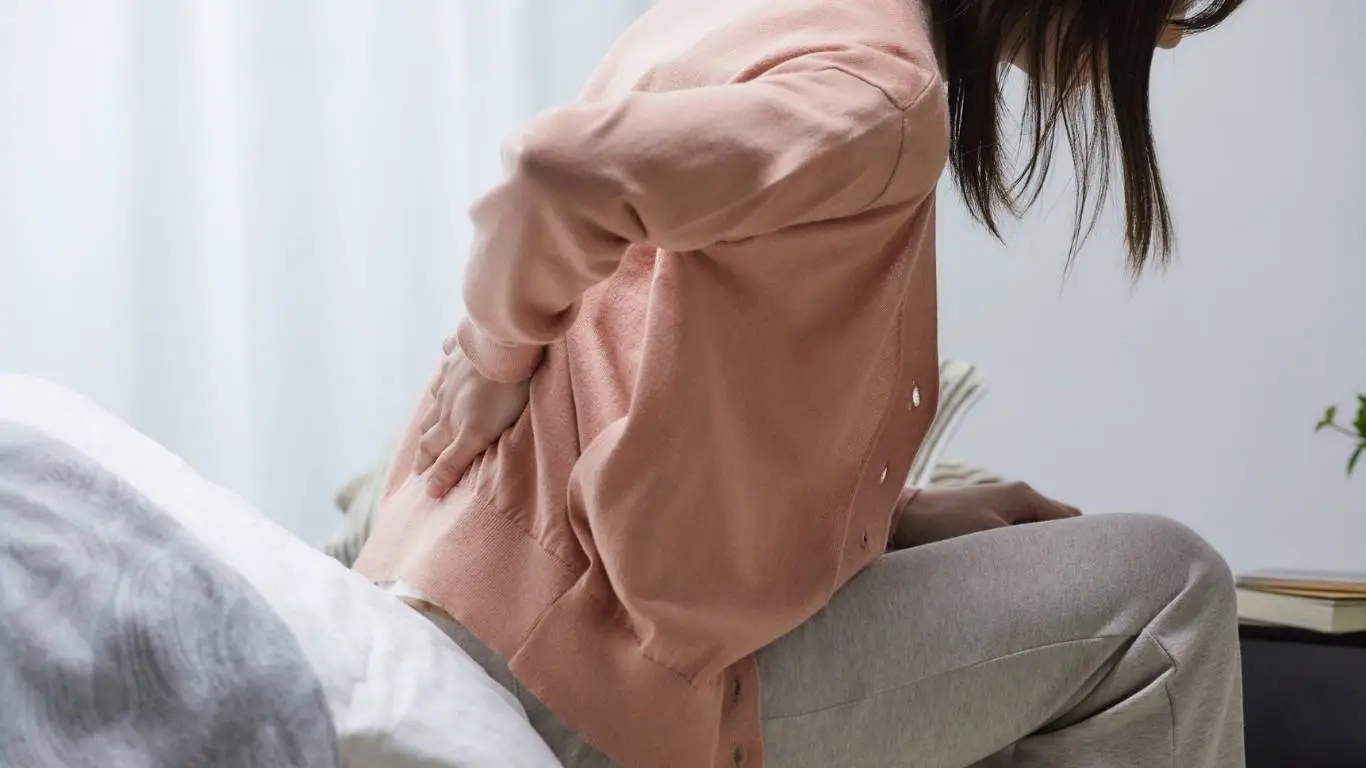
When I started focusing on lateral spine mobility and rib cage movement, everything changed. My workouts improved, I breathed better during runs, and that nagging one-sided pain vanished. The key was consistency and understanding that our bodies are designed to move in all directions—not just forward and back.
If lateral stiffness has you feeling stuck, it’s not just a mobility issue—it’s a quality of life issue. Explore more about spinal rehabilitation and ergonomics here, and don’t forget to check out the main Back Pain Resource Center for broader support and insights.
Unraveling Deeper: The Hidden Impact of Lateral Stiffness

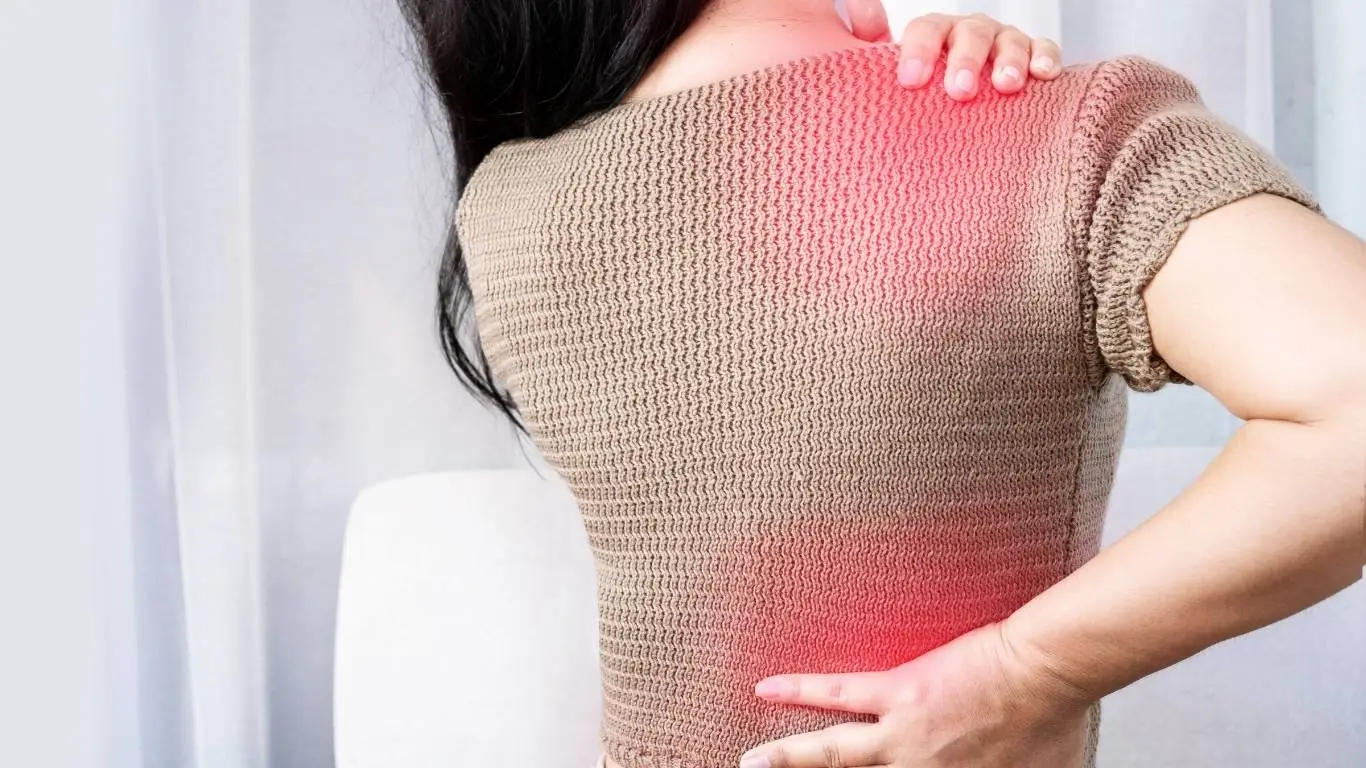
Let’s be honest—most of us don’t give our side body much thought until it screams at us. But the truth is, lateral spinal tightness doesn’t just stop at your rib cage. It quietly ripples out, affecting your hips, neck, and even your gait. When I finally saw a functional movement specialist, they pointed out how my left rib cage barely moved during inhalation. I was shocked. All the tightness I thought was “just in my back” was a full-on cascade of compensations from restricted lateral motion.
From Rib Cage to Pelvis: It’s All Connected
When lateral spinal bends are limited, your pelvis ends up doing more than its fair share of work. That can lead to posterior pelvic tilt and lumbar strain, contributing to long-standing lower back pain. Over time, the whole kinetic chain—shoulders to hips—goes out of balance.
- Restricted ribs reduce spinal rotation
- Compensation often occurs through lumbar extension
- Uneven muscle recruitment causes overuse injuries
It’s one of the most overlooked patterns in chronic pain syndromes. And guess what? Addressing it doesn’t require magic—just a new way of moving.
Retraining Lateral Spinal Freedom: A Practical Game Plan
Step 1: Assess Your Baseline
Before jumping into exercises, stand in front of a mirror and perform a gentle side bend to each direction. Notice if one side feels tighter or if your rib cage visibly rotates more on one side. This self-check reveals imbalances you’ve likely been ignoring.
Step 2: Mobilize with Intention
Throwing in a side stretch at the end of a workout isn’t enough. I started incorporating lateral mobility drills into my warmups and noticed immediate differences. One favorite:
- Kneeling Windmill Reach: From a half-kneel, sweep one arm across and behind the rib cage while rotating the torso gently. Keep your breath long and slow to expand tight intercostals.
Want more variety? Check out these yoga poses that release side tension and restore spinal glide.
Step 3: Integrate Breathwork
This was a missing piece for me. Movement without breath is just a stretch. But when you synchronize breath—especially into the tight side—it rewires the brain-body loop. Try lateral rib breathing:
- Place your hands on both sides of your rib cage
- Inhale and feel the ribs expand outward, like wings
- Exhale and allow them to soften inward
Combine that with light spinal movements and you’ve got a daily practice that doesn’t just help pain—it elevates posture, energy, and even emotional regulation.
The Role of Fascia and Why Foam Rolling Isn’t Enough
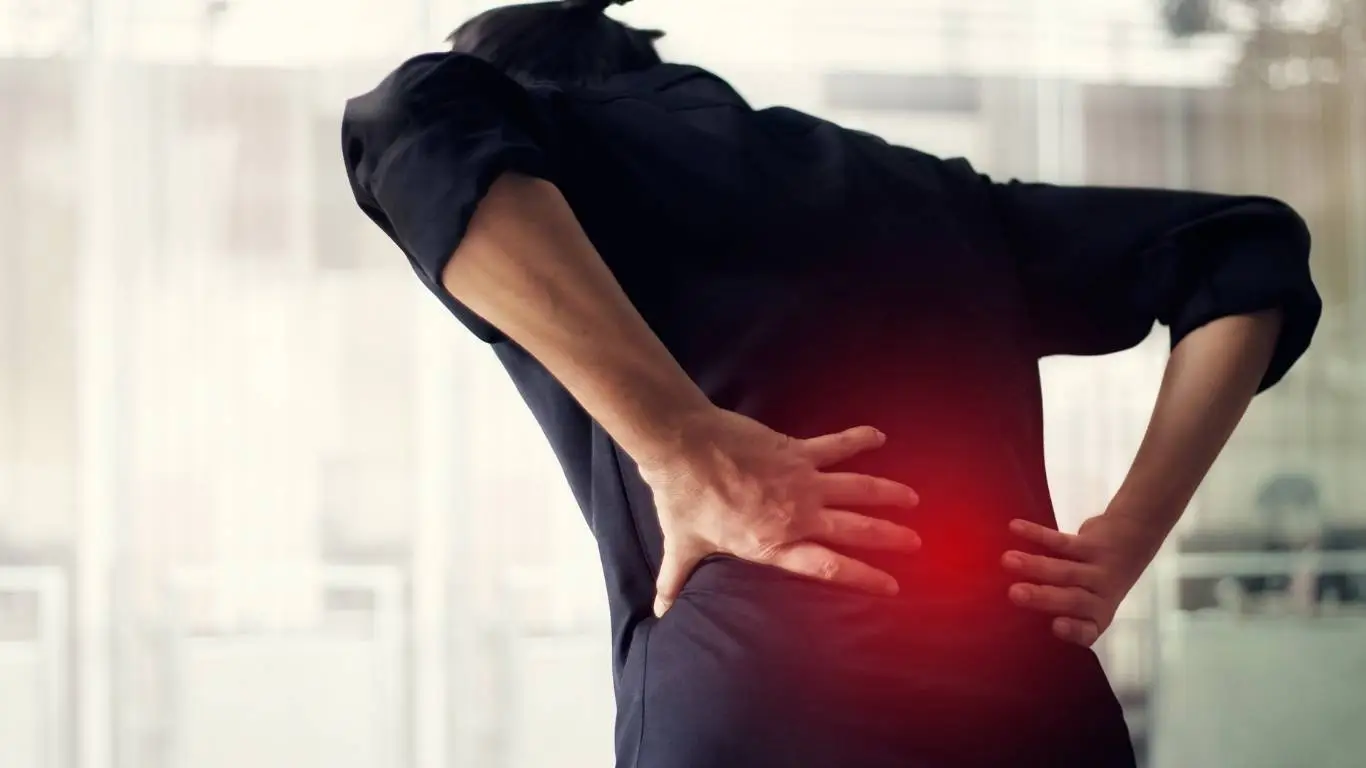
One thing I wish I knew earlier? Your fascia matters. It’s the connective tissue webbing that encases muscles, nerves, and organs. If you’re chronically tight in the ribs or spine, the lateral fascia line (especially thoracolumbar fascia) is probably glued down.
Instead of aggressively foam rolling (which I admit I did and regretted), I started using slow fascial release techniques—like using a soft ball or fascia wand to gently coax those tissues open. The change in movement freedom was noticeable in just a few days.
Correcting Lateral Strength Imbalances

If one side of your body is working overtime, it’s not just about stretching—it’s about strengthening the underperforming side. Start incorporating unilateral movements:
- Side planks (with reach-throughs)
- Single-arm farmer’s carries
- Resistance band lateral pulls
But keep the reps slow and mindful. One thing I learned from training safely with back pain is that power without control just deepens dysfunction.
Everyday Habits That Steal Your Side Body Mobility
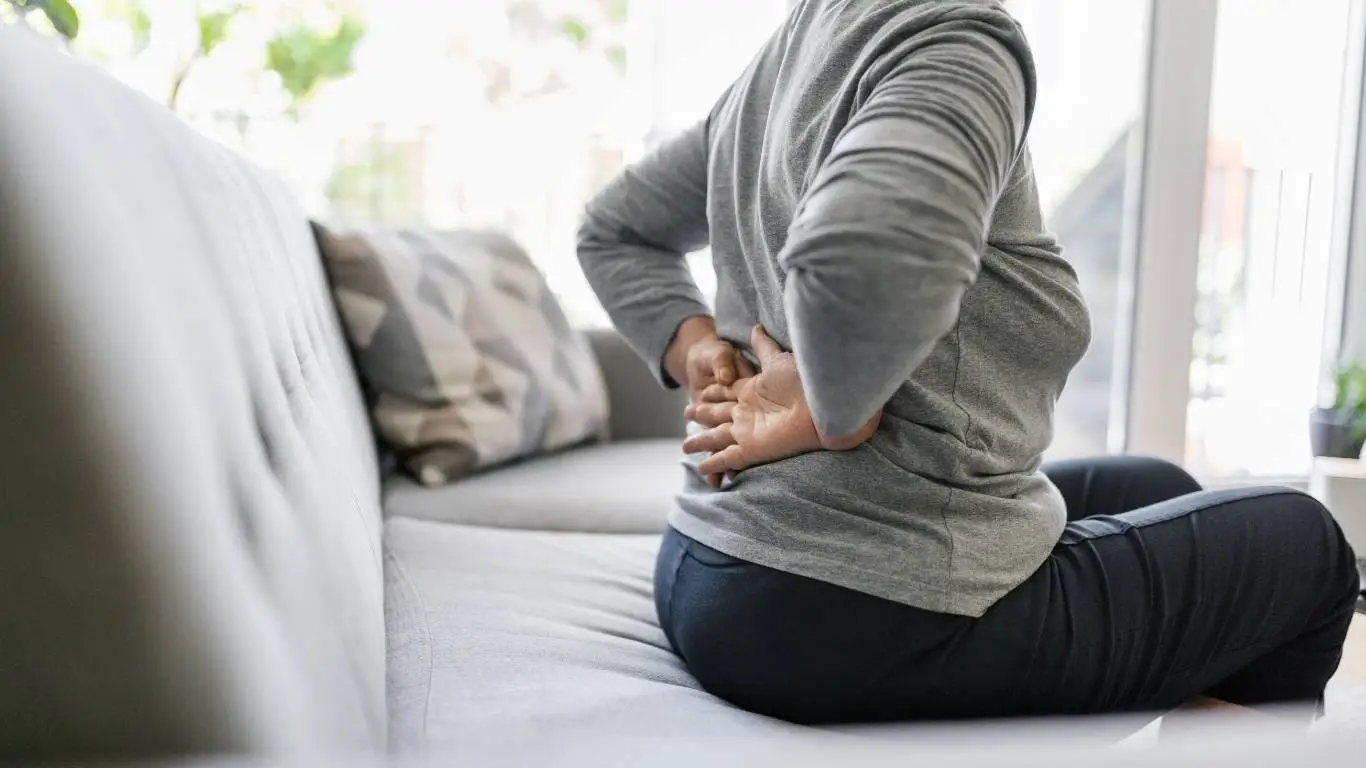
You could stretch all day—but if your daily habits keep pulling your ribs into tight, compressed positions, you’re just hitting repeat on the problem. These sneaky culprits rob you of lateral freedom:
- Slouching into one elbow while working at a desk
- Leaning into one hip while standing
- Carrying bags or kids on the same side every time
One small adjustment I made was switching my bag shoulder daily and sitting cross-legged in both directions to rebalance the load. Tiny change—big relief.
How Stress and Emotions Lock Your Rib Cage

Here’s the kicker that most movement advice leaves out: emotional tension lives in the ribs. When we’re stressed, we unconsciously brace our sides and shallow-breathe from the upper chest. Over time, that becomes our baseline.
I began combining mindfulness with breath-focused meditation and somatic tracking. It helped soften my nervous system’s grip on the rib cage—and in turn, gave me better mobility.
Keep the Motion, Keep the Freedom

Mobility is freedom—plain and simple. And lateral spinal bending isn’t some niche topic. It’s foundational. Whether you’re picking up groceries, chasing your kids, or just trying to sleep without tightness gripping your ribs, it all comes back to this underappreciated motion.
To go deeper, I highly recommend exploring holistic approaches to spinal health, including lifestyle shifts that reduce tension. And of course, don’t miss the core guide on back pain recovery for a complete toolkit to move better, breathe better, and live freer.

Camellia Wulansari is a dedicated Medical Assistant at a local clinic and a passionate health writer at Healthusias.com. With years of hands-on experience in patient care and a deep interest in preventive medicine, she bridges the gap between clinical knowledge and accessible health information. Camellia specializes in writing about digestive health, chronic conditions like GERD and hypertension, respiratory issues, and autoimmune diseases, aiming to empower readers with practical, easy-to-understand insights. When she’s not assisting patients or writing, you’ll find her enjoying quiet mornings with coffee and a medical journal in hand—or jamming to her favorite metal band, Lamb of God.