How Postpartum Stress Drop Migraine Can Improve Life After Birth
When my first child was born, I expected sleepless nights, feeding schedules, and that deep fog of early motherhood. What I didn’t expect was how dramatically my migraines would change. For years, I’d lived with a predictable migraine cycle—like clockwork, certain triggers would set it off. But after delivery, it was as if someone had flipped a switch. The postpartum period brought a strange shift: my attacks dropped significantly for months. This “postpartum stress drop migraine” effect is something many new mothers quietly experience, yet it rarely gets enough attention in mainstream migraine discussions.
Understanding the Postpartum Stress Drop Migraine Effect

The idea is simple: in the weeks and months following childbirth, some women report a sudden decrease in migraine frequency and severity. This isn’t just anecdotal—it has been noted by neurologists and researchers who study hormonal migraine patterns. After pregnancy, the body goes through massive hormonal recalibration, which can temporarily reduce certain migraine triggers, especially those tied to estrogen fluctuations.
For mothers who previously dealt with severe menstrual migraines or hormonally driven headaches, the postpartum window can feel like a relief phase. However, this “drop” doesn’t necessarily last forever, and understanding why it happens can help you prepare for what’s ahead.
Why Migraines Might Improve After Childbirth

Several physiological and lifestyle shifts may be behind the postpartum migraine drop:
- Stable estrogen levels: During pregnancy, estrogen levels rise and remain steady. Even after delivery, the gradual decline can stabilize migraine activity for some women before cycles fully return.
- Reduced menstrual cycles: Especially if breastfeeding, the absence of monthly hormonal fluctuations can lower migraine occurrence.
- Shifts in immune response: Pregnancy and postpartum immune modulation may affect inflammatory pathways related to migraine onset.
- Different stress profile: Yes, caring for a newborn is exhausting, but the type of stress changes. It’s less about environmental and workplace triggers, and more about home-based demands—sometimes sparing you from certain migraine-inducing scenarios.
In my case, the office lights, long commutes, and erratic meals were major triggers pre-pregnancy. Being home more often—despite the chaos—meant fewer of those particular exposures.
Recognizing When the Drop Might Reverse

Unfortunately, this postpartum migraine reprieve isn’t permanent for everyone. As menstruation resumes or when breastfeeding decreases, hormonal fluctuations can return—bringing migraines with them. Sleep deprivation, skipped meals, and emotional strain may further increase risk.
Possible signs migraines might return:
- Headaches aligning with hormonal cycles resuming
- Increased sensitivity to light and sound after a stable phase
- Neck stiffness or aura symptoms reappearing
Tracking symptoms in a migraine diary during the postpartum months can help identify patterns early, so you’re not caught off guard.
When to Consult a Specialist

If migraines change drastically—whether they improve or worsen—it’s worth talking to a healthcare provider. Postpartum women should not dismiss new headache patterns, especially if accompanied by neurological symptoms like vision changes, weakness, or confusion. These could signal rare but serious conditions such as postpartum preeclampsia or blood clots.
For ongoing migraine care, a neurologist experienced with postpartum patients can guide safe treatment options that fit breastfeeding or recovery stages. They may recommend gentle non-drug strategies first, like dietary adjustments, physical therapy, or stress-reduction techniques tailored to new mothers.
Practical Strategies to Maintain the Low-Migraine Phase

While you can’t fully control hormonal changes, there are ways to extend the benefits of the postpartum stress drop migraine period:
- Prioritize rest where possible: Short naps, even 20 minutes, can help offset sleep disruption.
- Hydration and nutrition: Keep healthy snacks and water nearby to avoid sudden dips in blood sugar or dehydration.
- Gentle movement: Light stretching or walks can improve circulation without overexertion.
- Stress buffering: Techniques like mindfulness or yoga may help keep tension headaches at bay.
It’s also smart to keep a “migraine kit” handy—eye mask, cool compress, and any doctor-approved medication—so you can respond quickly if symptoms start creeping back.
What the Research Says

While large-scale studies are still limited, smaller observational reports suggest postpartum hormonal stability may be protective against migraines in the short term. The National Institutes of Health notes that changes in estrogen metabolism post-pregnancy are a likely factor. Additionally, neurologists have observed that women who experienced menstrual migraine pre-pregnancy often see temporary remission postpartum.
Still, there’s no universal rule—some women actually see migraines worsen after delivery due to disrupted routines and new stressors. That’s why individual tracking and professional input remain crucial.
Related Resources
If you want a deeper dive into migraine prevention beyond the postpartum phase, see our guide on migraine prevention strategies or explore the full overview at our main migraine resource hub.
After the initial postpartum months, I started noticing subtle changes in my migraine patterns. The headaches didn’t come crashing back all at once—it was more like a slow creep. This is the reality many mothers face after the “postpartum stress drop migraine” phase fades. Knowing how to navigate this transition can make all the difference in keeping symptoms manageable long-term.
Why Migraines Return After the Drop

For most women, the return of migraines postpartum is tied to the reappearance of hormonal fluctuations. Once menstrual cycles resume—especially if breastfeeding stops—estrogen levels begin their familiar monthly rise and fall. This shift can reawaken dormant migraine triggers.
Other postpartum factors that may contribute include:
- Sleep deprivation: Ongoing night wakings can destabilize neurological rhythms.
- Increased daily stress: Balancing childcare, work, and household responsibilities can intensify physical and emotional strain.
- Environmental triggers: Returning to office lighting, commuting, or exposure to strong scents may revive pre-pregnancy migraine patterns.
- Nutritional gaps: Skipping meals or relying on convenience foods can lead to blood sugar fluctuations that spark headaches.
Recognizing New Postpartum Migraine Triggers

Interestingly, some mothers develop different triggers after childbirth compared to before. For example, I never used to react to certain dairy products, but postpartum I noticed a migraine brewing after high-fat meals. Hormonal shifts can change how the body responds to food, light, smells, and even stress cues.
Common new triggers include:
- Shifts in caffeine tolerance or withdrawal
- Increased sensitivity to loud household noise
- Strong cleaning product scents
- Sudden weather changes, especially humidity shifts
Keeping a detailed log—even just quick notes in a phone app—helps identify these emerging patterns. Tools like migraine tracking apps can be especially helpful when juggling childcare.
Managing the Return of Migraines Safely

For breastfeeding mothers, medication options may be limited, so non-pharmaceutical strategies often take priority. Here are approaches that worked for me and other mothers I’ve spoken with:
- Preemptive rest: Resting at the first sign of an aura or neck tension can sometimes prevent a full-blown migraine.
- Temperature therapy: Alternating hot and cold therapy on the head and neck to calm overactive nerves.
- Balanced eating: Keeping high-protein snacks available to avoid energy crashes.
- Posture awareness: Adjusting nursing or bottle-feeding positions to prevent neck strain—a subtle but powerful trigger.
Some women also find relief through acupuncture or gentle physical therapy, both of which can be adapted for postpartum recovery.
When Professional Help Is Non-Negotiable

While occasional headaches may be manageable at home, there are situations where professional care is essential:
- Sudden onset of severe headaches unlike your usual migraines
- Neurological symptoms like slurred speech or vision loss
- Persistent headaches that worsen over weeks
- Headaches accompanied by high blood pressure postpartum
In these cases, it’s worth consulting a specialist familiar with postpartum migraine physiology. They can help tailor safe treatments that consider both recovery and parenting demands.
Long-Term Migraine Prevention After Postpartum
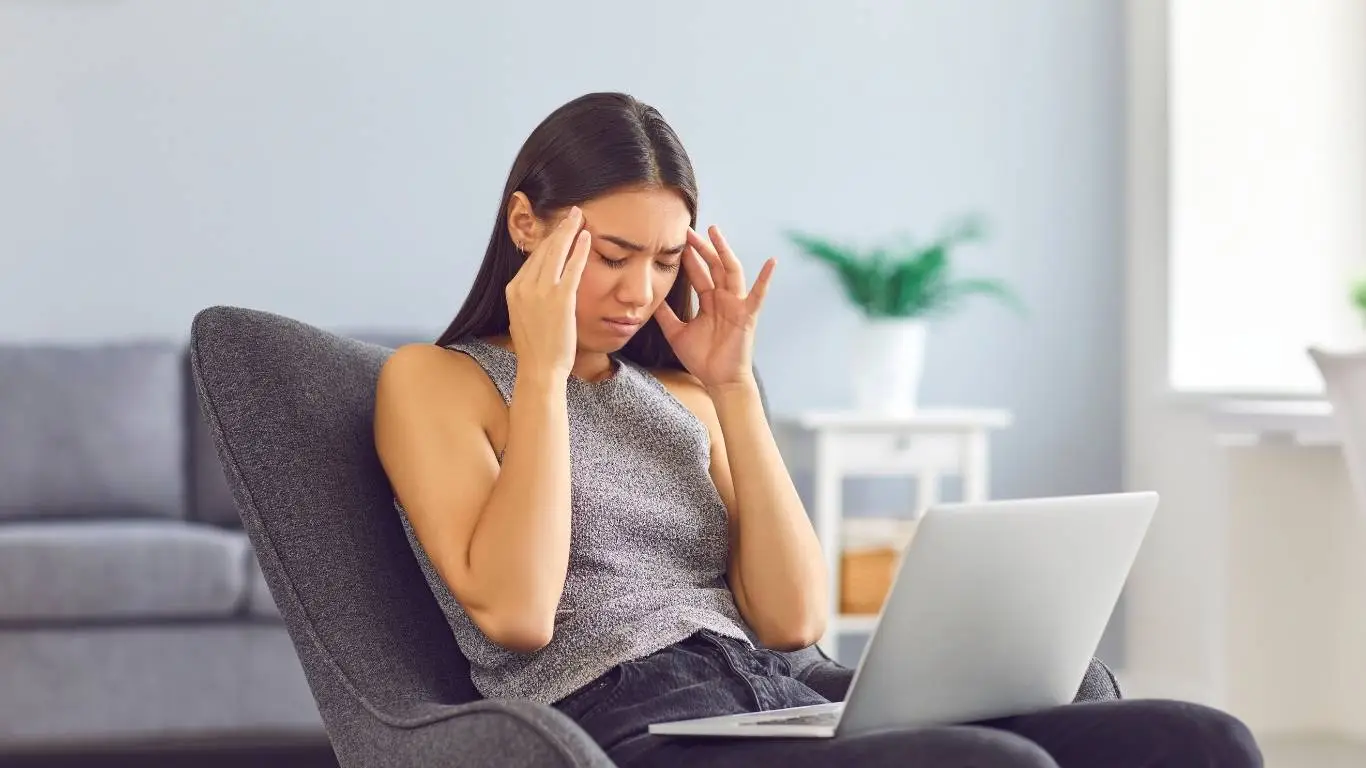
Maintaining migraine control beyond the postpartum window is all about sustainable habits. These strategies can help keep attacks at bay over the long haul:
- Consistent sleep schedule: Even if nights are interrupted, try to wake and sleep at the same times daily.
- Mindful hydration: Keep a water bottle in every room you frequent.
- Gentle daily activity: Low-impact exercise supports circulation and reduces stress.
- Trigger management: Reduce or avoid known triggers without over-restricting your lifestyle.
It’s also wise to revisit your plan every few months. As your child grows and your schedule shifts, new patterns may emerge—and with them, new opportunities to adjust your migraine prevention toolkit.
Expert Insights

Some researchers believe that studying postpartum migraine remission periods could help identify protective factors that might be replicated in other life stages. According to the Mayo Clinic, postpartum migraine trends could offer clues into hormonal and neurological resilience, potentially leading to better targeted therapies.
Meanwhile, the migraine prevention guide and our main migraine hub provide practical resources for adapting strategies to your evolving postpartum life.

Bianca Nala is a compassionate Nurse Practitioner with a strong background in primary and respiratory care. As a health writer for Healthusias.com, she combines her clinical expertise with a talent for clear, relatable storytelling to help readers better understand their health. Bianca focuses on topics like asthma, COPD, chronic cough, and overall lung health, aiming to simplify complex medical topics without losing accuracy. Whether she’s treating patients or writing articles, Bianca is driven by a single goal: making quality healthcare knowledge accessible to everyone.