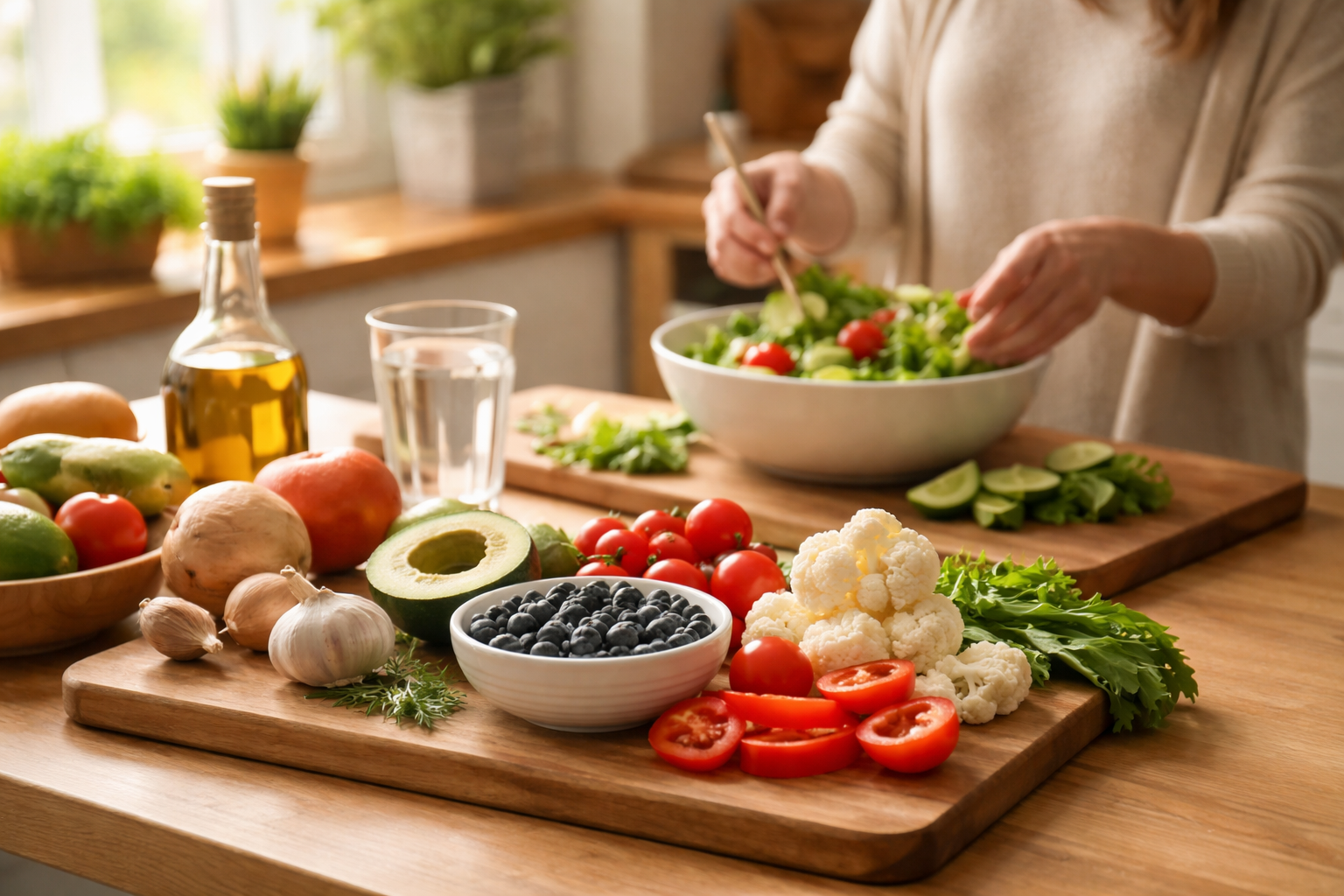
Best Foods for Kidney Health: 15 Superfoods You Should Add Today
Many people don’t think much about their kidneys until something feels off—maybe a routine lab result comes back slightly abnormal, or a doctor casually mentions “keeping an eye on kidney function.” That’s often when questions start to come up about daily habits, especially diet.
One of the most common questions is simple: what are the best foods for kidney health? While there’s no single “perfect” diet, certain foods are widely recognized for supporting how the kidneys function as part of a balanced lifestyle.
This article walks through 15 foods that are often associated with kidney health, along with why they matter and how they fit into everyday eating patterns.
Why Food Choices Matter for Kidney Health
Your kidneys act as natural filters, helping remove waste and maintain fluid balance in the body. Over time, everyday habits—including what you eat—can influence how efficiently they do that job.
Foods rich in antioxidants, vitamins, and balanced minerals are often discussed in relation to kidney support. On the other hand, highly processed foods with excess sodium or additives may place extra strain on the body over time.
It’s not about strict rules or cutting out entire food groups. Instead, it’s about patterns—what you eat regularly, how balanced your meals are, and how your choices fit into your overall lifestyle.
Ad
Trying to Make Sense of Kidney-Friendly Eating? This Guide Breaks It Down
Some people find it difficult to connect scattered advice about kidney health. A more structured guide can help bring together food choices, daily habits, and practical routines in one place.
Explore how this approach is organized step by step
15 Best Foods for Kidney Health
1. Blueberries
Blueberries are often highlighted for their antioxidant content. These compounds help the body manage oxidative stress, which is something researchers frequently study in relation to long-term organ health.
2. Red Bell Peppers
Red bell peppers are naturally low in potassium compared to many other vegetables, while still providing vitamin C and other nutrients. They also add flavor without relying on salt.
3. Garlic
Garlic is commonly used as a seasoning alternative to salt. For people trying to reduce sodium intake, this can make meals more flavorful without increasing sodium levels.
4. Cabbage
Cabbage is a versatile vegetable that fits into many meals. It contains fiber and plant compounds that support general digestive and metabolic health.
5. Apples
Apples are a convenient snack that provides fiber and hydration. They’re often associated with heart and metabolic health, which are closely connected to kidney function.
6. Cauliflower
Cauliflower is another flexible vegetable that can be used in many dishes. It contains vitamin C and fiber while being relatively moderate in certain minerals.
7. Olive Oil
Olive oil is a staple in many balanced eating patterns. It provides healthy fats and is often used as a replacement for more processed cooking fats.
8. Cranberries
Cranberries are commonly associated with urinary tract health. While they’re not a cure or treatment, they are often included in discussions about overall urinary system support.
9. Strawberries
Strawberries offer antioxidants and vitamin C, along with natural sweetness that can help reduce reliance on added sugars.
10. Egg Whites
Egg whites provide a source of protein without the added phosphorus found in egg yolks. This makes them a common choice in kidney-conscious meal planning.
11. Fish (like salmon)
Fatty fish such as salmon contain omega-3 fatty acids. These are often linked to heart health, which plays an important role in overall kidney function.
12. Onions
Onions are another flavorful ingredient that can help reduce the need for added salt. They also contain beneficial plant compounds.
13. Pineapple
Pineapple is lower in potassium compared to many other tropical fruits. It also adds variety and natural sweetness to meals.
14. Kale (in moderation)
Kale is nutrient-dense and widely recognized for its vitamins. However, portion awareness matters, as some leafy greens contain higher mineral levels.
15. Water
While not technically a food, water is essential. Staying hydrated supports the kidneys’ ability to filter waste and maintain balance in the body.
What Influences Kidney Health Beyond Food
While food plays a key role, it’s only one part of a larger picture. Kidney health is influenced by several interconnected factors, including:
- Hydration habits – Consistent fluid intake supports normal function
- Blood pressure levels – Often linked to dietary patterns
- Blood sugar balance – Especially relevant for long-term health
- Physical activity – Supports circulation and metabolic health
- Processed food intake – High sodium and additives can add strain over time
This is why many people explore broader lifestyle adjustments alongside dietary changes. You can read more about how different habits fit together in this guide to improving kidney function naturally.
How People Usually Start Noticing Dietary Impact
For many, awareness doesn’t come from obvious symptoms. Instead, it often begins with subtle shifts:
- Paying closer attention to food labels
- Reducing processed meals
- Cooking more at home
- Choosing fresher ingredients
Over time, these small adjustments can lead to a more consistent and balanced way of eating. It’s less about perfection and more about patterns that are easier to maintain.
Common Considerations When Choosing Kidney-Friendly Foods
When people start focusing on kidney health, a few common themes tend to come up:
Balancing Nutrients
Rather than eliminating foods completely, many approaches focus on balancing nutrients like sodium, potassium, and phosphorus.
Reducing Processed Foods
Packaged foods often contain added sodium and preservatives. Choosing whole or minimally processed foods can simplify decision-making.
Portion Awareness
Even nutrient-rich foods can vary in how they affect the body depending on portion size. Moderation is often part of the conversation.
Consistency Over Time
One meal won’t define kidney health. What matters more is the overall pattern of eating day after day.
When People Start Exploring More Structured Approaches
At some point, many people feel overwhelmed trying to piece together advice from different sources. This is especially true when food lists, restrictions, and lifestyle tips start to overlap.
Instead of guessing, some prefer a clearer framework that brings everything together—from food choices to daily routines. In those cases, it’s common to see people look into resources like a natural kidney support guide that organizes information in a more practical way.
This doesn’t replace professional care, but it can make everyday decisions feel more manageable.
Frequently Asked Questions
Are these foods safe for everyone?
Not always. Individual needs can vary depending on overall health, lab results, and personal conditions. What works for one person may not apply to another.
Do I need to eat all 15 foods regularly?
No. The idea is to have options. Most people choose a few foods they enjoy and incorporate them into their routine rather than trying to include everything.
Is it okay to still eat processed foods occasionally?
In many cases, occasional intake is part of a balanced lifestyle. The focus is usually on reducing reliance on highly processed foods rather than eliminating them entirely.
How quickly do dietary changes affect kidney health?
Changes in diet tend to influence overall health gradually. It’s typically a long-term pattern rather than something that produces immediate results.
Where can I learn how to put this into a daily routine?
Some people find it helpful to explore structured resources that connect food choices with daily habits. For example, this step-by-step approach to kidney-friendly living looks at how different pieces fit together.
Final Thoughts
Understanding the best foods for kidney health doesn’t have to feel complicated. At its core, it’s about choosing more whole, balanced options and being mindful of long-term patterns.
Small, consistent changes—like adding more fresh foods or reducing processed ingredients—can make a meaningful difference over time.
If you’re trying to connect all the pieces in a practical way, it may help to explore how a more structured kidney-friendly approach works in everyday life.

Robin Abbott is a wellness and lifestyle writer at Healthusias, focusing on everyday health awareness, habits, and life optimization through clear, non-medical explanations.