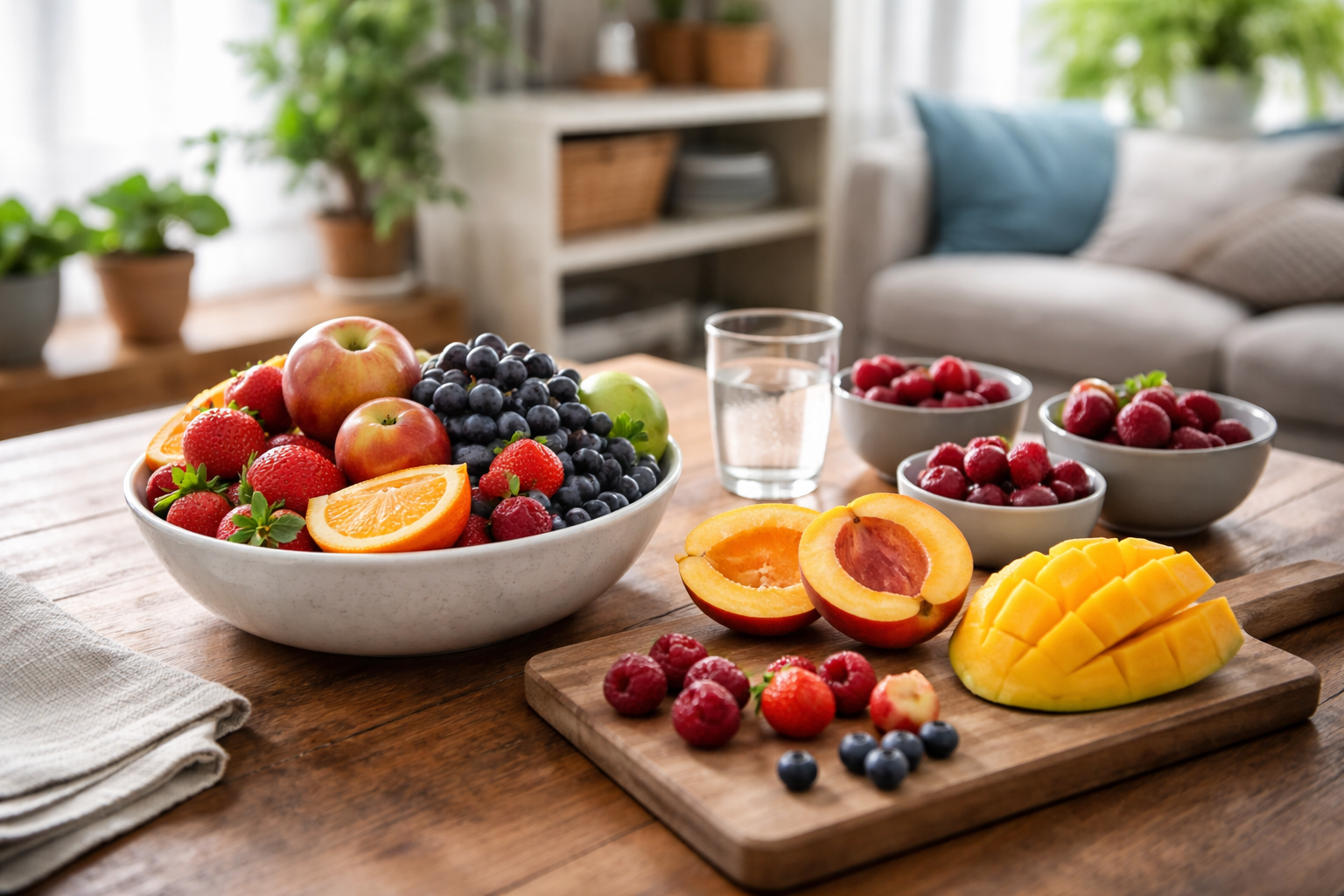
Kidney Friendly Fruits: 15 Safe Choices for Better Kidney Health
Many people don’t think much about their kidneys—until they’re told to. For those who start paying closer attention to kidney health, one of the first questions that comes up is often about food. Fruits, in particular, can feel confusing. They’re usually seen as healthy, but not all fruits work the same way for the body.
This is where the idea of kidney friendly fruits becomes important. Certain fruits tend to be easier on the kidneys, especially for people who are trying to manage their diet more carefully. Understanding which fruits fall into that category can make everyday choices feel a lot simpler and less overwhelming.
What Makes a Fruit Kidney Friendly?
When people talk about kidney-friendly foods, they’re usually referring to how those foods affect the body’s balance of minerals like potassium, phosphorus, and sodium. For individuals paying attention to kidney health, potassium is often one of the main considerations.
Some fruits are naturally higher in potassium, while others are lower. Lower-potassium fruits are often easier to include in a kidney-conscious eating pattern, especially when portions are kept moderate.
That said, it’s not just about numbers. Hydration, fiber content, and how a fruit fits into an overall diet also play a role. In everyday life, this means choosing fruits that support balance rather than extremes.
15 Kidney Friendly Fruits to Consider
Here are some commonly recognized fruits that are often included in kidney-conscious diets. These are generally considered lower in potassium compared to others, making them easier to work into daily meals.
1. Apples
Apples are widely appreciated for their crisp texture and mild sweetness. They’re relatively low in potassium and provide fiber, which supports digestion. Many people include them as a simple snack or sliced into salads.
2. Blueberries
Blueberries are small but packed with natural compounds that support overall health. They’re often seen as a gentle option for those being mindful of kidney-friendly choices.
3. Strawberries
Strawberries offer a refreshing taste and can be easily added to breakfast or snacks. They’re also commonly included in discussions about balanced fruit intake.
4. Grapes
Grapes are convenient and hydrating. They can be eaten fresh or frozen, making them a flexible option for different preferences.
5. Pineapple
Pineapple tends to be lower in potassium than many tropical fruits. Its bright flavor makes it a popular choice when people want something a little different.
6. Watermelon
Watermelon is mostly water, which can help with hydration. It’s often enjoyed in warm weather and fits well into lighter meals.
7. Peaches
Fresh peaches are soft, juicy, and easy to pair with other foods. They’re often included in moderate portions as part of a balanced approach.
8. Plums
Plums offer a slightly tart flavor and are easy to include in small servings. They can also be enjoyed dried, though portion size becomes more important.
9. Cherries
Cherries are known for their rich color and naturally sweet taste. They’re often enjoyed as a snack or added to simple desserts.
10. Pears
Pears have a soft texture and mild flavor. They’re commonly chosen for their gentle profile and versatility.
11. Raspberries
Raspberries contain fiber and have a slightly tangy taste. They’re often used in small portions to add variety.
12. Blackberries
Blackberries are similar to raspberries but slightly deeper in flavor. They’re often mixed into yogurt or oatmeal.
13. Cranberries
Cranberries are typically consumed dried or as juice (without added sugar when possible). They’re often associated with urinary health discussions.
14. Tangerines
Tangerines are easy to peel and convenient to eat. They’re often chosen for their portability and refreshing taste.
15. Mango (in moderation)
Mangoes are higher in potassium than some other fruits on this list, but small portions may still fit into a balanced plan depending on individual needs.
Why Fruit Choices Matter for Kidney Health
The kidneys help filter waste and maintain the body’s internal balance. When people begin to think about kidney health, food becomes one of the most noticeable daily influences.
Fruits can be part of a supportive eating pattern, but the type and portion size matter. Choosing fruits that are generally lower in potassium can help reduce the need to constantly track numbers or worry about every bite.
At the same time, variety is important. Eating the same foods every day can feel restrictive, so having a list of options makes it easier to stay consistent without feeling limited.
Ad
A More Practical Way to Understand Kidney-Friendly Eating
Some people find it difficult to piece together diet advice from different sources. A structured guide can help connect food choices, daily habits, and overall kidney awareness in a more organized way.
Explore how this guide is organized
Common Factors That Influence Fruit Choices
Not everyone approaches food in the same way. Several factors can shape how people choose fruits when thinking about kidney health.
Portion Size
Even fruits considered “safe” can become less balanced when eaten in large amounts. Many people find that smaller, consistent portions work better than occasional large servings.
Preparation Style
Fresh fruit is usually the simplest option. Canned or processed fruits may contain added sugars or syrups, which can change how they fit into a daily routine.
Overall Diet Pattern
Fruit is just one part of the bigger picture. How it fits alongside vegetables, proteins, and fluids matters just as much as the fruit itself.
For a broader look at how diet connects to kidney health, some readers explore resources like kidney disease diet basics to understand the bigger framework.
How People Usually Approach Fruit in Daily Life
In everyday routines, most people don’t think in terms of strict rules. Instead, they develop habits over time. With kidney-friendly fruits, this often looks like:
- Choosing one or two fruits per day rather than large mixed portions
- Rotating options to avoid repetition
- Pairing fruit with meals instead of eating it alone in large amounts
- Paying attention to how their body responds over time
This approach tends to feel more manageable and less restrictive, especially for those adjusting to new dietary awareness.
Related Food Choices That Often Come Up
People who look into kidney-friendly fruits often start exploring other related topics. For example, berries are frequently discussed because of their nutritional profile and flexibility in meals.
If you’re interested in going deeper, you might find it helpful to read about how berries fit into kidney health or explore more specific insights like why apples are commonly recommended.
These connections help build a more complete understanding rather than focusing on a single food category.
When People Start Looking for More Structured Guidance
At some point, many people realize that understanding individual foods is only part of the process. Questions often shift toward patterns, routines, and consistency.
This is where broader approaches—like meal planning or lifestyle adjustments—come into the picture. Instead of focusing on isolated choices, people begin to look at how everything works together.
Some readers naturally explore more comprehensive resources, such as ways to support kidney function through daily habits, to better connect the dots.
Frequently Asked Questions
Are all fruits safe for kidney health?
Not all fruits are the same. Some are higher in potassium, which may require more attention depending on individual circumstances. That’s why people often focus on fruits that are generally considered lower in potassium.
How much fruit is typically reasonable?
This varies from person to person. Many people find that one to two servings per day fits well into a balanced routine, but portion awareness is usually emphasized.
Is fresh fruit better than canned fruit?
Fresh fruit is often preferred because it doesn’t contain added sugars or syrups. When using canned fruit, people usually look for options labeled as unsweetened or packed in water.
Do kidney-friendly fruits help improve kidney function?
Fruits can be part of a supportive diet, but they are just one piece of a larger picture. Overall eating patterns, hydration, and lifestyle habits all play a role.
Where can I learn more about kidney-friendly eating?
Some people choose to explore broader guides that bring together food choices, habits, and daily routines. For example, a structured kidney support guide can help organize information in a more practical way.
Final Thoughts
Learning about kidney friendly fruits is often one of the first steps people take when becoming more aware of their diet. While the topic can seem complicated at first, it usually becomes easier with a bit of familiarity and routine.
Rather than focusing on strict limitations, many people find it more helpful to build a flexible pattern—one that includes a variety of fruits, balanced portions, and consistent habits. Over time, these small choices can feel more natural and less overwhelming.
If you’re looking to connect these ideas into a clearer daily approach, exploring a more structured overview of kidney-friendly habits can sometimes make the process feel more manageable.

Robin Abbott is a wellness and lifestyle writer at Healthusias, focusing on everyday health awareness, habits, and life optimization through clear, non-medical explanations.