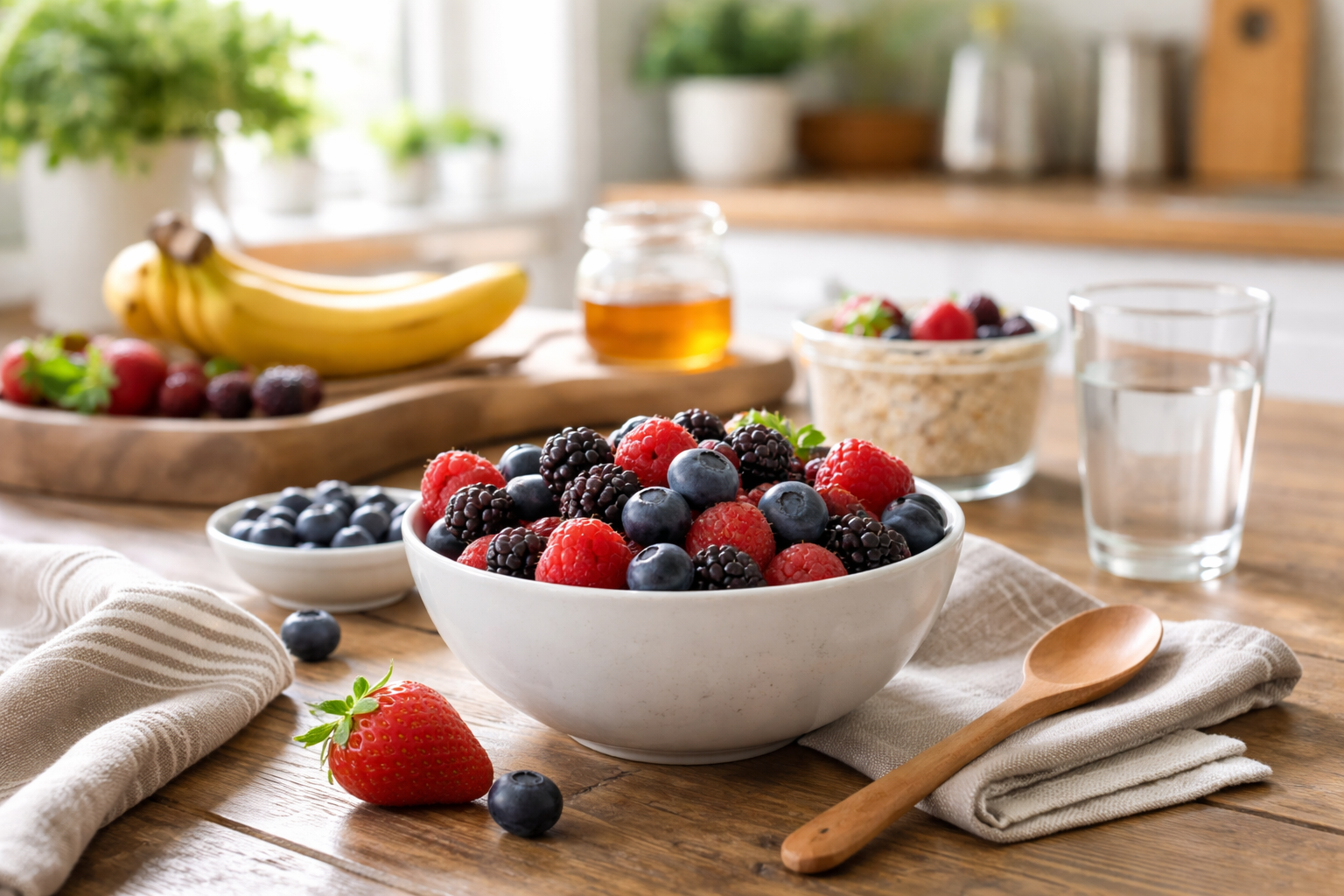
Berries for Kidney Health: 7 Powerful Fruits That Support Kidneys
Many people start paying closer attention to their diet only after hearing something about kidney health—whether from a routine checkup, a family history, or general wellness curiosity. That’s often when foods like berries come into the conversation. Known for their vibrant colors and natural sweetness, berries are frequently mentioned as a supportive option in a balanced diet.
When it comes to berries for kidney health, the interest usually centers around their antioxidant content and how they may fit into a kidney-conscious lifestyle. While they’re not a cure or treatment, they can play a small but meaningful role in overall nutrition.
Why Berries Are Often Linked to Kidney Health
Berries are naturally rich in compounds called antioxidants, particularly vitamin C, anthocyanins, and polyphenols. These substances help the body manage oxidative stress, which is a process that can affect many organs, including the kidneys.
In everyday terms, oxidative stress happens when there’s an imbalance between free radicals and the body’s ability to neutralize them. Over time, this imbalance is associated with various health concerns, including those related to kidney function.
Berries also tend to be:
- Low in sodium
- Relatively low in calories
- High in fiber
- Hydrating due to their water content
These qualities make them a practical addition to many diets, including those that aim to support kidney health.
7 Berries Commonly Included in Kidney-Friendly Diets
1. Blueberries
Blueberries are one of the most frequently discussed berries when it comes to kidney-friendly eating. They contain high levels of anthocyanins, which give them their deep blue color.
People often include blueberries in their diet because they are easy to add to breakfast foods like oatmeal or yogurt. They’re also naturally low in potassium compared to some other fruits, which can be relevant for individuals monitoring their intake.
2. Strawberries
Strawberries are another popular option. They provide vitamin C, manganese, and fiber. Their bright red color comes from antioxidants that may support overall cellular health.
Many people find strawberries convenient because they can be eaten fresh, sliced into salads, or blended into smoothies.
3. Raspberries
Raspberries stand out for their fiber content. A higher fiber intake is often associated with better digestion and metabolic balance, which indirectly supports overall health, including kidney function.
They also contain ellagic acid, a compound that has been studied for its antioxidant properties.
4. Blackberries
Blackberries offer a mix of vitamins and antioxidants. They are slightly higher in potassium than some other berries, so portion awareness may matter depending on individual dietary needs.
People often enjoy blackberries as a snack or as part of a mixed fruit bowl.
5. Cranberries
Cranberries are widely known for their association with urinary tract health. While that’s a separate topic, the urinary system and kidneys are closely connected.
Unsweetened cranberries or cranberry products are typically preferred, as many commercial versions contain added sugars.
6. Acai Berries
Acai berries are less commonly eaten fresh but are often found in frozen puree or powder form. They are known for their high antioxidant levels.
Some people include acai in smoothie bowls or blends as part of a varied diet.
7. Goji Berries
Goji berries are typically dried and used in small quantities. They contain vitamins A and C, along with antioxidants.
Because they are more concentrated, people usually consume them in moderation, often sprinkled over meals.
How Diet Choices Influence Kidney Awareness
Food choices don’t operate in isolation. When people start thinking about kidney health, they often look at broader dietary patterns rather than focusing on a single food.
Berries can fit into a larger approach that includes:
- Reducing excess sodium intake
- Balancing protein consumption
- Staying hydrated
- Choosing whole, minimally processed foods
This is why berries are often discussed alongside other options in guides like kidney-supportive foods or broader nutrition strategies.
Ad
A Simple Way to Make Sense of Kidney-Friendly Eating
Trying to piece together what supports kidney health can feel overwhelming. Some people find it easier to follow a structured guide that connects diet, habits, and daily choices in one place.
Explore how this approach is organized step by step
What People Commonly Notice When Adding Berries
When berries become a regular part of meals, people often notice small but meaningful shifts rather than dramatic changes.
Some commonly reported experiences include:
- Feeling more satisfied after meals due to fiber content
- Replacing higher-sugar snacks with naturally sweet options
- Greater variety in meals, which can make healthy eating more sustainable
It’s important to keep expectations realistic. Berries alone don’t change kidney health, but they can contribute to a pattern of mindful eating.
Important Considerations Before Adding More Berries
While berries are generally well-tolerated, there are a few considerations that often come up in discussions about kidney health.
Portion Awareness
Even nutrient-dense foods can add up. People who are monitoring potassium, sugar, or overall calorie intake may pay attention to portion sizes.
Added Sugars in Processed Products
Many berry-based products—like jams, juices, or flavored snacks—contain added sugars. These can change the nutritional profile significantly.
Whole or minimally processed berries are typically preferred in general nutrition discussions.
Individual Dietary Needs
Kidney-related dietary needs can vary widely. What works for one person may not be suitable for another, especially depending on overall health status.
This is why many people explore broader resources, such as kidney-friendly fruit options, to better understand how different foods fit together.
How Berries Fit Into Everyday Meals
One of the reasons berries are so commonly recommended is their versatility. They can be included in meals without requiring major dietary changes.
Some simple ways people incorporate berries include:
- Adding them to breakfast cereals or oatmeal
- Blending them into smoothies
- Mixing them into salads for a sweet contrast
- Using them as a topping for yogurt
These small additions can make it easier to maintain consistency, which is often more important than any single food choice.
When People Start Looking for More Structured Guidance
As interest in kidney health grows, many people move beyond individual foods and start looking at the bigger picture. This can include understanding dietary patterns, lifestyle habits, and long-term routines.
Instead of focusing only on what to eat, some begin asking questions like:
- How do different foods work together?
- What patterns support long-term kidney awareness?
- How can daily habits become more consistent?
At this stage, it’s common for readers to explore more comprehensive resources, such as a broader kidney health guide, to connect the dots between diet and overall lifestyle.
Frequently Asked Questions
Are berries safe for people concerned about kidney health?
Berries are often included in balanced diets due to their nutrient profile. However, individual needs can vary, so people usually consider their overall dietary context.
Which berry is considered the best for kidney health?
There isn’t a single “best” berry. Blueberries, strawberries, and raspberries are commonly discussed because of their antioxidant content and general nutritional balance.
Can berry juices provide the same benefits?
Juices may contain some nutrients, but they often lack fiber and may include added sugars. Whole berries are generally preferred in everyday nutrition discussions.
How often should berries be eaten?
There’s no fixed rule. Many people include berries regularly in small portions as part of a varied diet rather than relying on them in large amounts.
Do frozen berries have the same value as fresh ones?
Frozen berries can still retain many nutrients and are often considered a practical alternative when fresh options aren’t available.
Final Thoughts on Berries for Kidney Health
Berries are a simple, accessible way to add color, flavor, and nutrients to everyday meals. While they aren’t a solution on their own, they can support a broader approach to mindful eating.
For those looking to go beyond individual foods, some people find it helpful to explore a more structured way of understanding kidney-supportive habits, especially when trying to connect diet with long-term health awareness.

Robin Abbott is a wellness and lifestyle writer at Healthusias, focusing on everyday health awareness, habits, and life optimization through clear, non-medical explanations.