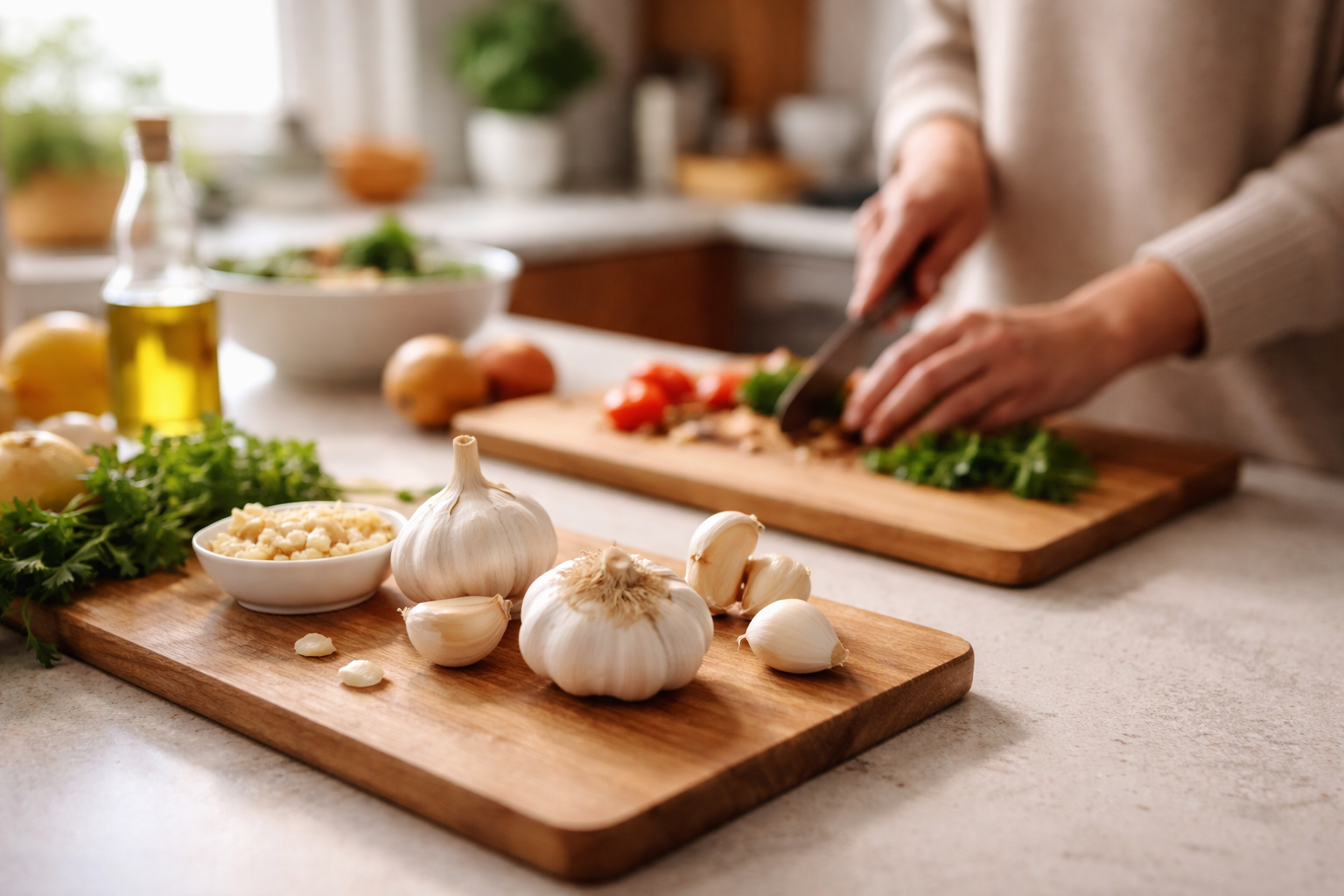
Garlic for Kidney Health: Natural Benefits You Should Know
Many people start paying closer attention to their diet after hearing about kidney health—often after a routine checkup or when a family member is diagnosed with a kidney condition. It’s common to come across everyday foods like garlic and wonder whether they might offer any real benefits.
“Garlic for kidney health” is a topic that comes up frequently, especially among those looking for simple, natural ways to support overall wellness. While garlic has long been used in cooking and traditional health practices, understanding how it may relate to kidney health can help you make more informed choices.
What Makes Garlic Interesting for Kidney Health?
Garlic is a widely used ingredient known for its strong flavor and distinctive aroma. Beyond its culinary role, it contains compounds such as allicin, sulfur compounds, and antioxidants that are often studied for their potential health effects.
From a general health perspective, garlic is commonly associated with:
- Supporting heart health
- Helping manage inflammation
- Providing antioxidant activity
- Contributing to immune system function
Since kidney health is closely tied to blood pressure, circulation, and inflammation levels, it’s understandable why garlic often enters the conversation.
How Garlic May Support Kidney Function
While garlic is not a treatment or cure, some of its natural properties may align with factors that influence kidney health.
1. Antioxidant Properties
The kidneys are constantly filtering waste from the blood, which exposes them to oxidative stress over time. Garlic contains antioxidants that may help reduce this stress at a cellular level.
In everyday terms, this means garlic may help support the body’s natural defense systems, which can be relevant for organs like the kidneys that work continuously.
2. Anti-Inflammatory Effects
Chronic inflammation is often discussed in connection with long-term health conditions, including kidney-related concerns. Garlic’s compounds have been studied for their potential anti-inflammatory effects.
Reducing inflammation is not just about one food, but including ingredients like garlic may contribute to an overall balanced approach.
3. Blood Pressure Support
High blood pressure is one of the most common factors linked to kidney strain. Garlic is sometimes associated with modest support for healthy blood pressure levels.
This connection is important because maintaining stable blood pressure is a key part of protecting kidney function over time.
Ad
A Simpler Way to Make Sense of Kidney-Friendly Habits
Sorting through scattered advice about kidney health can feel overwhelming. Some people find it easier to follow a structured guide that connects diet, lifestyle, and daily habits in one place.
Explore how this approach is organized step by step
Why Diet Matters for Kidney Health
The kidneys play a central role in filtering waste, balancing fluids, and regulating key minerals in the body. Because of this, what you eat directly affects how hard your kidneys need to work.
Foods that are high in sodium, processed ingredients, or unhealthy fats can increase strain, while whole foods may support overall balance.
Garlic fits into this picture as a flavorful ingredient that can sometimes replace salt in cooking. This can be especially helpful for people who are trying to reduce sodium intake without sacrificing taste.
If you’re exploring broader dietary patterns, you might also find it helpful to read about foods that support kidney health and how they fit into daily meals.
How People Typically Include Garlic in Their Diet
Garlic is easy to incorporate into many types of meals, which is one reason it remains popular in health-focused diets.
Common ways people use garlic include:
- Adding fresh garlic to sautéed vegetables
- Using it in soups and broths
- Mixing it into marinades or dressings
- Roasting it for a milder flavor
Some people also explore garlic supplements, although whole food sources are often preferred when focusing on overall diet quality.
In general, using garlic as part of a balanced diet tends to be more meaningful than relying on any single ingredient alone.
What People Notice When Paying Attention to Kidney Health
Kidney health changes often develop gradually, which is why many people don’t notice symptoms right away. Instead, awareness tends to grow through routine lab results or general health monitoring.
When people start paying closer attention, they may become more mindful of:
- Energy levels
- Fluid balance and hydration
- Blood pressure readings
- Dietary habits
At this stage, adding foods like garlic is usually part of a broader shift toward healthier eating patterns rather than a standalone solution.
How Garlic Fits Into a Kidney-Conscious Lifestyle
Thinking about garlic in isolation can be limiting. It’s more helpful to view it as one small piece of a larger lifestyle approach.
People who focus on kidney health often look at:
- Reducing excess sodium intake
- Choosing whole, minimally processed foods
- Staying physically active
- Managing stress and sleep patterns
Garlic naturally fits into these habits because it can enhance flavor without adding sodium and complements many whole-food recipes.
For a deeper look at how daily habits connect, some readers explore ways to support kidney function naturally through consistent lifestyle adjustments.
Important Considerations to Keep in Mind
While garlic is generally considered safe as a food, there are a few practical points people often keep in mind:
- Strong flavors may not suit everyone’s taste preferences
- Large amounts may cause digestive discomfort in some individuals
- Dietary needs can vary depending on individual health conditions
Because kidney health can be complex, food choices are often personalized. What works well for one person may not be ideal for another.
This is why many people focus on patterns and balance rather than relying on specific “superfoods.”
When People Start Exploring More Structured Approaches
As awareness grows, it’s common for people to look beyond individual foods and seek more organized ways to understand kidney health.
This often happens when:
- Diet changes feel confusing or inconsistent
- There is a desire to connect different health habits
- People want clearer guidance without overwhelming detail
Instead of piecing together advice from multiple sources, some individuals prefer structured resources that explain how diet, lifestyle, and daily routines fit together.
This is especially true for those who want to build long-term habits rather than short-term changes.
Frequently Asked Questions
Is garlic safe for people concerned about kidney health?
Garlic is commonly used as part of a balanced diet and is generally considered safe as a food. However, individual needs can vary, so dietary choices are often personalized based on overall health.
Can garlic improve kidney function?
Garlic is not a treatment or cure. It may support general health factors like inflammation and blood pressure, which are related to kidney health, but it should be viewed as part of a broader lifestyle approach.
Is fresh garlic better than supplements?
Many people prefer using fresh garlic in cooking because it naturally fits into a balanced diet. Supplements are sometimes explored, but they are typically considered separately from whole food choices.
How often should garlic be included in meals?
There is no single guideline. People often include garlic regularly as part of everyday cooking, depending on taste preferences and dietary patterns.
Where can I learn more about kidney-friendly habits?
Some readers choose to explore more structured resources that bring together diet, lifestyle, and daily routines. In some cases, this includes guides that explain how different habits work together in a practical way.
Final Thoughts on Garlic for Kidney Health
Garlic for kidney health is best understood as part of a bigger picture. Its natural compounds, flavor benefits, and role in reducing sodium intake make it a useful addition to many diets, but it works alongside other habits rather than replacing them.
For those trying to make sense of kidney-friendly choices, focusing on consistency, balance, and overall lifestyle tends to be more helpful than relying on any single ingredient.
Some people find it easier to build these habits by following a more organized approach—if that sounds familiar, you can explore a structured kidney support guide that brings these elements together in a practical way.

Robin Abbott is a wellness and lifestyle writer at Healthusias, focusing on everyday health awareness, habits, and life optimization through clear, non-medical explanations.