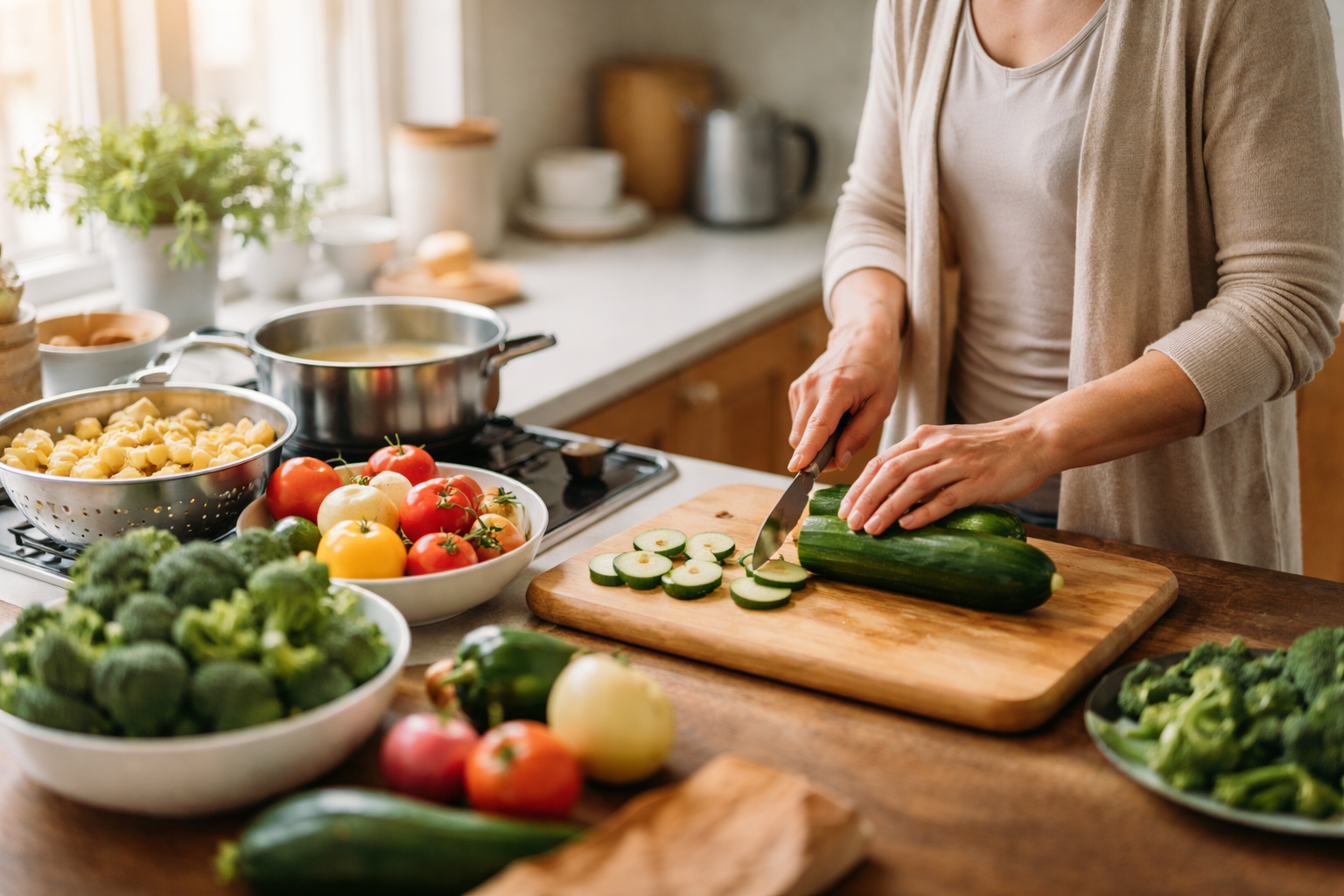
Cooking Methods for Kidney Diet: Healthier Ways to Prepare Food
In many households, cooking is second nature—boiling pasta, frying eggs, roasting vegetables without much thought. But for people paying closer attention to kidney health, even simple cooking habits can start to feel like something worth reconsidering. The way food is prepared can quietly influence how much sodium, potassium, or phosphorus ends up on the plate.
That’s where cooking methods for kidney diet come into the picture. It’s not just about what you eat, but how you cook it—and small adjustments in the kitchen can make everyday meals feel more manageable and balanced.
Understanding Cooking Methods for Kidney Diet
When people first hear about dietary changes related to kidney health, the focus is often on food lists—what to eat and what to avoid. But cooking methods are just as important because they can either reduce or concentrate certain nutrients.
For example, boiling vegetables can lower potassium levels, while frying or baking with added sauces may increase sodium without you realizing it. Even something as simple as how long you cook a dish can affect its overall nutrient profile.
Some commonly used methods that tend to be more supportive include:
- Boiling: Helps reduce certain minerals in vegetables
- Steaming: Preserves flavor without adding extra salt
- Grilling: Adds taste without relying on heavy sauces
- Sautéing with minimal oil: Keeps meals light and simple
These approaches don’t require special equipment or complicated recipes. They simply shift how meals are prepared in ways that feel sustainable over time.
A Simple Way to Make Kidney-Friendly Cooking Feel Less Confusing
If meal prep feels overwhelming, having a clear structure can make daily choices easier and less stressful.
Explore a step-by-step guide designed for real-life routines
What Influences How Cooking Affects Your Meals
Cooking doesn’t happen in a vacuum. The final result depends on a combination of ingredients, techniques, and habits that build over time.
Ingredient Choices
Fresh ingredients behave differently than packaged ones. For instance, raw vegetables can be modified through cooking, but processed foods often come with added sodium that can’t be “cooked away.”
Many people find it helpful to learn more about how sodium quietly adds up in everyday meals, especially when using sauces, broths, or seasoning mixes.
Cooking Time and Temperature
Longer cooking times can break down nutrients, while high heat may concentrate flavors—sometimes leading to heavier seasoning. Balancing time and temperature can help maintain both taste and nutritional awareness.
Preparation Techniques
Simple steps like soaking, rinsing, or double boiling certain foods can influence their mineral content. These small habits often become part of a routine once people get used to them.
Common Experiences People Notice Over Time
Adjusting cooking methods isn’t always immediate. Many people go through a period of trial and error before finding what works for their kitchen and preferences.
One common pattern is realizing that meals don’t need to rely on salt for flavor. Herbs, spices, and cooking techniques like roasting or grilling can bring out natural taste without extra additives.
Another experience is learning which foods respond well to certain methods. For example, some vegetables become more manageable when boiled, while others taste better lightly sautéed.
Exploring options like vegetables that fit more comfortably into a kidney-conscious diet can make meal planning feel less restrictive and more flexible.
Over time, cooking starts to feel less like a limitation and more like a skill that adapts to changing needs.
Practical Cooking Considerations for Everyday Life
In everyday routines, simplicity often matters more than perfection. Most people aren’t looking to completely overhaul their kitchen—they just want realistic ways to adjust.
Keep Meals Familiar
Instead of changing everything at once, it can help to modify existing recipes. For example, switching from frying to grilling or reducing added salt can make a noticeable difference without losing the comfort of familiar dishes.
Use Flavor Strategically
Flavor doesn’t have to come from sodium. Ingredients like garlic, lemon juice, herbs, and spices can create satisfying meals without relying on heavy seasoning.
Be Mindful of Portions
Even with better cooking methods, portion sizes still matter. Cooking in smaller batches or planning meals ahead can help maintain balance without overthinking each plate.
For those looking to get a clearer picture of food options overall, this helpful breakdown of everyday kidney-friendly foods can make grocery shopping feel more straightforward.
Stay Flexible
No single method works for every situation. Some days call for quick meals, while others allow more time for preparation. Flexibility helps make these changes sustainable rather than stressful.
When People Start Looking for More Structured Guidance
At a certain point, many people notice a gap. They understand the basics—boil instead of fry, reduce salt, choose fresh ingredients—but putting it all together consistently can still feel unclear.
Questions start to come up:
- How do I plan meals for the whole week?
- What combinations actually work day to day?
- How do I avoid falling back into old habits?
This is often where general advice isn’t quite enough anymore. People begin looking for something more structured—something that connects cooking methods, food choices, and daily routines into one clear approach.
Some find it helpful to explore more organized resources like a practical approach to supporting kidney health through daily habits, especially when trying to build consistency over time.
Others prefer a broader starting point, such as the complete guide to understanding kidney health step by step, which puts cooking and nutrition into a bigger picture.
The goal isn’t perfection. It’s creating a rhythm that feels manageable, even on busy days.
Build a Simple Routine That Makes Kidney-Friendly Cooking Easier
If you’re piecing together advice from different places, a structured plan can help connect everything into a routine that actually works day to day.
See how a step-by-step guide can support your next steps
Frequently Asked Questions
Do cooking methods really make a big difference?
They can. While ingredients matter most, cooking methods influence how nutrients are retained or reduced, which can affect overall balance.
Is boiling always better than other methods?
Not always. Boiling can help in some cases, but a mix of methods—like steaming or grilling—can provide variety and better flavor without relying on added salt.
Can I still enjoy flavorful meals?
Yes. Many people discover that herbs, spices, and cooking techniques bring out natural flavors without needing heavy seasoning.
Do I need to follow strict rules every day?
Most people benefit from consistency rather than perfection. Small, steady adjustments tend to be easier to maintain long term.
Bringing It All Together
Cooking methods may seem like a small detail at first, but they play a meaningful role in shaping everyday meals. By making simple shifts—like choosing gentler cooking techniques or reducing added salt—many people find that meals become both satisfying and more aligned with their health goals.
As you explore cooking methods for kidney diet, the key is to keep things practical. Small changes, repeated consistently, often make the biggest difference over time.
If you’re looking for a place to start, focus on one or two adjustments in your next meal. Over time, those choices can turn into habits that feel natural and sustainable.

Robin Abbott is a wellness and lifestyle writer at Healthusias, focusing on everyday health awareness, habits, and life optimization through clear, non-medical explanations.