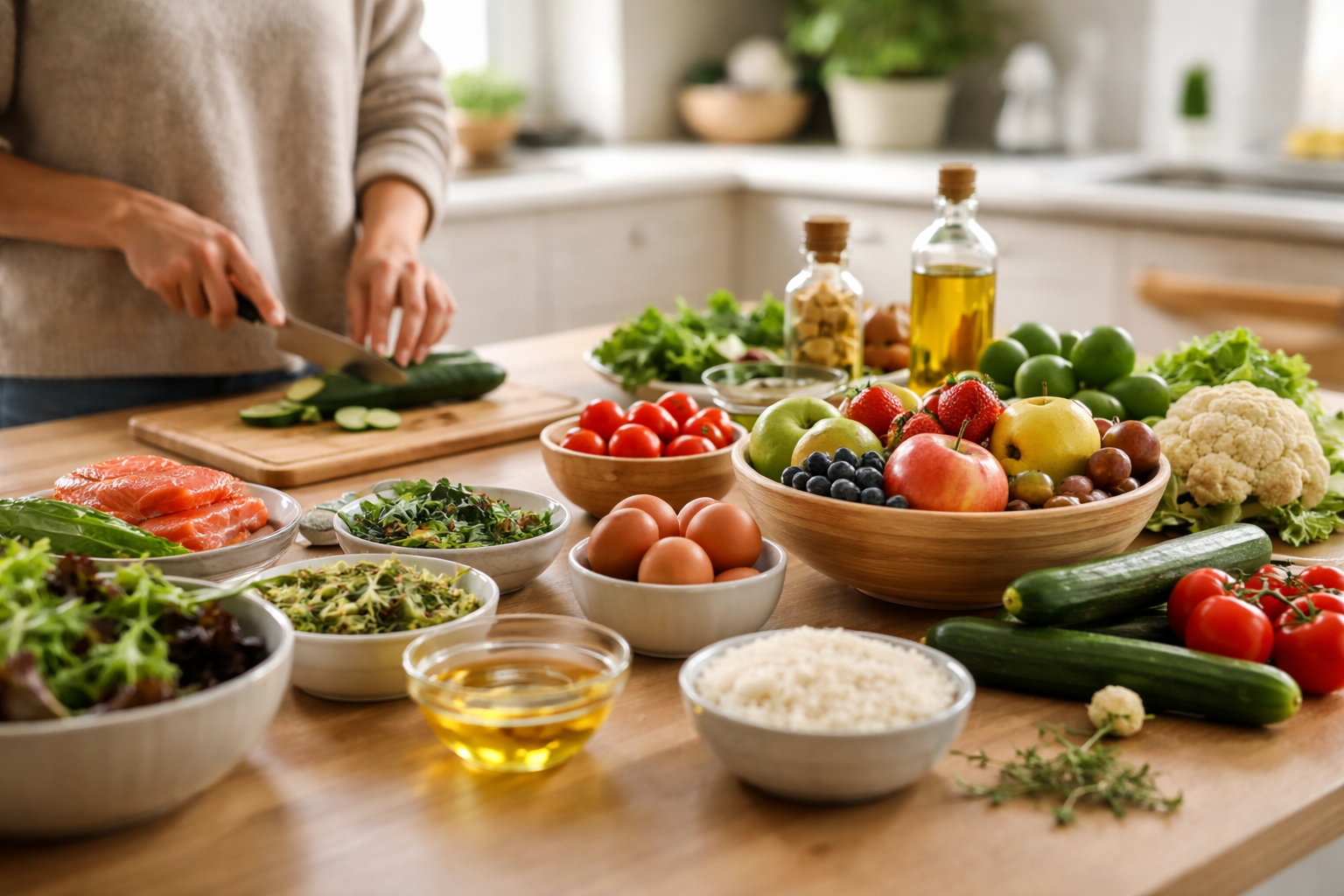
Renal Diet Food List: 50+ Foods You Can Safely Eat with CKD
Many people don’t think much about their kidneys—until they’re told they should. For those living with chronic kidney disease (CKD), one of the first things that often comes up is diet. Suddenly, everyday foods feel like they need a second look, and simple grocery choices can become confusing.
This is where a renal diet food list becomes helpful. Instead of guessing what’s safe to eat, having a clear list of foods can make daily meals feel more manageable and less stressful.
In this guide, you’ll find a practical, easy-to-understand list of foods that are commonly considered kidney-friendly. This isn’t about strict rules—it’s about understanding patterns and making more informed choices.
What Is a Renal Diet and Why Does It Matter?
A renal diet is a way of eating designed to support kidney function by managing certain nutrients. When kidneys are not working at full capacity, they may have difficulty balancing minerals like sodium, potassium, and phosphorus.
Because of this, food choices can influence how the body feels day to day. Many people notice that adjusting their diet helps them feel more stable, with fewer fluctuations in energy or discomfort.
The goal isn’t perfection. It’s about reducing strain on the kidneys while still enjoying a variety of foods.
Ad
A Simpler Way to Make Sense of Kidney-Friendly Eating
Trying to piece together food lists and diet advice can feel overwhelming. Some people find it easier to follow a more structured approach that connects everything in one place.
Explore how this guide is organized step by step
Renal Diet Food List: 50+ Foods You Can Typically Enjoy
This list focuses on foods that are often included in kidney-conscious eating patterns. Individual needs can vary, but these options are commonly considered manageable choices.
Fruits (Lower Potassium Options)
- Apples
- Blueberries
- Strawberries
- Grapes
- Pineapple
- Peaches
- Pears
- Plums
- Watermelon (in moderation)
- Cherries
Vegetables (Kidney-Friendly Choices)
- Cabbage
- Cauliflower
- Cucumbers
- Lettuce
- Bell peppers
- Green beans
- Onions
- Zucchini
- Eggplant
- Radishes
Protein Sources (Moderate Portions)
- Egg whites
- Skinless chicken
- Turkey
- Fish (like salmon or cod)
- Lean beef (in small amounts)
- Tofu
- Tempeh
Grains and Carbohydrates
- White rice
- Pasta
- White bread
- Bagels
- Rice noodles
- Cornflakes
- Unsalted crackers
Dairy Alternatives and Limited Dairy
- Rice milk (unenriched)
- Almond milk (low phosphorus types)
- Cream cheese
- Butter
- Sour cream
Healthy Fats and Extras
- Olive oil
- Unsalted butter
- Mayonnaise
- Honey
- Jam and jelly
- Herbs and spices (without added salt)
Why Some Foods Are Limited in a Renal Diet
Not all foods affect the body the same way when kidney function changes. Some nutrients can build up more easily, which is why certain foods are often reduced or portioned carefully.
Sodium
Too much sodium can lead to fluid retention and increased pressure on the body. This is why many renal diet lists emphasize low-sodium options and avoiding heavily processed foods.
Potassium
Potassium plays a role in muscle and heart function. When levels become too high or too low, it can cause noticeable symptoms. This is why some fruits and vegetables are chosen more carefully.
Phosphorus
Phosphorus can affect bone health and balance in the body. Many packaged foods contain hidden phosphorus additives, which is why fresh, simple foods are often preferred.
Understanding these patterns helps explain why a renal diet food list focuses on certain items while limiting others.
How People Typically Adjust to a Renal Diet
At first, changing eating habits can feel restrictive. But over time, many people find a rhythm that works for them.
Common adjustments include:
- Cooking more meals at home
- Reading food labels more carefully
- Choosing fresh ingredients over packaged foods
- Using herbs instead of salt for flavor
Instead of focusing on what’s missing, people often shift toward what they can eat—and the list is usually longer than expected.
Related Dietary Patterns to Explore
A renal diet doesn’t exist in isolation. It often overlaps with other healthy eating approaches that support overall well-being.
Some people explore broader dietary ideas through guides like kidney-friendly diet basics, which help connect individual food choices into a bigger picture.
Others look into food-focused strategies such as best foods for kidney health to better understand which ingredients may be more supportive overall.
These resources can help turn a simple food list into a more complete, sustainable approach.
When People Start Looking for More Structured Support
After learning the basics, it’s common for people to want a clearer system they can follow. Lists are helpful, but they don’t always show how everything fits together in daily life.
That’s why some readers begin exploring more organized approaches, especially when trying to plan meals, track nutrients, or stay consistent over time.
In some cases, people look into guides like natural ways to support kidney function to better understand how diet connects with other lifestyle habits.
Frequently Asked Questions
Can I still eat fruit on a renal diet?
Yes, many fruits are still included. The key is choosing options that are typically lower in potassium and paying attention to portion sizes.
Is protein completely restricted?
Not usually. Protein is still part of the diet, but the amount and type may be adjusted depending on individual needs.
Are processed foods always off-limits?
Not entirely, but they are often limited because they tend to contain higher levels of sodium and phosphorus additives.
Do I need to follow this diet strictly every day?
Consistency is helpful, but many people focus on gradual improvements rather than perfection. Small changes over time often feel more manageable.
Where can I learn how to put these foods into actual meals?
Some people find it helpful to explore more structured resources, such as a kidney support guide, which connects food choices with practical meal ideas.
Bringing It All Together
A renal diet food list is not about restriction—it’s about clarity. Knowing which foods are generally considered safe can remove a lot of uncertainty from everyday decisions.
Over time, these choices can become part of a natural routine. Meals feel less complicated, grocery shopping becomes easier, and there’s more confidence in what goes on the plate.
If you’re just getting started, focusing on simple swaps and familiar foods is often enough. And if you’re looking to go deeper, exploring a more structured kidney-friendly approach can sometimes make the process feel more connected and easier to follow.
With the right understanding, a renal diet becomes less about limitations—and more about creating a balanced way of eating that fits into real life.

Robin Abbott is a wellness and lifestyle writer at Healthusias, focusing on everyday health awareness, habits, and life optimization through clear, non-medical explanations.