Support Groups for Kidney Patients: Where to Find Help and Community
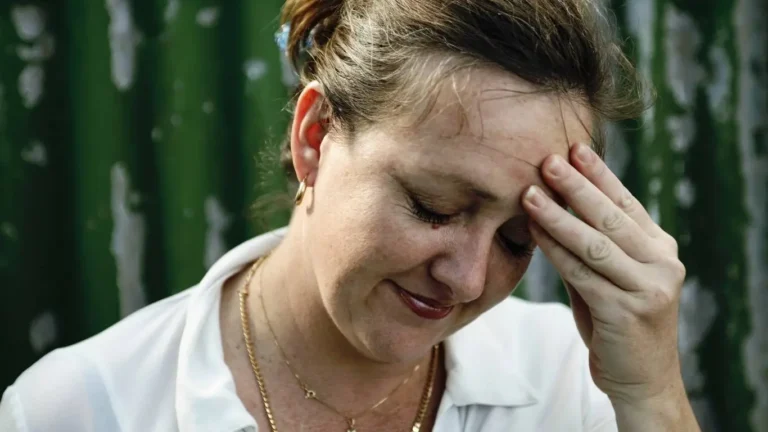
Many people living with kidney disease find that the hardest moments aren’t always physical—they’re the quiet, everyday ones. Sitting in a waiting room, adjusting to new dietary changes, or simply trying to explain how they feel to someone who hasn’t been through it. That’s often where support groups for kidney patients begin to matter in a very real way.
These groups aren’t just about sharing information. They create space for understanding, connection, and reassurance—especially during times when things feel uncertain.
What Are Support Groups for Kidney Patients?
Support groups for kidney patients are gatherings—either in person or online—where people living with kidney disease connect to share experiences, challenges, and encouragement.
Some are led by healthcare professionals, while others are peer-based communities. The structure can vary, but the goal is usually the same: to help people feel less alone and more informed.
Many people notice that having a space where others “get it” can make a meaningful difference. Conversations might include:
- Managing dialysis routines
- Adjusting to dietary changes
- Coping with fatigue or emotional stress
- Navigating work and social life
For those new to kidney disease, exploring a broader chronic kidney disease resource hub can also provide helpful background before joining a group.
Looking for gentle, natural ways to support kidney health?
Some people feel overwhelmed trying to piece together lifestyle changes on their own. A structured, easy-to-follow approach can make things feel more manageable.
Explore simple, supportive ideas that fit into daily life
What Influences the Type of Support Group Someone Chooses?
Not all support groups feel the same, and that’s often a good thing. People are drawn to different types based on their personal needs, comfort level, and stage of kidney disease.
Stage of Condition
Someone newly diagnosed may prefer educational groups, while individuals on dialysis or post-transplant may look for more experience-based discussions.
Format Preference
Some people feel more comfortable in face-to-face meetings at hospitals or community centers. Others prefer online forums or video calls, especially if mobility or fatigue is a concern.
Emotional Readiness
Opening up in a group setting can take time. It’s common for people to observe quietly at first before sharing their own experiences.
Those navigating emotional changes alongside physical symptoms may also find it helpful to explore topics like emotional well-being with kidney disease as part of their overall support system.
One of the most valuable aspects of these groups is hearing others describe feelings or situations that sound familiar. That recognition alone can be comforting.
Feeling Understood Without Explanation
Many participants mention how refreshing it feels not to explain basic things—like why they feel tired or why certain foods are off-limits. Others in the group already understand.
Learning Practical Tips
Real-life advice often comes up in conversation. This might include:
- Ways to stay organized with medications
- Ideas for managing fluid intake
- How to handle social situations involving food
Reducing Isolation
Kidney disease can sometimes limit social interactions. Support groups offer a space to reconnect, even if it’s just for an hour.
For those trying to maintain relationships and routines, reading about staying socially connected while managing kidney disease can add another helpful perspective.
Daily Life Considerations When Joining a Support Group
Joining a group doesn’t have to be a big step. Many people ease into it gradually, starting with occasional participation.
Time and Energy
Fatigue is a common concern, so it’s important to choose a group schedule that feels manageable. Online options can be more flexible for this reason.
Comfort with Sharing
It’s okay to listen more than talk at first. Over time, many people naturally begin to contribute when they feel ready.
Group Fit
Not every group will feel like the right match—and that’s normal. Trying a few different options can help you find one that aligns with your needs.
Privacy
Most groups respect confidentiality, but it’s still helpful to understand how personal information is handled, especially in online settings.
When People Start Looking for Support—and What They Often Need
There’s usually a turning point when people begin actively searching for support. It might come after a new diagnosis, a change in treatment, or simply a sense of feeling overwhelmed.
One common pattern is realizing that information alone isn’t enough. Even with helpful advice, something can still feel missing—often a sense of connection or clarity about how to apply that advice in real life.
This is where many people begin to look for more structured guidance alongside community support.
For example, some individuals explore approaches that combine education, lifestyle habits, and practical routines in one place. If that feels familiar, it may help to see how a guided kidney support approach can simplify daily decisions.
Where to Find Support Groups for Kidney Patients
Finding a support group today is often easier than people expect. Options are available across different formats and locations.
Healthcare Centers
Hospitals and dialysis clinics frequently host support groups or can refer patients to local programs.
National Organizations
Kidney-focused organizations often offer both online and in-person group options, along with educational resources.
Online Communities
Virtual groups, forums, and social media communities allow people to connect from anywhere. These can be especially helpful for those with limited mobility.
Local Community Programs
Some community centers and nonprofits organize health-related meetups, including kidney patient support gatherings.
FAQ: Support Groups for Kidney Patients
Do I have to talk in a support group?
No. Many people start by listening. Participation is usually flexible, and there’s no pressure to share until you feel comfortable.
Are online support groups effective?
For many people, yes. They offer convenience and access to a wider range of experiences, especially when in-person options are limited.
Can family members join support groups?
Some groups welcome caregivers and family members, while others are designed specifically for patients. It depends on the group’s structure.
How do I know if a group is right for me?
It often comes down to how you feel after attending. A good group usually leaves you feeling supported, informed, or at least less alone.
Finding Your Place in a Supportive Community
Support groups for kidney patients don’t solve everything—but they can make the journey feel more manageable. Even small moments of connection can help shift how daily challenges are experienced.
Whether it’s sharing a concern, learning a new tip, or simply listening to others, these groups offer something many people don’t realize they need until they find it.
If you’re considering joining one, starting small is perfectly okay. Over time, the right support can become a steady, reassuring part of your routine.
Looking for a clearer, step-by-step way to support kidney health?
Sometimes community support is just one piece of the puzzle. Having a structured plan can make everyday decisions feel less overwhelming and more consistent.
Explore practical programs designed to support your routine
Taking that first step—whether it’s joining a group or learning more—can quietly open the door to feeling more supported, informed, and connected.

Robin Abbott is a wellness and lifestyle writer at Healthusias, focusing on everyday health awareness, habits, and life optimization through clear, non-medical explanations.