How Baking Soda Affects Acid Reflux: Safety, Science, and Usage Tips
For those of us who’ve experienced acid reflux, especially at the worst times — right before bed, on a long drive, or during a heavy meal — the search for fast relief is ongoing. If you’re like me, you’ve probably heard a friend or relative suggest baking soda as a home remedy. “Just mix a little with water,” they say. Sounds easy, right? But as someone who once relied on it during late-night reflux attacks, I’ve learned that this pantry staple comes with both promise and pitfalls. So, is baking soda truly helpful for acid reflux? Or are there better, safer options?
What Is Baking Soda and Why Do People Use It for Reflux?

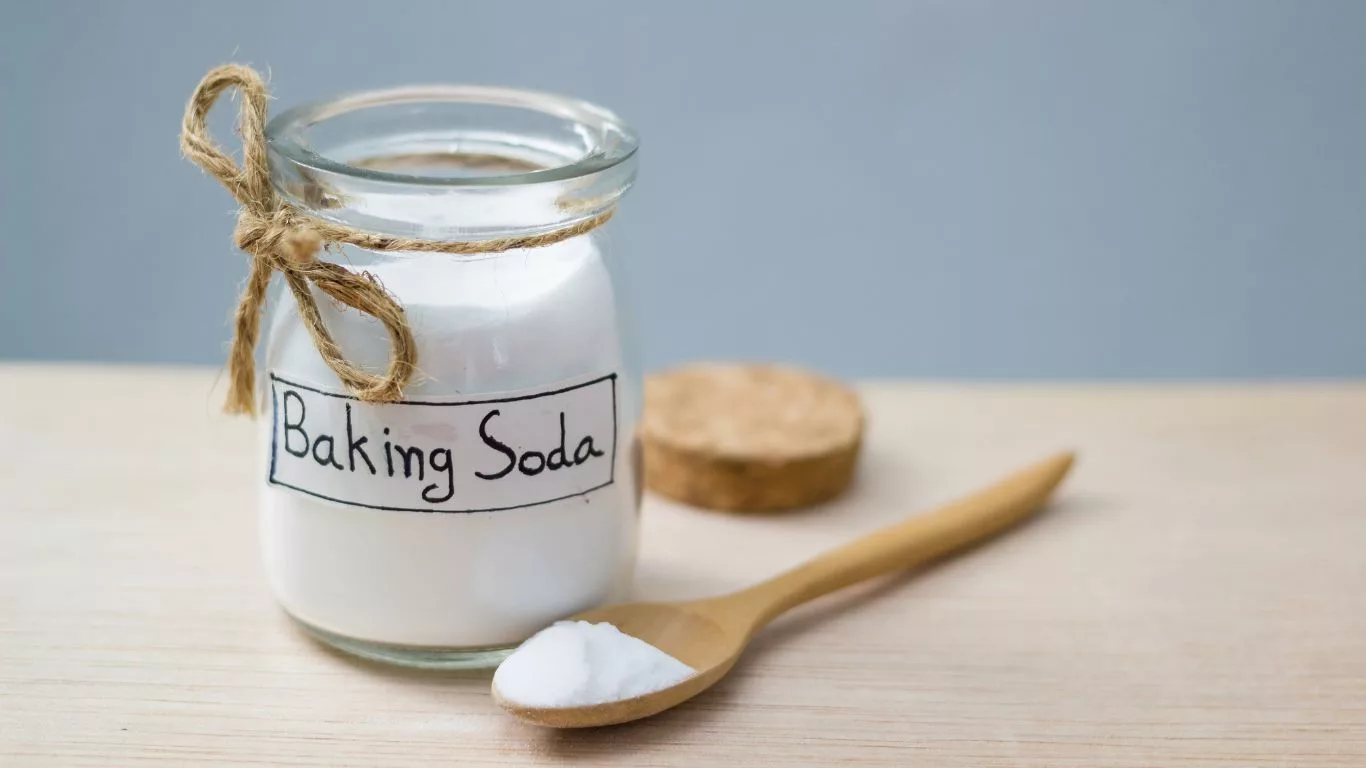
Baking soda, or sodium bicarbonate, is a naturally alkaline compound. When it meets the hydrochloric acid in your stomach, it reacts by producing water, salt, and carbon dioxide. This neutralization process is what temporarily eases the burning sensation associated with acid reflux or heartburn.
Many people reach for it because it works fast — often within minutes. But while the effect is real, it’s also very temporary. The relief doesn’t address the actual cause of reflux, which usually involves a weakened lower esophageal sphincter (LES) or pressure on the stomach.
For a much more complete and medically-supported explanation of safe dosing and how to use it properly, check out the full guide here: baking soda for heartburn dosage and usage guide.
Acid Reflux vs. Heartburn: Know the Difference

It’s easy to confuse acid reflux with heartburn, but the two aren’t exactly the same. Heartburn is the feeling — that burning in your chest or throat — while acid reflux is the physical event of stomach acid flowing upward into the esophagus.
Baking soda might ease the heartburn feeling by neutralizing acid, but it doesn’t prevent the reflux itself. That’s important because frequent reflux can lead to more serious issues like esophagitis, Barrett’s esophagus, or even narrowing of the esophagus.
If you’re looking for better long-term solutions, especially those backed by diet and habit changes, explore our resource on natural remedies that help manage GERD symptoms.
Is It Safe to Use Baking Soda for Acid Reflux?

Here’s where things get tricky. While baking soda is generally considered safe for occasional use, it comes with limitations and risks, especially if used frequently or improperly.
- High in sodium: One-half teaspoon contains about 630 mg of sodium, which can affect blood pressure and fluid retention.
- Can lead to alkalosis: If overused, it can make your body too alkaline, disrupting normal blood pH.
- Rebound acid effect: Your stomach may start producing even more acid after repeated neutralization attempts.
The Mayo Clinic warns that relying too often on fast-acting solutions like baking soda may mask a more serious digestive issue that requires consistent medical treatment or lifestyle intervention.
Who Should Avoid Baking Soda for Reflux?

Not everyone is a good candidate for this remedy. Here are a few groups that should avoid it or use it only under professional supervision:
- People with high blood pressure or heart disease (due to high sodium content)
- Those with kidney disease or compromised kidney function
- Pregnant individuals — especially in the second and third trimesters
- Anyone taking medications that affect fluid or electrolyte balance
If you fall into any of those categories, it’s better to explore alternatives like herbal teas for GERD relief or low-acid food plans that reduce symptoms over time.
Alternatives That Provide Long-Term Relief

If you’re turning to baking soda multiple times per week, that’s a clear sign your reflux isn’t under control. A few long-term strategies to consider include:
- Diet modifications: Reduce spicy, acidic, fried, and processed foods. Focus on whole grains, lean proteins, and low-acid fruits.
- Portion control: Eating smaller meals can reduce pressure on your stomach and LES.
- Meal timing: Avoid lying down within 2–3 hours of eating.
- Weight management: Even a small drop in BMI can reduce GERD symptoms.
For more guidance on dietary approaches, check out our GERD-friendly diet plan that focuses on lasting results, not just quick fixes.
When Should You See a Doctor?

If your reflux episodes are becoming more frequent, severe, or waking you up at night, don’t shrug it off. These could be signs of chronic GERD or another underlying issue. Baking soda can temporarily help — but if it’s your go-to more than twice a week, it’s time to investigate deeper.
From medication options like PPIs to natural relief plans, a proper evaluation can point you in the right direction. In the meantime, always be cautious with DIY remedies, and educate yourself on safe, structured approaches — like the detailed advice in our full baking soda for heartburn dosage and usage guide.

Camellia Wulansari is a dedicated Medical Assistant at a local clinic and a passionate health writer at Healthusias.com. With years of hands-on experience in patient care and a deep interest in preventive medicine, she bridges the gap between clinical knowledge and accessible health information. Camellia specializes in writing about digestive health, chronic conditions like GERD and hypertension, respiratory issues, and autoimmune diseases, aiming to empower readers with practical, easy-to-understand insights. When she’s not assisting patients or writing, you’ll find her enjoying quiet mornings with coffee and a medical journal in hand—or jamming to her favorite metal band, Lamb of God.