How Alcohol Affects GERD and What You Can Do to Minimize Symptoms
If you’re anything like me, the idea of winding down with a glass of wine or enjoying a cold beer at a weekend barbecue feels like second nature. But if you’ve been dealing with acid reflux or GERD, you’ve probably noticed that alcohol doesn’t always go down so smoothly anymore. That uncomfortable burn in your chest, the bitter taste creeping up your throat—yeah, I’ve been there. And if you’re reading this, chances are you’re looking for real answers on whether alcohol and GERD can peacefully coexist. Let’s break it all down together—no fluff, no scare tactics, just real talk and science-backed advice.
The Link Between Alcohol and Acid Reflux: What Science Says

Alcohol is a known trigger for acid reflux, but it’s not just about the booze itself. Research shows that drinking can relax the lower esophageal sphincter (LES)—that muscle band at the base of your esophagus that’s supposed to keep stomach acid where it belongs. Once that gatekeeper relaxes too much, acid can sneak back up, creating that oh-so-familiar burning sensation. It doesn’t help that alcohol can also stimulate more acid production and delay stomach emptying. Multiple studies confirm this mechanism.
I used to think a little wine wouldn’t hurt, especially with food. But even moderate amounts led to restless nights and a nagging throat the next day. Turns out, I’m not alone—many GERD patients report symptom flare-ups even after just one drink.
Why Alcohol Triggers GERD Symptoms

Lower Esophageal Sphincter Relaxation
Alcohol interferes with LES function by reducing its pressure, making it easier for stomach contents to reflux. This is especially true for beverages with higher ethanol content.
Increased Stomach Acid Production
Some alcoholic drinks—particularly red wine, beer, and hard liquor—stimulate gastrin release, a hormone that increases acid secretion. Combined with food, this can double down on reflux risk.
Delayed Gastric Emptying
Alcohol slows digestion, which means food and acid stay in the stomach longer—giving them more time to backtrack into your esophagus.
For a deeper dive into how diet plays a role in reflux, check out this guide on acid reflux dietary tips.
What Types of Alcohol Are Safer for Acid Reflux?

Okay, so let’s say you don’t want to cut out alcohol entirely—what are your best options? While there’s no “GERD-safe” booze, some choices tend to trigger symptoms less often.
- Dry white wine: Lower acidity and less fermentation compared to red wine.
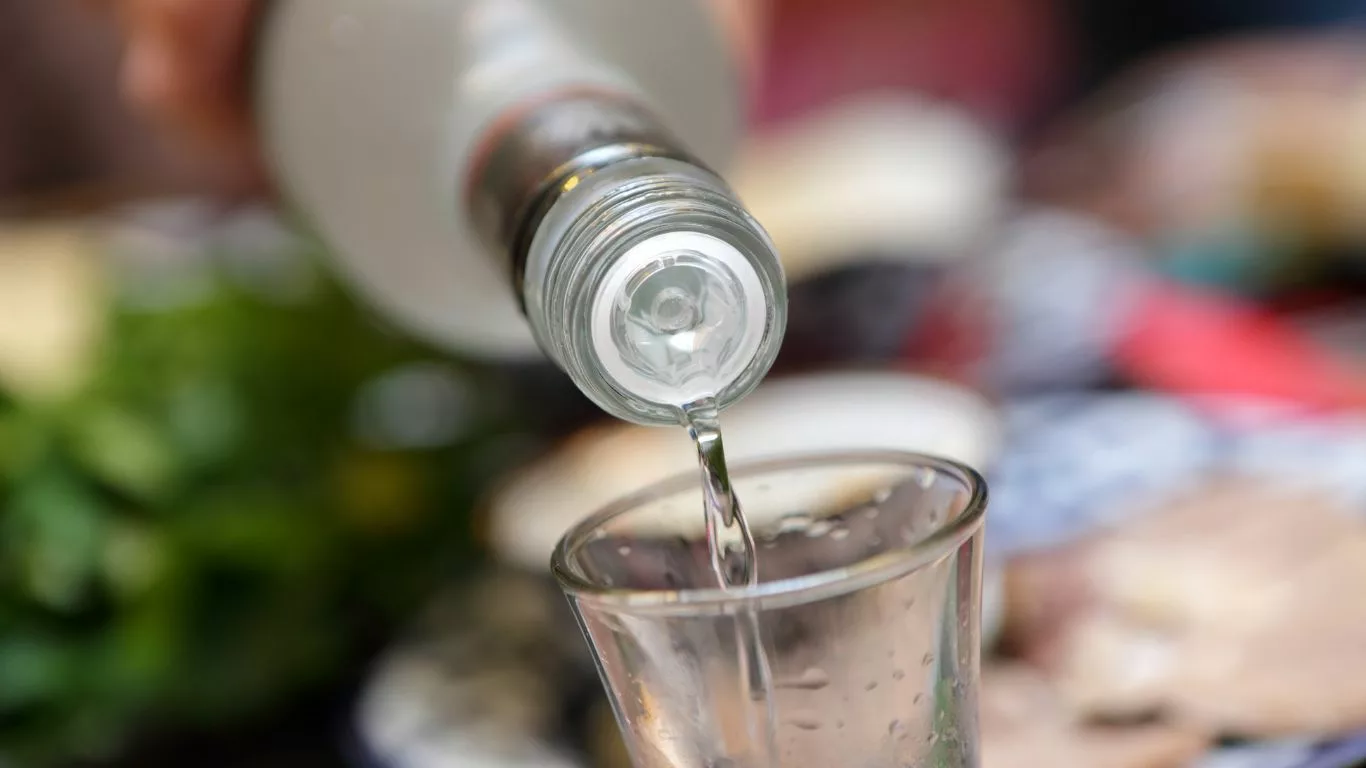
- Vodka (in small amounts): Often tolerated better than beer or wine, especially if mixed with low-acid options like coconut water.
- Clear spirits with non-citrus mixers: Think gin with cucumber or soda water.
On the flip side, these are the usual suspects that worsen symptoms:
- Red wine – high in tannins and histamines
- Beer – carbonated and often bloat-inducing
- Sweet cocktails – sugary syrups + citrus = acid overload
If you’re curious about how food pairing can help, this breakdown of GERD-friendly meals may help you craft a safe drinking experience.
What to Take or Do Before Drinking to Reduce Acid Reflux

While nothing can make alcohol totally GERD-proof, certain precautions can go a long way. Here’s what I’ve personally found helpful (and backed by science):
- Eat a small GERD-friendly meal first: Never drink on an empty stomach. Oatmeal or grilled chicken with steamed veggies are great buffers.
- Take a mild antacid beforehand: Not daily, but occasionally, a chewable calcium carbonate tab can help reduce excess acid.
- Avoid lying down for 2–3 hours after drinking: This is crucial. Elevate your upper body if needed—this GERD pillow guide is super helpful.
These adjustments won’t completely erase the risk, but they’ve made nights out far more manageable for me.
Best Practices: Drinking Alcohol Responsibly with GERD

It’s all about balance. You don’t have to swear off alcohol forever—but smart habits are non-negotiable if you want to keep GERD symptoms in check.
Moderation Is Key
Stick to one standard drink, and space it out with water. Sipping slowly not only gives your stomach time to adjust, but also keeps you aware of your body’s signals.
Skip the Nightcap
Alcohol before bed is one of the worst things for reflux. I learned this the hard way after a few restless nights. Even if you’re tempted, give yourself a 3-hour buffer before sleeping.
For more holistic guidance, this lifestyle changes for GERD guide covers effective long-term strategies beyond just alcohol.
When to Avoid Alcohol Completely

Let’s be real—sometimes, no amount of sipping slowly or pre-meal planning will protect you. If alcohol consistently triggers your reflux symptoms, it may be time to skip it altogether. Personally, I reached a point where even half a glass of red wine made me feel like a dragon by midnight. That’s when I knew something had to change.
Who Should Consider Cutting It Out
- People with erosive esophagitis: If your esophagus is already inflamed, alcohol can worsen the damage and slow healing.
- Anyone on PPI therapy: Combining alcohol with proton pump inhibitors may reduce the effectiveness of your meds.
- Frequent nighttime symptoms: If your reflux flares up every time you drink before bed—even with precautions—it’s a strong sign your body doesn’t tolerate alcohol well anymore.
In cases like these, the risk isn’t just heartburn—it’s long-term damage. If you’re not sure whether your symptoms warrant concern, check out this guide to silent reflux—it can sneak up on you without the classic burn.
Expert Tips and Lifestyle Adjustments

Managing GERD isn’t just about removing triggers—it’s about creating a life where symptoms don’t dominate. That includes understanding how alcohol fits into the bigger picture of reflux management.
Know Your Personal Threshold
Some people can tolerate a drink once a week with no symptoms. Others (like me) have to skip it entirely. The key is observation. Keep a reflux journal for a couple of weeks to track how your body responds to different drinks and quantities. This helped me uncover that beer was my worst enemy, while a splash of vodka with coconut water was surprisingly tolerable.
Pair Drinks with Low-Acid Foods
Don’t just focus on the drink—think about what’s on your plate too. Low-fat, low-acid meals can buffer alcohol’s effects. Here are a few personal go-to pairings that don’t trigger my GERD:
- Vodka with steamed zucchini and rice
- White wine with grilled chicken and sweet potato mash
- Gin and cucumber water with roasted turkey breast
For more ideas, you might enjoy these GERD-friendly dinner recipes that pair well with occasional, mindful alcohol consumption.
Elevate Your Sleep Setup
If you do choose to indulge occasionally, make sure your sleep setup supports reflux prevention. Elevating the head of your bed or using a GERD wedge pillow can drastically reduce nighttime symptoms. Mayo Clinic and other reputable sources emphasize this as a key lifestyle change.
Don’t Rely on Antacids Alone
Sure, popping a Tums before happy hour sounds easy—but it’s not a long-term solution. Chronic use can mess with calcium levels, and it doesn’t address underlying inflammation. If alcohol is part of your regular lifestyle, a more sustainable plan includes dietary adjustments and perhaps even medication—under guidance, of course.
You can find more long-term guidance in our full article on effective GERD treatments—it’s worth exploring if symptoms persist even with careful drinking.
Watch for Subtle Triggers
Alcohol isn’t always the sole culprit—it often teams up with others. Spicy snacks, tomato-based sauces, late meals, and stress can create the perfect storm. If you’ve ever had wine with pizza after a stressful day, you know what I’m talking about. To break this cycle, check out our insights on how stress impacts reflux.
Real-Life Adjustments That Make a Difference

I’ll be honest—I didn’t want to give up wine nights or happy hour margaritas. But GERD had other plans. These small shifts made a massive difference for me:
- Switched to light, clear drinks and avoided carbonation completely.
- Started eating smaller portions before drinking, instead of skipping dinner.
- Timed my last drink at least 3 hours before bed.
- Practiced mindful eating and drinking—no more rushing through meals and cocktails.
These aren’t “quick fixes,” but if you’re serious about finding your balance with GERD and alcohol, they’re game-changers.
Want to overhaul more than just your drinking habits? Explore our full guide on GERD lifestyle changes that actually work for long-term relief. It’s packed with small, manageable shifts that truly add up.
What To Do If Alcohol Already Triggered Reflux

We’ve all been there—you thought one drink wouldn’t hurt, and now your chest is on fire, your throat is sore, and sleep feels impossible. When alcohol slips past your defenses and triggers reflux, don’t panic. Instead, try this step-by-step approach that’s helped me bounce back more than a few times:
- Stay upright: Don’t lie down. Sit or walk around for at least 2–3 hours after your last sip. Gravity is your friend here.
- Chew sugar-free gum: It stimulates saliva production, which helps neutralize stomach acid. I always keep a pack of non-minty gum on hand. If you’re curious, see how chewing gum helps GERD.
- Drink a glass of lukewarm water: It can help dilute acid and push it back down.
- Sleep elevated: If it’s late, prop up your head and upper body with pillows or use a wedge pillow to avoid acid pooling in your throat.
- Try natural relief: A teaspoon of manuka honey or a small amount of slippery elm tea has personally helped soothe that raw, irritated feeling.
In more stubborn cases, consider over-the-counter antacids like calcium carbonate. But if these episodes happen frequently, it may be time to talk with a doctor about longer-term management.
How to Avoid GERD Flare-Ups While Still Enjoying Life

Giving up alcohol entirely might feel like a sacrifice, but trust me—it doesn’t mean giving up social life or your favorite rituals. It just takes some smart swapping and a bit of awareness.
Reframe the Ritual
I used to feel like saying “no thanks” to a drink at a gathering made me stick out. But I started creating little rituals around non-alcoholic drinks: sparkling water with a lime twist, chilled coconut water in a wine glass, or a homemade mocktail. Suddenly, I wasn’t missing out—I was upgrading.
Choose Social Settings Wisely
Brunch with friends instead of dinner drinks, a hike instead of happy hour—there are plenty of GERD-friendly ways to stay connected and engaged. The fewer temptations, the easier it is to stay consistent.
Explore Functional Beverages
The wellness world is catching on fast. You can now find drinks made with gut-friendly ingredients like ginger, turmeric, and even fermented herbs. Check the label (avoid carbonation and citrus), but these can be great alternatives when you’re craving something more exciting than water.
Should You Talk to a Doctor?
If your GERD symptoms persist despite adjusting your drinking habits, it’s worth seeking medical advice. Long-term acid exposure can damage your esophagus and increase the risk of conditions like Barrett’s esophagus. If you’re experiencing:
- Chronic heartburn more than twice a week
- Difficulty swallowing or persistent throat clearing
- Reflux that interrupts sleep even with lifestyle adjustments
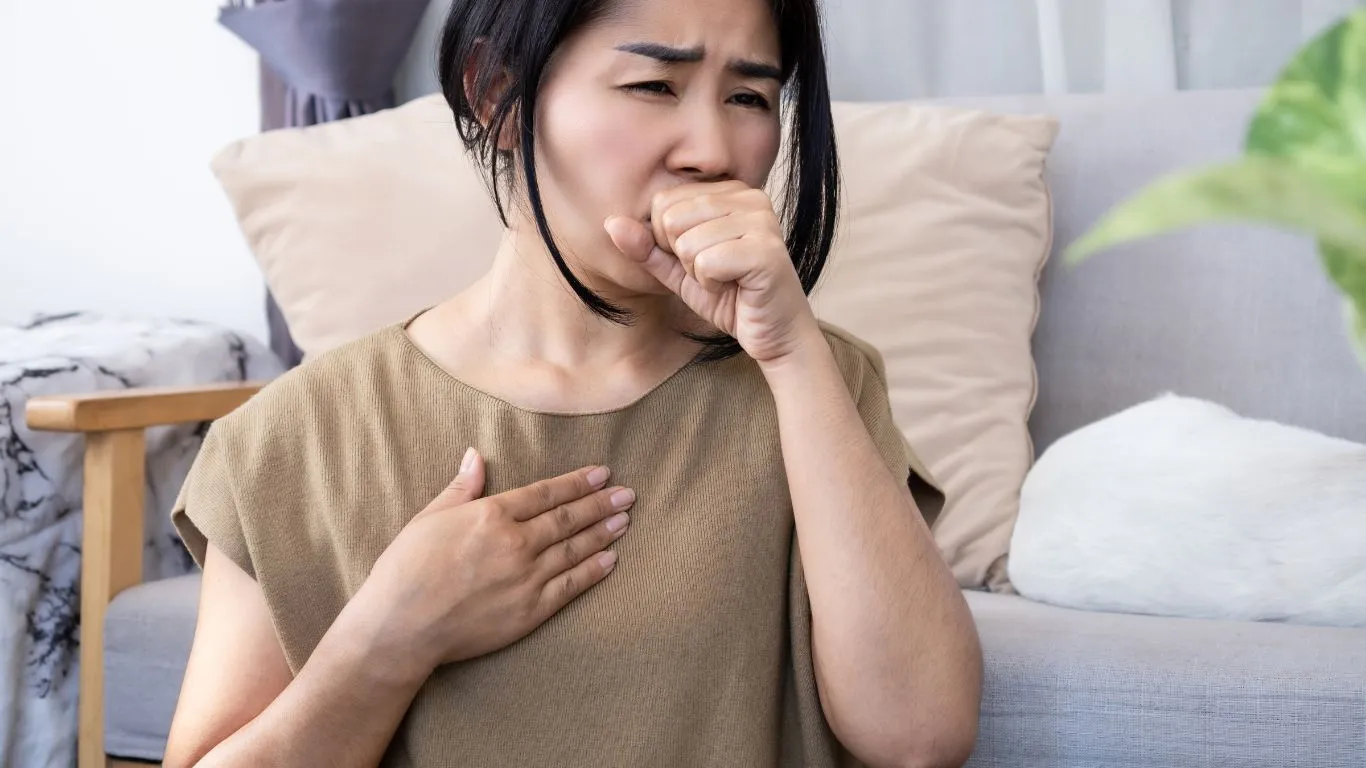
- Regurgitation, chest pain, or chronic cough
It’s time to schedule a check-up. A gastroenterologist might recommend an endoscopy or pH monitoring to understand what’s going on. If you want to know how GERD is typically diagnosed, this guide on accurate GERD diagnosis breaks it down in plain English.
Long-Term Tips to Stay Heartburn-Free

If you’re ready to make peace with GERD while still enjoying life, here are the habits that have served me (and many others) well over the long haul:
- Meal timing: Finish dinner 3 hours before bedtime.
- Posture: Sit up straight when eating and avoid slouching after meals.
- Mindful portions: Smaller meals, more frequently—especially when paired with potential triggers like alcohol.
- Low-acid lifestyle: Embrace soothing foods like bananas, oatmeal, lean turkey, and chamomile tea.
- Stay hydrated: But avoid chugging water during meals—sip throughout the day instead.
Want to put it all together? Our detailed breakdown of GERD lifestyle changes includes everything from sleep tweaks to diet hacks that make a real difference.
Key Takeaways for Managing GERD and Alcohol

- Alcohol is a known reflux trigger—especially wine, beer, and cocktails with citrus or carbonation.
- Some people can tolerate light alcohol occasionally with food and proper precautions.
- Dry white wine or clear spirits with low-acid mixers may be easier on your stomach.
- Staying upright, choosing your timing, and prepping your body with GERD-safe food makes a big difference.
- If alcohol consistently triggers your symptoms, it might be time to take a break—or quit entirely.
- Track your symptoms, work with your doctor, and explore sustainable solutions to protect your digestive health.
You don’t need to swear off enjoyment—you just need to be a little more intentional. With the right tweaks, you can still toast to life, health, and better digestion—without the burn.

Camellia Wulansari is a dedicated Medical Assistant at a local clinic and a passionate health writer at Healthusias.com. With years of hands-on experience in patient care and a deep interest in preventive medicine, she bridges the gap between clinical knowledge and accessible health information. Camellia specializes in writing about digestive health, chronic conditions like GERD and hypertension, respiratory issues, and autoimmune diseases, aiming to empower readers with practical, easy-to-understand insights. When she’s not assisting patients or writing, you’ll find her enjoying quiet mornings with coffee and a medical journal in hand—or jamming to her favorite metal band, Lamb of God.