Anti-Inflammatory Diet For Back Pain That Actually Makes A Difference
If you’ve ever woken up with that annoying, nagging ache in your lower back—or if your back pain seems to flare up right after a big meal or weekend binge—you might be surprised to learn that what you eat could be making it worse. I used to dismiss this idea myself, until I started connecting the dots. For me, pizza nights and fast food splurges were often followed by days of stiffness and discomfort. Coincidence? Not quite. There’s a growing body of evidence—and a lot of personal trial and error—that points to inflammation as a major player in chronic back pain. And here’s the kicker: you can control a big part of that with food.
Understanding Inflammation and Back Pain

When we talk about inflammation, we’re not just talking about swollen ankles or sore throats. Chronic inflammation can quietly brew inside the body, triggering or worsening back pain over time. It’s the body’s natural immune response—except when it goes rogue. When low-grade inflammation becomes constant, it can attack joints, tissues, and even spinal discs.
Conditions like arthritis, ankylosing spondylitis, or even herniated discs can all be aggravated by inflammation. So can less obvious triggers like poor posture or prolonged sitting—which many of us deal with daily (yep, that’s a thing).
Why Diet Matters More Than You Think
What’s on your plate doesn’t just affect your weight—it can either fan the flames of inflammation or help put them out. Think of your diet as either your greatest ally or your sneakiest enemy when it comes to managing back pain.
- Pro-inflammatory foods: Think sugar-loaded snacks, processed meats, refined carbs, and trans fats. Yeah, most of the fun stuff.
- Anti-inflammatory champions: Berries, leafy greens, olive oil, turmeric, nuts, fatty fish like salmon, and even dark chocolate (yes, really!).
According to the National Institutes of Health, diets high in processed foods and low in fiber can directly contribute to increased inflammatory markers. That means your fast food habit might be doing more damage than just expanding your waistline.
The Core of an Anti-Inflammatory Diet

Let’s get into what this diet really looks like. You don’t need to go full monk mode or start foraging your own greens, but making intentional choices adds up fast.
1. Load Up on Whole, Colorful Foods
Color equals nutrients. Bright fruits and vegetables are rich in antioxidants and phytochemicals that reduce inflammation at the cellular level. I keep frozen blueberries on hand at all times—they’re great in oatmeal or just as a quick snack.
2. Healthy Fats Aren’t the Enemy
Olive oil, avocados, nuts, and omega-3-rich fish like sardines and salmon are packed with compounds that help calm the body’s inflammatory response. I used to avoid fats entirely (thanks, outdated diet advice), but adding more healthy fats has actually helped my energy and pain levels.
3. Say Goodbye to Sneaky Sugars
Even “healthy” foods like granola or flavored yogurt can hide a lot of added sugar. These spike your insulin levels and ignite inflammation. I learned to read labels the hard way—anything ending in “-ose” is usually a red flag.
4. Spice Up with Natural Healers
Turmeric and ginger aren’t just trendy—they’re legit. Both contain compounds like curcumin and gingerol that have been studied for their pain-relieving and anti-inflammatory properties. Try adding turmeric to scrambled eggs or ginger to smoothies—it’s not as weird as it sounds.
What I Noticed After Changing My Diet

After a few weeks of shifting toward an anti-inflammatory diet, my back pain didn’t disappear—but it became way more manageable. The flare-ups were less intense, and my recovery after workouts was quicker. I also had less of that general foggy, sluggish feeling I’d gotten used to. Eating better didn’t cure everything, but it gave me a fighting chance to feel more like myself.
And honestly, it’s not about perfection. I still grab a burger or indulge in dessert. But building a foundation of anti-inflammatory foods means those occasional slip-ups don’t completely knock me out. If you’re dealing with persistent back pain, this might be one of the easiest, low-risk changes you can make.
Common Mistakes to Avoid

- Going all or nothing: You don’t have to overhaul everything overnight. Small changes lead to big results over time.
- Ignoring hidden sugars: Check sauces, condiments, and “health” drinks.
- Assuming gluten-free equals anti-inflammatory: Some gluten-free products are just as processed and sugary as their regular counterparts.
It’s also helpful to work alongside treatments or strategies suited to your specific back condition. If your pain stems from structural issues like bulging discs or spondylolisthesis, combining diet with a comprehensive care plan can make a massive difference.
Want to explore more about how diet, lifestyle, and targeted strategies work together? Check out our deeper dive on natural remedies and lifestyle changes for back pain and visit the full back pain hub for everything you need.
What to Eat: A Realistic Anti-Inflammatory Grocery Guide

Let’s be real—eating anti-inflammatory isn’t about buying $12 organic kale chips or drinking mushroom lattes (unless you’re into that). It’s about creating a solid, doable food routine that doesn’t suck the joy out of eating. Below is a practical list I personally live by. I shop at regular stores—nothing fancy—and this setup works even if you’re cooking for one or feeding a whole family.
Fruits & Veggies (Fresh or Frozen)
- Berries (blueberries, raspberries, strawberries)
- Leafy greens (spinach, arugula, kale)
- Cruciferous veggies (broccoli, Brussels sprouts, cauliflower)
- Sweet potatoes, beets, and carrots
Healthy Fats & Protein
- Avocados
- Olive oil (cold-pressed extra virgin)
- Almonds, walnuts, chia seeds, flaxseeds
- Wild-caught salmon, sardines, mackerel
- Organic tofu or tempeh if you’re plant-based
Herbs & Spices
- Turmeric (with black pepper for absorption)
- Fresh ginger
- Cinnamon, garlic, oregano
Extras That Help
- Green tea or matcha
- Bone broth (great for joint health)
- Unsweetened yogurt or kefir (hello, gut health)
Keeping some go-to items on hand has helped me stay consistent. When in doubt, I throw greens, berries, a scoop of flax, and almond butter into a blender and call it a meal.
Meals That Don’t Feel Like Sad Diet Food

You don’t need to give up good food to feel better. In fact, when I first started eating this way, I was surprised at how flavorful everything was. Here are a few of my favorites that are easy to whip up and don’t require chef-level skills.
Anti-Inflammatory Breakfast Ideas
- Oatmeal with blueberries, chia seeds, and a drizzle of almond butter
- Scrambled eggs with turmeric, spinach, and avocado toast
- Greek yogurt with raspberries, walnuts, and cinnamon
Lunch & Dinner Staples
- Salmon bowl: Brown rice, steamed broccoli, sliced avocado, sesame oil
- Anti-inflammatory stir-fry: Tofu, colorful veggies, garlic-ginger sauce, quinoa
- Stuffed sweet potatoes: Black beans, kale, tahini drizzle
When in doubt, build a plate around color, fiber, and healthy fats. I’m also a big fan of prepping a few elements in bulk, like roasted veggies or grilled salmon, and mixing them throughout the week.
Anti-Inflammatory Doesn’t Mean Anti-Enjoyment

Don’t worry—you don’t have to live like a monk or quit your weekend burger habit to feel the benefits. I still enjoy tacos, pasta, and dessert. But I’ve learned to upgrade the ingredients and balance them with more supportive foods. That’s the sweet spot.
Want a burger? Try a grass-fed patty with avocado and a sweet potato bun. Pizza night? Top a cauliflower crust with veggies and drizzle some olive oil. Chocolate cravings? Go for dark chocolate (70%+ cacao) with almonds. These swaps aren’t about deprivation—they’re about inflammation-smart choices that still taste great.
Back Pain Conditions That Respond Well to This Diet

Not all back pain is the same, and an anti-inflammatory diet won’t work miracles on its own—but it can make a serious difference in many common conditions. If you’ve been diagnosed with any of the following, dialing in your nutrition is especially worth your time:
- Degenerative disc disease
- Herniated discs
- SI joint dysfunction
- Fibromyalgia-related back pain
- Osteoporosis-related back pain
Nutrition isn’t a cure—but it is one of the easiest tools to support your recovery alongside physical therapy, movement, posture correction, and stress management. For a complete, holistic look at what works beyond diet, dive into conservative back pain treatment options.
Gut Health and the Inflammation Connection

I didn’t think much about gut health until I started digging into inflammation science. Turns out, your microbiome—aka the army of bacteria in your gut—has a massive role in regulating inflammation throughout your body. A gut that’s out of balance can actually trigger pain signals, mess with your immune response, and worsen back pain.
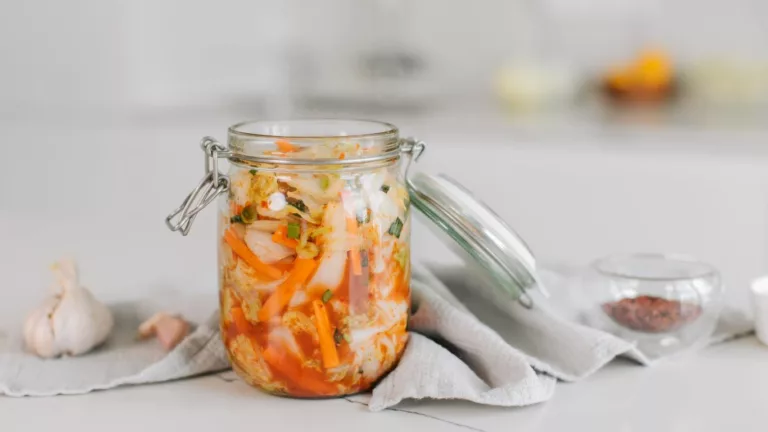
Supporting your gut with fermented foods (like yogurt, kefir, sauerkraut), high-fiber veggies, and prebiotics is one way to keep inflammation down. This is especially important if you’ve taken antibiotics or dealt with digestive issues. For me, adding more fiber-rich greens and cutting way back on sugar made a noticeable difference within a couple of weeks.
There’s also fascinating research from Harvard Health linking gut integrity to systemic inflammation—another reason to take your diet seriously if chronic pain is part of your life.
Beyond Food: Lifestyle Habits That Work in Sync

You could eat all the turmeric in the world—but if you’re chronically stressed, sleep-deprived, or glued to a desk 10 hours a day, you’re fighting an uphill battle. That’s why combining an anti-inflammatory diet with lifestyle tweaks can multiply your results.
- Movement: Gentle yoga, walking, or swimming keeps joints fluid and reduces stiffness. Try these yoga poses for back pain relief.
- Sleep: Deep, restful sleep is when your body repairs itself. Cut the late-night scrolling and aim for 7-9 hours.
- Stress Management: Chronic stress = chronic inflammation. Even 10 minutes of meditation or deep breathing helps.
Need a holistic guide? Explore how lifestyle and natural remedies for back pain can create a long-term difference without medication dependency.

Camellia Wulansari is a dedicated Medical Assistant at a local clinic and a passionate health writer at Healthusias.com. With years of hands-on experience in patient care and a deep interest in preventive medicine, she bridges the gap between clinical knowledge and accessible health information. Camellia specializes in writing about digestive health, chronic conditions like GERD and hypertension, respiratory issues, and autoimmune diseases, aiming to empower readers with practical, easy-to-understand insights. When she’s not assisting patients or writing, you’ll find her enjoying quiet mornings with coffee and a medical journal in hand—or jamming to her favorite metal band, Lamb of God.