How Anxiety Attacks Triggered By Loud Sounds Quietly Disrupt Life
I remember the first time it happened—walking through a busy street fair, laughter and chatter blending into a mess of noise, when suddenly a balloon popped. My heart launched into my throat. Within seconds, I was frozen, breath shallow, sweat forming on my neck, eyes darting like prey sensing danger. That wasn’t just being startled. It was a full-blown anxiety attack, triggered by a loud sound. If you’ve experienced something similar, you’re far from alone—and it’s more common than most people realize.
Why Loud Sounds Can Trigger Anxiety Attacks
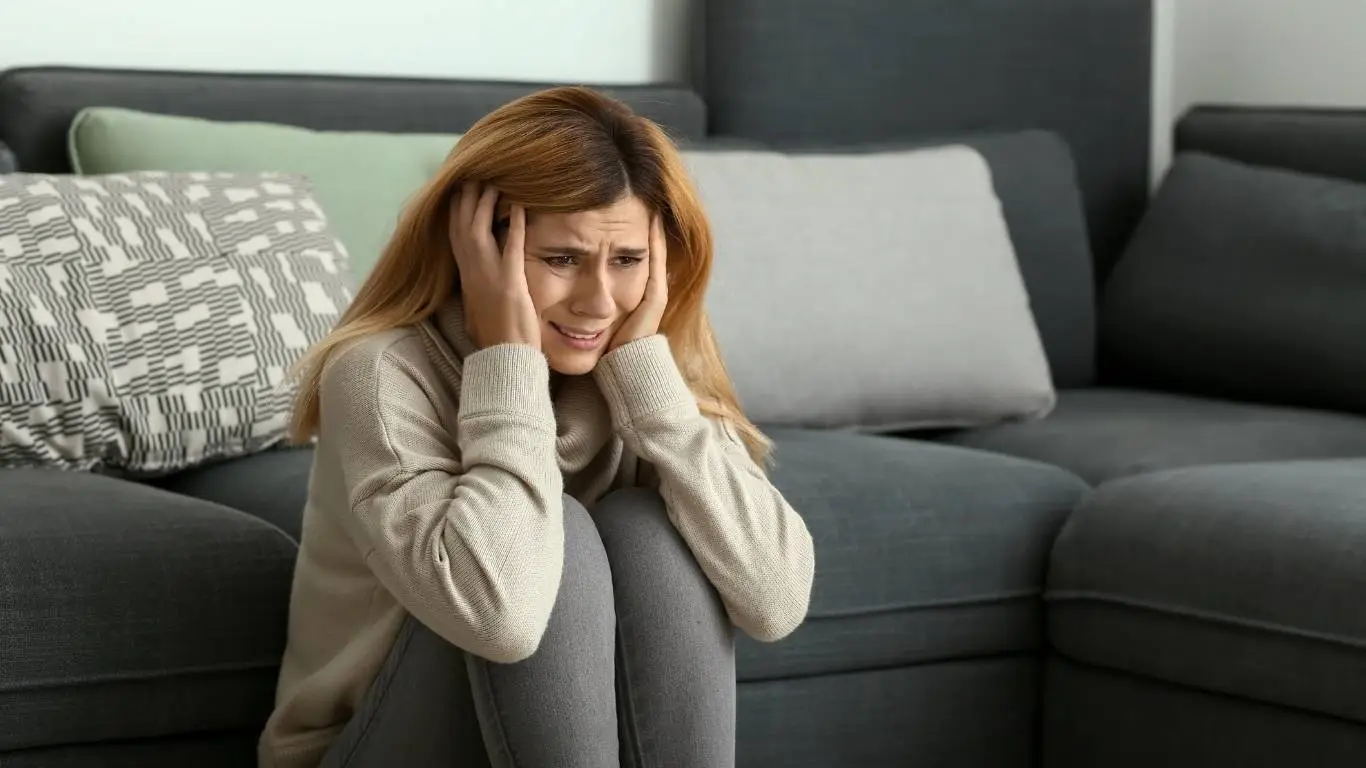
We all get startled by loud noises, right? But for those with sound-triggered anxiety, it goes beyond the typical jump scare. The reaction can be visceral—like your entire nervous system just slammed into overdrive. This response is often rooted in how our brain processes perceived threats. For some of us, loud noises aren’t just disruptive—they feel dangerous, even when they’re not.
The amygdala, the brain’s fear center, plays a huge role here. It’s hypersensitive in people with anxiety, and sudden loud sounds can make it fire like a red alert. That rush of adrenaline? It’s real. So are the trembling hands, the tight chest, and the overwhelming sense that something terrible is about to happen—even if nothing is.
For many, this isn’t just a quirk. It’s part of a bigger picture of sensory sensitivity, trauma history, or conditions like generalized anxiety disorder. And trust me, it can sneak into your daily life in the most unexpected ways.
Common Situations Where Loud Sounds Trigger Panic

- Fireworks displays: Everyone’s enjoying them, and you’re trying to hold it together as your heart races with every explosion.
- Concerts or crowded venues: The bass isn’t just shaking the floor—it’s rattling your entire nervous system.
- Sudden alarms or sirens: Car alarms, emergency sirens, even a microwave beeping loudly can push your anxiety button hard.
- Yelling or shouting: Not even directed at you, but it feels personal—like you’re under attack.
These aren’t random scenarios. They’re real-life moments that can make people with this type of anxiety avoid social gatherings, public transportation, or even certain workplaces. Over time, this avoidance reinforces the fear, creating a self-feeding cycle that’s hard to break.
The Science Behind Sound Sensitivity and Anxiety

It’s not just psychological—it’s physical. The body’s fight-or-flight response, when set off by a loud noise, releases cortisol and adrenaline. Your body is suddenly prepping for survival, even when you’re perfectly safe. This type of response is common in those with trauma-related anxiety or sensory processing disorders.
People with misophonia, hyperacusis, or PTSD often report heightened sound sensitivity. In fact, research published via ncbi.nlm.nih.gov shows a strong link between trauma and exaggerated startle reflexes to auditory stimuli. Even if you don’t have a formal diagnosis, these responses can still affect you deeply.
How This Anxiety Manifests in Daily Life
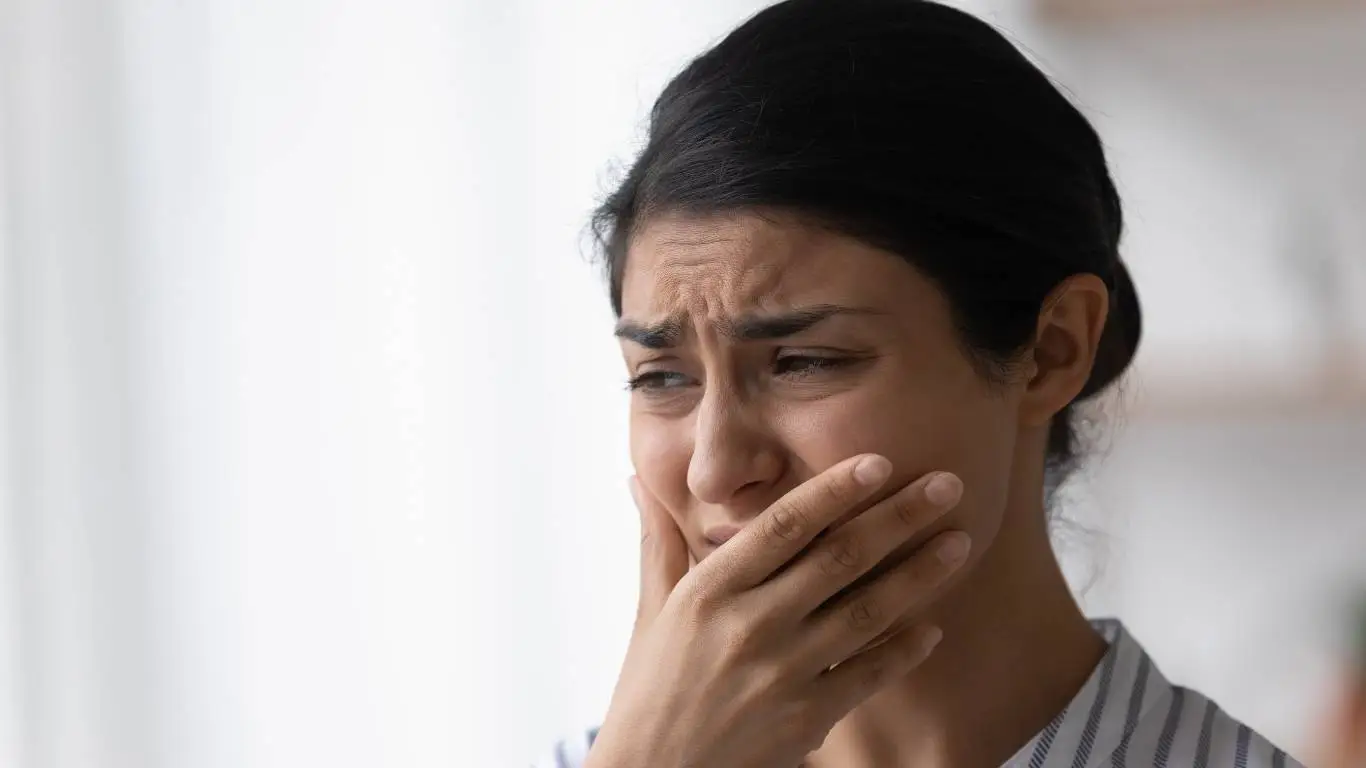
This isn’t just about jumping when something bangs. It’s the lingering tension. The fear of being caught off guard. The way you plan your life around avoiding sudden noise. You might find yourself skipping social events, avoiding movies with gunshots, or even changing seats in restaurants just to be away from speakers.
I’ve had to leave grocery stores because a child screamed unexpectedly. I’ve walked out of meetings when a coworker raised their voice. And I’m not the only one. This is a real barrier to functioning that deserves more understanding—not judgment.
If this sounds like your reality, it’s worth exploring tools that help regulate these reactions. Start with recognizing it’s not about being “too sensitive.” It’s your brain’s survival system working overtime. And the good news? You can teach it to dial down.
Steps That Help You Reclaim Calm
1. Breathing Exercises for Recovery
As basic as it sounds, deep breathing is one of the fastest ways to regulate a panic response. Try simple breathing exercises when you anticipate sound triggers. It brings the body back to safety mode—slowing heart rate, easing muscle tension, and reducing cortisol levels.
2. Use of Noise-Canceling Tools
This changed my life. A pair of high-quality noise-canceling headphones or discreet earplugs can take the edge off everyday chaos. They’re especially helpful in places like airports, cafes, or even walking downtown. It’s not about avoiding life—it’s about protecting your peace.
3. Exposure and Desensitization
This one takes patience. Gradually exposing yourself to mildly triggering sounds in safe settings can help retrain your nervous system. Working with a professional trained in exposure therapy is key to doing this safely and effectively.
4. Supportive Diet and Lifestyle
It surprised me how much my diet affected my sound sensitivity. Cutting back on caffeine, processed sugar, and increasing magnesium-rich foods made a noticeable difference. This aligns with what I read here: magnesium-rich foods for anxiety are an underrated game changer.
Is It Time to Seek Professional Help?

When anxiety attacks begin to shape your decisions, limit your joy, or isolate you, that’s not something to ignore. Therapy—particularly CBT or EMDR—can help you rewrite the script. You might also consider professional assessments like those described in this guide to anxiety disorder diagnosis.
For a broader look into how lifestyle factors, diet, and daily routines intertwine with anxiety, check out this article. And to better understand the overarching impact anxiety can have, the main pillar article is a powerful read with deep insight.
How Loud-Sound Anxiety Impacts Relationships and Social Life

This kind of anxiety doesn’t stay confined to your internal world. It leaks into your social life, your relationships, even your identity. I’ve had to explain to friends why I skipped birthday parties or left events early. Some understood. Others didn’t. When people don’t see visible signs—like a cast or a crutch—they sometimes assume you’re exaggerating or antisocial. That assumption hurts more than they know.
Sound-triggered anxiety can make it feel like you’re walking through life with a hyperactive alarm system. You’re not just dreading the sound itself—you’re bracing for how people might react to *your* reaction. It’s exhausting.
Worse, it can create distance. You might avoid deep relationships to sidestep embarrassment or judgment. You start turning down invites, canceling plans last-minute, and isolating—just to avoid the noise. It’s a survival strategy, sure. But it’s also lonely.
Social Withdrawal Isn’t Laziness—It’s Self-Preservation
For anyone wondering why someone would rather stay home than attend a fun concert or dinner party, it’s not about moodiness. It’s often the quiet math of anticipating discomfort. Will the restaurant be crowded? Will kids be yelling? Will there be music blasting? Will I have an escape route?
This is why awareness matters. More people are living with these challenges than we realize—and often in silence. If you’re supporting someone with anxiety around loud sounds, compassion beats advice every time.
How to Create Safe Environments Without Over-Avoiding

Avoidance feels good—until it doesn’t. Over time, it shrinks your world. Instead, creating safer, controlled environments can help reduce anxiety without cutting you off from life.
- Prep your environment: Choose seating away from speakers in restaurants. Visit stores during off-peak hours. Keep soft music playing at home to soften sudden external sounds.
- Talk to your people: Let close friends or family know what helps and what doesn’t. Most people want to be supportive—they just don’t know how unless you share.
- Have an exit plan: Whether it’s a backup ride or a quiet room at a party, knowing you can leave helps your brain relax. Ironically, having the option often means you won’t need it.
If you’re a parent of a teen struggling with sound-triggered anxiety, this read may offer perspective: social anxiety in teens. It’s especially hard for younger people to articulate these feelings.
Body-Based Techniques That Rewire Sound Reactivity

1. Progressive Muscle Relaxation
Often paired with breathing techniques, progressive muscle relaxation helps calm the body’s stress response. When practiced regularly, it can recondition your body to respond less explosively to sudden sounds.
2. Somatic Exercises
Think of this as tuning your body’s internal radar. Techniques that integrate movement, breath, and sensation—like gentle yoga or simple tapping—can help release trapped tension and retrain the nervous system over time.
3. Journaling to Track Triggers
Sometimes we think it’s the noise—but it’s really about what the noise represents. Journaling helps uncover patterns, associations, and underlying fears. Over time, that awareness gives you back a sense of control.
Medication and Treatment Options (When Necessary)

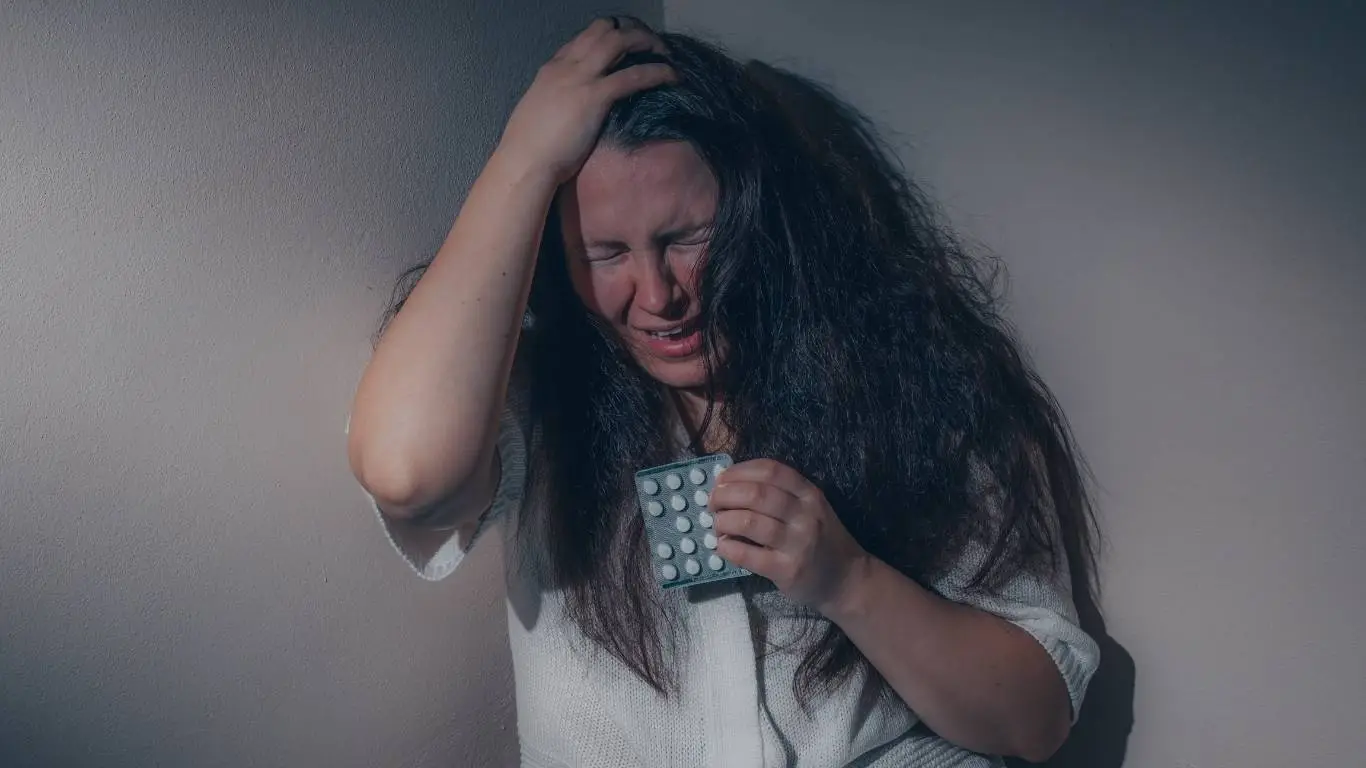
Some cases are so intense, they interfere with your ability to function day to day. That’s when it may be time to look at medical treatments. SSRIs, for example, have helped many reduce overall anxiety levels, making triggers more manageable.
Other medications like beta blockers or Buspirone may also be worth discussing with your provider. They don’t “fix” the root of sound sensitivity, but they can buffer the nervous system enough to allow you to engage in therapy and exposure work more effectively.
Learn more about medical options here: medical treatment options for anxiety.
Linking the Past: How Trauma Plays a Hidden Role

For many, loud-sound anxiety didn’t come out of nowhere. It’s often rooted in unresolved trauma—childhood yelling, accidents, domestic conflict, or being around unpredictable noise as a kid. Even if your conscious brain doesn’t connect the dots, your nervous system remembers.
This is why trauma-informed therapy can be so powerful. It doesn’t just target symptoms—it helps you heal the root. Childhood trauma and adult anxiety are more connected than we often acknowledge.
To understand the broader web of causes and influences behind anxiety, this in-depth breakdown is worth exploring.
Build Your Toolkit: Self-Help Habits That Make a Difference

The goal isn’t to eliminate noise from your life—it’s to build resilience. That means stacking small habits that support your nervous system. Start with these:
- Get consistent sleep—every hour matters. Sleep deprivation makes reactivity worse.
- Stay hydrated. Dehydration is a sneaky anxiety trigger most overlook.
- Fuel your body. Check this helpful guide: nutrition tips for calming anxiety.
- Move your body every day. Walks, stretches, yoga—it all counts.
- Limit stimulants like caffeine and sugar. You’ll feel the difference in a week.
If you’re ready to go deeper into making your everyday habits work for your mental health, this guide may help: self-help strategies for anxiety.
For a wider perspective on how anxiety can quietly take over our routines, I also recommend this excellent overview: why anxiety disorders control daily life.

Camellia Wulansari is a dedicated Medical Assistant at a local clinic and a passionate health writer at Healthusias.com. With years of hands-on experience in patient care and a deep interest in preventive medicine, she bridges the gap between clinical knowledge and accessible health information. Camellia specializes in writing about digestive health, chronic conditions like GERD and hypertension, respiratory issues, and autoimmune diseases, aiming to empower readers with practical, easy-to-understand insights. When she’s not assisting patients or writing, you’ll find her enjoying quiet mornings with coffee and a medical journal in hand—or jamming to her favorite metal band, Lamb of God.