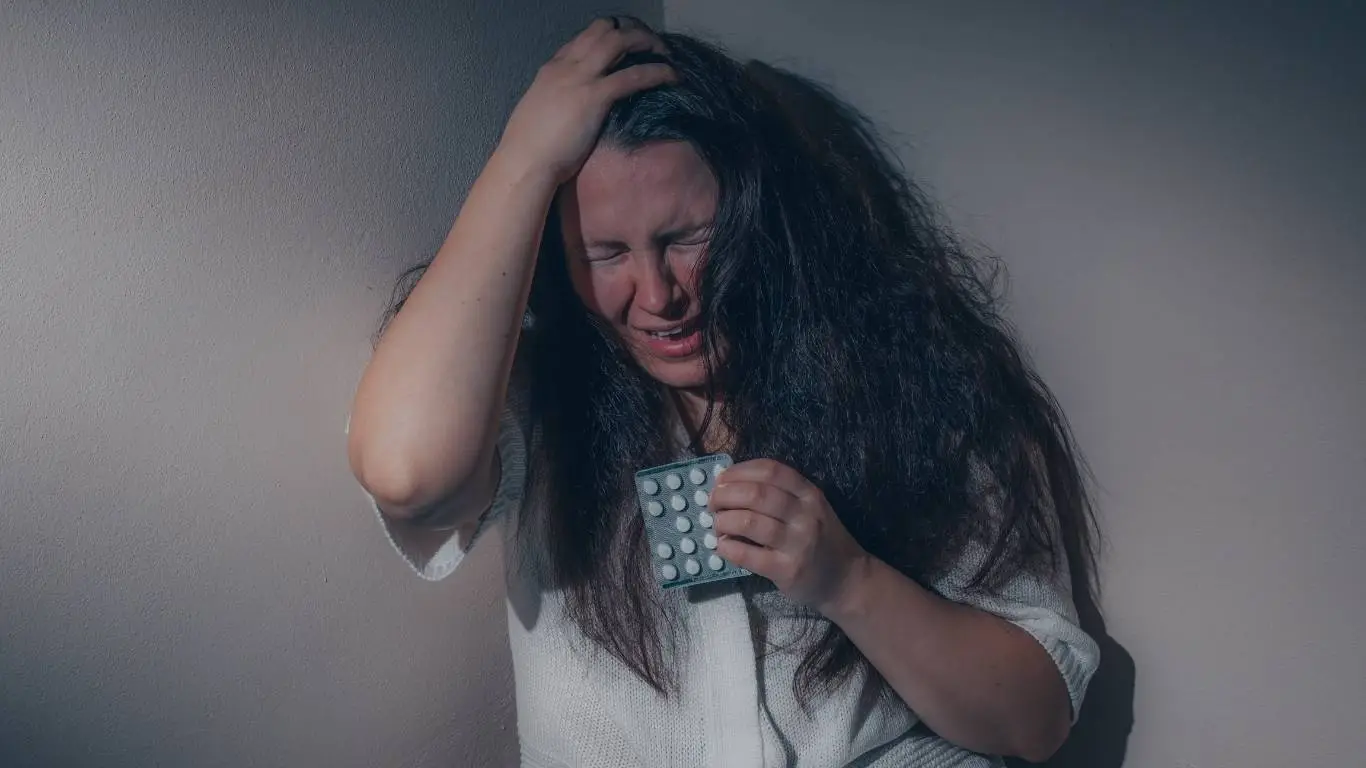
Anxiety Disorders Relief Through Alternative Natural Methods
There was a time when I thought lavender oil and yoga were just trendy things people posted on Instagram. But during one of my lowest points with anxiety, when my chest felt tight for weeks and my sleep was all over the place, I found myself researching everything outside of conventional meds. That was the start of my deep dive into complementary and alternative approaches for anxiety disorders—and it changed how I care for my mental health in ways I never expected.
Understanding Complementary & Alternative Approaches to Anxiety

Let’s clear this up from the start: alternative approaches aren’t about replacing professional help or medication. It’s more like building a toolkit—with evidence-based, natural strategies that can support your mental health alongside therapy or medical treatments. Many of these approaches have centuries of cultural wisdom behind them, and now, growing scientific research is catching up to validate what many have known for generations.
According to the National Center for Complementary and Integrative Health (NCCIH), several non-conventional therapies show promise in helping reduce anxiety symptoms when used responsibly. From acupuncture to herbal remedies to mindfulness-based practices, these strategies can offer a sense of empowerment, especially for people like me who prefer a whole-body, mind-centered approach to wellness.
How This Approach Complements Traditional Treatment
Most people don’t realize that integrative mental health is a growing field. It’s about combining the best of both worlds—psychological science and natural, supportive care. This is not fringe or woo-woo anymore. Many therapists and clinics now encourage meditation, nutritional interventions, and even massage as part of broader treatment plans.
- Holistic focus: Tackles physical, emotional, and lifestyle contributors to anxiety.
- Lower risk profile: Non-invasive and generally safe when used properly.
- Empowerment: Helps you feel more in control of your healing process.
Mindfulness and Breathwork: Small Shifts, Big Changes

Breathwork became a lifeline for me when panic would creep up out of nowhere. You don’t need incense or meditation cushions—just your breath. Techniques like box breathing (inhale 4, hold 4, exhale 4, hold 4) or 4-7-8 breathing helped me snap out of spiraling thoughts and reconnect to the present.
Mindfulness, too, was a game-changer. I used to think I had to clear my mind (which felt impossible), but mindfulness is really about *noticing* what’s happening without judgment. Just that. Research, including a 2022 randomized clinical trial in JAMA Psychiatry, even found that mindfulness-based stress reduction was as effective as Lexapro (an SSRI) in treating anxiety. That’s not a small claim.
- Start with 5 minutes a day. Use guided meditations if you’re new.
- Incorporate breathwork during stressful transitions—before meetings, while commuting, or lying in bed at night.
- Journal your thoughts after to release emotional clutter.
Herbal Support and Natural Supplements
I’ll admit, I was skeptical about herbs—until I started paying attention to how my body responded. Chamomile tea became my evening ritual. Ashwagandha helped steady my cortisol rollercoaster. Magnesium, especially in glycinate form, eased my sleep issues and reduced the daily muscle tension I didn’t even realize I carried.
Popular Natural Options for Anxiety Relief:
- Lavender oil: Aromatherapy or capsules. Studies show it can be as effective as some benzodiazepines for mild anxiety.
- Magnesium: Supports nervous system regulation and reduces restlessness.
- Ashwagandha: Adaptogen that may reduce stress and promote calm over time.
- Chamomile: Mild sedative effects. Great for winding down.
- L-Theanine: Found in green tea. Enhances focus while promoting calm.
Always speak to a qualified practitioner before adding supplements, especially if you’re on medication. Natural doesn’t always mean risk-free, and interactions are real. That said, these tools can be incredibly supportive when used wisely.
Acupuncture, Yoga, and Other Body-Based Therapies

The first time I tried acupuncture, I didn’t know what to expect. But halfway through, I realized my shoulders were relaxed for the first time in weeks. It wasn’t magic—but it felt like my nervous system was finally getting the memo: you’re safe.
Eastern practices like acupuncture and yoga work with your body’s energy and physical systems to regulate stress responses. They’ve been used for thousands of years—and they continue to be recommended by many integrative health professionals today.
What to Explore:
- Acupuncture: Shown to reduce generalized anxiety disorder symptoms and increase parasympathetic activity.
- Restorative yoga: Especially helpful for trauma-sensitive anxiety. No headstands required.
- Massage therapy: Encourages deep relaxation, supports circulation, and lowers cortisol.
I started booking monthly massages as part of my “mental health maintenance.” Best self-investment ever. Sometimes, touch is exactly what your nervous system needs to reset.
Food, Gut Health, and Mood
Most people don’t connect their gut with their anxiety. I didn’t—until I realized my diet was full of processed junk, and I felt wired and tired all the time. Once I cleaned up my meals, added more fiber, healthy fats, and fermented foods, things started shifting. Slowly, but noticeably.
The gut-brain connection is real. About 90% of your serotonin is produced in your gut. When your microbiome is off, your mood can follow. Supporting digestion can support emotional regulation, too.
Simple Ways to Start Nourishing Your Gut-Brain Axis:
- Add probiotic-rich foods like yogurt, kimchi, or sauerkraut.
- Choose complex carbs (oats, quinoa) that stabilize blood sugar.
- Hydrate consistently—dehydration can mimic anxiety symptoms.
I still eat pizza, don’t worry. But I’ve learned that how I fuel myself affects how I *feel*—mentally and physically. There’s no shame in honoring that.
Building a Personalized, Balanced Plan

The beautiful thing about complementary and alternative anxiety tools is that you don’t have to do them all at once. Pick a few. Experiment. Journal your progress. Talk to a provider who’s open to integrative approaches. And trust yourself to know what feels good in your body.
If you’re managing anxiety and looking for a deeper understanding of how it impacts every part of life—from relationships to daily function—you might find this comprehensive overview helpful: Why Anxiety Disorders Can Secretly Control Your Daily Life.
When I first dipped into the world of natural anxiety remedies, I didn’t expect the emotional rollercoaster that came with it. I thought it would be all essential oils and chill vibes. But I quickly realized that even natural healing can bring up big questions—especially when it forces you to look at your habits, your environment, and the way you treat yourself on a daily basis. What helped was getting more curious than critical. Because when you start to really understand how your mind and body respond to these strategies, things begin to shift.
Sound Therapy, Binaural Beats & Healing Frequencies

There’s something deeply calming about being immersed in sound. I used to pop in my AirPods and listen to anxiety playlists without thinking much about it. But when I started exploring specific frequencies and sound therapies, it felt like my brain was finally exhaling.
Binaural beats work by delivering two slightly different frequencies to each ear, helping your brain settle into a desired state—like calm or focus. Frequencies in the theta (4–7 Hz) and alpha (8–12 Hz) ranges are commonly associated with relaxation and reduced anxiety.
Ways to Use Sound Therapy:
- Try listening to 432 Hz or 528 Hz playlists during bedtime or meditation.
- Look into sound baths with singing bowls or gongs—many are offered virtually now.
- Use guided anxiety relief tracks with binaural beats through apps like Insight Timer or Brain.fm.
Studies like this one from Frontiers in Psychiatry have shown that specific audio stimulation can influence mood and reduce stress-related biomarkers. It’s a surprisingly powerful tool that’s as simple as hitting play.
Aromatherapy and Scent-Based Healing
I was never an “essential oil person” until I had my first panic attack in a car and a friend handed me a lavender roller. Within minutes, I felt grounded enough to catch my breath. Now I always carry one in my bag.
Aromatherapy affects the limbic system—the part of the brain that processes emotion and memory. Certain essential oils are known for their calming or uplifting effects, and even science backs it up. A 2017 review found that lavender, bergamot, and ylang-ylang may significantly reduce anxiety in both clinical and non-clinical settings.
Recommended Oils for Anxiety:
- Lavender: Probably the most studied. Promotes relaxation, eases sleep, and lowers cortisol.
- Bergamot: Uplifting and calming. Great for mid-day tension or social anxiety.
- Frankincense: Grounding, especially helpful for intrusive thoughts or racing minds.
- Clary Sage: Can reduce nervous tension and support hormonal balance.
Use essential oils in a diffuser, dilute them in carrier oil for skin application, or add a few drops to a warm bath. Even placing a scented sachet near your pillow can help cue your body that it’s time to unwind.
Nature Therapy and Earthing Practices

This one was a quiet breakthrough for me. The more time I spent in nature, the less “stuck in my head” I felt. There’s something about trees, fresh air, and open space that invites you to slow down. And science agrees—exposure to green space has been linked to lower levels of stress, depression, and yes, anxiety.
Grounding (or earthing) involves direct skin contact with natural surfaces like soil, grass, or sand. The idea is that connecting with the Earth’s electrons can have an anti-inflammatory and calming effect on the nervous system.
Simple Nature Practices That Help:
- Walk barefoot on the grass or sand for a few minutes each day.
- Sit under a tree or beside a window with a view of greenery.
- Bring nature indoors with houseplants or natural textures like wood and stone.
One afternoon I sat in silence at the edge of a lake for half an hour. No phone, no journal, no agenda. Just stillness. I walked away lighter, like I had downloaded peace straight from the Earth. You can’t get that from a screen.
Art Therapy, Creative Expression, and Flow States
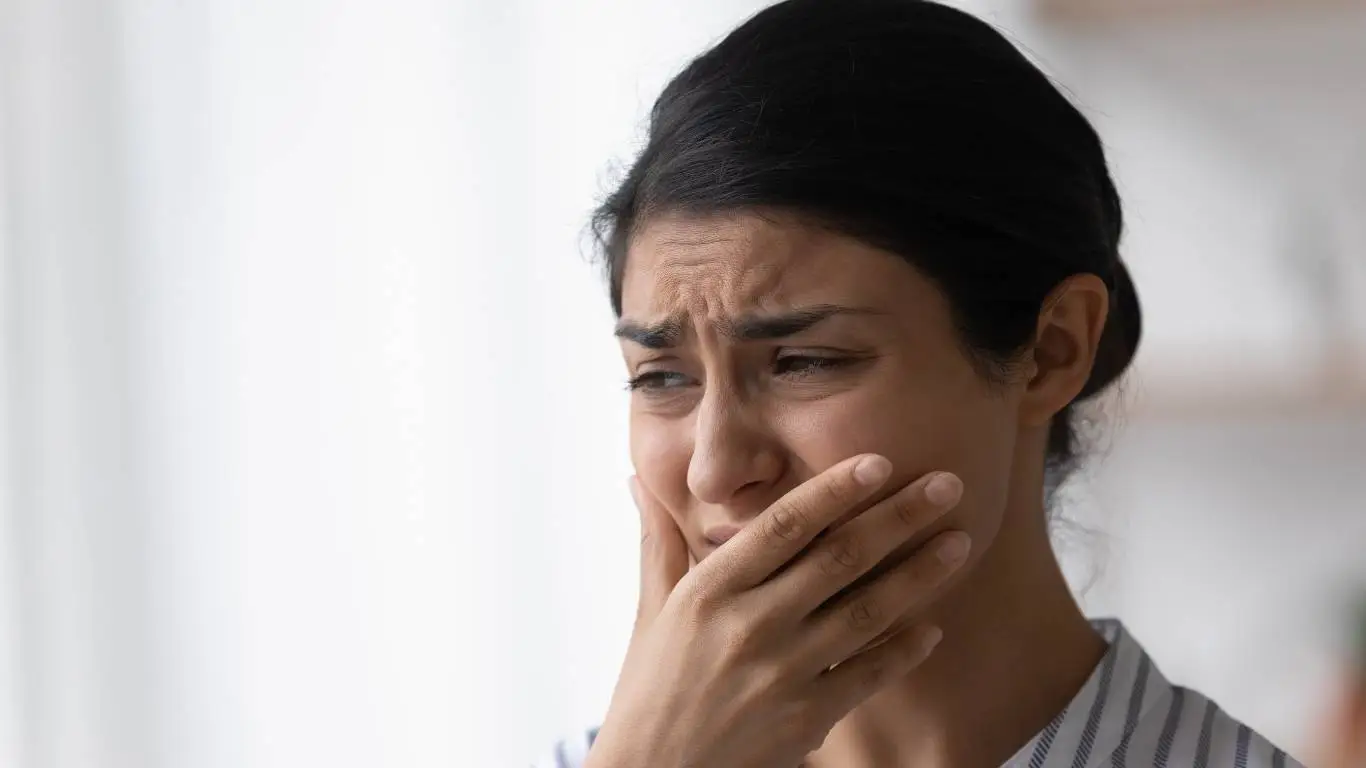
For the longest time, I didn’t think of myself as a “creative person.” But when anxiety made it hard to express myself in words, I found unexpected release in sketching, painting, and even collage. There’s no pressure to be good at it—just the act of creating helped silence the mental noise.
Creative flow states pull you out of the analytical, overthinking part of your brain and into something more intuitive. Art therapy, even informally, is used to help manage trauma, anxiety, and emotional regulation across ages and cultures.
Creative Practices That Calm the Mind:
- Free drawing: Let your hand move without a plan. Just shapes, colors, and textures.
- Coloring books: Especially mandalas. Meditative and low-pressure.
- Journaling with doodles: Combine writing and simple sketches to express emotions.
- Clay sculpting: Grounding, physical, and soothing. Great for fidgety energy.
You don’t need to call it “therapy” if that feels heavy. Just make time for playful, unstructured creativity. It’s medicine in disguise.
Sleep Rituals and Circadian Rhythm Support
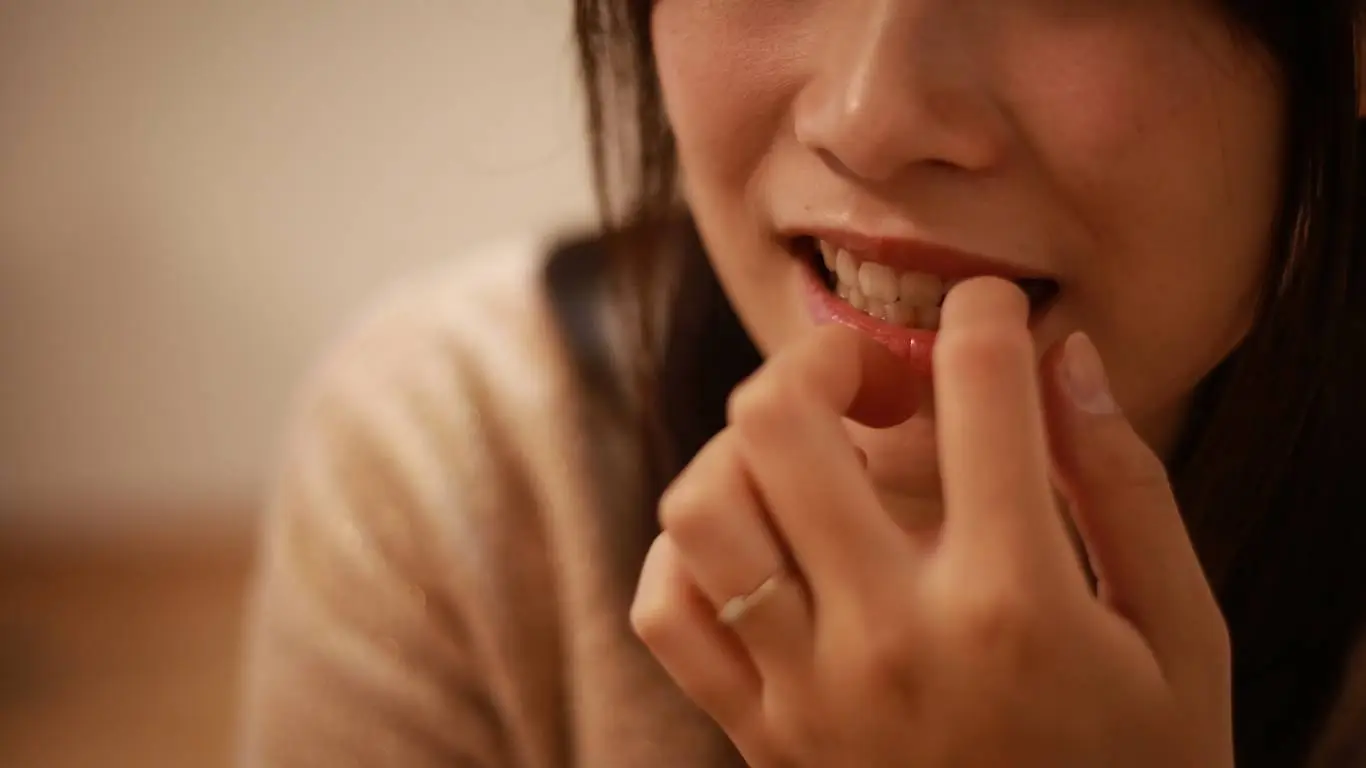
Sleep and anxiety have a messy relationship. When I was deep in the thick of it, I’d wake up at 3 AM with my heart pounding—mind racing with everything I forgot to do. I tried melatonin, sleepy teas, blackout curtains. Some helped. But the real shift came when I built a ritual—not just a routine, but a *signal* to my body that it was time to rest.
What Helped Me Sleep Better:
- Consistent bedtime and wake time (even on weekends, yeah I know)
- Blue light glasses after 7 PM and screens off by 9:30
- 30-minute wind-down: candle, chamomile tea, light journaling
- White noise machine or binaural beats on low volume
According to the Sleep Foundation, anxiety-related sleep disruption can create a vicious cycle that worsens both conditions. That’s why protecting your sleep isn’t optional—it’s part of your healing.
If you haven’t already, be sure to read this guide to anxiety’s impact on everyday life to see how it all connects. Because sometimes what feels like “just bad sleep” or “just stress” is part of a much bigger picture.
There’s something I wish I’d known earlier on my anxiety journey: healing isn’t about fixing yourself—it’s about building a relationship with your mind and body that’s rooted in trust, not fear. Complementary and alternative tools helped me reconnect with parts of myself I didn’t even realize I’d been ignoring. And the deeper I leaned into those practices, the more I found a kind of peace that didn’t feel forced or fleeting. If anxiety has been part of your story, you deserve more than just “managing it.” You deserve to feel grounded and capable in your own skin.
Movement as Medicine: Gentle, Intentional Activity

Traditional workouts are great, but when I was anxious, high-intensity anything made me feel worse. My heart was already racing—I didn’t need burpees to add fuel to the fire. What actually helped? Slow, intentional movement that tuned me into my breath, muscles, and body cues. It wasn’t about burning calories; it was about regulation and rhythm.
What Worked for Me:
- Gentle yoga: Especially yin or restorative. Just being still in a pose felt revolutionary some days.
- Walking outdoors: Bonus if there’s nature around, even just a quiet neighborhood.
- Stretching routines: Short, simple flows to release physical tension built up from anxiety.
- Dance or intuitive movement: Music on, no rules. Letting energy move through the body without judgment.
Movement became a kind of language—one where I stopped trying to *escape* my body and started learning how to befriend it again.
Energy Work: Reiki, EFT Tapping & Emotional Release

I didn’t expect to vibe with energy healing. Honestly, I thought it sounded a little too out-there. But after trying a reiki session out of curiosity, I walked out lighter, calmer, and more present than I’d felt in weeks. No dramatic moment—just a subtle, steady shift I couldn’t ignore.
Energy therapies aim to regulate the body’s energetic field and restore balance. While not a replacement for therapy or medication, they can be powerful adjuncts, especially when emotional heaviness doesn’t respond to logic alone.
Explore These Gentle Energy Modalities:
- Reiki: A Japanese practice using gentle touch (or no touch) to facilitate energy flow and relaxation.
- EFT (Emotional Freedom Technique): Also known as tapping. Combines verbal affirmations with tapping on acupressure points. Surprisingly effective for panic.
- Somatic release practices: Gentle techniques that allow stored trauma or tension to be expressed through the body.
If talk therapy ever felt like it didn’t fully reach the root of your anxiety, energy work might offer another layer of support—less cerebral, more sensory.
Rituals and Routine: Creating a Life That Feels Safe

Anxiety thrives in chaos and unpredictability. What helped calm my system the most was building tiny rituals that anchored my day. Not rigid routines, but intentional rhythms. A morning check-in. A midday reset. An evening ritual. Nothing fancy. Just signals to my body that I was listening and that we were okay.
Rituals That Helped Me Reclaim Control:
- Morning: Five slow breaths, intention journaling, warm lemon water.
- Midday: Step outside. Stretch. Hydrate. Unplug for at least 10 minutes.
- Evening: Screen-free wind-down, herbal tea, gentle yoga or reading fiction.
It’s not about perfection. I skip steps sometimes. But these rituals are like handrails for my nervous system. They remind me that I’m not at the mercy of every thought or trigger.
Embracing Community and Connection

When you’re deep in anxiety, connection can feel impossible. Social events become landmines. Even replying to texts can be overwhelming. But isolation always made things worse for me. What shifted was finding connection in ways that felt *safe* and low-pressure—support groups, quiet coffee meetups, online spaces where I could just lurk and listen until I was ready to speak.
You don’t have to perform to belong. You don’t have to have it “all together” to be loved or supported. Anxiety makes you believe you’re a burden. Connection reminds you that you’re human.
- Try anxiety-specific peer groups or online communities like The Mighty or Reddit’s r/anxiety (moderation matters).
- Consider therapy groups or wellness circles centered on shared healing practices.
- Let one trusted person in—someone who doesn’t try to “fix,” just listens.
We’re not wired to heal alone. Even just sitting in a room where others are also healing can change everything.
The Ongoing Journey: Maintenance Over Perfection

Managing anxiety with alternative tools isn’t about chasing the perfect routine. It’s about tuning in daily. What do I need today? What feels nourishing? What feels like too much? That kind of self-check-in has kept me more regulated than any rigid protocol ever could.
Keep Asking:
- Am I supporting or ignoring my body right now?
- Have I moved, hydrated, and rested today?
- Do I need connection or solitude right now?
I still use my anxiety tools. Some days it’s breathwork, other days it’s stepping outside barefoot for five minutes. It doesn’t have to be intense to be effective. What matters is consistency and compassion.
If you’re new to exploring anxiety from multiple angles, or want to understand how it shows up in your everyday life, this deeper dive is a great place to start: Why Anxiety Disorders Can Secretly Control Your Daily Life.
You don’t need to be “fixed.” You need to feel safe, seen, and supported. However you get there—through breath, movement, herbs, or nature—is valid. Your path is your own, and it’s already unfolding beautifully.

Camellia Wulansari is a dedicated Medical Assistant at a local clinic and a passionate health writer at Healthusias.com. With years of hands-on experience in patient care and a deep interest in preventive medicine, she bridges the gap between clinical knowledge and accessible health information. Camellia specializes in writing about digestive health, chronic conditions like GERD and hypertension, respiratory issues, and autoimmune diseases, aiming to empower readers with practical, easy-to-understand insights. When she’s not assisting patients or writing, you’ll find her enjoying quiet mornings with coffee and a medical journal in hand—or jamming to her favorite metal band, Lamb of God.