How Your Lifestyle Choices May Be Fueling Anxiety Disorders
I didn’t always realize I had anxiety. For the longest time, I just thought I was “overthinking” or being “too sensitive.” Little did I know, those patterns—racing thoughts at night, avoiding social situations, feeling this low-key dread for no reason—were part of something bigger. It’s strange how normalized anxiety becomes until you stop and really look at how it’s shaping your day-to-day life. That’s when I began to explore the connection between anxiety and lifestyle choices—because, trust me, they’re deeply connected.
Why Lifestyle Matters More Than You Think

We often talk about anxiety like it’s some mysterious mental state that floats in and takes over—but much of it is tied to how we live. The way we eat, sleep, interact, scroll, consume, and even breathe can either soothe our nervous system or send it into a frenzy.
Modern life isn’t exactly designed with our mental health in mind. Constant notifications, unrealistic productivity pressure, processed foods, caffeine overload—it’s a lot. I noticed my anxiety spike on days when I skipped meals or doomscrolled Twitter before bed. Once I began tweaking those habits, I realized how much power I actually had to feel better.
What Triggers Your Nervous System
The autonomic nervous system—specifically the sympathetic “fight or flight” mode—responds to daily stress signals, not just trauma or big life events. Even minor, repeated triggers like poor sleep or caffeine can build up. Some common everyday culprits include:
- Sleep deprivation (even just a couple of rough nights in a row)
- Excess sugar or high-glycemic foods causing energy crashes
- Negative social media exposure or toxic comment loops
- Information overload without downtime
- Chronic multitasking and scattered focus
These triggers might seem small, but they accumulate. And when your body doesn’t get a break from them, anxiety settles in like background noise you forget to question.
My Personal Shift Toward an Anxiety-Supportive Routine

I didn’t do a total life overhaul overnight. That kind of pressure just adds more stress. Instead, I started small. I added one supportive habit at a time. The magic happened in the consistency.
What I Focused On First
- Sleep Hygiene: I started winding down at the same time every night, kept my phone out of the bedroom, and invested in blackout curtains.
- Intentional Mornings: Even just 10 minutes of stretching, sipping tea, or reading something calm helped rewire my a.m. anxiety spiral.
- Balanced Meals: I didn’t go on a diet—I just started building my meals around protein, fiber, and healthy fats. It made a real difference in my mood swings.
- Movement: Nothing intense—just walks, light yoga, and the occasional dance break in my kitchen.
- Digital Boundaries: I turned off non-essential notifications and stopped checking email before 9 a.m. Total game changer.
These changes weren’t about perfection. They were about creating a rhythm that made my body feel safer. Once I gave my nervous system what it needed, the mental fog began to lift.
How Nutrition Influences Anxiety

You don’t need to become a nutritionist to understand how food impacts your mood. I used to live on caffeine, sugar, and skipping meals. Not surprisingly, I felt jittery, irritable, and anxious most of the time. Once I started paying attention to my blood sugar and gut health, I noticed a serious shift.
Foods That Support Calm
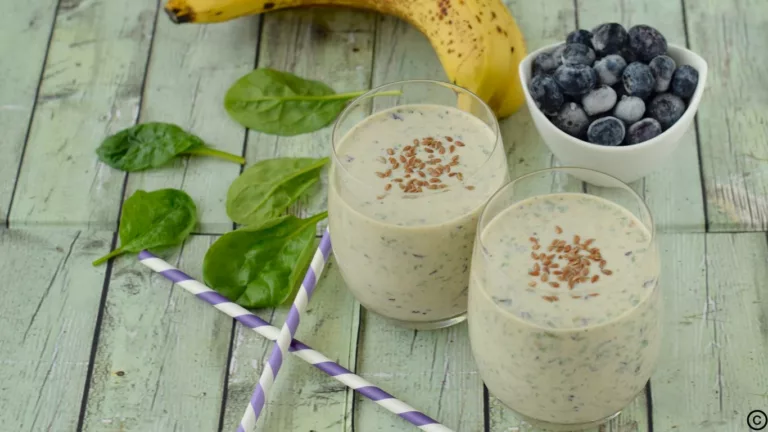
- Omega-3s: Fatty fish, flaxseeds, or chia—great for brain health and mood stability
- Magnesium-rich foods: Like spinach, avocado, and dark chocolate (yes, really)
- Fermented foods: Yogurt, kefir, kimchi—support your gut, support your mood
- Complex carbs: Whole grains can help balance serotonin levels
On the flip side, I found that artificial sweeteners, processed snacks, and too much alcohol or caffeine ramped up my anxiety. It wasn’t about restriction—it was about nourishment.
Registered dietitians like this review in Nutrients support the growing science around food-mood connections, especially in anxiety management. The gut-brain axis isn’t just a wellness trend—it’s a legit biological relationship.
Social Habits & Mental Health Boundaries

I didn’t realize how much certain social habits drained me until I started saying no more often. People talk about self-care like it’s spa days, but sometimes it’s muting a group chat or skipping a dinner that feels like emotional labor.
Things I’ve Given Myself Permission To Do:
- Not respond immediately to texts or DMs
- Say no to things that feel more obligatory than joyful
- Unfollow accounts that make me feel less than
- Keep my circle small and intentional
- Be honest about when I need space
Creating those boundaries helped me preserve energy for the people and experiences that actually nourish me. The American Psychological Association highlights the growing evidence between digital overload and mental strain—especially for people already prone to anxiety. It’s okay to step back.
Integrating Self-Help Into Daily Life

I used to think “self-help” meant rigid morning routines or reading endless self-improvement books. But really, it’s more about creating small moments of intention throughout the day. I now think of it like maintenance—just like brushing my teeth or eating lunch. It doesn’t have to be complicated to work.
My Go-To Daily Self-Help Rituals:
- Journaling: Not long essays—just a few bullet points about what’s on my mind
- Breathwork: 4-7-8 breathing calms my nervous system in less than a minute
- Nature breaks: Even 10 minutes outside shifts my headspace
- Positive input: Swapping doomscrolling for a podcast or uplifting playlist
- Checking in with myself: A simple “What do I need right now?” midday pause
And when anxiety still flares up (because it does), I remind myself it’s not a failure. It’s just a signal. One I now know how to respond to without spiraling.
If you’re exploring how to take back control from anxiety and live more freely, I recommend starting with this deeper look at how anxiety disorders impact your daily life. It’s a solid foundation to better understand what you’re navigating—and that you’re definitely not alone in it.
I never thought something as simple as checking my phone first thing in the morning could impact how anxious I felt all day—but it did. Once I started paying closer attention to those subtle lifestyle choices, I saw a pattern. The smallest habits, repeated daily, were shaping my mental state in ways I never connected to anxiety. That realization led me to take a deeper look at what I was doing automatically—and more importantly, how I could start doing things intentionally.
The Role of Routine in Managing Anxiety

Here’s what I didn’t realize for a long time: anxious brains love structure. Routines offer predictability, and predictability lowers the brain’s threat response. I used to resist routines because I thought they’d make life boring or restrictive. In reality, building rhythm into my day gave me the freedom to feel safe in my body again.
Anchoring Points That Helped Me Stay Grounded
- Consistent Wake Time: Waking up around the same time each day helped reset my internal clock and reduced that groggy anxiety cloud in the morning.
- Non-Negotiable Mornings: Instead of diving straight into work, I gave myself 30–45 minutes for tea, journaling, and movement.
- Mini Midday Reset: Around 2 p.m., I take 10 minutes for deep breathing or a walk outside. Just enough to reset the energy drain.
- Low-Stim Evenings: Dim lights, no news, and soothing music set the tone for a restful night—total contrast from my old habits.
Even when life gets busy, having a few key rituals helps me feel anchored. And honestly, it’s not about being rigid—it’s about creating signals of safety for my brain to recognize.
Movement: The Most Underrated Anxiety Tool

Let me be clear: I’m not a fitness influencer. The idea of high-intensity anything still gives me secondhand stress. But I learned that movement, not “exercise,” was key. Not for weight loss or aesthetics—but for processing the energy that anxiety builds up in the body.
How Movement Changed My Anxiety
On days when I walked, stretched, or even just danced around the living room, I noticed a clear drop in tension. My thoughts felt less intense. My jaw unclenched. I felt more like myself again.
According to Harvard Health, aerobic activity reduces tension, stabilizes mood, and increases endorphins—your brain’s natural chill pills. You don’t need a gym membership to tap into this benefit. Just get your body moving.
Easy Ways to Move Without the Pressure
- 15-minute walks after meals
- Stretching while watching TV
- Yoga with calming music in the background
- Rebounding (mini trampoline = weirdly fun and effective)
- Cleaning or organizing with intention
There’s no “right” way. Movement isn’t about performance—it’s about release. I stopped treating it like a chore and started treating it like medicine for my nervous system.
Digital Hygiene for Anxious Minds

Our devices aren’t the enemy—but the way we use them can either soothe or spike anxiety. I used to wake up and immediately check the news, scroll Instagram, and dive into emails. By 9 a.m., my mind was already overloaded, and I hadn’t even had coffee.
Digital Boundaries That Made a Difference
- No-phone mornings: I wait at least 30 minutes after waking up before checking my phone.
- Notification pruning: Turned off badges, previews, and push notifications for anything non-essential.
- App-free zones: No social media apps on my home screen. Out of sight, out of scroll.
- Intentional screen time: I give myself specific windows for email or social media instead of letting them run the day.
What’s wild is how much calmer my mind feels without constant pings. There’s something deeply healing about being present—just existing without the digital noise.
Supportive Supplements and Natural Helpers

I used to pop a multivitamin and call it a day. But once I started researching nutrients that support the nervous system, I realized my body was likely running low on some of the essentials for mood regulation. I worked with a functional nutritionist and found that targeted support made a noticeable difference.
What Helped Me Most
- Magnesium Glycinate: Amazing for sleep, muscle tension, and overall calm. I take it at night, and it’s probably my #1 non-negotiable.
- L-Theanine: Found in green tea, it promotes alpha brain waves and helps balance out caffeine’s edginess. A great mid-morning helper.
- Omega-3s: Anti-inflammatory and crucial for brain function. I take a high-quality fish oil daily.
- Adaptogens: Ashwagandha helped me reduce cortisol spikes. Not a magic bullet, but definitely helpful over time.
Always worth consulting a professional before jumping into supplements—but these have backed me up when stress levels spike. You don’t have to go the pharmaceutical route right away to start supporting your mental health biologically.
Mindful Practices That Work in Real Life

I used to hear the word “mindfulness” and think of monks on mountain tops. But mindfulness is simply being present—paying attention to what you’re doing while you’re doing it. For anxious people like me, it’s a powerful tool for getting out of your head and into the moment.
How I Practice Mindfulness Without the Pressure
- Mindful showers: Focusing on the sensation of water, breath, temperature—it’s basically meditation in disguise.
- Eating without screens: Actually tasting your food, chewing slowly, grounding yourself through the senses.
- Body scans: Closing your eyes and mentally checking in with each part of your body, one by one.
- Breath counting: Inhale… exhale… count to 10 and start over. Sounds simple, but it works like magic when you’re overwhelmed.
These moments are like anchors throughout the day. They don’t erase anxiety—but they keep it from running the show. Just like this deeper dive on how anxiety shapes your daily behavior, awareness really is half the battle.
I used to think managing anxiety was all about fighting it—pushing it down, distracting myself, powering through. But the more I tried to outsmart it, the more it pushed back. Eventually, I realized the goal wasn’t to eliminate anxiety altogether. It was to build a life where anxiety didn’t call the shots. That shift in mindset made all the difference. This part of my journey has been about creating long-term stability, resilience, and the tools to ride the waves when they come.
Building Long-Term Resilience, Not Just Quick Fixes

It’s easy to reach for surface-level solutions when anxiety hits—scrolling, eating, zoning out. I’ve done all of it. But the truth is, real healing happens slowly, in the choices we make every day. It’s about stacking small, supportive habits so that over time, your baseline becomes calmer. Not perfect—just steadier.
Habits That Helped Me Stay Balanced
- Consistent hydration: Dehydration can mimic anxiety symptoms. I started carrying a water bottle and adding electrolytes on stressful days.
- Setting limits on obligations: Saying “yes” only when I meant it kept my energy from getting drained constantly.
- Intentional breaks: I blocked time on my calendar just to be—no phone, no productivity, just space.
- Tracking patterns: I started a simple mood tracker to connect my habits with my emotional state.
These habits are subtle, but they add up. They don’t stop anxiety, but they create a stronger foundation so when the waves hit, they don’t knock you flat.
The Role of Connection in Mental Wellness

When I was deep in my anxiety, I isolated myself. I thought I was a burden. I didn’t want to explain, or justify, or seem like I was overreacting. But anxiety thrives in silence. The more I opened up—to friends, to a therapist, even to strangers in support groups—the less alone I felt. And honestly, that connection was more healing than any single “tool.”
Ways to Find Safe Connection
- Vulnerable conversations: Sharing what I was really feeling with one trusted person did more than a hundred Google searches.
- Online groups: I found spaces where people were talking openly about anxiety—and suddenly I wasn’t the only one.
- Therapy check-ins: Even bi-weekly sessions gave me a consistent outlet that felt grounding and safe.
- Mentorship: I reached out to someone further along in their healing journey for perspective and support.
If connection feels hard, start small. One text. One honest answer to “how are you?” You don’t need a huge support network—you just need someone who sees you without judgment.
Turning Anxiety Into a Guide

Here’s the part no one tells you: anxiety can actually teach you things. It’s uncomfortable, yes—but it’s also information. For me, anxiety often meant I was out of alignment. Saying yes when I meant no. Pushing past my limits. Ignoring what I needed. Once I stopped treating anxiety like a flaw and started seeing it as a messenger, everything softened.
Questions I Ask When Anxiety Shows Up
- “What boundary might need reinforcing right now?”
- “Am I hungry, tired, overstimulated, or under-supported?”
- “What’s one thing I can control in this moment?”
- “What does my nervous system need from me right now?”
I stopped asking “how do I get rid of this feeling?” and started asking “what is this feeling pointing to?” That shift turned anxiety from an enemy into something more like an alert system—imperfect, but not evil.
Healing Isn’t Linear—And That’s Okay

Some weeks I feel calm, grounded, totally in control. Other weeks anxiety pops up out of nowhere, for no clear reason. And I used to beat myself up for that. Now, I know better. Healing isn’t a straight line. It’s a spiral. You come back to the same places, but with more tools, more strength, more compassion each time.
Reminders That Keep Me Grounded
- Setbacks don’t erase progress. They’re part of it.
- You don’t have to be “fixed” to be worthy of peace and joy.
- Rest is productive. Doing nothing is sometimes the most healing choice.
- You’re allowed to feel good, even when things aren’t perfect.
This approach to mental health—one rooted in self-respect and sustainability—has helped me keep moving forward even on the hard days. I trust myself more now. I know I have tools. I know I have support. And I know anxiety doesn’t get the final say.
When to Reach for Professional Support

If you’ve tried all the self-help strategies and you’re still struggling, it’s okay to reach for more support. Therapy, medication, structured programs—these aren’t signs of failure. They’re tools. And sometimes they’re the missing piece. I worked with a therapist and eventually tried medication during one of my toughest seasons, and honestly, it helped me get my footing back when nothing else did.
For anyone who feels stuck, overwhelmed, or like anxiety is interfering with your ability to function—please know there’s no shame in asking for help. Professional support can bring clarity, safety, and long-term relief. You don’t have to do this alone.
You Are Not Your Anxiety

Anxiety is something you experience. It’s not who you are. I remind myself that all the time. You can live with anxiety and still build a life that feels full, connected, creative, and peaceful. You can be anxious and still be brave. Still be grounded. Still feel joy.
If you’re just starting this journey or looking to deepen it, I recommend reading more about how anxiety can shape everyday life—because awareness is always the first step. And every step counts.

Camellia Wulansari is a dedicated Medical Assistant at a local clinic and a passionate health writer at Healthusias.com. With years of hands-on experience in patient care and a deep interest in preventive medicine, she bridges the gap between clinical knowledge and accessible health information. Camellia specializes in writing about digestive health, chronic conditions like GERD and hypertension, respiratory issues, and autoimmune diseases, aiming to empower readers with practical, easy-to-understand insights. When she’s not assisting patients or writing, you’ll find her enjoying quiet mornings with coffee and a medical journal in hand—or jamming to her favorite metal band, Lamb of God.