When Anxiety Symptoms Mimic Illness, It Feels Terrifying
Last year, I was convinced something was deeply wrong with my body. Heart palpitations, dizziness, chest tightness, shortness of breath—you name it. I bounced between doctors and specialists, had every scan and test under the sun. Everything came back “normal.” The frustration was overwhelming until someone finally asked me: “Have you considered that this might be anxiety?” That question changed everything. If you’ve ever experienced physical symptoms so intense they felt like a serious illness—but your labs were clean—you’re not alone.
What Makes Anxiety Symptoms Feel Like a Real Illness?

It’s mind-blowing how anxiety can trigger physical symptoms that seem identical to serious medical conditions. Anxiety doesn’t always show up as racing thoughts or nervous jitters—it can hijack your entire body.
Why the Body Reacts This Way
When anxiety hits, your brain flips the “fight or flight” switch. That floods your body with adrenaline and cortisol, prepping you for survival. Helpful in emergencies. Not so much during a grocery run.
- Rapid heart rate and chest tightness feel like heart issues
- Lightheadedness mimics low blood pressure or even stroke
- Nausea and digestion issues often mirror GI disorders
Many people, myself included, mistake these responses for physical illness. I’ve been there, Googling symptoms at 3AM convinced I was having a heart attack—only to realize it was a panic attack.
Common Anxiety Symptoms That Look Like Physical Illness

Let’s break down the most common anxiety symptoms that imitate serious health conditions. These are the culprits that send people (rightfully) rushing to doctors, cardiologists, and ERs.
1. Chest Pain & Tightness
This one’s scary—because it feels like your heart is giving out. Many people with anxiety, including myself, experience sharp chest pain, pressure, or a heavy feeling that’s eerily similar to a heart attack.
According to American Heart Association, anxiety-induced chest pain can be identical to cardiac symptoms, leading to unnecessary ER visits unless properly diagnosed.
Here’s a more in-depth look at why chest pain from anxiety feels so real and alarming.
2. Shortness of Breath
This was my personal “red alert” symptom. I felt like I couldn’t take a full breath, even when nothing was wrong with my lungs. This sensation mimics asthma, COPD, or even blood clots.
But in reality, it was caused by shallow breathing and hyperventilation triggered by panic. Understanding this difference made me feel more in control.
Here’s an excellent breakdown on how anxiety shortness of breath feels scary but isn’t dangerous.
3. Dizziness and Lightheadedness
Another common trickster. Anxiety often causes a drop in CO2 due to rapid breathing, making you feel faint or unsteady. This can mimic vertigo, dehydration, or even stroke in extreme cases.
What made this more confusing for me was the suddenness—it would hit out of nowhere. Once I recognized the trigger, I was able to ground myself faster.
4. Nausea and Digestive Upset
Our gut is directly wired to our brain via the vagus nerve. When anxiety spikes, digestion slows or goes haywire. You might feel bloated, nauseated, or experience diarrhea.
Sound like IBS? You’re not wrong. Anxiety and gut issues often overlap. Learn more about the stomach issues from anxiety that sneakily ruin your day.
5. Racing Heart and Heart Palpitations
When your heart skips a beat or suddenly pounds like a drum in your chest, it’s terrifying. I remember timing my pulse with a stopwatch, convinced I had arrhythmia.
These symptoms often mimic conditions like atrial fibrillation or thyroid issues. But they’re commonly part of panic attacks and high adrenaline levels.
More insight here: racing heart from anxiety and why it feels so scary.
6. Tingling, Numbness, and Muscle Tension
Ever felt pins and needles in your hands or face? That’s anxiety messing with your blood flow and nerve signals. I’ve had full-body tingling that felt like a stroke.
This can easily be confused with neurological disorders. Persistent muscle tension also causes headaches and jaw pain, mimicking TMJ or even migraines.
Why It’s Easy to Miss the Anxiety Connection

Doctors focus on ruling out life-threatening conditions first, which makes sense. But if the anxiety connection isn’t made early, you end up lost in the system, chasing diagnoses that don’t exist. That was me for months.
Medical Tests Can Come Back Clear
This only makes the situation more confusing. You start wondering if something was missed. I had a full cardiac workup, a brain MRI, and digestive scopes. All clear. It wasn’t until I looked into specific anxiety diagnostic tests that things clicked into place.
It Feels Too Physical to Be “Just Anxiety”
This one hits hard. I remember crying after someone told me, “It’s just anxiety.” There’s nothing “just” about it. The symptoms are real, intense, and disabling.
In fact, many people don’t realize how much anxiety can quietly control your daily life until they step back and connect the dots.
Misdiagnosis Is Surprisingly Common
It’s not uncommon to be misdiagnosed with physical illness before anxiety is identified as the root cause. Check out how misdiagnosed anxiety happens more than you think.
Getting the Right Help Makes All the Difference
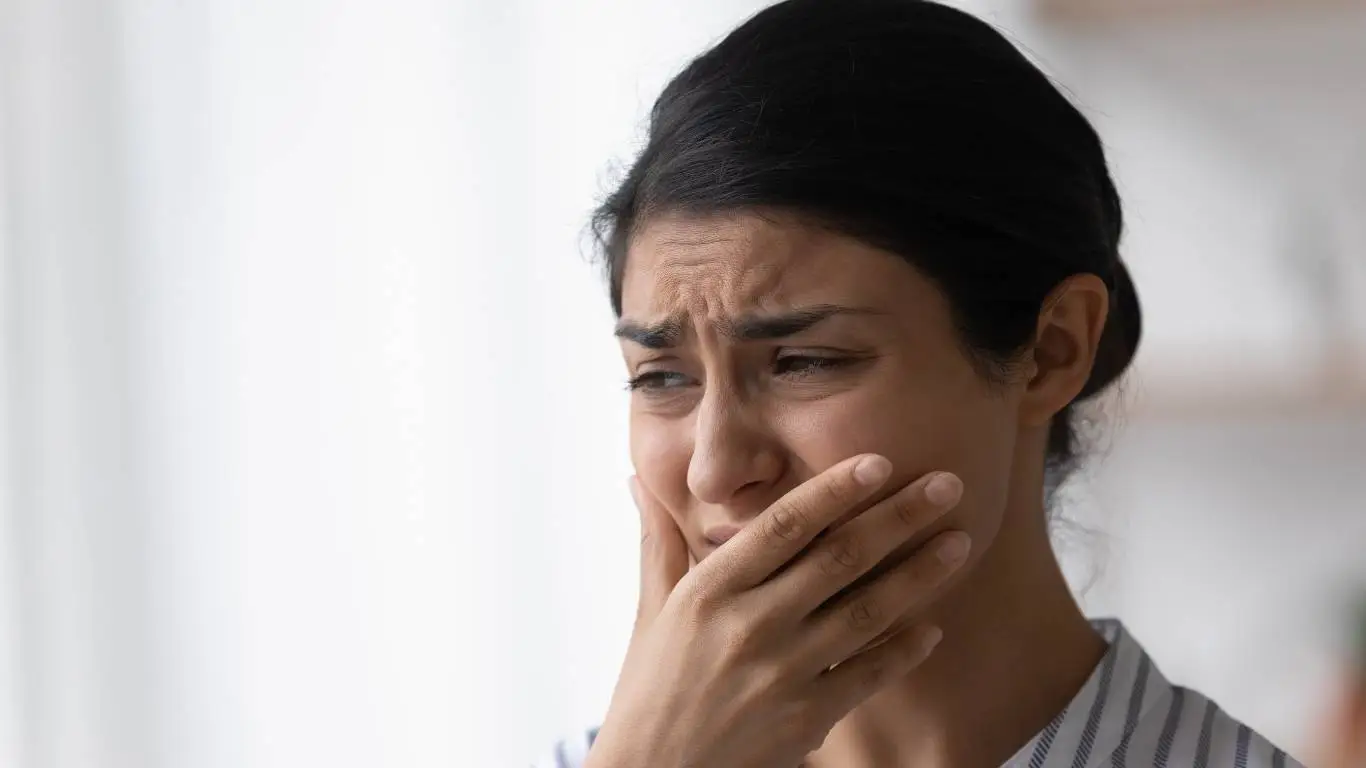
What finally helped me was a combination of awareness, therapy, and self-tracking. I kept a symptom journal, identified patterns, and explored options like therapy for anxiety disorders that actually targeted the root cause—not just the symptoms.
I also dove into understanding how lifestyle habits contribute. The comprehensive guide on anxiety symptoms you should never ignore was eye-opening.
Practical Ways to Ease Anxiety That Feels Like a Physical Illness
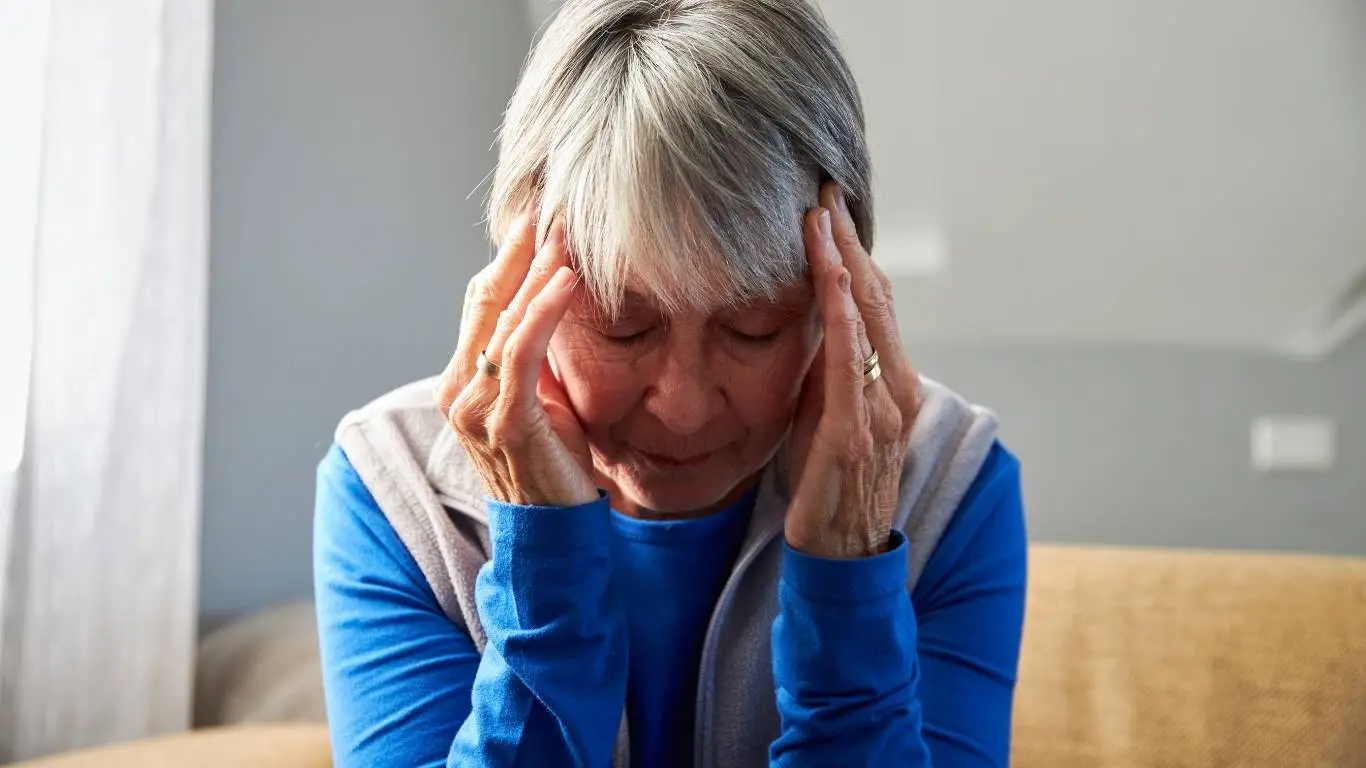
If anxiety is causing you to feel physically unwell, the good news is—you’re not stuck. Once I started recognizing these sensations for what they were, things shifted. It wasn’t overnight, but I slowly built a toolkit that helped me feel like myself again.
1. Learn to Breathe Again (For Real)
Seems basic, right? But when anxiety hijacks your body, your breath is the first thing to go. I didn’t even realize I was shallow breathing until a therapist pointed it out. Practicing structured breathing changed everything.
- Try 4-7-8 breathing: inhale 4 seconds, hold 7, exhale 8
- Or box breathing: 4-in, 4-hold, 4-out, 4-hold
This simple breathing technique made my chest pain ease up within minutes. No meds. No ER visits. Just breath.
2. Address the Physical Tension
One of my weirdest symptoms was waking up with a clenched jaw and aching shoulders—like I’d been in a fight all night. Turns out, anxiety stores itself in the body. I started doing progressive muscle relaxation before bed, and it helped break the cycle.
3. Track Your Symptoms (Not Obsessively)
Tracking helped me realize patterns I missed in the fog. My dizziness wasn’t random—it followed caffeine spikes. My chest pain happened after tense conversations. Understanding this gave me back control.
Try keeping a simple note of what you eat, your sleep, stress events, and how your body reacts. Apps can help, but a paper journal works just fine too.
4. Rethink Your Daily Habits
Some of my worst physical symptoms happened when I wasn’t eating well, sleeping enough, or drinking water (yeah, dehydration makes anxiety worse). Making small changes helped stabilize everything.
I leaned into what I found in this piece on anxiety lifestyle and self-help practices, and slowly built a routine that didn’t stress me out further.
5. Explore Professional Help
For a long time, I avoided therapy because it “wasn’t that bad.” When I finally started CBT, it was like putting on glasses for the first time. Everything clicked. It taught me how my thoughts were feeding my physical panic. You can explore CBT here: steps that actually work for anxiety.
Some people also find relief with medication. I personally tried an SSRI after discussing it with my doctor. It didn’t solve everything, but it took the edge off enough to let me work on deeper changes. This article offers an honest take on why SSRIs for anxiety are more effective than you might expect.
6. Avoid Over-Googling (Seriously)
I’m not judging—you’re reading this online after all. But there’s a difference between being informed and spiraling into Dr. Google’s rabbit hole. I learned the hard way that constantly researching symptoms only made them worse.
One trick I used? Give yourself a 15-minute “research window,” then move on. No more midnight deep dives on rare diseases.
7. Fuel Your Body Like It Deserves to Heal
I used to skip breakfast, drink two coffees by 10AM, and snack on sugar all afternoon. That was a recipe for disaster. Cleaning up my nutrition helped me feel grounded, literally. This guide on anxiety and nutrition really helped me get started.
The Power of Recognizing Anxiety for What It Is

It took me a while to accept that anxiety could cause such intense, physical feelings. But once I stopped fighting the idea, I finally started to feel better. You’re not imagining this. You’re not being dramatic. You’re not alone.
Millions of people live with anxiety that mimics illness—many go undiagnosed for years. But with the right understanding and support, you can navigate it, manage it, and even thrive through it.
If you’re noticing these symptoms in yourself or someone you care about, start with this comprehensive overview of types of anxiety disorders that may be silently affecting you. It gives a solid foundation for what to look out for and how to begin moving forward.
And if you’re wondering whether anxiety might be quietly shaping your everyday life without you realizing it, don’t miss this breakdown: how anxiety disorders can secretly control your daily life.
It’s not all in your head—your body just might be trying to tell you something your mind hasn’t caught up with yet.

Camellia Wulansari is a dedicated Medical Assistant at a local clinic and a passionate health writer at Healthusias.com. With years of hands-on experience in patient care and a deep interest in preventive medicine, she bridges the gap between clinical knowledge and accessible health information. Camellia specializes in writing about digestive health, chronic conditions like GERD and hypertension, respiratory issues, and autoimmune diseases, aiming to empower readers with practical, easy-to-understand insights. When she’s not assisting patients or writing, you’ll find her enjoying quiet mornings with coffee and a medical journal in hand—or jamming to her favorite metal band, Lamb of God.