Are Floaters from Screen Time Ruining Your Vision Comfort?
My eyes used to play tricks on me—especially after a long day staring at spreadsheets or binge-watching a show. Little specks, squiggles, or translucent blobs would drift across my vision. At first, I thought it was just fatigue or dust. But when they started showing up more frequently, I learned they were called eye floaters. What really caught my attention was the possible link between these floaters and my screen habits. If you’ve been wondering whether floaters from screen time are real, you’re not alone.
Understanding Eye Floaters: Not Just an Age Thing
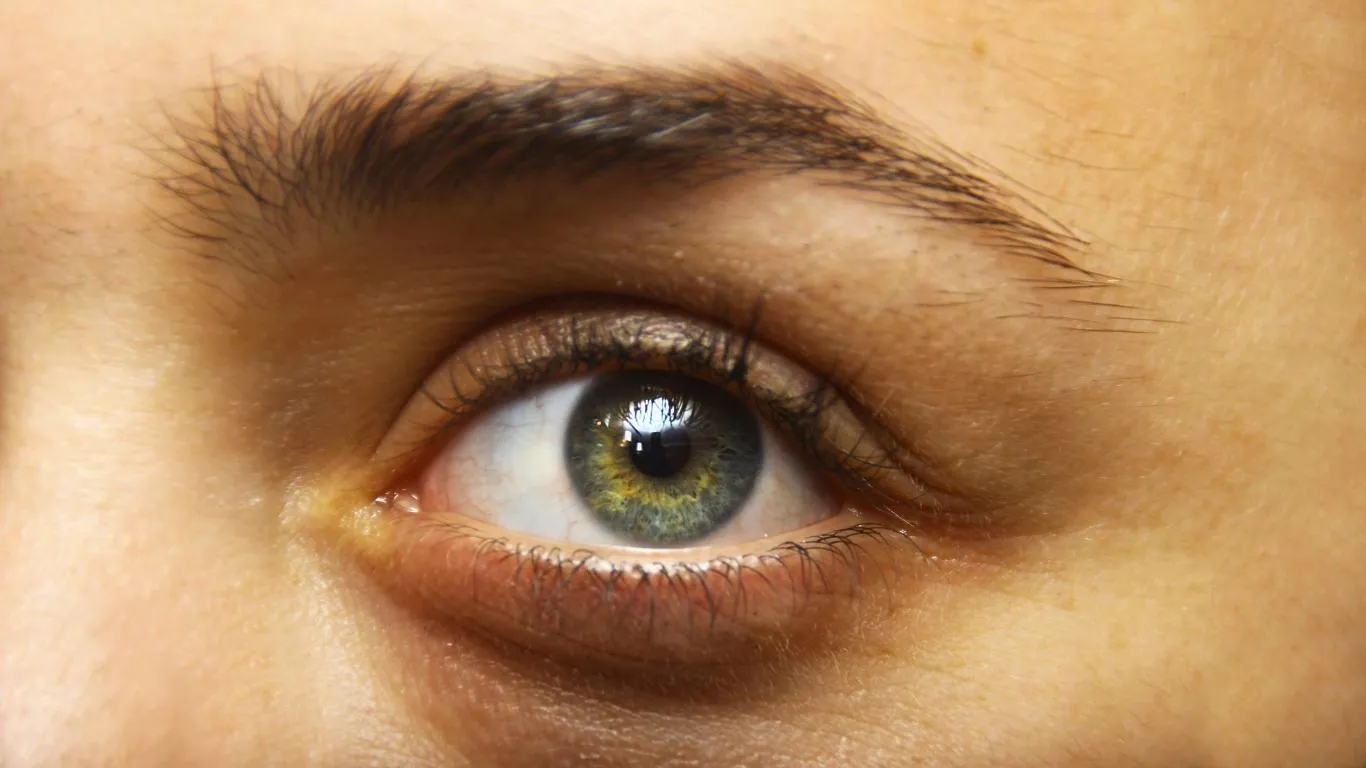
Eye floaters are those strange shadowy shapes that float across your vision when you stare at a bright background—like a computer screen or the sky. They’re often caused by tiny bits of collagen inside the vitreous (the gel-like substance in your eye) clumping together. As light enters the eye, these clumps cast shadows on the retina, resulting in what we perceive as floaters.
While floaters have long been associated with aging, many younger people are now experiencing them earlier. Could excessive screen exposure be accelerating the problem?
Can Too Much Screen Time Trigger or Worsen Floaters?
Let’s face it—we live in a digital world. Between laptops, phones, and tablets, it’s easy to rack up 8+ hours of screen time daily. But how does this impact our eyes?
1. Eye Strain and Vitreous Stress
Spending long hours in front of screens doesn’t directly cause floaters, but it can create the conditions that make them more noticeable—or possibly worsen them. Prolonged digital eye strain leads to reduced blinking and eye dryness, which can indirectly affect the vitreous by altering ocular hydration and increasing oxidative stress. Some researchers suggest that cumulative stress on the eye could impact the stability of the vitreous gel.
According to a 2020 study in the Journal of Clinical Medicine, prolonged screen exposure is associated with visual fatigue and symptoms that may make floaters more prominent to the viewer, even if they’re not increasing in number.
2. Light Intensity and High-Contrast Backgrounds
Screen brightness and contrast—especially when working in dark environments—can enhance the appearance of floaters. Floaters are more visible when you look at bright or plain backgrounds, which screens often provide. Ever notice how they stand out against a white Word document?
It’s not surprising then, that screen users who already have floaters might find them more distracting or intrusive over time.
Is It Just Floaters—Or Something More?
While screen time may make existing floaters more visible, it’s crucial to know when it could be something more serious. For example, if your floaters are accompanied by light flashes or a sudden increase in quantity, it could signal a retinal tear or detachment. That’s a medical emergency. Many people confuse harmless floaters with these more dangerous symptoms.
If you’re unsure, check out this guide on when eye floaters become dangerous. It outlines red flags you shouldn’t ignore.
Screen Habits That Could Be Making Things Worse
Here are a few everyday habits I had to re-evaluate when I realized my floaters weren’t going away:
- Using screens in the dark – This makes floaters pop out visually due to high contrast.
- Extended focus without breaks – The longer you focus without looking away, the more strained your eyes feel—and the more obvious those little floaters become.
- Skipping hydration – Dehydrated eyes are more prone to visual irritation. Interestingly, dehydration can make floaters worse.
- Not adjusting screen brightness – Too much brightness in a dim room is floaters’ best friend.
Can You Reduce Floaters or At Least Make Them Less Noticeable?
Here’s what helped me personally—not to eliminate floaters entirely (that’s a stretch for most people), but to make them less annoying day to day:
- Follow the 20-20-20 rule: Every 20 minutes, look at something 20 feet away for 20 seconds. It’s simple and surprisingly effective.
- Drink more water: Your eyes need proper hydration. I saw a difference after just a week of upping my intake.
- Blue light filters: Using night mode or blue light glasses helped reduce the intensity of floaters on my screen.
- Get sunlight—but safely: Natural light is easier on the eyes than harsh screen glare. Just don’t stare directly at the sun (seriously).
For more comprehensive natural methods, this article on natural ways to manage eye floaters is worth a read.
Other Hidden Factors That Could Be Making Floaters Worse
If your floaters seem worse on some days, you’re not imagining things. Factors like stress, blood sugar levels, or even poor sleep can impact how your eyes feel and how floaters appear. For example, stress is known to make floaters more noticeable, possibly due to increased cortisol affecting eye health.
Likewise, conditions like high blood pressure or diabetes can also play a role in worsening floaters. This makes it even more important to manage lifestyle factors—especially if you’re already spending hours glued to screens every day.
For a full overview of floaters—what causes them and what treatment options exist—check out our foundational guide: What Are Eye Floaters? Causes, Symptoms, and Treatment Options.
When to See an Eye Doctor About Floaters
Floaters from screen time might not always require a trip to the doctor—but sometimes, they do. Here’s how I figured out when it was time to stop Googling and actually get a professional involved.
- Sudden burst of new floaters – If it feels like someone shook a snow globe in your vision, don’t ignore it.
- Flashes of light – These can indicate retinal traction or detachment.
- Loss of peripheral vision – Especially if it’s like a curtain being drawn over your eyesight.
In these cases, it’s critical to get checked—urgently. A dilated eye exam can help rule out retinal tears or hemorrhage. I had one done last year, and while it turned out to be nothing serious, the peace of mind was totally worth it.
What Can Be Done About Persistent Floaters?
If you’re struggling with constant floaters and they interfere with your daily life, you do have options beyond just “living with it.” But each comes with caveats.
1. Vitrectomy: The Nuclear Option
This surgical procedure removes the vitreous gel entirely and replaces it with a saline solution. It’s usually reserved for severe cases because, let’s be honest—it’s invasive. Risks include cataracts and retinal detachment. Not something most floaters justify.
2. Laser Vitreolysis
A less invasive option, laser vitreolysis targets larger floaters and breaks them apart with pulses of light. Results vary. Some people swear by it. Others don’t see much change. The good news? It’s an outpatient procedure with a relatively fast recovery.
You can learn more about these treatment choices in our article on eye floater treatments—from doing nothing to going under the laser.
Digital Wellness Habits to Minimize Future Floaters
Here’s where we take control. Floaters from screen time might not be fully preventable, but you can certainly reduce the visual chaos and slow down progression. It all comes down to habits.
My Personal Toolkit for Digital Eye Comfort
- Ambient lighting: I stopped using screens in the dark. A soft desk lamp changed everything.
- Adjusting refresh rate: A 90Hz or 120Hz screen makes eye movement smoother, reducing strain.
- Anti-reflective lenses: My blue light glasses aren’t magic, but they reduce glare fatigue.
- Regular eye exercises: Look up “palming” and “focusing drills”—they help relax your eye muscles.
Most of these tweaks won’t eliminate floaters, but they do help make them less of a distraction. And if nothing else, your eyes will feel less like dried prunes at the end of the day.
Don’t Overlook the Role of Overall Health
Floaters might start in the eyes, but they’re also influenced by what’s happening in the rest of your body. Here are a few surprising connections I found:
- Diabetes – High blood sugar damages blood vessels, including those in the eyes. More on that here.
- High blood pressure – Can lead to retinal changes that worsen floaters over time.
- Stress and fatigue – Chronic tension may exacerbate how visible floaters appear. You’re not just imagining it.
It’s worth getting a full physical if your floaters are persistent or suddenly worsen. Your eyes might be signaling a broader health issue that needs attention.
Tips to Support Long-Term Vitreous Health
If you’re hoping to keep floaters at bay in the future—or slow their progression—here’s what I’ve added to my routine that seems to help:
- Antioxidant-rich diet – Think leafy greens, berries, and omega-3s. The idea is to reduce oxidative stress in the eyes.
- Lutein and zeaxanthin supplements – These nutrients support retinal health and may indirectly benefit the vitreous.
- Stay hydrated – Dehydration thickens the vitreous and may make floaters more noticeable. Here’s why that matters.
These aren’t miracle cures, but they form a solid baseline if you’re aiming to support your eye health over the long haul.
So… Are Your Screens Really to Blame?
Probably not entirely. But they’re not totally off the hook either. In my experience, screens didn’t “cause” my floaters—but they made me notice them more. And over time, screen-related habits like poor lighting, long sessions without breaks, and inadequate blinking contributed to eye fatigue that made everything worse.
If you’re noticing floaters more frequently, it’s smart to look at your digital lifestyle and ask, “Is this helping—or hurting?”
For anyone navigating this visual frustration, I highly recommend checking out how to recognize eye floaters and what your symptoms might mean.

Camellia Wulansari is a dedicated Medical Assistant at a local clinic and a passionate health writer at Healthusias.com. With years of hands-on experience in patient care and a deep interest in preventive medicine, she bridges the gap between clinical knowledge and accessible health information. Camellia specializes in writing about digestive health, chronic conditions like GERD and hypertension, respiratory issues, and autoimmune diseases, aiming to empower readers with practical, easy-to-understand insights. When she’s not assisting patients or writing, you’ll find her enjoying quiet mornings with coffee and a medical journal in hand—or jamming to her favorite metal band, Lamb of God.