Why Arnica Gel for Back Soreness Might Be the Relief You Need
For years, I shrugged off my back soreness after workouts and long workdays, thinking it was just part of getting older. Then one day, a friend handed me a small tube and said, “Try this — Arnica gel changed everything for me.” Skeptical but desperate, I gave it a shot. The cooling sensation kicked in almost instantly, and within a few days, I was walking around with noticeably less stiffness. That casual moment turned into a bit of a revelation. And honestly, that’s when I started digging deeper into what made this natural remedy work so well — especially for stubborn back pain.
What Exactly Is Arnica Gel and Why Do People Swear By It?

Arnica gel is a topical treatment made from the *Arnica montana* plant, a yellow mountain daisy that’s been used in European folk medicine for centuries. You’ve probably seen it in health stores or in the homeopathic aisle, often labeled for pain relief, swelling, or bruising. But how does it actually help with back soreness?
The star compounds here are *helanalin* and *flavonoids*, known for their anti-inflammatory properties. When applied to the skin, Arnica gel may help ease muscle stiffness, reduce inflammation, and even calm nerve-related discomfort. There’s growing interest in it as a more natural alternative to NSAIDs, which, let’s be honest, can wreak havoc on your gut if overused.
Science-Backed or Just Hype?
There’s legit research behind this stuff — several small-scale clinical trials suggest that topical Arnica can be nearly as effective as ibuprofen gels for pain relief, especially in conditions like osteoarthritis and muscle soreness. It’s not a miracle cure, but it definitely has a role — especially when paired with other conservative treatment options listed here.
Plus, the National Center for Complementary and Integrative Health (nccih.nih.gov) notes that Arnica shows promise when used short-term and on unbroken skin. So yeah, it’s not all pseudoscience.
Using Arnica Gel for Back Soreness: What to Expect

I’ll be honest — the first time I tried it, I wasn’t expecting much. But after a long day of sitting in a desk chair that barely supports my lower spine, rubbing Arnica gel into my lumbar area felt like hitting a reset button. It’s not greasy, absorbs quickly, and doesn’t have that overwhelming menthol scent that most pain balms carry. Here’s what you should know before you try:
- Apply sparingly: A little goes a long way. You don’t need to slather it on like sunscreen.
- Massage it in: The act of gently rubbing it into the sore spot also helps stimulate blood flow — win-win.
- Don’t use on broken skin: This isn’t a product for scrapes, cuts, or open wounds.
Within 15-20 minutes, I usually start feeling a subtle cooling, and the soreness dulls down a notch or two. For me, it’s part of my evening unwind routine — gel, heat pack, maybe a little stretching, and my back thanks me for it.
Best Times to Use Arnica Gel for Maximum Relief

Timing can make a huge difference. If you’re dealing with post-exercise soreness, apply Arnica gel right after your cooldown. It also works wonders after sitting for long periods (office workers and drivers, I’m looking at you). I’ve even used it before bed on flare-up days — helped me sleep better without tossing around like a broken action figure.
And if you’re recovering from a strain or minor muscle tear? Combine it with these tips for muscle strain recovery for better results. Some folks even use it alongside physical therapy routines — just make sure to check with your therapist or doctor first.
Pairing Arnica With Other Back Pain Solutions
Let’s not pretend that a gel alone will fix chronic issues. If you’re dealing with recurrent soreness or stiffness, you’ll want to take a multi-angle approach:
- Stretching: Incorporate these gentle back stretches after applying Arnica gel.
- Ergonomics: Your work chair might be part of the problem — check out ergonomic chair options.
- Diet: If inflammation is a recurring issue, an anti-inflammatory diet helps more than you think.
And yes, stay hydrated. It’s not sexy advice, but muscle tissue loves water, and dehydration can make soreness linger longer than it should.
Any Side Effects or Warnings?
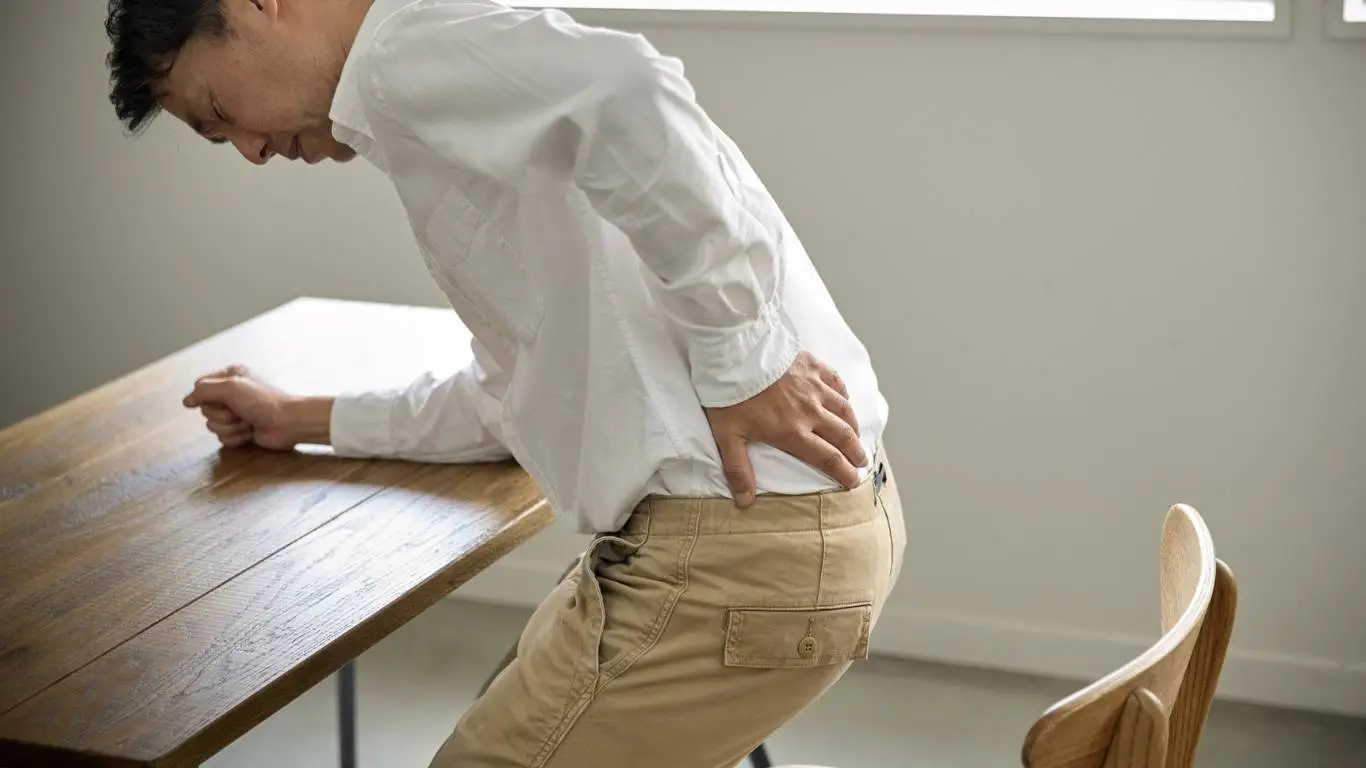
For most people, Arnica gel is well-tolerated. I’ve never had an issue, but I always recommend doing a patch test before slathering it on your back. Here’s a quick checklist:
- Don’t use it on broken or irritated skin.
- Avoid if you have allergies to plants in the Asteraceae family (like ragweed).
- Keep it away from your eyes and mucous membranes.
If you’re pregnant, breastfeeding, or taking blood thinners, check with a healthcare provider. The FDA hasn’t evaluated many homeopathic remedies, so it’s on us to use them smartly.
For a deeper understanding of the underlying types of back pain Arnica might help with, you can read more about it in our guide to types and anatomy of back pain. It’s helped me see which aches are just soreness and which ones mean I need to back off and rest.
On the broader side, there’s a great foundational article covering everything back pain — worth bookmarking if you’re dealing with more than occasional soreness.
When Arnica Gel Alone Isn’t Enough

Let’s be real — if your back soreness keeps creeping back like a bad habit, Arnica gel probably isn’t your silver bullet. Sure, it helps, but I learned the hard way that ignoring deeper causes only sets you up for longer recovery times. That’s when I realized I needed to look beyond just surface-level relief.
In my case, recurring lower back tension turned out to be tied to weak glutes and tight hamstrings (shoutout to my desk job). Turns out, this combo pulls on the lower back in all the wrong ways. Applying Arnica gel gave me temporary relief, but pairing it with proper rehab exercises made a long-term difference. If this sounds familiar, you might want to check out these deeper insights on weak glutes and hamstring tension.
Red Flags You Shouldn’t Ignore
Here’s a quick gut check: if your back soreness is accompanied by numbness, tingling, or radiating pain down your legs, stop relying on topical treatments alone. You could be dealing with something more serious like sciatica or disc issues. A good read on differentiating these is this guide on sciatica vs back pain.
And if your pain spikes at night or doesn’t ease with rest? That’s another flag. Learn what warning signs to watch out for here.
Arnica Gel in the Context of Holistic Back Pain Management

Over time, I started thinking of Arnica gel as one piece of a bigger back care puzzle — part of a “toolbox,” not a crutch. Here’s how I fold it into a more complete wellness routine:
- Posture correction: Using ergonomic chairs and standing desks (read why they matter).
- Gentle mobility routines: I like to use Arnica before light yoga. These poses are easy favorites.
- Anti-inflammatory diet: Loading up on omega-3s and turmeric — both known to reduce chronic inflammation. External read: pubmed.gov
Using Arnica gel before stretching or after a hot shower became part of my self-care ritual. It’s subtle, but it helps keep the edge off — especially after long days or workouts where my form wasn’t 100%.
How to Choose the Right Arnica Gel (Because They’re Not All Equal)

If you’re standing in front of a shelf full of options, here’s what I’ve learned from trial and error:
- Check the concentration: Look for products with a 7-10% Arnica montana extract — anything less might be too weak to notice.
- Avoid fillers: Skip products that list alcohol, petroleum, or synthetic fragrances high up on the ingredients list.
- Test texture: Some gels absorb fast, others leave a film. I prefer the quick-absorb ones — less mess, less risk of staining clothes.
Also, pro tip: Store it in the fridge. The cold boosts the soothing effect when applied — especially after workouts.
What If You Want to Go Beyond Topicals?

For people with chronic pain or degenerative spine issues, Arnica gel might not be enough. Some go down the physical therapy route, while others explore techniques like acupuncture, chiropractic care, or even emerging minimally invasive procedures. Check out this resource if your condition’s past the DIY stage.
That said, Arnica can still complement these methods — especially during recovery phases, when pain levels spike or after treatment sessions.
A Note on Efficacy: Why It’s Personal
The truth is, what works for me might not work the same for you. Our backs are complex systems influenced by posture, lifestyle, genetics, and even stress. (Ever noticed how your pain spikes during emotionally intense periods?)
For instance, I once had a coworker who swore by heat therapy alone. I need Arnica, stretching, and movement to feel functional. There’s no one-size-fits-all formula — that’s where the real trial-and-error comes in. If you’re still not sure where to begin, it’s worth brushing up on the natural back pain remedy landscape.
Practical Everyday Tips That Pair Well with Arnica Gel

- Switch up your sitting position every 20-30 minutes.
- Use a foam roller before and after applying Arnica for deeper tissue activation.
- Strengthen your core — not for abs, but for back stability.
- Get quality sleep on the right mattress (see these top choices).
And don’t underestimate stress relief. Chronic tension from emotional load can translate into physical back tightness. Techniques like mindfulness meditation (see nih.gov) and gentle breathwork might not seem connected at first, but they make a difference over time.
Where Arnica Fits In the Bigger Picture
If you’re just looking for fast relief after a tough workout, Arnica gel delivers. But if back soreness is becoming a lifestyle issue, dig deeper. Pair it with good posture, regular movement, and smart recovery practices. Learn from what your body’s trying to tell you — and if it whispers “rest,” listen the first time.
For more structured recovery, the article on exercise, rehab, and ergonomics ties everything together beautifully.
And don’t forget to circle back to our central hub on back pain essentials — you’ll find more ways to build your own routine that works without relying on painkillers or extreme fixes.

Camellia Wulansari is a dedicated Medical Assistant at a local clinic and a passionate health writer at Healthusias.com. With years of hands-on experience in patient care and a deep interest in preventive medicine, she bridges the gap between clinical knowledge and accessible health information. Camellia specializes in writing about digestive health, chronic conditions like GERD and hypertension, respiratory issues, and autoimmune diseases, aiming to empower readers with practical, easy-to-understand insights. When she’s not assisting patients or writing, you’ll find her enjoying quiet mornings with coffee and a medical journal in hand—or jamming to her favorite metal band, Lamb of God.