Why Back Pain After COVID-19 Infection Shouldn’t Be Ignored
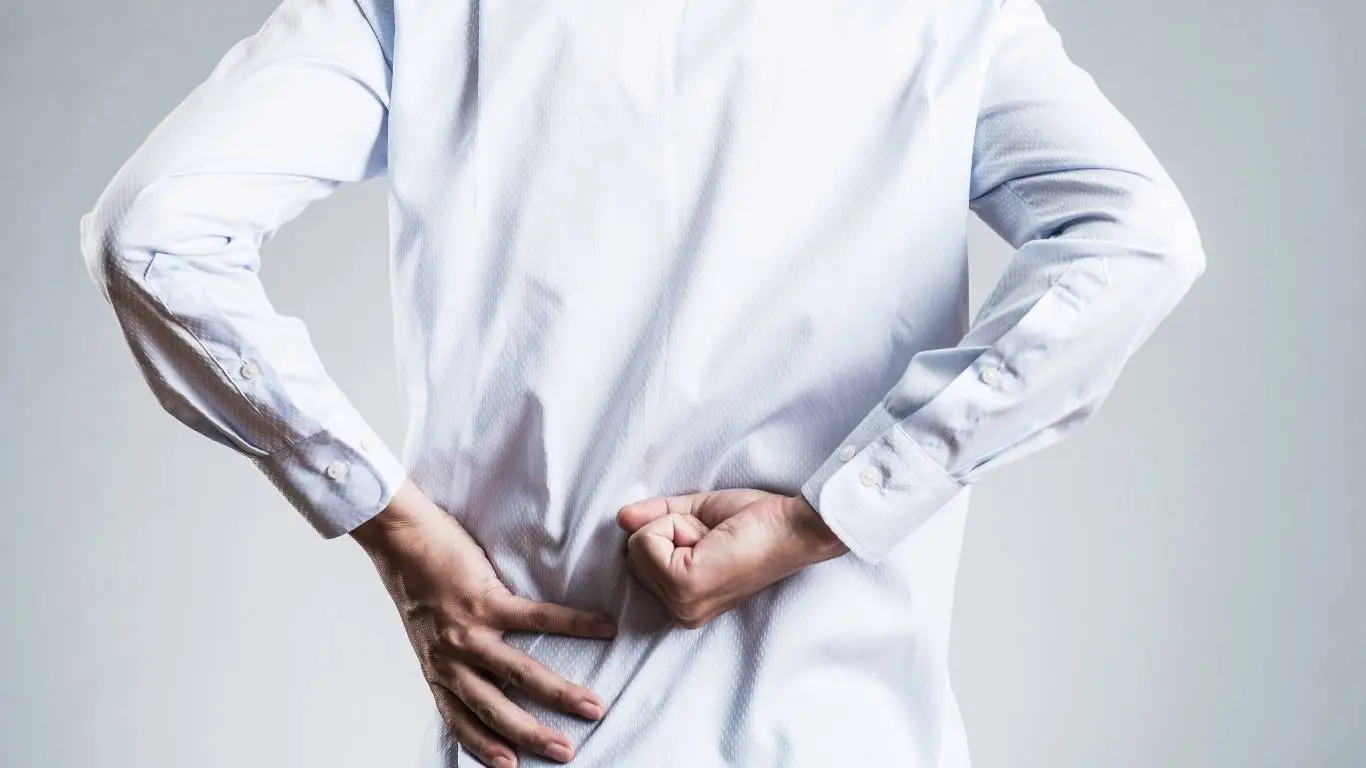
I never thought something as straightforward as back pain could creep in weeks after I had recovered from COVID-19. At first, I brushed it off as sleeping in a weird position or sitting too long while working from home. But when the ache in my lower back lingered and started disrupting my mornings, I knew it wasn’t the usual strain. Surprisingly, I’m not alone. A growing number of people are experiencing back pain after COVID-19 infection, and the reasons are more complex than you’d expect.
Understanding Post-COVID Back Pain
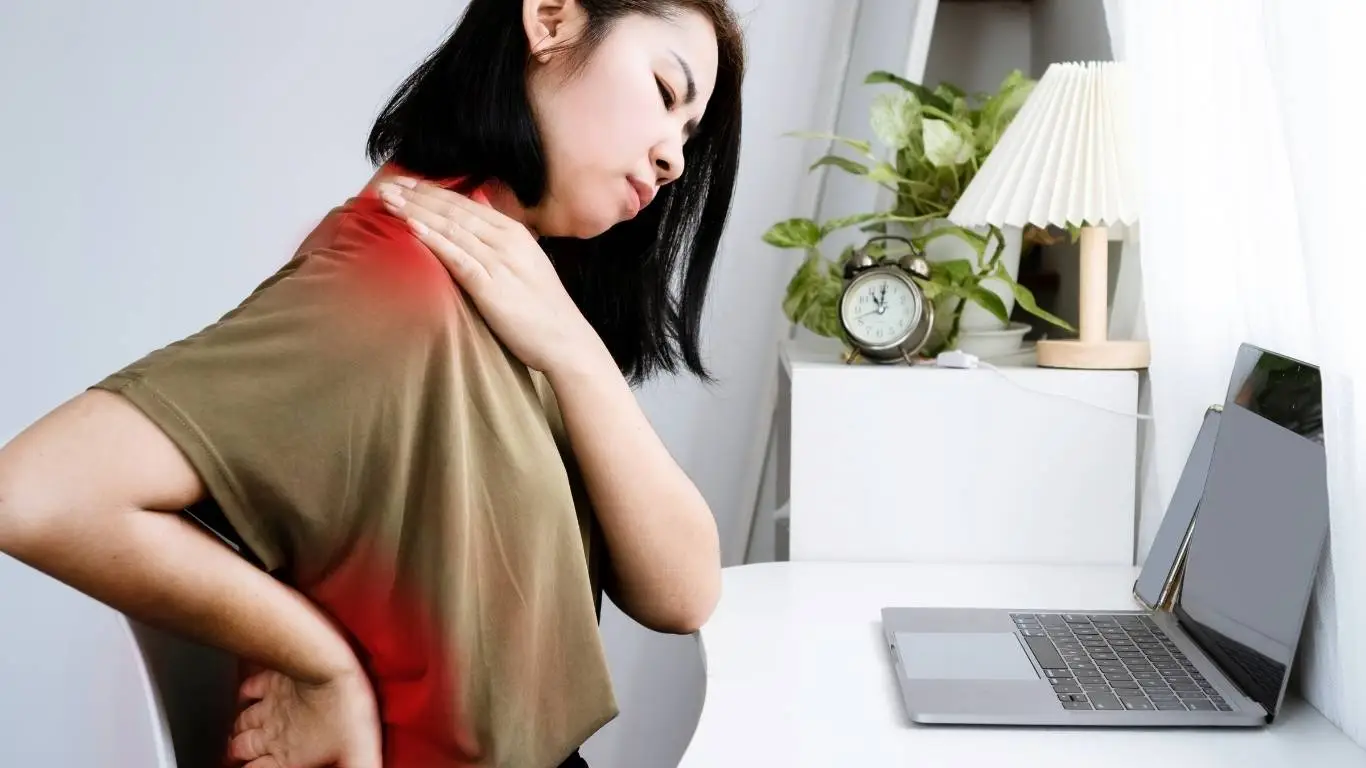
Back pain has become one of the more common lingering symptoms post-COVID, often grouped under the umbrella of “long COVID.” For some, the pain is dull and constant. For others, it’s sharp and intermittent. And unfortunately, it can affect the upper, middle, or lower back.
While back pain isn’t considered one of the primary COVID symptoms, emerging studies suggest that viral infections like SARS-CoV-2 may affect the musculoskeletal and nervous systems, either directly or indirectly. NIH and CDC data are increasingly acknowledging this post-viral inflammation as a trigger.
Why Your Back Still Hurts After COVID
- Prolonged Inflammation: COVID-19 can lead to a heightened immune response, which may cause prolonged inflammation affecting muscles and joints.
- Physical Inactivity: Bed rest, quarantine, or general fatigue during and after infection often results in muscle deconditioning.
- Nerve Involvement: The virus may cause irritation or inflammation in nerves that trigger pain radiating into the back.
- Stress and Anxiety: The emotional toll and physical strain can manifest in chronic muscle tightness.
Many individuals also report worsening pain after common movements like bending, sitting too long, or even light walking — which may suggest overlap with sciatic-related patterns in some cases.
What Does Post-COVID Back Pain Feel Like?

In my case, it was a low, throbbing ache in my lumbar spine, worse in the morning and slightly better after walking around. For others, it might feel like:
- Burning or tingling sensations in the lower back or down the legs
- Stiffness especially after sitting for extended periods
- Sudden twinges during everyday movements like tying shoes
If this sounds familiar, you’re not imagining it. Similar patterns are documented among people experiencing sudden sharp back pain after recovery.
Conditions That May Be Triggered or Worsened
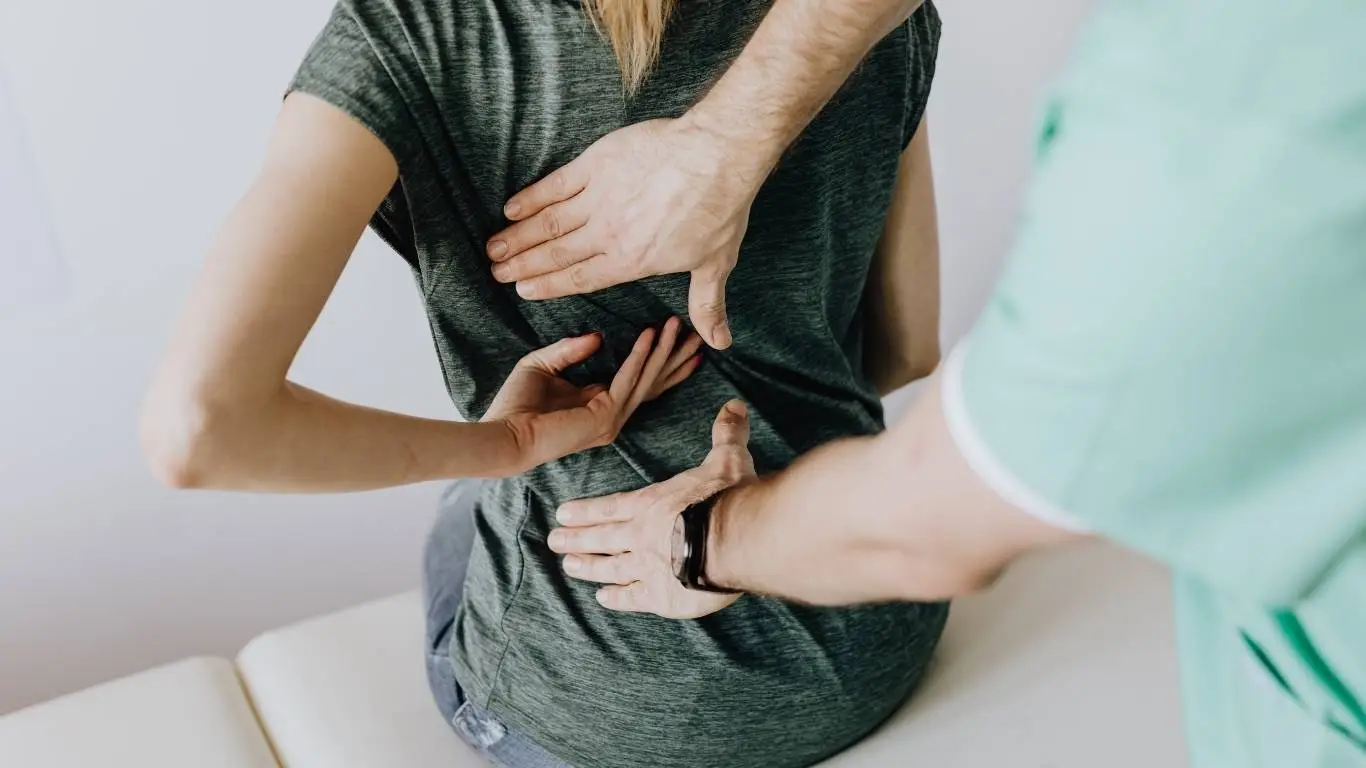
Post-COVID syndrome might unmask underlying musculoskeletal issues that were once silent. Some of these include:
- Herniated discs – especially if coughing was intense or prolonged
- Degenerative disc disease – sped up by inflammation or inactivity
- Muscle strain – due to compensatory movement patterns during recovery
If you’re noticing discomfort in the thoracic spine region or between the shoulders, it’s worth exploring more about causes of upper back pain that may be postural or viral in origin.
The Role of Inflammation and Autoimmunity
After COVID, some bodies enter a prolonged inflammatory state. This can affect not just the lungs or heart but also connective tissue, joints, and fascia. There are theories suggesting autoimmune-like reactions triggered by the virus may contribute to persistent pain, though research is still developing.
If you’ve had a condition like ankylosing spondylitis or fibromyalgia, post-COVID flare-ups may feel like a major setback.
How COVID-Affected Posture and Activity Makes It Worse

Let’s be honest: most of us spent far more time in bed or slouched on the couch than we’d care to admit during recovery. That downtime, although necessary, did a number on our posture and muscle tone. I caught myself hunching while working on my laptop in bed, and before I knew it, the back pain worsened.
There’s a strong connection between poor posture and chronic back pain, especially in post-COVID cases where weakness, deconditioning, and fatigue are already in play.
Common Posture Traps During Recovery
- Working from bed or soft couches with zero lumbar support
- Sleeping too long in the same position due to fatigue
- Lack of stretching or daily mobility routines
What Helps Relieve the Pain?
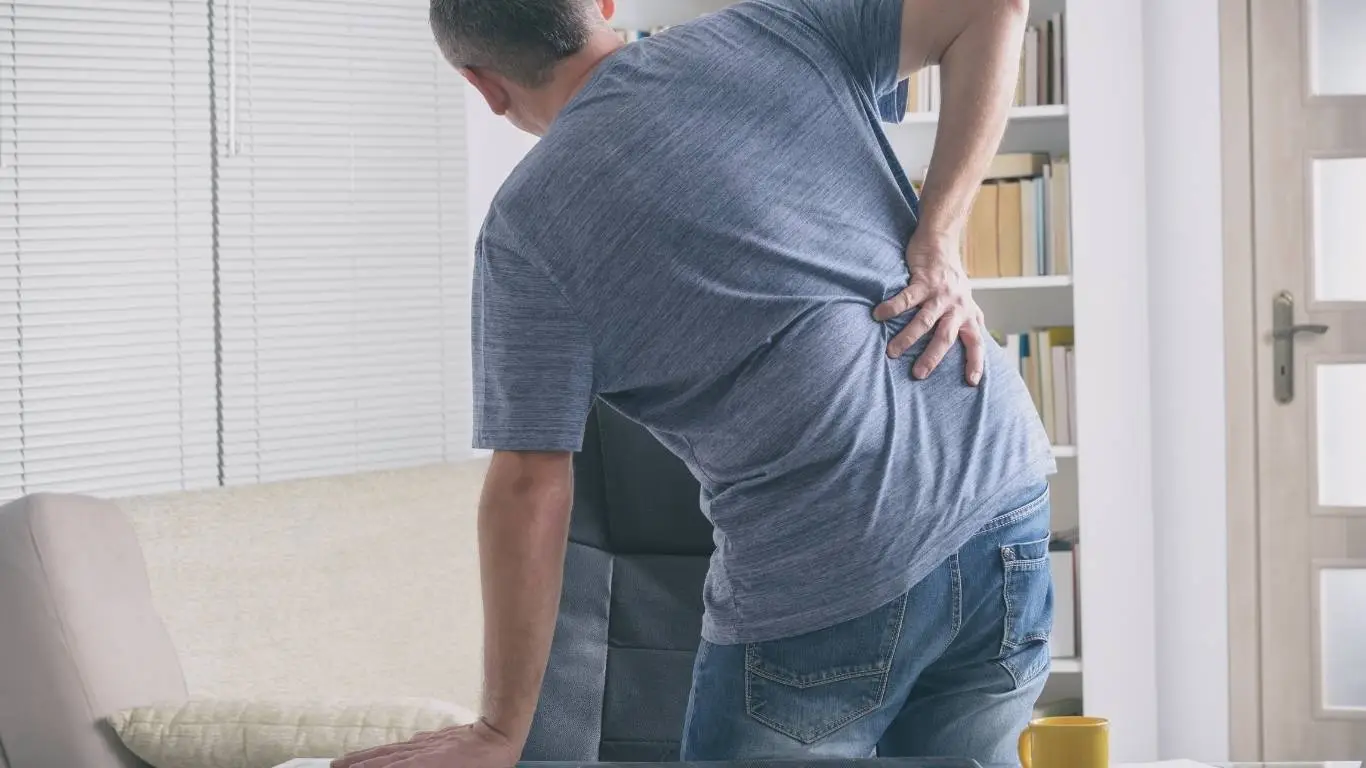
I found relief only after slowly reintroducing gentle movement. No, I didn’t jump into high-intensity workouts. It started with simple stretching, short walks, and eventually some yoga (which I was skeptical of at first, but it helped).
- Start with low-impact movement: Gentle yoga or stretching routines designed for back health can be incredibly effective. Here are the yoga poses I tried that eased my tension.
- Support your sleep: Back pain at night? A mattress that supports your spine alignment can be a game-changer. See top mattress options for back pain.
- Ergonomic changes: I swapped my desk chair for one that supports my lumbar region and started using a standing desk occasionally. Here’s why that helped.
If you’re still navigating back pain weeks or months after COVID, you’re not imagining it — and you’re not alone. This isn’t just about muscle soreness from inactivity; it’s a legitimate post-viral condition that requires attention.
You can explore more clinical insights and recovery strategies on our Symptoms & Diagnosis of Back Pain pillar and check the broader Back Pain Hub for holistic management approaches.
When to Worry: Red Flags You Shouldn’t Ignore

It’s easy to chalk up lingering pain as “just part of recovery,” but certain symptoms should never be brushed off. I made the mistake of delaying a doctor visit, thinking the pain would pass, and ended up needing treatment for a minor herniated disc made worse by inactivity.
- Back pain with fever, chills, or night sweats
- Loss of bladder or bowel control
- Numbness or tingling in legs or feet
- Severe pain not relieved by rest or OTC meds
These could be signs of more serious post-COVID complications. If you’re noticing anything off, it’s worth getting checked. This isn’t about paranoia—it’s about protecting your future mobility. For more, review this guide on red flags in back pain diagnosis that truly matter.
Is There a Medical Explanation for This?
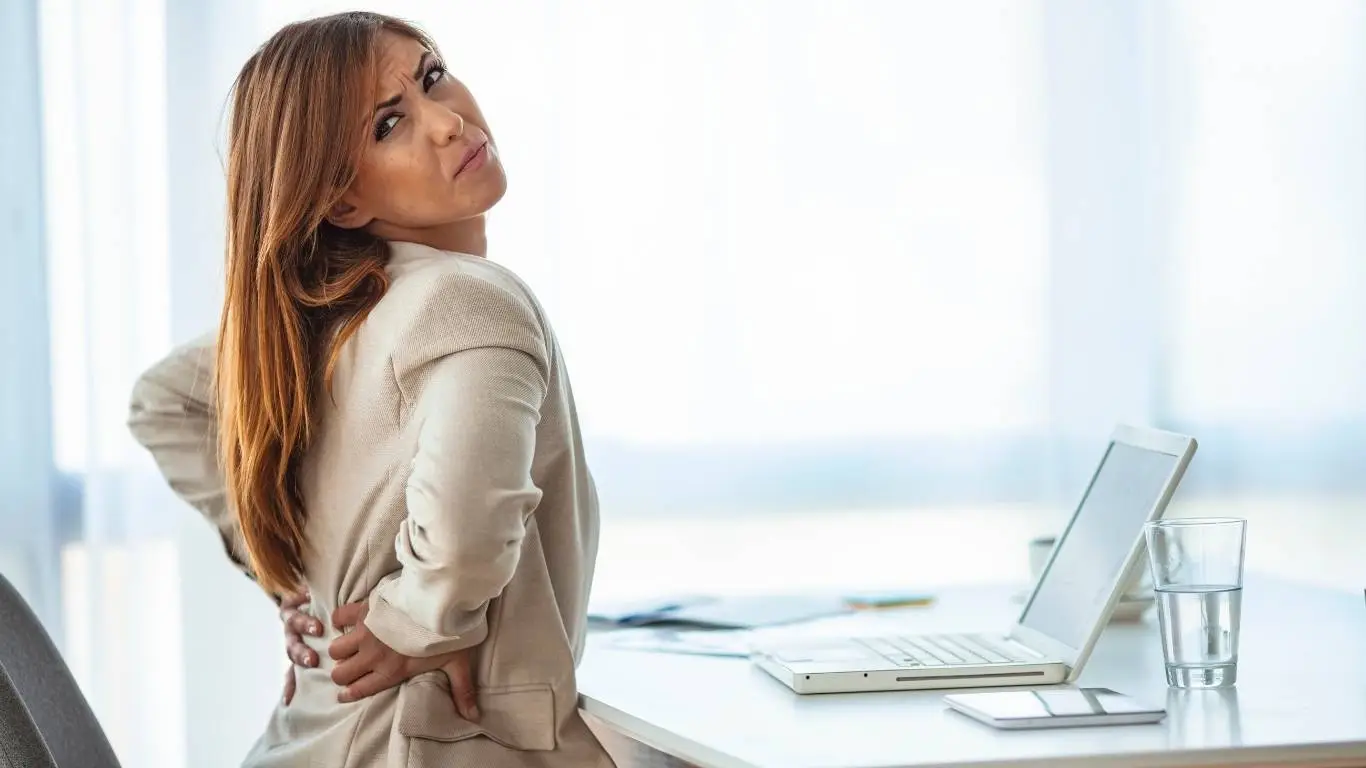
Some doctors theorize that long COVID can inflame the nervous system, irritating the spinal cord or nearby structures. Others suggest that it’s not the virus itself, but the body’s overactive immune response that causes problems.
In my case, my doctor ran imaging to rule out serious causes like lumbar radiculopathy and spinal instability. Thankfully, it wasn’t serious—but many people aren’t so lucky. Emerging studies continue to explore the connection between viral infections and musculoskeletal disruption.
And if you think you’re just being dramatic, know this: even healthy people with no prior back issues have developed new-onset chronic pain post-COVID. You’re not imagining things.
Effective Recovery Tips That Actually Help
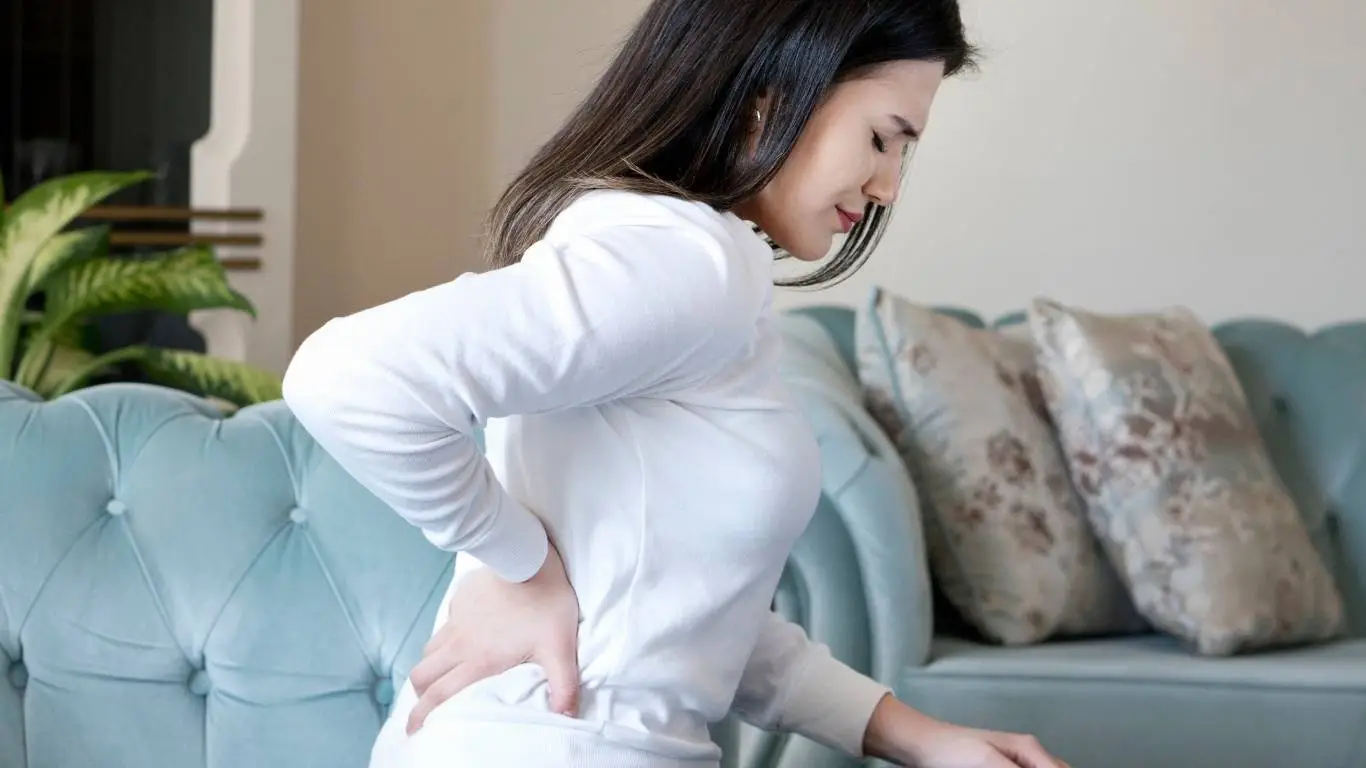
What finally helped me was stacking small wins. I focused on consistency—not intensity. Here’s what worked and what didn’t:
- Daily mobility routines: Even 5–10 minutes of stretching each morning made a big difference. I followed some of the best stretches for back pain to reintroduce movement.
- Anti-inflammatory nutrition: Swapping in more turmeric, omega-3s, and whole foods made my recovery smoother. I found this anti-inflammatory diet guide surprisingly helpful.
- Heat + cold therapy: Rotating hot compresses and ice packs relieved soreness. This guide on how and when to use heat vs cold helped me do it right.
- Massage therapy: Whether professional or self-massage, it reduced tightness in my lower back. Read more on massage therapy for back relief.
Interestingly, strengthening my glutes and correcting muscle imbalances also eased the pain dramatically. Turns out, weak glutes can force your lower back to overcompensate. I recommend this resource on glute strength and back strain.
Professional Treatments to Consider (If Home Remedies Fail)
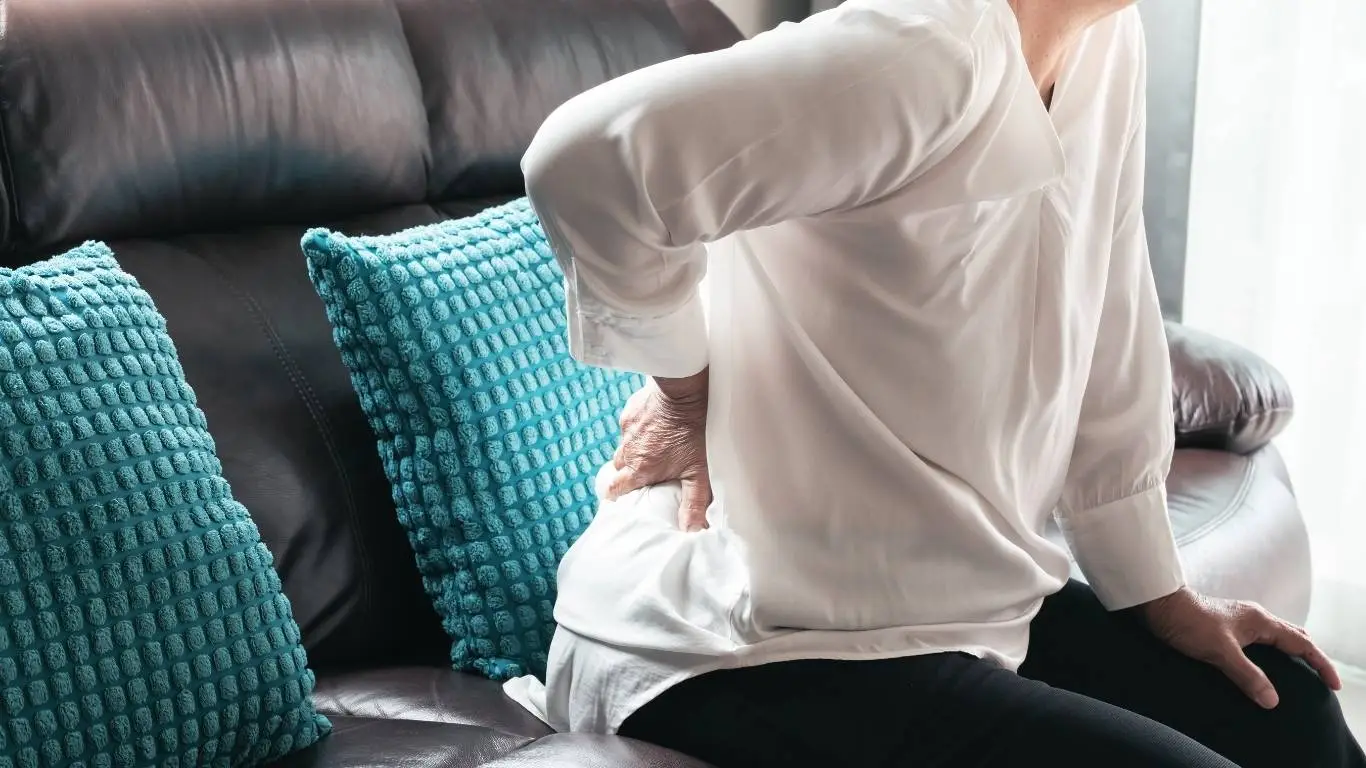
Sometimes, no matter how disciplined you are, you hit a plateau. That’s when professional intervention may help. I personally explored chiropractic care, and while it’s not for everyone, it made a noticeable difference in my case.
- Chiropractic Adjustments: Safe and gentle techniques may offer relief from postural misalignments caused during recovery. Explore chiropractic for back pain.
- Acupuncture: A few sessions helped relieve tension and improved circulation in my back. Here’s why acupuncture is gaining ground in chronic pain management.
- Osteopathic Manipulative Therapy (OMT): A gentle alternative used by DOs to support recovery. Learn more at OMT for chronic pain.
- Virtual Physical Therapy: Accessible care for those recovering at home. Read more on virtual PT options.
Always consult a healthcare professional before starting any new treatment. Diagnostic imaging like MRI may also be useful. If you’re unsure when to escalate care, this article on how MRIs guide back pain diagnosis may help you decide.
Can You Prevent It From Coming Back?

That’s the million-dollar question. The answer? You might not prevent it entirely, but you can stack the odds in your favor. These strategies helped me keep flare-ups in check:
- Build a movement habit: Even if it’s just walking after lunch.
- Ergonomic workspace: Use proper lumbar support, desk height, and a good chair. Try this breakdown of ergonomic chairs for pain relief.
- Core strengthening: Your spine needs a support system—your core is it. Consider routines that also protect your back.
- Mind-body connection: Stress and back pain go hand in hand. These stress reduction techniques were game-changers.
If you’re just coming out of COVID and wondering whether that back ache is “normal,” trust your gut. Take it seriously, address it early, and don’t be afraid to try a mix of strategies. Post-viral recovery is real, and you deserve to heal fully—not just survive it.
Explore more holistic lifestyle support through the Lifestyle, Diet & Natural Remedies Pillar and stay updated on broader solutions on our Back Pain Resource Hub.

Camellia Wulansari is a dedicated Medical Assistant at a local clinic and a passionate health writer at Healthusias.com. With years of hands-on experience in patient care and a deep interest in preventive medicine, she bridges the gap between clinical knowledge and accessible health information. Camellia specializes in writing about digestive health, chronic conditions like GERD and hypertension, respiratory issues, and autoimmune diseases, aiming to empower readers with practical, easy-to-understand insights. When she’s not assisting patients or writing, you’ll find her enjoying quiet mornings with coffee and a medical journal in hand—or jamming to her favorite metal band, Lamb of God.