
How Sedentary Gaming Habits Lead To Back Pain And What Helps
If you’ve ever found yourself hunched over a controller for hours, only to stand up and feel that dull ache radiating through your lower back, you’re definitely not alone. I used to brush it off—“just part of the grind,” I’d say after long gaming marathons—but the discomfort eventually turned into a daily struggle. It’s the kind of back pain that creeps up subtly, worsens over time, and becomes a constant companion if left unchecked. This isn’t just about poor posture or an old chair—it’s about how gaming habits, especially sedentary ones, reshape the way our back supports us. Let’s break down what’s really going on and how we can take control before the damage becomes permanent.
Why Gaming Posture Is Worse Than You Think

We often underestimate how much damage we’re doing by leaning forward, slouching, or sitting too long without breaks. Unlike office work—where ergonomic awareness is at least discussed—most gamers set up their play area for performance, not posture. But that “lean-in” intensity? It compresses the lumbar spine, tightens hip flexors, and destabilizes the core.
The Core Problem: Static Load on Spine
Your spine wasn’t designed to hold a single position for hours. Yet that’s exactly what gaming demands. Holding a controller or mouse for extended periods causes micro-stress on spinal structures, particularly in the lumbar and thoracic regions. Over time, this leads to muscle imbalances and joint stiffness.
The Real-World Impact of Hours in the Same Spot
After I pulled a 10-hour gaming session during a weekend tournament, I noticed my lower back wasn’t just sore—it felt locked. Turns out, prolonged sitting compresses the intervertebral discs and reduces blood flow. It’s no surprise that back pain from prolonged sitting is becoming a major issue, especially among younger adults and esports enthusiasts.
Back Pain Triggers Hidden in Your Gaming Setup

Cheap Chairs and Non-Ergonomic Desks
I made the mistake of buying one of those budget gaming chairs that *looked* cool but lacked real lumbar support. Within weeks, my lower spine started protesting. Chairs that don’t offer adequate cushioning or adjustable support place excess pressure on the lower vertebrae.
- No lumbar curve = your spine flattens
- No arm support = shoulder tension travels to your back
- No seat depth adjustment = your posture crumbles
Monitor Height and Screen Distance
If your monitor sits too low or too far, you naturally lean forward. That means your thoracic spine rounds and your head juts forward—classic recipe for mid-back and neck pain. Experts from spine-health.com recommend setting the top of your monitor at eye level and about an arm’s length away.
Unnoticed Tension from Mouse and Controller Use
Gamers often grip their devices tighter than they realize. This tight grip, combined with poor arm support, strains the upper back and traps. Over time, that tightness creeps into your mid-back and eventually affects your lower spine’s alignment.
Muscle Imbalances Caused by Gaming Posture

One of the biggest problems? Sedentary gaming leads to “dormant butt syndrome.” Yes, that’s a real thing. Your glutes go to sleep while your hip flexors shorten from sitting too long. This imbalance causes your pelvis to tilt forward—called anterior pelvic tilt—which directly strains the lower back.
- Weak glutes → less support for lumbar spine
- Tight hip flexors → pulls pelvis into poor alignment
- Underused core → stability issues during everyday movement
There’s a solid breakdown on this in weak glutes and lower back strain and tight hamstrings and back pain articles that dive deep into this exact issue.
How Gaming Triggers Chronic Pain Pathways

When your body experiences constant low-grade stress, it starts to interpret this as chronic pain. Add in the lack of movement, poor blood flow, and repeated tension, and your nervous system begins to “memorize” pain. That’s how occasional soreness turns into persistent back pain. According to ncbi.nlm.nih.gov, this neurological feedback loop is a key factor in chronic musculoskeletal pain among sedentary populations.
Warning Signs It’s Not Just a Sore Back
If your back pain lasts more than a few days, spreads to your hips or legs, or interferes with sleep, you could be dealing with something more serious. Articles like red flags in back pain diagnosis highlight when it’s time to stop blaming your chair and start looking at nerve involvement, disc problems, or spinal conditions.
Simple Tweaks That Help (More Than You Think)

Before diving into any extreme interventions, small setup changes can make a world of difference. I personally started standing between matches, adjusting my chair height, and adding a lumbar support cushion. Within a week, my lower back felt noticeably looser.
- Use lumbar support or a rolled towel behind your back
- Stand and stretch every 30-45 minutes
- Upgrade to an adjustable desk setup if possible
- Strengthen core muscles with planks and bridges
And if you’re looking for broader advice on exercises and setups, the detailed guide on exercise, rehabilitation, and ergonomics is packed with useful routines and posture corrections you can apply immediately.
For a full overview of all related causes and habits that contribute to recurring back pain, check the comprehensive overview here: Back Pain Main Article.
How to Reverse the Damage from Sedentary Gaming

Once you’ve identified gaming posture as the root cause, it’s not enough to just adjust your chair and call it a day. I learned this the hard way. You’ve got to recondition your body—undo years of muscle imbalance, stiffness, and neglected movement. Good news is, it’s absolutely possible. But like leveling up a character, it takes consistent effort.
Stretching: Your First Line of Defense
I underestimated stretching for years. Now it’s a daily ritual—simple moves like the kneeling hip flexor stretch or standing back extensions make a massive difference. And I’m not talking about overcomplicated yoga flows—just basic stretches that target the spots gaming locks up.
- Hip flexors: loosen tight muscles that tilt the pelvis
- Hamstrings: lengthen back-chain tension
- Thoracic spine: improve mid-back mobility
This stretching guide for back pain gives you the most practical movements tailored for gamers or anyone desk-bound.
Build the Muscles That Protect Your Spine
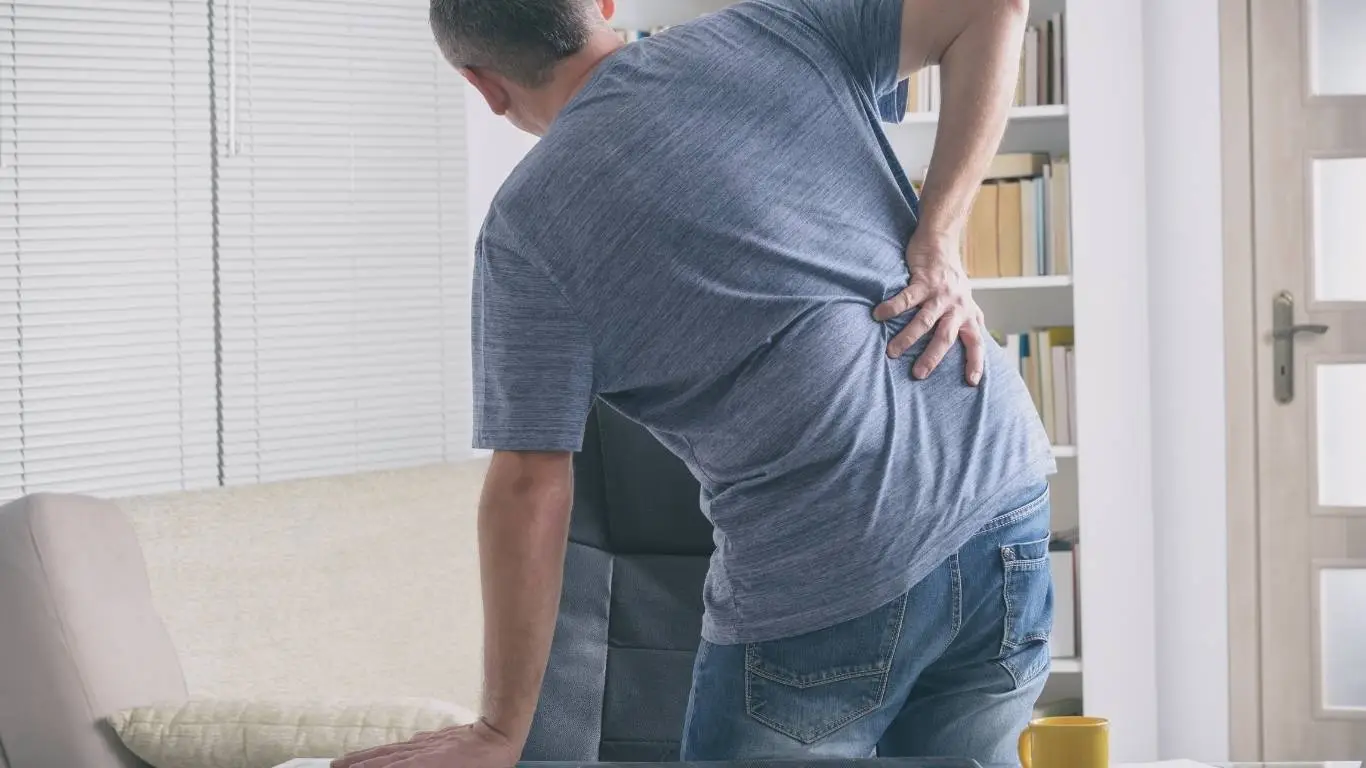
Let’s be real—most gamers aren’t lining up for CrossFit or deadlift PRs. But you don’t need a gym membership to start building the muscles that protect your back. I started with bodyweight glute bridges and planks between games, and within a month, I felt stronger, more stable, and oddly… taller.
Top Muscle Groups to Focus On
- Glutes: stabilize hips and reduce lumbar stress
- Core: support spinal alignment and balance
- Upper back: pull shoulders back and open up posture
For targeted routines, the article on back pain–relieving yoga offers simple poses that actually work—even if you’re not the stretchy type.
Rethinking Your Gaming Routine for Back Health

The real breakthrough for me came when I stopped treating movement like a chore. Now it’s built into my gaming flow. Between rounds, I walk a few steps. During cutscenes, I stretch. Sounds basic, but those micro-breaks reset my spine and keep tension from building up.
Simple Routine Tweaks That Stick
- Set a timer to stand every 30-45 minutes
- Use commercial breaks or load screens for mini stretches
- Alternate between sitting and standing if possible
- Gamify your breaks—unlock a stretch streak, not just achievements
Looking for back-friendly setups? Check out these ergonomic chair recommendations that are actually designed with support in mind—not just flashy designs.
When to Seek Help (And Who to Talk To)

If your back pain sticks around even after changing your setup, stretching, and strengthening—it’s time to go beyond DIY. I held off for too long, thinking I could “tough it out,” but eventually I visited a physical therapist. Best decision I ever made. They spotted a subtle pelvic misalignment I’d never have noticed on my own.
Here are some options that worked for me and people in my community:
- Chiropractic care: good for alignment issues (read more here)
- Physical therapy: tailored rehab exercises
- Massage therapy: relieves chronic tension (helpful guide)
Sometimes, persistent pain might hint at deeper issues. This herniated disc overview explains why you shouldn’t ignore it if the pain shoots down your legs or keeps you up at night.
Supportive Tools and Daily Habits That Make a Difference

It’s not all about posture and movement—tools matter too. Here are a few game-changers I wish I’d started using earlier:
- Lumbar cushions to support natural spine curve
- Supportive footwear if you’re using a standing desk
- Better sleeping posture to aid recovery overnight
Want the full picture on long-term, non-invasive recovery strategies? Check the guide on conservative back pain treatments. It covers everything from natural remedies to smart recovery tools backed by evidence—not hype.
If you want to explore the big-picture factors that lead to this pain cycle, the main back pain resource walks through anatomy, causes, and prevention for every kind of back pain—gaming-related or not.

Camellia Wulansari is a dedicated Medical Assistant at a local clinic and a passionate health writer at Healthusias.com. With years of hands-on experience in patient care and a deep interest in preventive medicine, she bridges the gap between clinical knowledge and accessible health information. Camellia specializes in writing about digestive health, chronic conditions like GERD and hypertension, respiratory issues, and autoimmune diseases, aiming to empower readers with practical, easy-to-understand insights. When she’s not assisting patients or writing, you’ll find her enjoying quiet mornings with coffee and a medical journal in hand—or jamming to her favorite metal band, Lamb of God.