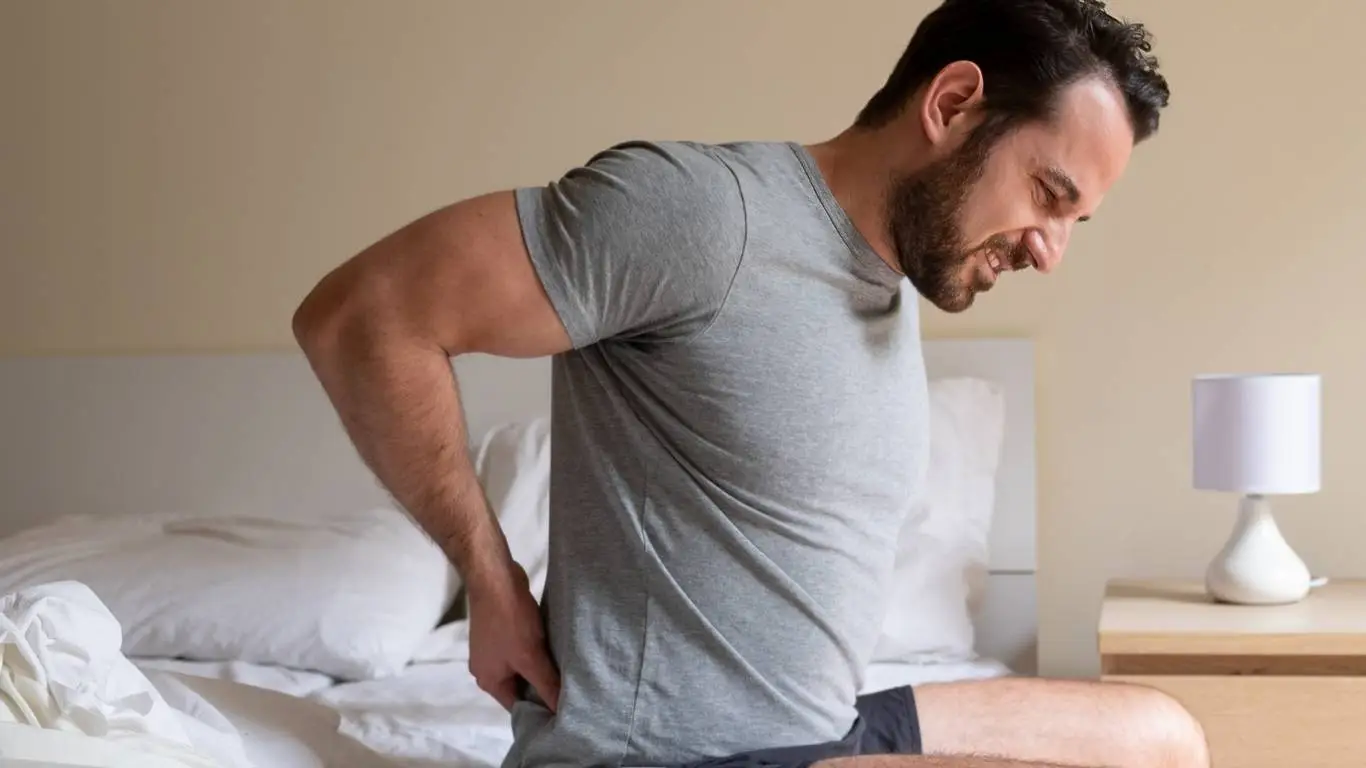
Why Back Pain From Elliptical Machine Use Can Worsen Over Time
Using an elliptical machine used to be my go-to for a low-impact cardio session. It felt smooth, joint-friendly, and almost meditative—until my lower back started to ache. At first, I brushed it off as muscle fatigue, but when it lingered and flared up after every workout, I knew something wasn’t right. Turns out, I wasn’t alone. Back pain from elliptical machine use is more common than most gym-goers realize. Whether you’re a seasoned elliptical user or just starting out, it’s crucial to understand how this seemingly harmless workout can end up hurting your back—and what you can do to prevent it.
Why Elliptical Machines Can Cause Back Pain

Elliptical machines are designed to offer a cardio workout that reduces pressure on the knees and hips. But ironically, they can do a number on your back if used improperly. Here’s why:
Poor Posture and Form
If you’ve ever caught yourself slouching forward, leaning too hard on the handles, or locking your knees, welcome to the club. That bad posture can quietly strain your lumbar spine. Over time, even minor misalignments during a 30-minute workout build up stress in your lower back. This issue is often overlooked but directly linked to chronic pain.
Overuse Without Core Engagement
One big lesson I learned the hard way: elliptical workouts demand more than just foot motion. Without active core engagement, your spine has to compensate. That’s where the discomfort starts. The repetitive motion can fatigue the lower back muscles, especially if your abs are on vacation during your session.
Incorrect Machine Settings
Stride length, resistance level, and incline—these aren’t just buttons. If your machine settings don’t match your height, leg length, and fitness level, you’re inviting pain. Overextended strides can cause your pelvis to tilt awkwardly, tugging at the lower back. A great breakdown on how repetitive movements without proper setup affect your spine is worth the read.
Common Types of Back Pain From Elliptical Use

Lower Back Tightness
This is usually the first symptom most people notice. It feels like a dull ache that sets in during or shortly after using the machine. It’s often a sign that your hip flexors are doing too much, and your glutes aren’t pulling their weight.
Sacroiliac Joint Pain
The elliptical’s gliding motion can irritate the sacroiliac joint if you’re not evenly balanced. That small joint between your spine and pelvis is sensitive to asymmetrical movement. If you’re dealing with this, check out this guide on managing SI joint dysfunction.
Referred Pain and Muscle Imbalances
What starts in the back often radiates down into the legs due to nerve irritation or muscle compensation. In some cases, imbalances between glutes, hamstrings, and hip flexors can misalign your pelvis and compress spinal nerves.
How to Prevent Elliptical-Related Back Pain

Fix Your Form First
- Stand tall, not hunched
- Engage your core throughout the session
- Keep a light grip on the handles—avoid leaning
Think of it like dancing with a partner: you move together, not drag each other around. Also, alternate between using the handles and going hands-free for balance training.
Adjust Your Machine Properly
Your stride should feel natural. Too short or too long can throw off your pelvic rhythm. If you’re working out daily or long hours, small misalignments will catch up fast.
Warm Up and Stretch Strategically
Jumping straight on the elliptical without prepping your body is asking for stiffness. Try this simple warm-up routine:
- Cat-cow stretch (1 min)
- Standing hip circles (30 secs each side)
- Glute bridges (2 sets of 10 reps)
After the workout, hit the floor for hip flexor stretches, spinal twists, and a foam roller session. And no, stretching isn’t optional.
Train Your Core—Off the Machine
One of the best things I did for my back pain was to focus on core stability exercises like bird-dogs, dead bugs, and planks. A strong core acts like a natural back brace. For more, check out the tips in the exercise and rehabilitation pillar—some gold nuggets in there.
When Back Pain Means You Should Stop

Red Flags You Shouldn’t Ignore
- Pain radiating into your legs
- Numbness or tingling
- Pain that worsens at night or lingers more than a week
If any of these sound familiar, don’t just switch cardio machines. You may be dealing with something more serious like a herniated disc or lumbar radiculopathy. This deep dive on herniated discs lays out the warning signs pretty well.
Also worth bookmarking is this helpful guide to causes of back pain—it ties in a lot of the mechanical issues that pop up from repetitive movement.
If your symptoms align with something more clinical, the main back pain resource center can guide you through different pathways, from conservative treatments to diagnostic tools used by spine specialists.
Long-Term Fixes for Elliptical-Related Back Pain

After I ditched the quick-fix mentality, I realized long-term relief came down to consistent habits—both in and out of the gym. Here’s what actually moved the needle for me and countless others who dealt with elliptical-induced back pain.
Build Posterior Chain Strength
Your glutes, hamstrings, and spinal erectors do the heavy lifting—literally—when it comes to back support. If these muscles are weak, your body shifts the burden to your lower back. Start with:
- Romanian deadlifts (lightweight, high rep)
- Single-leg glute bridges
- Reverse lunges
It’s wild how quickly the pain decreases when you strengthen the right muscles. If you suspect muscle imbalances are involved, you’ll find this glute and lower back strain breakdown helpful.
Mobility > Flexibility
Stretching is nice, but mobility training is what frees up stiff joints that cause compensation patterns. My go-tos are:
- 90/90 hip mobility drills
- Thoracic spine openers with foam roller
- Deep lunge with spinal twist
For context, tight hamstrings alone can pull on your pelvis and cause tilt issues during elliptical use.
Dialing In Your Home Elliptical Ergonomics

Most people use whatever elliptical machine they can afford or access, but if it doesn’t fit your body, you’re playing with fire. Don’t let price tags fool you—comfort beats brand every time.
Stride Length and Resistance
The ideal stride should feel like you’re walking naturally. If you’re a shorter person forced into an extended stride, your pelvis and lower back will take the hit. I had to switch to a machine with adjustable stride to finally stop the aching. Keep resistance moderate—too much torque early on is a rookie mistake.
Footwear and Foot Position
Ever notice your feet going numb on the elliptical? That’s usually a sign of improper alignment or pressure points. Good cross-training shoes with a cushioned midsole help absorb some of the vibration. For more details on why it matters, check out this resource on footwear and spinal health.
Posture Cues and Feedback
If your machine has a screen, tilt it so your neck stays neutral. Consider placing a mirror to the side—not in front—to observe your spinal alignment. It may feel awkward at first, but small visual feedback loops prevent long-term damage.
Integrating Complementary Therapies
I used to be skeptical of non-traditional approaches until I actually tried them. When paired with strength work and smart cardio use, they speed up recovery and improve how your body moves.
Chiropractic and Manual Therapies
Proper spinal adjustments—done by licensed professionals—can provide immediate relief if your back pain is mechanical. I personally saw improvements after three sessions. More on this in this take on chiropractic care.
Massage and Myofascial Release
Muscle knots and fascia restrictions mess with your range of motion. Deep tissue massage and trigger point therapy release those areas. It’s especially effective when targeting the glute medius and QL muscles. Here’s a good place to start: trigger points in back muscles.
Acupuncture and Cupping
Don’t knock it till you try it. Acupuncture sessions gave me noticeable relief in areas I didn’t even realize were contributing to my back discomfort. For a deeper look, browse through the benefits of acupuncture and why it works better than you think.
Smart Recovery and Lifestyle Habits

Anti-Inflammatory Nutrition
I started adding more turmeric, omega-3s, and leafy greens into my meals after reading up on anti-inflammatory diets. The results weren’t instant, but I noticed less stiffness over time.
Hydration and Sleep Position
Muscles recover at night, not during the elliptical session. I replaced my mattress and switched to a fetal sleeping position with lumbar support. Proper sleep posture can undo hours of sitting or elliptical overuse.
Back-Friendly Daily Habits
- Stand up and stretch every 30-45 minutes if you have a desk job
- Switch to a lumbar cushion for driving
- Carry a small massage ball for glute/hip release during long flights
These simple changes reduce tension and protect your back from unexpected flares.
When to Seek Professional Help
If your pain doesn’t improve after correcting form, strengthening your core, and adjusting machine settings, it may be time to see a physical therapist or spine specialist. Persistent pain could be a sign of more serious issues like spinal stenosis or lumbar radiculopathy. If that sounds familiar, read this overview on lumbar radiculopathy for deeper context.
Also, don’t hesitate to explore the diagnosis and symptoms guide to help you narrow down what’s really going on. When in doubt, professional imaging and functional movement screenings can provide answers faster than guesswork.
And if you’re looking for a broader understanding of the mechanics, causes, and holistic recovery methods for back pain, start here: main back pain resource.

Camellia Wulansari is a dedicated Medical Assistant at a local clinic and a passionate health writer at Healthusias.com. With years of hands-on experience in patient care and a deep interest in preventive medicine, she bridges the gap between clinical knowledge and accessible health information. Camellia specializes in writing about digestive health, chronic conditions like GERD and hypertension, respiratory issues, and autoimmune diseases, aiming to empower readers with practical, easy-to-understand insights. When she’s not assisting patients or writing, you’ll find her enjoying quiet mornings with coffee and a medical journal in hand—or jamming to her favorite metal band, Lamb of God.