How Jaw Clenching at Night Triggers Hidden Back Pain and How to Fix It
Ever wake up with a stiff neck and a throbbing ache in your lower back, wondering how a night of just lying down turned into a full-blown muscle disaster? That was me a few months ago. I couldn’t figure out why my back felt like I’d done heavy lifting in my sleep. Turns out, my jaw clenching at night was silently wrecking my back alignment. Back pain from jaw clenching isn’t something people usually talk about, but it’s more common than you’d think — and it’s sneaky.
How Jaw Clenching at Night Triggers Back Pain

When you clench your jaw at night, you’re not just tensing your teeth and facial muscles — that tension spreads downward. It travels through your neck, shoulders, and eventually settles in your back. I learned this the hard way when I noticed my morning back stiffness was way worse after stressful days.
Chronic clenching, medically known as nocturnal bruxism, doesn’t just grind down teeth — it pulls the entire chain of postural muscles out of sync. Over time, this constant strain on the jaw and neck disrupts spinal alignment, leading to persistent lower and upper back pain.
The Jaw-Spine Connection You Can’t Ignore

Our jaw muscles are intricately linked to the muscles that stabilize the neck and shoulders. Misalignment or tension in one area can easily cascade down the kinetic chain. This is why so many people dealing with chronic back tension never realize their jaw is the actual culprit.
Postural Imbalances From Jaw Clenching
- Forward Head Posture: Clenching often shifts the head forward unconsciously, increasing cervical spine stress.
- Shoulder Elevation: Continuous clenching causes the trapezius muscles to tighten, pulling shoulders up and stressing upper back muscles.
- Pelvic Tilt Compensation: Your body adjusts for upper body tension by tilting the pelvis, worsening lower back pain.
If you’re waking up with that nagging middle back ache, don’t be surprised if your nighttime clenching is setting off a chain reaction. Here’s an in-depth guide on middle back pain red flags you shouldn’t ignore that helped me connect the dots.
Why Stress-Fueled Clenching Amplifies Back Discomfort

Stress doesn’t just live in your head — it gets stored in your muscles. Nighttime clenching is often a subconscious response to unresolved stress. I noticed my worst nights coincided with work deadlines and life chaos. This habitual tension finds its way into the back through muscle guarding mechanisms, causing persistent tightness and discomfort.
Muscle Guarding Explained
Muscle guarding is the body’s way of protecting itself. When you clench your jaw, surrounding muscles like the sternocleidomastoids, levator scapulae, and even lumbar muscles tighten to ‘brace’ the body. But this constant guarding limits proper movement and flexibility, locking in back pain patterns.
Identifying the Symptoms Early Can Save You From Chronic Back Pain

One of my biggest regrets was brushing off subtle symptoms. I thought my morning stiffness was just “normal aging” (I’m not even that old!). Here are telltale signs your jaw clenching is affecting your back:
- Morning back stiffness that eases slightly with movement
- Upper back and neck soreness without any heavy lifting
- Frequent headaches combined with shoulder tightness
- Unexplained lower back tension after sleep
Understanding these early signs is crucial. If left unchecked, this cycle can progress into chronic back issues that become harder to reverse. For a deeper dive, this guide on how poor posture leads to chronic back pain really opened my eyes.
How I Managed to Break the Jaw Clenching – Back Pain Cycle

I tried everything — new pillows, mattress upgrades, stretching routines — but my back pain kept coming back. It wasn’t until I addressed my jaw clenching that things started improving. Here’s what worked for me:
Practical Tips That Actually Helped
- Night Guard: Custom dental night guards reduced the grinding intensity and protected my jaw alignment.
- Stress Management: Incorporating mindfulness meditation and breathwork before bed was a game-changer. Mayo Clinic has excellent resources on this.
- Postural Exercises: I followed specific posture correction exercises that realigned my upper body tension (the exercises in this pillar article are spot-on for postural imbalances).
- Physical Therapy: A physical therapist helped me with targeted muscle release techniques that addressed my jaw and spinal muscle chains simultaneously.
Most importantly, I learned how to recognize when my clenching started creeping back in — and had tools ready to counter it before it escalated.
Don’t Ignore This Overlooked Back Pain Trigger

Addressing back pain from jaw clenching isn’t just about treating symptoms — it’s about tackling the hidden root cause. The connection between your jaw and back might seem far-fetched, but for many of us, it’s the missing piece of the puzzle. I wish I had paid attention sooner. If you’re facing similar issues, I highly recommend reading this comprehensive overview on back pain symptoms and diagnosis to get a full picture of what’s going on.
Also, you can explore the broader guide on back pain management strategies that has been my go-to resource for understanding how interconnected these issues truly are.
Effective Exercises to Correct Back Pain Caused by Jaw Clenching
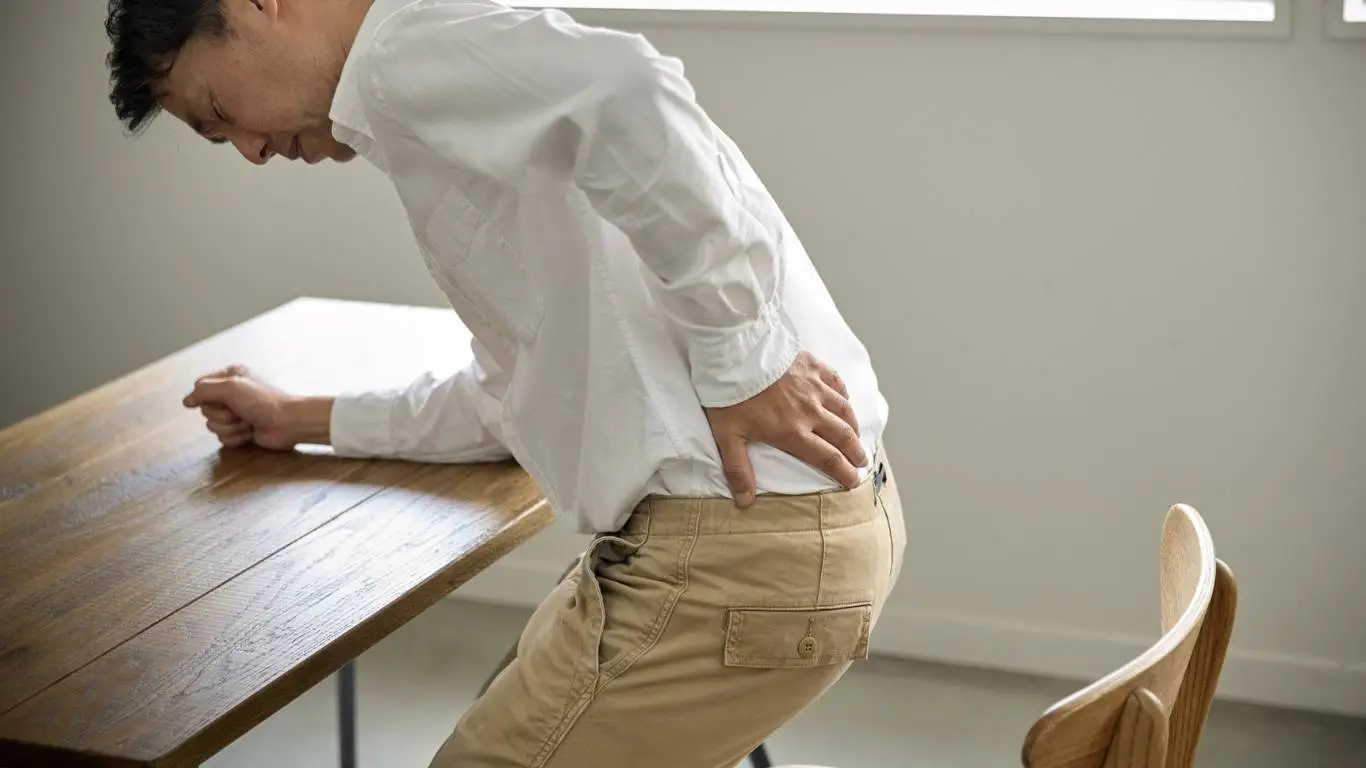
One thing I discovered is that not all back pain exercises work when the root cause is jaw clenching. I used to follow generic stretching routines, only to find my pain bouncing back the next day. It wasn’t until I focused on exercises that targeted my neck, jaw, and back muscles in harmony that I noticed a lasting difference.
Key Movements That Made a Difference
- Suboccipital Releases: Using a small massage ball under the base of my skull worked wonders to reduce tension that cascades into the upper back.
- Thoracic Extensions: Simple foam roller stretches across my mid-back helped counteract the slouching caused by jaw-related postural shifts.
- Deep Neck Flexor Training: These subtle chin-tuck exercises strengthened the stabilizing muscles of my neck, reducing strain down my spine.
- Breath-Driven Core Activation: I followed diaphragmatic breathing drills to retrain my core and back muscles to stabilize without compensating for jaw tension.
Consistency was key. I also started incorporating yoga poses designed for back pain to enhance flexibility and reset my posture gently after a long workday.
Why Sleep Position Matters More Than You Think

After I started tackling my jaw clenching habits, I realized my sleeping position was quietly sabotaging my progress. Sleeping on my stomach was a disaster — it forced my head to twist, which cranked up my jaw tension and torqued my spine. Even side sleeping wasn’t much better without proper support.
Adjusting My Sleep Setup
- Pillow Between Knees: When side sleeping, this helped maintain spinal alignment and reduced morning back stiffness.
- Cervical Neck Pillow: A supportive pillow cradled my neck in a neutral position, preventing jaw tension from building up overnight.
- Mattress Firmness: I opted for a medium-firm mattress, which was recommended by sleep specialists at healthline.com for back health.
If you’re struggling with sleep-induced back pain, this resource on optimal sleeping positions for back pain relief is a lifesaver.
The Role of Myofascial Release in Easing Jaw-Triggered Back Pain

One overlooked therapy that transformed my recovery was myofascial release. It’s a manual technique where therapists gently release tension in the fascia — the connective tissue that links muscles throughout the body. My jaw and back muscles were locked in chronic tension patterns, and myofascial therapy helped reset them.
I combined professional sessions with self-myofascial techniques at home using foam rollers and massage tools. If you’re curious how myofascial release targets these stubborn back pains, this deep dive into myofascial back pain treatment breaks it down brilliantly.
Jaw Clenching and Its Surprising Impact on Pelvic Alignment

Here’s a curveball I didn’t expect — my pelvic alignment was off, not because of sitting all day, but because of my jaw tension. A physical therapist pointed out how clenching causes subtle but significant shifts in the upper body that the pelvis tries to compensate for, leading to anterior or posterior pelvic tilt.
This compensation increased strain on my lower back muscles, especially during simple activities like walking or standing. Learning how pelvic alignment and jaw tension interplay gave me a new perspective. This guide on correcting pelvic tilt for back pain was a game-changer for my daily routine.
Advanced Therapies for Stubborn Cases of Jaw-Linked Back Pain

For those of us who’ve tried it all and still struggle, there are advanced therapies that target jaw-clenching-related back pain holistically:
- Chiropractic Adjustments: Focused on realigning the cervical spine and thoracic areas affected by jaw tension. Here’s an excellent resource on chiropractic care for back pain.
- Osteopathic Manipulation Therapy (OMT): Gentle manual techniques that address joint restrictions and muscle imbalances triggered by bruxism.
- Biofeedback Therapy: Helps in retraining subconscious muscle patterns, teaching your body to recognize and relax tense jaw and back muscles.
- Acupuncture: While I was skeptical at first, acupuncture sessions dramatically eased my muscle guarding patterns. Mayo Clinic’s research supports its efficacy for chronic musculoskeletal pain.
Small Lifestyle Shifts That Brought Me Long-Term Relief

It wasn’t just about treatments and exercises — small daily habits played a big role in my recovery:
- Screen Time Awareness: Reducing phone and laptop usage before bed lessened my subconscious clenching.
- Mindful Eating: Chewing slowly and mindfully during meals helped reduce my jaw’s default tension mode.
- Hydration & Magnesium Intake: Staying well-hydrated and incorporating magnesium-rich foods relaxed my muscle tension naturally.
- Journaling Stressors: Writing down stress triggers at night helped unload my mental clutter, reducing nighttime bruxism episodes.
Interestingly, this guide on mindfulness meditation for pain was a pivotal resource that helped me shift my mindset about recovery.
When to Seek Professional Help for Jaw-Induced Back Pain

If your back pain persists despite lifestyle changes, don’t hesitate to consult a professional. I ignored the signs for months, thinking I could “stretch it out,” but it only prolonged my discomfort. Comprehensive diagnosis, including dental evaluations and spinal assessments, are essential for a full recovery.
For a broader understanding of how professionals diagnose such complex cases, I found this resource on back pain symptoms and diagnosis incredibly detailed.
Additionally, make sure to explore this comprehensive guide on back pain management strategies — it’s an essential hub for anyone looking to tackle their pain from a holistic perspective.

Camellia Wulansari is a dedicated Medical Assistant at a local clinic and a passionate health writer at Healthusias.com. With years of hands-on experience in patient care and a deep interest in preventive medicine, she bridges the gap between clinical knowledge and accessible health information. Camellia specializes in writing about digestive health, chronic conditions like GERD and hypertension, respiratory issues, and autoimmune diseases, aiming to empower readers with practical, easy-to-understand insights. When she’s not assisting patients or writing, you’ll find her enjoying quiet mornings with coffee and a medical journal in hand—or jamming to her favorite metal band, Lamb of God.