Best Sleeping Routine To Prevent BV And Stop Recurrence
I’ve always believed that a good night’s sleep can fix just about anything. But what I didn’t realize until recently is how much our sleeping routine can influence something as specific (and frustrating) as bacterial vaginosis (BV). If you’ve been struggling with recurring BV or simply want to do everything you can to prevent it, there’s a surprising amount of science – and some personal experience – that supports improving your sleep. Let’s break it all down so you can start sleeping smarter, not just longer.
Why Sleep Even Matters When It Comes to BV

Your body does some of its most important work while you’re asleep. During those deep REM cycles, your immune system is actively recalibrating. And here’s the kicker – BV isn’t just a random imbalance; it’s closely tied to immune health and hormonal fluctuations. So if your sleep is chaotic, chances are your vaginal flora may be, too.
I used to dismiss my poor sleep as just a bad habit, but when BV came knocking way more frequently than it should have, I had to reevaluate. It wasn’t until I consistently fixed my sleep patterns that I noticed a major difference – fewer flare-ups and overall better comfort “down there.”
Understanding BV and What Triggers It

Let’s clarify one thing: BV isn’t an STD, and it’s not caused by “being dirty” either. It’s a shift in the vaginal pH and bacterial environment – typically a drop in the good bacteria (*Lactobacillus*) and an overgrowth of others. Triggers can range from hygiene habits to antibiotics to even stress and hormone fluctuations.
Some key triggers you might not suspect:
- Disrupted sleep cycles and poor melatonin levels
- High cortisol (aka stress hormone) due to lack of restorative sleep
- Late-night snacking that throws off gut flora (which connects to vaginal flora!)
Check out this breakdown of how stress plays into BV – spoiler: it’s more interconnected than you’d think.
The Science Behind Sleep and Vaginal Health

Ever heard of the gut-vagina axis? It’s a real thing. Your microbiome – both gut and vaginal – responds to your circadian rhythm. When your sleep is all over the place, those beneficial microbes struggle to stay balanced. Studies show irregular sleep schedules can impair immune surveillance, making you more susceptible to infections, including BV. NIH offers loads of research on sleep and immunity if you’re into the data dive.
And let’s not forget melatonin. It’s more than a sleep hormone. It also has antioxidant and immune-regulating effects – both of which help maintain vaginal health. Chronic sleep deprivation can reduce melatonin levels, leading to microbial imbalances.
Crafting the Best Sleeping Routine to Prevent BV

If you’re thinking, “Okay, but what does a BV-proof sleep routine even look like?” — let’s go practical:
- Set a strict bedtime – and stick to it. Aim for 7-9 hours of uninterrupted sleep. No scrolling at midnight.
- Go dark, go cool – a dark room helps melatonin production. Keep the room at 65-70°F for optimal rest.
- Wind down tech-free – try a book or meditative breathing instead of TikTok. Blue light suppresses melatonin.
- Eat earlier, not later – late-night eating affects your microbiome, which in turn can affect your vaginal flora.
- Use sleep-supporting supplements – consider magnesium glycinate or herbal teas like chamomile.
I swear by shutting down my kitchen by 7:30 PM and winding down with peppermint tea. It felt silly at first, but the results? Let’s just say BV hasn’t made an appearance in months.
If you’ve struggled with recurring BV, you may want to read long-term solutions that go beyond antibiotics. Spoiler alert: sleep is a big piece of the puzzle.
What to Avoid Before Bed That Might Trigger BV

Not everything that feels relaxing is helping your body. In fact, some nighttime habits might be quietly inviting BV into your life. Here’s what to reconsider:
- Sleeping in synthetic underwear – Always opt for breathable cotton. Let it breathe, seriously.
- Late-night alcohol or sugar – Both can spike inflammation and throw off microbiomes.
- Skipping showers after workouts – Sweat trapped in tight areas can be a recipe for trouble.
- Heavy scented body lotions near your intimate areas
If you’re unsure about hygiene habits, here’s a solid read on how certain habits might contribute to BV. Trust me — I learned the hard way that tight yoga pants and sleeping in them are a no-go.
Why Consistency is More Important Than Perfection

You don’t have to be perfect — but you do have to be consistent. I used to treat sleep like a weekend treat instead of a daily health tool. When I started going to bed and waking up at the same time every day (yes, even on Sundays), my body thanked me in ways I didn’t expect — fewer infections, better mood, and even more predictable cycles.
Want to dive deeper into all the factors? The full guide on bacterial vaginosis covers everything from symptoms to treatments, and this BV prevention tips article is one I keep bookmarked.
Best Foods and Nighttime Habits That Support a Healthy Microbiome

One of the most unexpected discoveries I made while managing my own BV episodes was how food timing and content directly affected how I felt the next day. And not just gut-wise — vaginally, too. Turns out, your nighttime meals and habits play a powerful role in regulating the microbiome across your entire body.
Here are a few BV-friendly food tips to help build that resilience overnight:
- Yogurt with live cultures – Classic but effective. I add a spoonful of flaxseed and keep it unsweetened.
- Leafy greens at dinner – Rich in magnesium and antioxidants that support hormone balance.
- Low-glycemic fruits like berries – Satisfy that sweet tooth without spiking sugar levels.
- Fermented foods – Sauerkraut, kimchi, kefir – they boost gut health which echoes into vaginal balance.
Just as important as what you eat is when you eat. Late-night snacks high in sugar and carbs can disrupt melatonin production and cause blood sugar spikes, both of which can irritate the vaginal flora.
Here’s a helpful link on foods to avoid when you’re BV-prone – some of them totally surprised me.
Supplements That Can Support BV Prevention During Sleep

Let’s be real — not all of us are going to nail perfect nutrition every night. That’s where supplements can bridge the gap. I’ve tried and tested quite a few, and these are the ones that actually made a noticeable difference:
- Magnesium glycinate – Promotes deeper, restorative sleep while easing anxiety. Game changer for me.
- Probiotics (targeted strains) – Look for strains like *Lactobacillus rhamnosus* and *reuteri*, which specifically support vaginal health.
- Zinc – Supports immune function and skin/mucosal barrier strength — underrated but important.
- Melatonin (low dose) – Only if you struggle falling asleep consistently. It’s not a long-term crutch, but useful in spurts.
This piece on probiotics for BV helped me understand why not all supplements are created equal. The right strain really does matter.
Sleepwear and Environment Tweaks That Actually Make a Difference
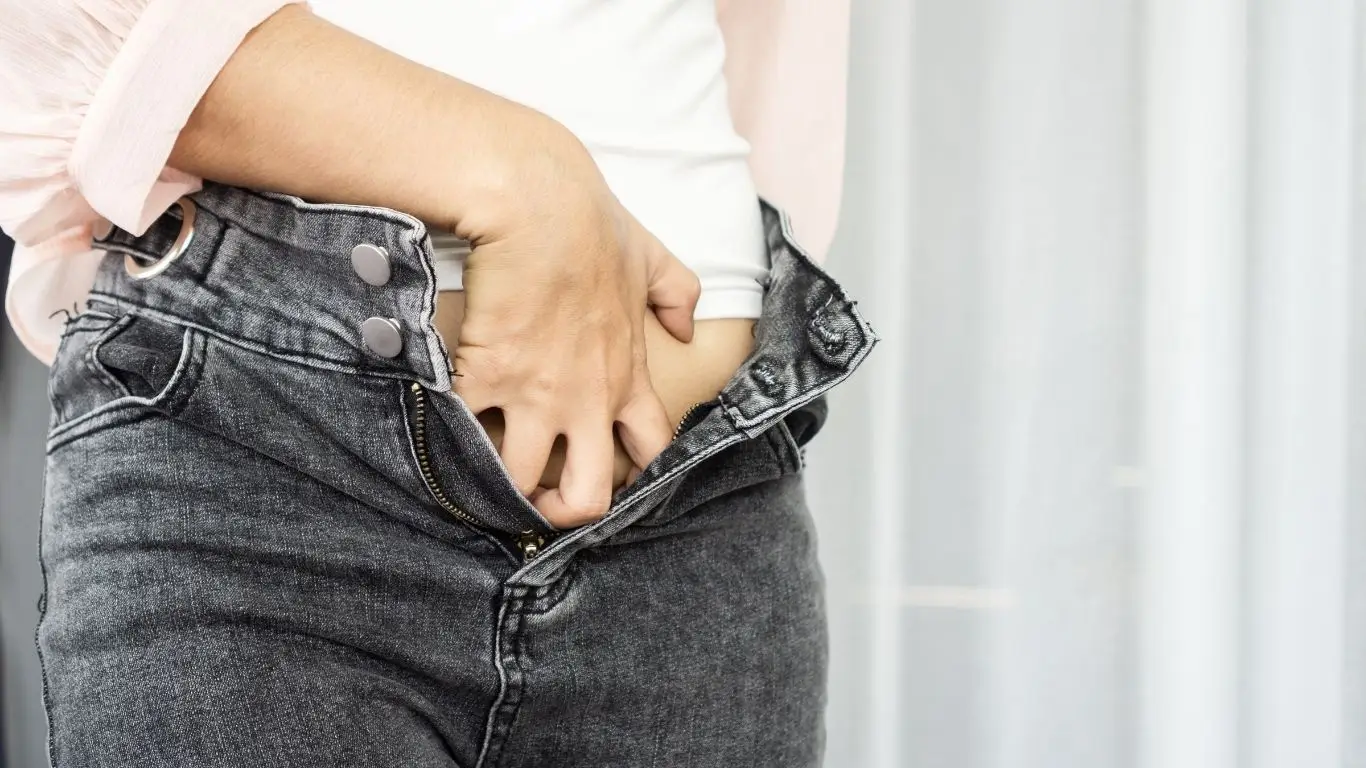
Confession: I used to sleep in leggings. Cute, yes. Healthy? Not so much. Once I made some basic environment upgrades, I noticed huge changes in how I felt waking up — and that included fewer irritations or unusual discharge.
Try these simple changes:
- Switch to loose, breathable cotton underwear or go commando if you’re comfortable — it’s not a myth, it really helps.
- Wash bedding weekly in fragrance-free detergent — synthetic scents can throw off pH levels.
- Avoid overly hot rooms — warmth and sweat can encourage bacterial imbalance.
- Use a humidifier if you’re in a dry climate — even vaginal tissue needs hydration support.
This article on underwear choices and BV prevention made me rethink my sleepwear drawer completely.
How Sleep Syncs With Your Hormones — And Why That’s Crucial

Your hormones don’t just affect your mood or periods — they impact your vaginal health, too. And sleep plays a starring role in regulating hormone release.
While you’re snoozing, your body goes into hormonal maintenance mode. If your sleep is shallow or cut short, your body might not release enough progesterone or regulate estrogen correctly. That can throw your vaginal pH off and make you more vulnerable to BV.
There’s also growing evidence that disrupted sleep patterns — like staying up super late or rotating shift work — may even increase BV risk by desynchronizing circadian hormones. (NIH)
What I Wish I Knew Sooner About Sleep and BV

If someone had told me five years ago that my 1AM scrolling habit was part of the reason I couldn’t kick BV, I would’ve laughed. But now, with clearer skin, steadier cycles, and no BV flare-ups for nearly a year, I get it. Sleep isn’t optional — it’s foundational.
I now keep a sleep log (nothing fancy, just a note in my phone) and track when I feel off or if any symptoms pop up. The patterns don’t lie — when I sleep well, everything else aligns.
For anyone still trying to piece things together, the full bacterial vaginosis guide is where I started. And this BV diet guide helped me adjust more than just sleep — because it’s all connected.

Dr. Gwenna Aazee is a board-certified Internal Medicine Physician with a special focus on hypertension management, chronic disease prevention, and patient education. With years of experience in both clinical practice and medical writing, she’s passionate about turning evidence-based medicine into accessible, actionable advice. Through her work at Healthusias.com, Dr. Aazee empowers readers to take charge of their health with confidence and clarity. Off the clock, she enjoys deep dives into nutrition research, long walks with her rescue pup, and simplifying medical jargon one article at a time.