Why BV During Ovulation Feels Worse and How to Handle It
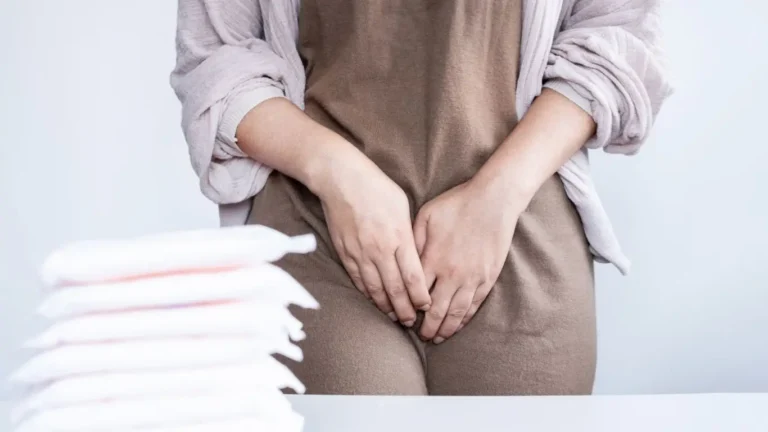
For a while, I thought I had my cycle figured out—ovulation meant the usual cramps, slight mood shifts, and a spike in energy. But something was off. I started noticing a fishy odor and an unusual grayish discharge that didn’t quite match what I’d normally expect mid-cycle. A quick search led me down the rabbit hole of bacterial vaginosis (BV), and surprisingly, it had a curious connection with ovulation. If you’re wondering how the two are linked or if your symptoms are normal, you’re definitely not alone.
BV During Ovulation—What’s Really Going On?

Let’s talk about what happens during ovulation. Your body surges in estrogen, cervical mucus becomes more abundant, and your vaginal environment changes ever so slightly to encourage sperm survival. Sounds like a good thing, right? But here’s the kicker: those very changes can throw off your vaginal pH balance, creating the perfect setting for bacterial vaginosis to sneak in—or flare up if you’ve had it before.
It’s not just “bad luck” if you always seem to get BV around ovulation. There’s actual science behind it.
Why Does BV Flare Up Around Ovulation?
- Estrogen Spike: It thickens the vaginal lining and boosts mucus, but this can feed the overgrowth of harmful bacteria.
- pH Shifts: Mid-cycle pH is slightly less acidic to help sperm survive, but that’s also when Gardnerella vaginalis can thrive.
- Increased Moisture: With more cervical fluid, your vagina can stay damp longer—ideal conditions for bacterial imbalance.
If your body’s natural bacteria get overpowered by anaerobes during this time, that unmistakable BV odor, irritation, and discharge can kick in.
Is This Normal Ovulation or BV?

It’s tricky to tell the difference if you’re not paying close attention. Ovulation discharge is typically clear, stretchy, and odorless. It’s often described as resembling egg whites. But BV discharge? Not quite the same. It tends to be:
- Thin and watery or creamy with a gray or white tint
- Has a fishy or foul odor, especially after sex
- May be accompanied by mild burning or discomfort
If that sounds like what you’ve been dealing with mid-cycle, it might be time to consider BV as the culprit. Here’s a detailed breakdown of BV discharge colors and textures so you can really tell what’s going on.
Can Ovulation Itself Cause BV?

Not directly. But hormonal changes during ovulation can make your vaginal ecosystem more vulnerable. I once experienced recurring BV every month like clockwork, right around day 14. My OB-GYN explained it like this: estrogen dominance in the ovulation phase, combined with lifestyle triggers like wearing tight leggings all day (guilty), was giving anaerobic bacteria an open door.
You may not be able to stop ovulation (nor would you want to!), but knowing it’s a high-risk window means you can prep your body with supportive habits and maybe even adjust some routines.
How to Manage BV Symptoms During Ovulation

Daily Habits That Help
- Switch to breathable cotton underwear to reduce excess moisture.
- Avoid scented soaps or washes—they can worsen the imbalance.
- Learn more about underwear and BV prevention
- Stay hydrated and aim for a fiber-rich diet to support gut and vaginal health.
Probiotic Support
I started adding a daily vaginal probiotic with Lactobacillus crispatus right before my fertile window. Total game changer. There’s actual evidence supporting probiotics for BV—you can check out this breakdown on probiotics for BV here.
Track Your Cycle
Once I realized my BV was linked to ovulation, tracking my cycle helped me prepare ahead. I became super aware of the subtle differences between normal and abnormal discharge and took early action when things felt “off.”
When Should You See a Doctor?

If your symptoms persist more than a few days or worsen after ovulation, it’s time to get checked. Self-diagnosing BV can be tricky, and you might be mistaking it for a yeast infection or something else entirely. You can also read more about whether self-diagnosis is reliable.
And yes—there are home test kits that can help, but nothing beats a professional swab if your symptoms are recurring.
Want a deeper dive into BV causes and prevention? This BV causes and risk factors guide is incredibly thorough. Also, for a complete understanding of bacterial vaginosis from A to Z, you’ll want to explore our main BV overview page.
Does Ovulation Treatment Worsen BV?

This was one I didn’t expect. When I started using ovulation-stimulating supplements to help with fertility, my BV episodes hit harder. Turns out, anything that boosts estrogen or alters hormone timing—whether it’s fertility meds, PCOS treatment, or even hormone-based skin care—can potentially aggravate the vaginal microbiome.
There’s not a ton of mainstream info on this, but according to studies at ncbi.nlm.nih.gov and cdc.gov, hormonal shifts are a recurring pattern in BV flare-ups. If you’re on ovulation-related treatments and BV seems worse—you’re not imagining it.
What You Can Do
- Talk to your OB about staggering your probiotic intake with your hormone meds.
- Avoid vaginal douches or washes, especially during fertility treatment cycles.
- Focus on diet and hydration to help your body regulate hormones naturally.
Also, consider asking your provider about Metronidazole or Clindamycin options that can be safely timed around ovulation.
Can Sex During Ovulation Trigger BV?

Short answer? Yes, it can. That window of increased fertility often comes with more frequent sex, but semen is alkaline—and that raises your vaginal pH in a way that BV bacteria love. Plus, if you’re using lubes or toys that aren’t pH-balanced, it compounds the risk.
From personal experience, using a condom mid-cycle made a big difference. Not just for preventing pregnancy, but for avoiding that BV recurrence two days later. Here’s a solid resource on how sex can impact BV and what adjustments can help.
Sex Tips to Reduce BV Flare-Ups
- Use condoms consistently, especially during your fertile window.
- Rinse with plain water post-intercourse—not soap.
- Stick to pH-balanced lubricants (look for ones labeled for vaginal use).
- Avoid flavored or scented condoms—they’re a BV trigger for many.
It’s not about cutting back on intimacy, just adjusting how you protect that sensitive balance during high-risk times.
Diet Tweaks That Make a Difference

When I cleaned up my diet (I mean, actually gave up soda and cut processed carbs), my BV during ovulation practically disappeared. Coincidence? Maybe. But science backs this up too. High-sugar foods feed harmful bacteria, while fermented foods help replenish the good ones. Here’s a quick look at what to add—and ditch:
Foods to Focus On
- Greek yogurt with live cultures
- Kimchi and sauerkraut
- Leafy greens and high-fiber veggies
- Water, lots of it
Foods to Avoid
- Sugary drinks, snacks, and pastries
- Highly processed white carbs (bread, pasta)
- Excess alcohol
If you want more specifics, this guide on what foods to avoid when prone to BV is incredibly useful.
Managing Recurring BV Around Ovulation

If BV seems like an unwanted visitor every cycle, you’re not alone. I’ve been there—confused, annoyed, and honestly, kind of embarrassed. But here’s the deal: it’s manageable with awareness and timing. Start prepping your vaginal health the week before ovulation, and stay consistent with prevention habits post-ovulation.
For a deeper dive into prevention methods (that actually work), check out this prevention guide which covers everything from hormonal patterns to long-term solutions.
BV, Ovulation, and Pregnancy

If you’re trying to conceive and keep getting BV mid-cycle, it can feel like the universe is messing with you. I’ve had friends go through this while TTC, and it’s beyond frustrating. What’s worse—BV can increase the risk of preterm labor if left untreated during pregnancy.
That’s why managing BV before and during conception is key. If you’re in that boat, check out this section on BV treatment during pregnancy.
And for a complete look at symptom tracking, hormone triggers, and natural prevention strategies, this BV main page ties it all together. You’ll also want to reference the BV in pregnancy guide if you’re in your fertile years.

Dr. Gwenna Aazee is a board-certified Internal Medicine Physician with a special focus on hypertension management, chronic disease prevention, and patient education. With years of experience in both clinical practice and medical writing, she’s passionate about turning evidence-based medicine into accessible, actionable advice. Through her work at Healthusias.com, Dr. Aazee empowers readers to take charge of their health with confidence and clarity. Off the clock, she enjoys deep dives into nutrition research, long walks with her rescue pup, and simplifying medical jargon one article at a time.