BV vs Yeast Discharge Side by Side: Spot the Differences Fast
When I first noticed something was off—odd discharge, a weird smell—I went straight to panic mode. You’d think after years of adulting, I’d know the difference between a yeast infection and BV, right? Wrong. Like most people, I had no idea what “normal” discharge looked like anymore. And honestly, the symptoms are frustratingly similar. But if you’ve ever stood in your bathroom wondering if it’s BV or a yeast infection messing with your body, this breakdown is for you.
BV vs Yeast Discharge: What Sets Them Apart?

Let’s talk *discharge*. That one word can trigger a lot of confusion. But trust me—knowing what you’re looking at (literally) can save you days of discomfort and maybe even a misdiagnosis. Bacterial Vaginosis (BV) and yeast infections both mess with vaginal discharge, but not in the same way.
BV Discharge: Thin, Grayish, and Smelly
Bacterial Vaginosis is all about imbalance. The healthy bacteria (lactobacilli) take a backseat, and harmful ones take over. That imbalance causes a very distinct discharge:
- Color: Usually gray or off-white
- Consistency: Thin, watery
- Smell: Strong, fishy odor—worse after sex
Sometimes you won’t even have itching. That’s what makes BV a sneaky one. If you want to go deeper into odor specifics, the BV and vaginal odor guide breaks it down pretty well.
Yeast Discharge: Thick, Clumpy, and Itchy
Yeast infections, on the other hand, are a fungal situation—usually caused by Candida albicans. It’s overgrowth, not imbalance. And the discharge is hard to miss:
- Color: White, sometimes yellowish
- Texture: Thick and clumpy, like cottage cheese (gross but true)
- Smell: None or just mildly yeasty
But the most telling sign? Itchiness. We’re talking intense, can’t-sit-still kind of itch. Plus redness and swelling. If that’s what you’re dealing with, read up on how to tell which infection you have.
How It Feels: Symptoms That Go Beyond Discharge

BV Symptoms
Aside from discharge, BV might come with:
- Fishy smell after intercourse
- Mild burning during urination
- Watery feel all day, like something is leaking
No inflammation or pain? Don’t rule it out. That’s one of BV’s most misleading qualities—it can be too subtle sometimes. You can explore other subtle signs in this piece on BV and pain.
Yeast Infection Symptoms
Meanwhile, yeast infections don’t hold back. Common symptoms include:
- Severe vaginal itching and irritation
- Swollen vulva, redness
- Burning sensation while peeing or during sex
I remember once trying to wear jeans during a flare-up—big mistake. Anything that rubs makes it ten times worse.
Can You Have Both at the Same Time?
Here’s the kicker: yes, you can have both BV and a yeast infection simultaneously. It’s rare but possible. Antibiotics used to treat BV can sometimes wipe out the good bacteria too, opening the door for yeast. It’s like solving one problem and unlocking another. Been there, done that.
Misdiagnosis: Why Self-Diagnosing Can Backfire

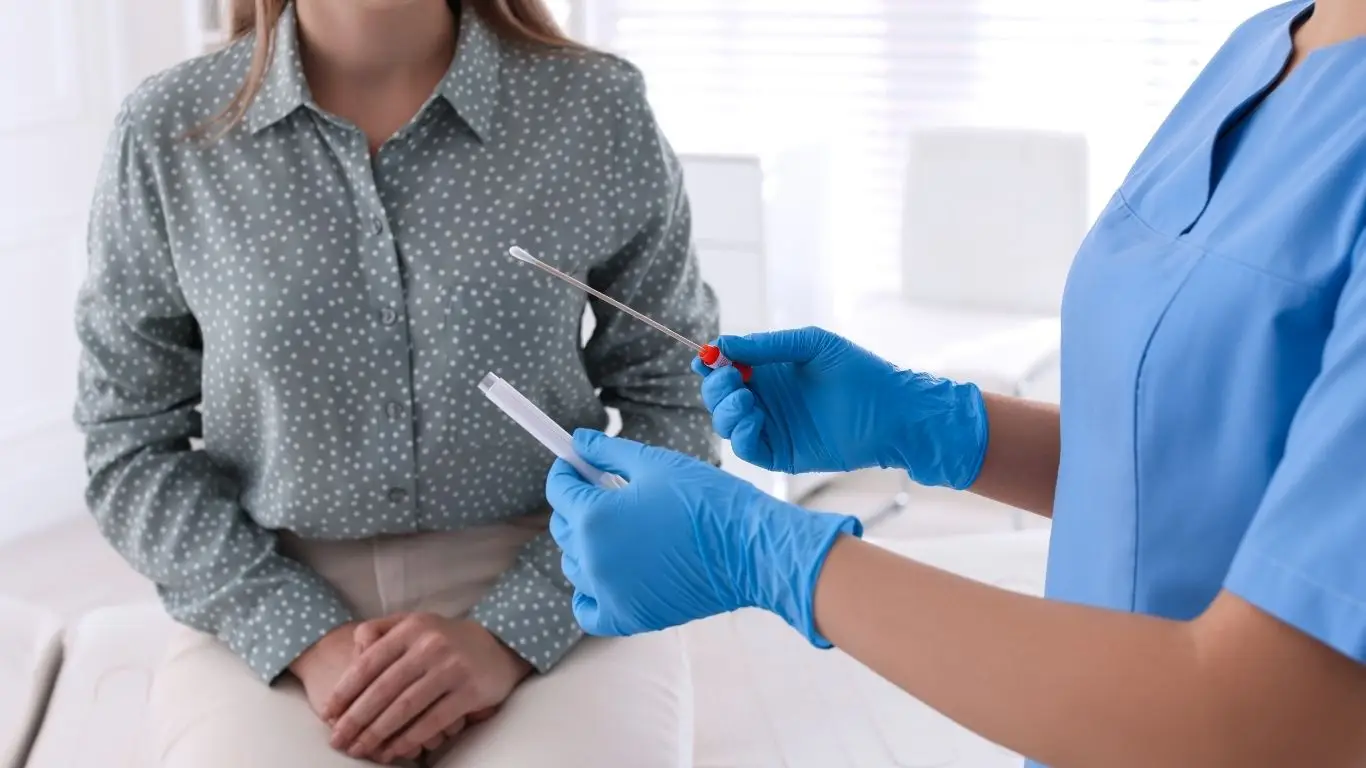
I’ve made the mistake of treating BV with over-the-counter antifungals meant for yeast infections—zero improvement and a lot of frustration. Turns out, home test kits can help, but they’re not always accurate. If you’re not sure, the best move is to get an actual diagnosis—especially if symptoms persist.
In some cases, your doctor might even find you have neither condition, but something else entirely like trichomoniasis or a UTI. This is why playing the guessing game can be risky.
Common Triggers: What Can Cause the Imbalance?

BV Triggers
Bacterial Vaginosis can be caused by several things, and a lot of them seem harmless on the surface:
- New or multiple sexual partners
- Over-washing or using scented soaps
- Smoking
- Hormonal changes
Check out these hygiene habits that can cause BV. They really opened my eyes—especially the whole “don’t douche” thing. I was guilty of that for years, thinking it was good hygiene.
Yeast Infection Triggers
Meanwhile, yeast loves:
- Antibiotics (they kill friendly bacteria)
- High-sugar diets
- Tight, non-breathable clothing
- Hormonal birth control
Here’s a shocker—sugar affects both conditions. That was a wake-up call for my sweet tooth.
For a more complete guide, the BV vs Yeast Infection Differences article goes deeper into symptoms and causes. And of course, there’s always the main BV hub if you need to explore more from the root.
Treatment Options: Targeting the Right Infection

Once you know what you’re dealing with, treatment gets way easier. The tricky part is making sure you’re treating the right condition. And I’ve learned the hard way—just grabbing a tube of antifungal cream doesn’t always work (looking at you, Monistat… when it was actually BV).
For BV: Antibiotics Are Key
Bacterial Vaginosis responds best to antibiotics like:
- Metronidazole (oral or gel)
- Clindamycin (cream or ovule)
Both options work, but metronidazole is often the first pick. I personally found the gel version less disruptive. No gut issues, no bad taste—just straightforward results. It usually clears up within a week. However, if you’re pregnant, be sure to read the section on BV treatment while pregnant before starting anything.
For Yeast Infections: Antifungals All the Way
Yeast is a different beast. The go-to solutions include:
- Over-the-counter creams like miconazole or clotrimazole
- Prescription oral fluconazole
Honestly, one fluconazole pill saved me more than once—especially when symptoms came out of nowhere. But if you prefer topicals, they work too. Just a bit messier.
When Infections Keep Coming Back

Let’s be real—chronic BV or recurring yeast infections are draining. After my third BV episode in one year, I knew something had to change. Recurring infections often mean there’s an underlying trigger you’re missing. It could be your diet, hygiene habits, or even your partner.
Recurring BV? Here’s What Helped Me
I started by tracking patterns. Every time I had BV, it followed unprotected sex. Turns out, semen alters vaginal pH—who knew? I read this great piece on BV relapsing after antibiotics and made a few changes:
- Used condoms more consistently
- Stopped using scented soaps
- Added probiotics to my routine
Also, the idea that diet affects BV recurrence was new to me. Cutting down sugar and upping my fiber actually helped a lot.
Chronic Yeast Issues? Try This
Yeast infections that don’t go away might be tied to your blood sugar levels or immune system. If that’s the case, make sure you:
- Limit refined sugars (seriously, yeast loves sugar)
- Wear breathable underwear
- Change out of wet clothes quickly
And I can’t skip the importance of probiotics. They’ve helped my gut and my vaginal health overall.
Natural Remedies: Can They Really Help?

I’m all about holistic options—as long as they’re backed by some science. I tried a few natural remedies when I was over the antibiotic rebound phase. Here’s what I found:
For BV
- Apple cider vinegar: Works for some, but can irritate others
- Tea tree oil: Antibacterial, but super strong—dilute it
- Coconut oil: Mild and soothing, helps balance moisture
For Yeast
- Plain yogurt: Inserted or applied externally (yep, I tried it)
- Probiotic capsules: Oral or vaginal
But heads-up—natural doesn’t always mean safe. Always patch test first or talk to a provider who’s open to integrative approaches. And avoid putting anything up there that isn’t meant for vaginal use.
Prevention Habits That Actually Work

After learning what triggers my flare-ups, I tweaked my routine. Not dramatically—but just enough to make a difference. Here’s what stuck:
- Switching to unscented, pH-balanced soap
- Only washing the outside—no internal cleansing
- Wearing cotton underwear and avoiding tight jeans for long hours
- Staying dry down there—moisture fuels both yeast and BV
- Upping my hydration (seriously, water helps everything)
And the best prevention tip? Knowing your body. If something feels off, it probably is. This underwear and BV prevention guide nails the little changes that go a long way.
Want the full breakdown on all symptoms, risks, and options? Check out the in-depth BV vs yeast infection comparison and explore the core topic in this BV main article to get the full picture.
And if you’re dealing with discharge that just won’t quit, don’t play the guessing game. Get tested, get treated, and most importantly—get informed.

Dr. Gwenna Aazee is a board-certified Internal Medicine Physician with a special focus on hypertension management, chronic disease prevention, and patient education. With years of experience in both clinical practice and medical writing, she’s passionate about turning evidence-based medicine into accessible, actionable advice. Through her work at Healthusias.com, Dr. Aazee empowers readers to take charge of their health with confidence and clarity. Off the clock, she enjoys deep dives into nutrition research, long walks with her rescue pup, and simplifying medical jargon one article at a time.