
Why Antibiotics For BV Can Lead To Yeast Infections
Let’s be real—bacterial vaginosis (BV) is a total buzzkill. I’ve been there, and if you’ve ever dealt with that odd smell or the annoying discharge, you probably understand the frustration. What’s even worse? You go through the treatment, take the antibiotics like a champ, and bam—yeast infection joins the party. So what gives? Why does something that’s supposed to *help* suddenly flip the script and make things more complicated?
How Antibiotics Work Against BV

First off, antibiotics are the go-to treatment when BV strikes. Medications like metronidazole or clindamycin get prescribed to kill off the overgrowth of bad bacteria in your vagina. And trust me, when BV hits, you’ll do anything for relief.
But antibiotics don’t discriminate. They’re like that one friend who throws out *all* your roommates just because one left a dirty dish. These drugs wipe out both the harmful bacteria *and* the good ones that keep your vaginal flora balanced. And guess who takes advantage when the good guys are gone? Yep—yeast.
The Delicate Balance of Vaginal Flora
Your vagina has its own ecosystem, kinda like a mini rainforest. It thrives when the bacteria and yeast are in harmony. But throw antibiotics into the mix, and things go off-kilter. The good bacteria, especially lactobacilli, normally keep yeast in check by maintaining a slightly acidic pH.
Once those bacteria are gone, the environment gets more alkaline—yeast heaven. That’s when you start noticing symptoms like itching, burning, and thick white discharge. Basically, you swapped one infection for another. Ugh.
Why It’s So Common

This isn’t just happening to a few unlucky folks. The connection between BV treatment and yeast infections is super common. It’s like an annoying cycle that doesn’t seem to end.
According to the National Institutes of Health, a significant number of women who take antibiotics for BV will end up with a secondary yeast infection. Not because the medication is “wrong,” but because it unintentionally clears the path for yeast overgrowth. It’s kind of like fixing a roof and accidentally knocking out the plumbing—it helps one problem, but creates another.
Common Symptoms That Signal Yeast Overgrowth
- Thick, white, clumpy discharge (often described as cottage cheese-like)
- Intense vaginal itching or burning
- Redness or swelling of the vulva
- Burning during urination or sex
And sometimes—just to spice things up—it might come without any of these. That’s what happened to me the first time. No itching, no pain, just this vague discomfort and weird discharge that didn’t feel quite right.
What to Do When It Happens
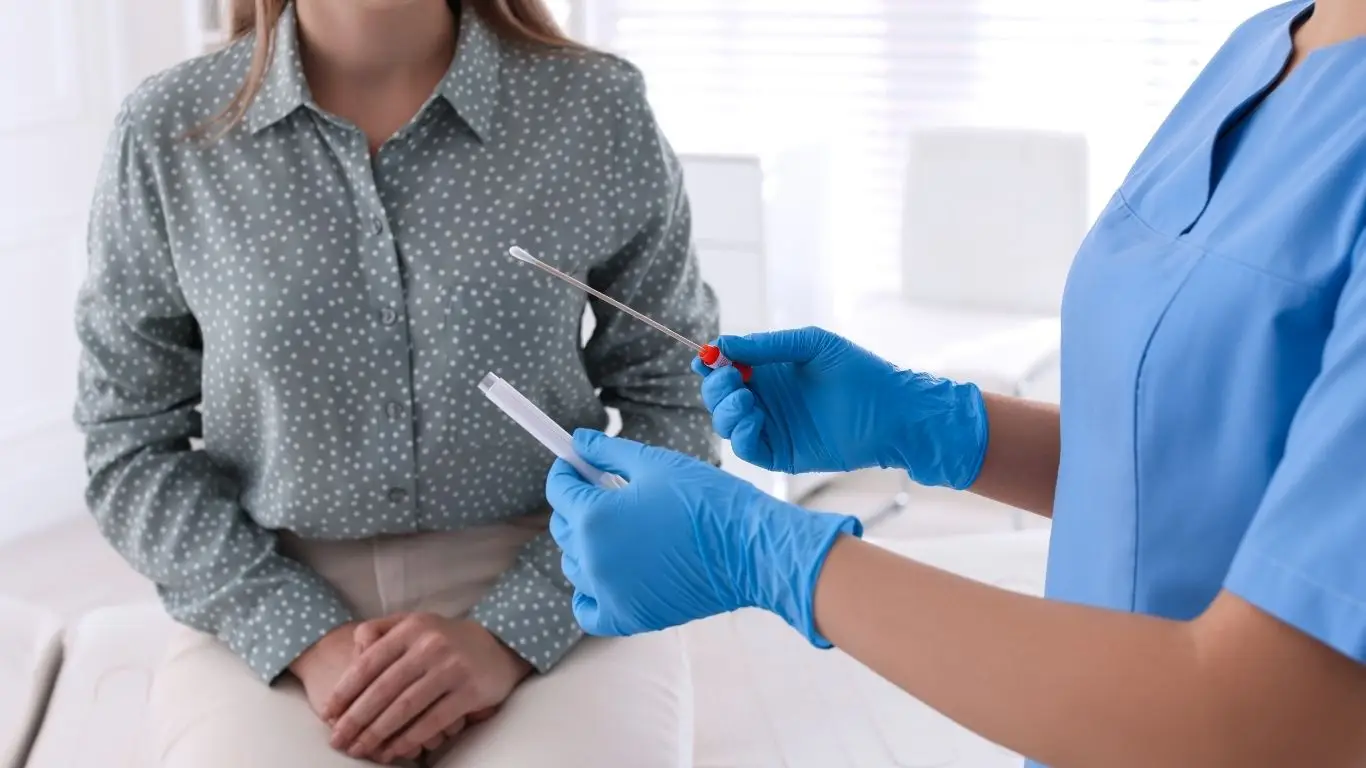
If you’re reading this mid-treatment and already noticing signs of yeast taking over, don’t panic. It’s not uncommon to treat BV and end up with BV again after antibiotics or a full-blown yeast infection.
- First, talk to your doctor. They might prescribe an antifungal like fluconazole or recommend an over-the-counter option.
- Consider using probiotics—some vaginal and oral strains are known to help rebalance your flora. Just make sure it’s the right strain (like Lactobacillus rhamnosus).
- Skip douching and scented products. They’ll just make it worse. Here’s a deep dive on why douching is a bad idea.
One product I swear by? Boric acid suppositories. I was skeptical at first, but after I read about it here, I gave it a shot and wow—it’s been a game-changer for preventing those post-antibiotic yeast takeovers.
Can You Prevent the Yeast Infection in the First Place?

Absolutely. It’s not a foolproof science, but there are smart steps you can take while treating BV that could reduce your risk:
- Take a high-quality probiotic during and after antibiotics. Look for ones with Lactobacillus strains.
- Skip sugar. Yeast feeds on it, and cutting back can help stop it from thriving.
- Use cotton underwear and breathable clothing to avoid moisture buildup.
- Watch your diet. A balanced diet plays a bigger role than you’d think in vaginal health.
Want to go deeper? Check out this excellent guide on sugar and BV. It totally changed how I look at my sweet tooth habits.
Understanding the BV–Yeast Infection Cycle

What many people don’t realize is how common the BV-to-yeast swing actually is. And it’s not just about what meds you take—it’s about your body’s ecosystem, your lifestyle, even your stress levels. Yes, stress plays a role too.
That’s why personalized care matters. The same solution won’t work for everyone. In my case, switching to vaginal probiotics and spacing out antibiotics (with my doctor’s blessing) helped a lot. For someone else, dietary changes might do the trick. There’s no one-size-fits-all answer here, and that’s okay.
For an in-depth look at broader BV topics, check out the BV & Odor guide, or explore this detailed pillar article on bacterial vaginosis. And if you’re interested in the bigger picture of vaginal health and recurring issues, the long-term solutions for BV piece is a must-read.
How Long Does It Take to Clear Up?

One of the first questions I had when this double-whammy happened to me was, *“Okay, but how long does this mess last?”* The good news: with the right treatment, most yeast infections clear up in about 3 to 7 days. If you’re using a single-dose oral antifungal, it could be even quicker.
BV, on the other hand, can take a bit longer depending on the treatment you’re using. Some women see improvement in just a couple of days, while others might need a full 7-day course of antibiotics. But here’s the kicker—just because symptoms ease up doesn’t mean the infection is totally gone. That’s how a lot of people end up with relapses after antibiotics.
Signs You’re in the Clear
- No unusual discharge or odor
- Normal pH balance restored (yes, you can test this at home)
- No itching, burning, or discomfort
If you’re unsure, there’s no harm in checking back with your provider. Better that than guessing your way into another round of symptoms. I learned that the hard way—don’t be like me.
When Recurrence Becomes a Pattern

For some of us, BV and yeast don’t just show up once. They’re repeat offenders. I went through this stage where it felt like every time I fixed one issue, the other would pop up. If you’re in that loop, I feel you—it’s exhausting.
One major reason for recurring yeast infections after BV treatment is incomplete flora recovery. You clear out the bacteria but don’t rebuild the good ones. That’s where using probiotics comes into play.
Other factors to consider include:
- Antibiotics overuse – even for other conditions like UTIs
- Hormonal shifts – such as during your cycle, pregnancy, or menopause
- Stress and immune suppression
- Intimate products – scented wipes, washes, or tight clothing
If you suspect your lifestyle might be playing a part, you might want to look into lifestyle changes that support vaginal health. Trust me, it’s not just about what you apply or take—it’s what you eat, how you rest, and how you manage stress.
Do You Need to Treat Your Partner?

Now here’s where things get a little awkward. Can your partner give BV or yeast back to you? There’s no solid proof that BV is sexually transmitted in the traditional sense, but studies do show patterns—especially with new or multiple partners.
In my case, I wasn’t treating my partner, and I kept getting BV again. Coincidence? Maybe. But once we both took hygiene seriously, things got better. If you’re wondering whether to treat your partner too, talk to your healthcare provider. Some cases might call for dual treatment, especially if the cycle keeps repeating.
Tips That Actually Help (From Someone Who’s Been There)

Let me drop a few tried-and-true tips that helped me finally get off the rollercoaster of BV and yeast ping-pong:
- Journaling your symptoms and triggers. Sounds extra, but keeping a health diary helped me connect my flare-ups to sugar binges and even certain underwear fabrics.
- Switch to unscented everything. Yes, even your laundry detergent and soap.
- Go commando at night. Let things breathe. It honestly helps more than you’d think.
- Hydration and immune health. I started treating my vaginal health like my skin—what goes in matters. Hydration, vitamins, sleep, all of it plays a role.
If you’re looking for product-specific help, here’s a great breakdown of BV-safe feminine washes. I swapped to one of those, and it made a noticeable difference.
Long-Term Prevention & Daily Care

So how do you break the cycle for good? Honestly, it took a mix of trial and error for me. There’s no magic product, but a combo of the following helped:
- Balancing pH naturally through gentle care routines
- Managing recurrence by identifying triggers early
- Probiotic-rich diet—like yogurt (unsweetened!) and fermented foods
- Limiting refined sugar and processed foods
- Practicing safe sex and open communication with your partner
And honestly? I stopped panicking over every little shift. Our bodies change and react to so many factors. Learning to tune in instead of freak out has been the biggest shift of all.
If this resonates with you and you’re looking for an even broader understanding of vaginal health, don’t miss this deep-dive on vaginal anatomy & types of BV. It’s one of those foundational reads that gives you the “aha” moments you didn’t know you needed. And of course, everything ties back to the big picture on BV itself here.

Dr. Gwenna Aazee is a board-certified Internal Medicine Physician with a special focus on hypertension management, chronic disease prevention, and patient education. With years of experience in both clinical practice and medical writing, she’s passionate about turning evidence-based medicine into accessible, actionable advice. Through her work at Healthusias.com, Dr. Aazee empowers readers to take charge of their health with confidence and clarity. Off the clock, she enjoys deep dives into nutrition research, long walks with her rescue pup, and simplifying medical jargon one article at a time.