Why Using Baby Wipes for BV Hygiene Can Harm More Than Help
Let’s be honest, when you’re dealing with bacterial vaginosis (BV), personal hygiene becomes a bit of a daily strategy. I remember standing in the drugstore aisle, staring at rows of “feminine wipes,” wondering if they’d actually help or just make things worse. Many of us reach for baby wipes thinking they’re gentle, but can baby wipes really be used for BV hygiene? It’s a fair question — and trust me, I’ve dug deep into this.
Are Baby Wipes Safe for Vaginal Hygiene?

At first glance, baby wipes seem like a safe bet. They’re designed for babies, so they must be mild and safe, right? Well, it’s not that simple. The vagina has a delicate pH balance, typically ranging between 3.8 to 4.5, which is slightly acidic to keep harmful bacteria at bay. Most commercial baby wipes, however, aren’t formulated with this in mind.
The issue isn’t necessarily the wipes themselves but what’s in them. Fragrances, preservatives, and even the material of the wipe can disrupt your vaginal flora. That’s where BV starts sneaking back in. According to research, certain chemicals found in wipes, like parabens and alcohols, can be quite harsh for sensitive vaginal skin, even if they’re marketed as “gentle.”
What Ingredients to Watch Out For
- Fragrances and Perfumes: Can trigger irritation and disrupt the vaginal pH.
- Alcohol: While it’s an effective antibacterial, it’s way too harsh for the vaginal area.
- Parabens: Preservatives that can cause allergic reactions in sensitive individuals.
- Propylene Glycol: Often used for moisture retention but can be irritating down there.
It’s a good idea to flip the package and read through the ingredients. If the list looks like a chemistry lesson, it’s probably best to leave it on the shelf.
When Can Baby Wipes Be Used Safely?

Now, here’s the nuance. Not all baby wipes are the enemy. Unscented, alcohol-free, and hypoallergenic baby wipes with minimal ingredients can be a practical option in certain scenarios, especially when water and mild soap aren’t accessible. For instance, when you’re traveling or after a gym session, these wipes can be a better choice than using public restrooms’ toilet paper (which can be rough and even dusted with talc).
But, if you’re actively battling a BV episode, I’d suggest being extra cautious. According to this guide on maintaining vaginal pH, the safest method is warm water and a clean, soft cloth. Anything beyond that introduces variables that might not be worth the risk.
Situations Where Baby Wipes Might Be Okay
- Emergency Clean-Ups: After workouts, during travel, or when you’re out and about.
- Post-Period Hygiene: Some women feel fresher using wipes, but make sure they are pH-balanced and free of additives.
- External Use Only: Wipes should never be used internally — ever. Only for external vulvar area.
Alternative Hygiene Practices for BV-Prone Women

If you’re like me and have experienced recurring BV flare-ups, you start to develop a shortlist of “safe practices.” Baby wipes might make it on the list occasionally, but these methods are a better foundation for daily hygiene:
- Warm Water Rinses: Simple, effective, and least disruptive to your vaginal microbiome.
- pH-Balanced Feminine Washes: Specifically designed for vaginal health, but use sparingly.
- Cotton Underwear: Helps keep the area breathable and reduces moisture build-up.
- Avoid Douching: It’s tempting, especially when dealing with odor, but douching disrupts the natural balance severely. Learn why in this detailed article.
These aren’t groundbreaking tips, but consistency is what keeps BV at bay. After multiple rounds of antibiotics, I learned that less is often more when it comes to intimate hygiene.
Should You Switch to Feminine Wipes Instead?

It’s a common pivot. After realizing baby wipes might not be ideal, many turn to feminine wipes. But hold up — they’re not always a safer choice. Many feminine hygiene wipes are fragranced and filled with the same problematic ingredients as baby wipes, just rebranded for adults. In fact, some feminine wipes even have more additives designed to create that “fresh” feeling, which ironically can lead to more irritation.
There are a few reputable brands that offer pH-balanced, gynecologist-tested, fragrance-free wipes. But the golden rule remains: read the ingredient list, even if the marketing looks promising.
For a deep dive into the common misconceptions around BV hygiene, you might want to check out our comprehensive guide on BV and vaginal odor. It’s one of the most common symptoms and often the reason why women reach for wipes in the first place.
Taking Care of BV Hygiene the Right Way

Instead of relying on baby wipes as a daily fix, it’s more sustainable to build a hygiene routine that supports vaginal health in the long term. Small tweaks like switching to breathable fabrics, avoiding tight synthetic clothing, and following a balanced diet can make a world of difference. You can explore more holistic tips in our long-term BV solutions article.
Also, it’s worth visiting our BV Pillar Page for a comprehensive overview of everything related to bacterial vaginosis, from symptoms to treatments and beyond. And don’t miss our main health hub here for more women’s health essentials.
What’s the Best Way to Clean Intimately with BV?
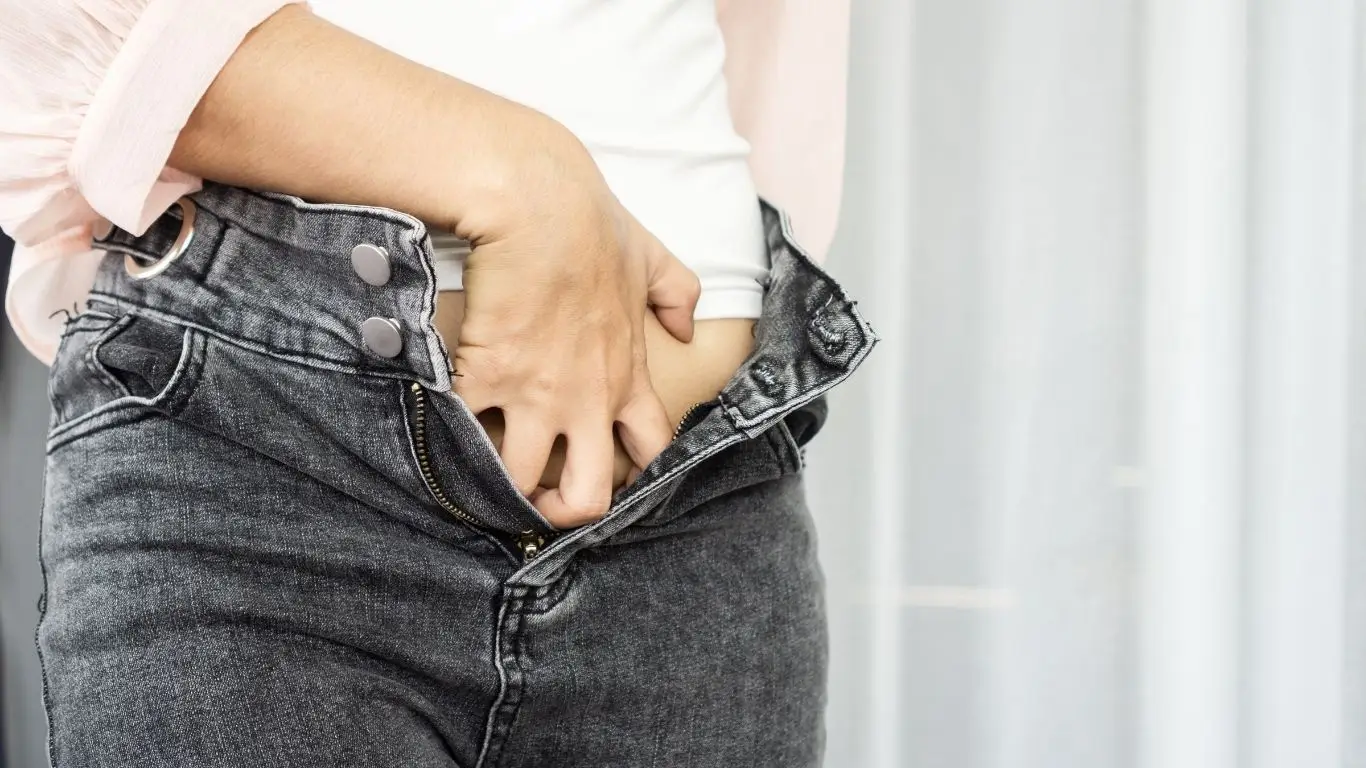
Let’s cut through the noise. When it comes to intimate hygiene with BV, simplicity always wins. I used to think I needed all these “feminine care” products to stay fresh — turns out, I was overcomplicating it. The truth is, your vagina is self-cleaning, and the vulva (the external part) only needs gentle care.
Here’s what worked for me, and honestly, what most gynecologists recommend:
- Use Lukewarm Water Only: No soaps, no wipes, just water. It’s enough for daily cleansing.
- If Necessary, Use Mild, Unscented Soap on the Vulva Only: And rinse thoroughly. Never let it enter the vaginal canal.
- Pat Dry with a Soft Cotton Towel: No rubbing, no fancy scented toilet papers.
It’s basic, but it’s the gentlest way to prevent flare-ups. For days when I felt a little off-balance, I found this method to naturally balance vaginal pH incredibly helpful.
Natural Alternatives to Baby Wipes for BV Hygiene

If you’re looking for something to replace baby wipes but don’t want to risk BV irritation, there are safer alternatives. I’ve tested a few options that fit into busy days without sabotaging vaginal health:
- Reusable Cotton Cloths: Pre-moistened with water and a splash of aloe vera. Keep them in a clean pouch for on-the-go freshness.
- Prebiotic Feminine Wipes: These are designed to support your natural flora rather than disrupt it. Look for brands that mention “prebiotic” on the label.
- Peri Bottles: Simple and effective, these small portable bottles are often used postpartum but are a game-changer for daily freshening up without chemicals.
For a more in-depth look at how daily habits impact BV, you should explore our article on lifestyle changes for long-term BV elimination.
How I Handle BV Hygiene While Traveling

Travel always posed a challenge for me. Long flights, limited bathroom access, and the general grime of public facilities made it hard to maintain the delicate balance. Over time, I developed a “BV hygiene travel kit” that never fails me:
- Travel-Size Peri Bottle: A non-negotiable for long flights and road trips.
- Unscented, Hypoallergenic Wipes (Emergency Use Only): For situations where water isn’t an option.
- Cotton Underwear and Loose-Fitting Clothes: Tight jeans are a no-go when traveling with BV.
- Probiotics: Both dietary and supplements — they’re essential. Here’s a detailed guide on using probiotics for BV management.
This kit has saved me from countless uncomfortable situations. The key is staying prepared without overdoing it. Less really is more when it comes to BV hygiene.
Baby Wipes After Exercise or During Periods — Yay or Nay?

Let’s talk real life — after a sweaty gym session or during your period, you want to feel clean. Baby wipes can seem like a quick fix. The verdict? Use them sparingly and only if they meet the criteria: fragrance-free, alcohol-free, minimal ingredients. Even then, it’s for external use only and as a last resort.
Post-workout, I prefer a quick rinse with a peri bottle or even damp paper towels over relying on wipes. During menstruation, changing pads or tampons frequently and ensuring proper airflow with cotton underwear helps more than any wipe could.
For more in-depth tips on managing BV symptoms during periods, this article on BV after menstruation is a must-read.
Common Mistakes That Worsen BV Hygiene

Even with the best intentions, it’s easy to fall into habits that backfire. Here are a few common mistakes I learned the hard way:
- Over-Cleansing: Scrubbing too often strips away the protective flora.
- Using Baby Wipes as a Daily Routine: They’re for emergencies, not everyday maintenance.
- Wearing Tight, Synthetic Fabrics: Breathability is key — synthetic leggings all day are a recipe for imbalance.
- Assuming All Feminine Wipes Are Safe: Most are heavily fragranced and pH-disrupting. Always double-check labels.
If you’ve been struggling with recurring BV episodes, chances are some of these habits are sneaking in. You might want to read this resource on why BV keeps returning.
Building a BV-Friendly Hygiene Routine

Creating a hygiene routine that supports vaginal health doesn’t have to be overwhelming. Here’s a straightforward approach that worked wonders for me:
- Morning and Evening Rinse: Lukewarm water is all you need. Use your hand, no cloths, no sponges.
- Midday Freshening Up (If Needed): If you’re out, opt for a clean, damp cotton cloth over commercial wipes.
- Change Out of Workout Clothes Promptly: Moisture is BV’s playground.
- Maintain a Balanced Diet and Hydration: Gut health is intricately linked to vaginal health. Learn more about this connection in our gut health and BV article.
For an all-in-one resource, I highly recommend browsing our Bacterial Vaginosis Knowledge Hub, where you can find tailored advice, expert insights, and up-to-date treatment options. If you’re interested in holistic approaches, our Lifestyle & Natural Remedies guide is worth exploring for broader women’s health care strategies.

Dr. Gwenna Aazee is a board-certified Internal Medicine Physician with a special focus on hypertension management, chronic disease prevention, and patient education. With years of experience in both clinical practice and medical writing, she’s passionate about turning evidence-based medicine into accessible, actionable advice. Through her work at Healthusias.com, Dr. Aazee empowers readers to take charge of their health with confidence and clarity. Off the clock, she enjoys deep dives into nutrition research, long walks with her rescue pup, and simplifying medical jargon one article at a time.