Can BV Be Triggered by New Partner? What You Should Know
I’ll be honest—I didn’t even know what bacterial vaginosis was until a few years ago when I went through one of the most confusing stretches of vaginal health changes in my life. I’d just started seeing someone new, and within weeks, I noticed something was off. The odor was different, discharge wasn’t typical, and it was clear my body was trying to tell me something. At first, I thought maybe it was just irritation or my cycle doing weird things. Spoiler alert: it wasn’t. Turns out, BV can actually be triggered by a new partner. Let’s break this down.
Can BV Really Be Triggered by a New Partner?

Yes, it absolutely can—and not because your partner is “dirty” or doing something wrong. When I dug into this, I learned that bacterial vaginosis is less about catching something and more about disrupting something. Specifically, it’s about upsetting the balance of bacteria that naturally live in the vagina. That balance is delicate, and sex (especially with a new partner) can throw it off completely.
Think about it: your vagina has a finely tuned ecosystem, and introducing new semen, lubricants, or even skin flora from a new person can create shifts. That’s how I ended up with BV after starting a new relationship—even with safe sex practices in place.
It’s Not an STD, But It’s Definitely Sex-Linked
BV isn’t classified as a sexually transmitted infection, which is why it often flies under the radar. But that doesn’t mean sex doesn’t play a major role. In fact, according to CDC, having a new sexual partner is one of the top risk factors. Here’s why:
- Semen has a high pH that can disrupt the vaginal environment
- New partners introduce unfamiliar bacteria to your system
- Unprotected sex increases the likelihood of pH imbalance
And no, condoms don’t always eliminate the risk—though they do help. Skin-to-skin contact and even fingers can affect your microbiome. I know, it feels unfair.
Common BV Symptoms to Watch Out For

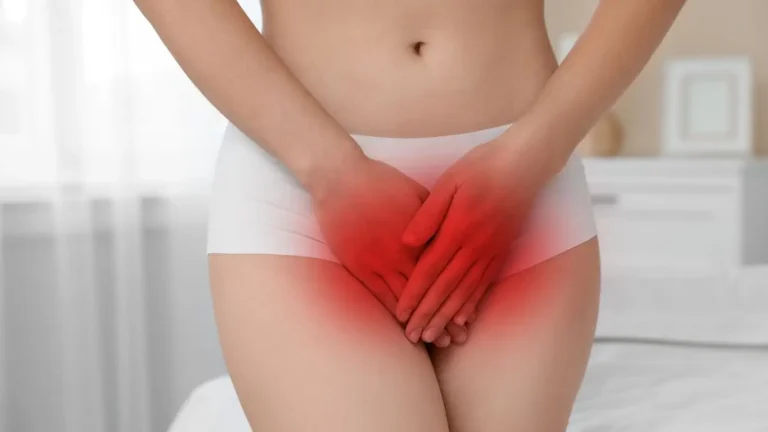
So how do you know if you have BV? It might be subtle—or really obvious. For me, it wasn’t painful, but the odor was unmistakable. Here’s what to look for:
- Thin, grayish-white discharge – not the usual creamy or stretchy stuff
- Strong fishy odor – especially after sex
- Vaginal irritation – not always, but sometimes a bit itchy or raw
- Increased discharge – more than your normal amount
If this sounds familiar, you’re not alone. It’s the most common vaginal condition in women aged 15-44. You can learn more about BV-related odor symptoms here and how to recognize the specific type of discharge.
Why a New Partner Can Tip the Balance

Your vagina likes consistency. It builds up a microbiome that adjusts to your lifestyle, your hygiene habits, even your diet. When you bring in a new partner, their unique bacteria—and yes, everyone has their own microbial signature—gets introduced into that system. Here’s what often changes:
- Exposure to different semen chemistry
- Changes in your own stress or sleep patterns (hello, new relationship jitters)
- New sexual positions or frequency that alter vaginal moisture and airflow
And while BV isn’t “caused” by sex in the traditional STD sense, your odds do go up with each new partner. That’s why the link between BV and sexual activity is so important to understand.
My BV Flare-Up Timeline
Here’s how it played out for me:
- Week 1 of new relationship – everything felt fine
- Week 2 – noticed slightly more discharge than normal
- Week 3 – strong odor after intimacy, plus some irritation
- Week 4 – went to OB-GYN and got diagnosed with BV
The kicker? My doctor told me this is incredibly common. She said, “Your vagina just hasn’t figured out how to deal with this new situation yet.” That helped me feel a bit less gross and a lot more empowered.
Can BV Be Prevented When Starting with a New Partner?

There’s no magic pill, but there are smart habits that help reduce the risk. If you’re entering a new relationship and want to avoid the whole BV rollercoaster (highly recommend), here’s what might help:
- Use condoms consistently, especially in the early stages
- Limit semen exposure or consider using pH-balancing products post-intercourse
- Avoid douching—it wipes out good bacteria along with the bad
- Use mild, fragrance-free soaps around the vulva (not inside!)
- Stay hydrated and keep your stress levels in check
Still unsure if your hygiene habits are contributing? Check out this breakdown of hygiene-related BV triggers. It made me rethink my entire self-care routine.
And Don’t Forget—You’re Not Alone
When I opened up about my experience, I was shocked by how many of my friends had been through the same thing. Some didn’t even realize their symptoms were BV, while others were stuck in a loop of recurring episodes because they didn’t know how to prevent it. That’s why learning about BV recurrence prevention is such a game-changer.
Want a deeper dive into what causes BV and how to treat it long-term? I highly recommend reading the comprehensive guide on BV causes and risk factors and the main BV resource page for everything you need in one place.
How to Treat BV After It’s Triggered by a New Partner

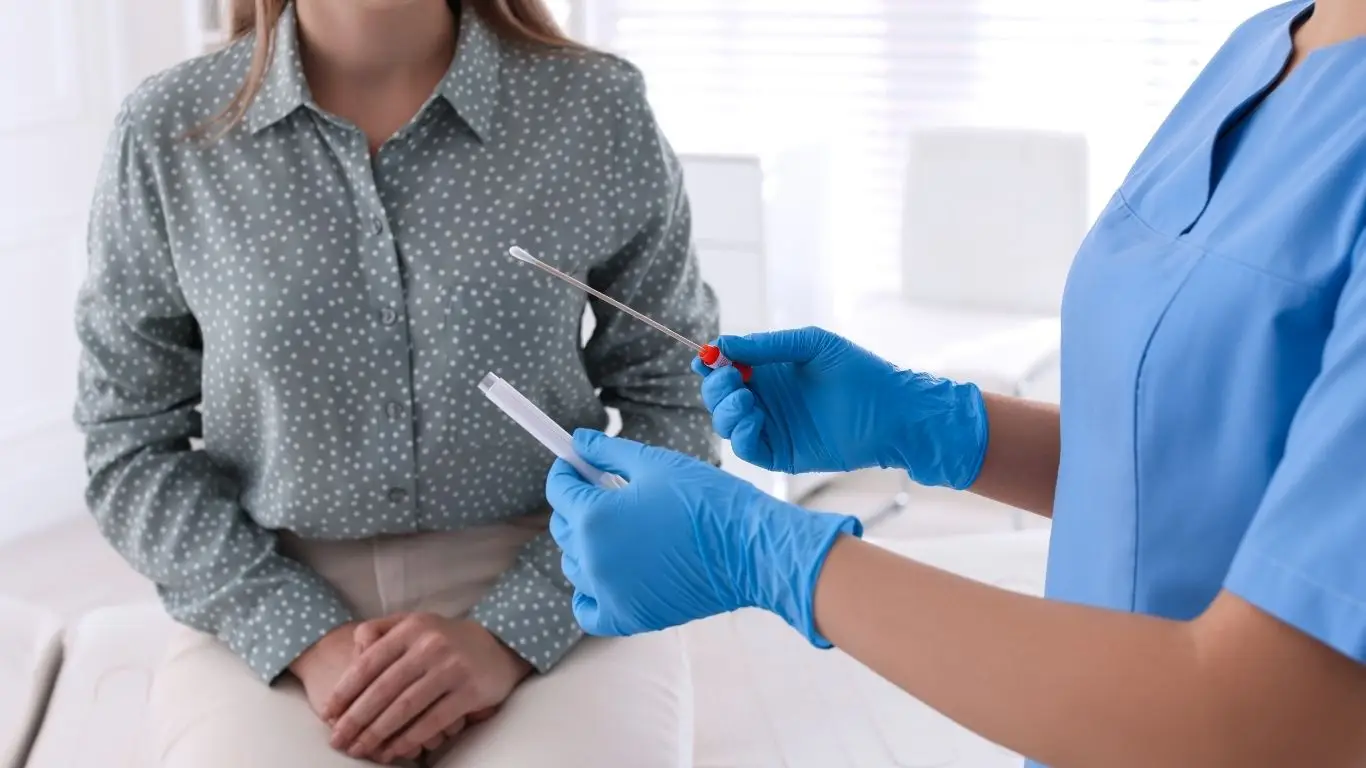
Once you’ve got BV, you can’t just “wait it out”—at least not in most cases. I tried. I figured it might go away on its own. Spoiler alert: it didn’t. That fishy smell? Still there. The discharge? Still showing up like an unwanted houseguest. So, I finally went to my doctor, who prescribed metronidazole. It’s one of the most commonly used antibiotics for BV, and honestly, it worked fast.
Here are the usual treatment options:
- Metronidazole – usually in pill or gel form
- Clindamycin – another option, often a vaginal cream
- Boric Acid Suppositories – for recurrent or stubborn cases
You can dive into the details of BV treatment options here if you’re curious about all the choices. Some people swear by probiotics and tea tree oil, but if it’s your first time dealing with BV, starting with meds might be your best bet.
What About Treating Your Partner?
This tripped me up, too. I kept wondering—if my partner’s bacteria triggered this, do they need treatment too? Turns out, treating a male partner isn’t usually necessary. BV isn’t contagious in the traditional sense. But if you’re in a same-sex relationship where both partners have vaginas, it might be worth looking into co-treatment or avoiding sharing toys until symptoms are gone.
Why Does BV Keep Coming Back?
I wish I could say one round of antibiotics was the end of it. But for me—and so many others—it wasn’t. My BV came back two months later, just as I was getting comfortable again. The culprit? Probably sex, again. Or maybe stress, or my diet, or the phase of the moon—it honestly felt like anything could set it off.
Recurrent BV is a beast of its own. According to NIH, about 30% of women experience recurrence within 3 months. Here’s why it might happen:
- Incomplete treatment or stopping antibiotics early
- Not restoring healthy bacteria post-treatment
- Reintroduction of triggers—yes, like your partner’s semen
Want to break the cycle? I found this piece on long-term BV prevention super helpful. It covers things your doctor might not even mention.
Can Diet Help Prevent Recurring BV?

Here’s something wild: I didn’t know sugar could affect vaginal health. But it totally can. I was loading up on sweets, totally unaware it might be making my BV worse. Sugar feeds the bad bacteria, while fermented foods and probiotics help the good ones thrive.
If you want to tweak your diet to support your vaginal flora, here’s a solid starting point:
- Cut back on added sugars
- Add plain yogurt or kefir daily
- Incorporate garlic, onions, and other natural antibacterials
- Consider probiotic supplements with Lactobacillus
There’s a great guide on foods to avoid when prone to BV and what to eat instead. I made just a few changes and noticed less recurrence over time.
The Role of Stress (Seriously)
I used to roll my eyes at the idea that stress could affect my vagina. But it does. When I was overwhelmed with work, not sleeping, and barely moving from my desk, I had back-to-back BV flare-ups. Once I prioritized sleep, added some movement to my day, and made time for real rest, things got a lot better.
Chronic stress can weaken your immune response and shift your microbiome in ways that make BV more likely. Don’t ignore it—your body remembers everything, even if your calendar doesn’t.
Tips for Managing BV in Long-Term Relationships

BV isn’t just a “new relationship” issue. Once it starts, it can affect even the most stable partnerships. You don’t have to stop having sex, but you do need a strategy. Here’s what’s helped me:
- Always pee and clean gently after sex
- Use condoms or take a break from penetration for a few weeks if flare-ups occur
- Talk openly with your partner about triggers and prevention
- Keep probiotics in your daily routine
Also, it’s worth reading up on safe sex tips for BV prevention. It helped my partner and I get on the same page and avoid that awkward blame game.
What I Wish I Knew Sooner
No one talks about BV enough. It’s not glamorous, it’s not trendy—but it’s super common. If I’d known early on that a new partner could throw my system out of whack, I would’ve done things differently. Not in a paranoid way—just smarter. Awareness goes a long way, especially with something this recurring and uncomfortable.
If you’re navigating BV for the first time, I can’t recommend this guide on BV prevention tips enough. And don’t miss the main BV article for everything in one place—symptoms, causes, treatment, and beyond.

Dr. Gwenna Aazee is a board-certified Internal Medicine Physician with a special focus on hypertension management, chronic disease prevention, and patient education. With years of experience in both clinical practice and medical writing, she’s passionate about turning evidence-based medicine into accessible, actionable advice. Through her work at Healthusias.com, Dr. Aazee empowers readers to take charge of their health with confidence and clarity. Off the clock, she enjoys deep dives into nutrition research, long walks with her rescue pup, and simplifying medical jargon one article at a time.